
Enjoying this article? Add us as a preferred source on Google.
You’ve heard the word “Metroidvania” tossed around, but if someone put you on the spot you couldn’t really explain what it means. You’re not alone. Play one, though, and your hands understand it long before your vocabulary catches up.
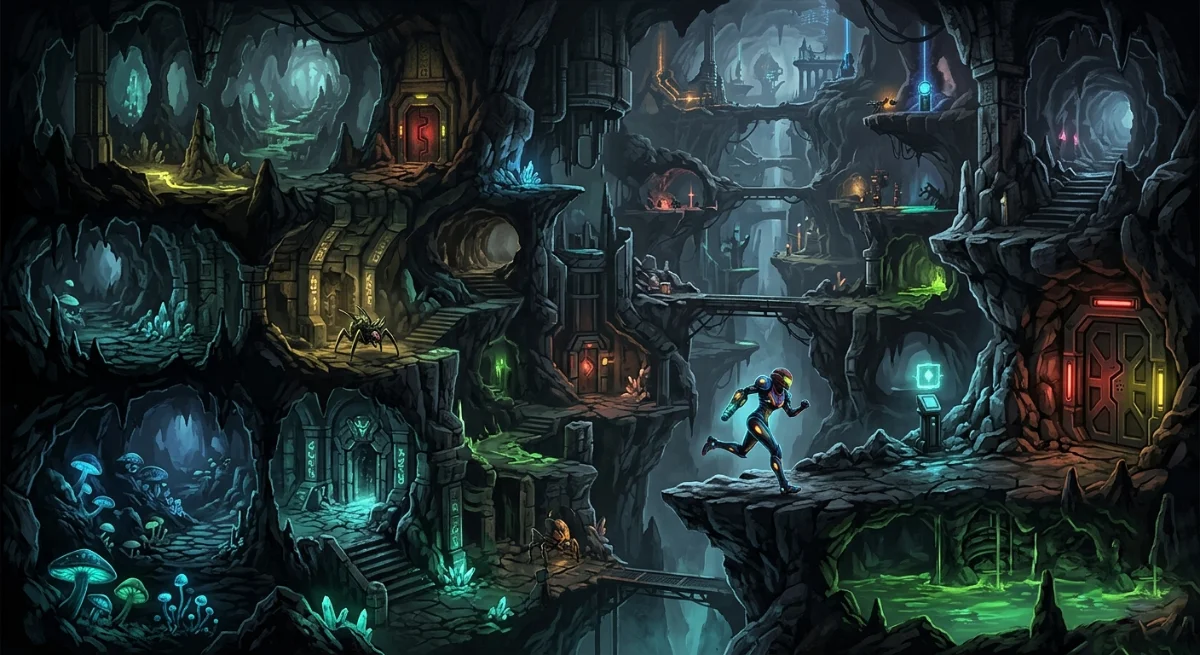
It’s that itch you get every time you pull up the map: “Wait — that ledge I couldn’t reach an hour ago. I bet I can reach it now.” It’s the moment a single new ability blows the world wide open. It’s rolling credits and still thinking, “I never did finish sweeping that eastern wing.” That nagging pull is the whole genre in a nutshell.
The template Nintendo stumbled into in 1986 and Konami perfected in 1997 — call it the exploration-driven 2D action game — found its second life on Steam, where indie developers turned it into one of the best value-per-dollar genres in gaming. If you’ve been staring at your wishlist wondering where to start, this is the page that answers it.
What Exactly Is a Metroidvania?
In one sentence: a Metroidvania is a 2D action game built around exploring one huge interconnected map while powering up your character to reach places you couldn’t before.
The name itself is a portmanteau of two games.
- Metroid ── Nintendo’s 2D action game, released in 1986
- Castlevania ── the international name for Konami’s Akumajo Dracula series
What those two shared was a sprawling, exploration-first map structure and a design where picking up an item literally expands where you’re allowed to go. Western gaming communities started pointing at that overlap as a genre unto itself, and by around 2001 the term “Metroidvania” had stuck for good.
The Three Pillars of a Metroidvania
Three ingredients define the genre.
1. One Connected World
There are no discrete, self-contained stages. The entire game world is a single continuous map, and there’s a real satisfaction in watching that map fill itself in room by room as you push deeper.
2. Ability Gating
Doors you can’t open, gaps you can’t clear, walls you can’t climb — until you find the double jump, the wall run, or the one key item that changes everything. That “oh, I can get up there NOW” jolt is the genre’s signature high.
3. Backtracking
Land a new ability and you head back to old ground to crack open the areas you had to walk away from. Doubling back with a mental list of “the spot that stumped me before” is not busywork here — it’s the core pleasure.
A Short History of the Metroidvania: How the Genre Was Born and Grew Up
1986: Where It All Started — Metroid
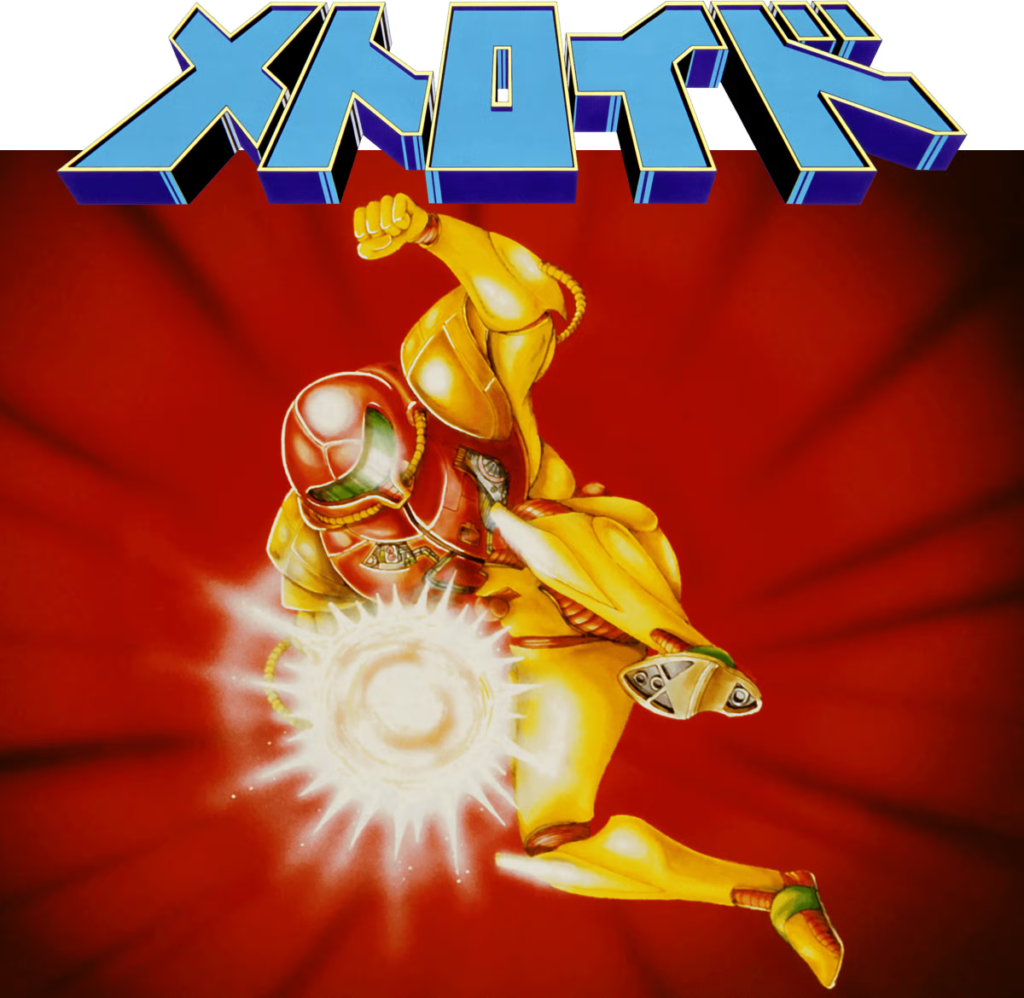
Nintendo released it for the Famicom Disk System, starring galaxy-hopping bounty hunter Samus Aran. Its non-linear map design was genuinely radical for the era: the game handed players the freedom to decide where to go next, and mostly trusted them to figure it out.
1994: The Genre Reaches Its Final Form — Super Metroid
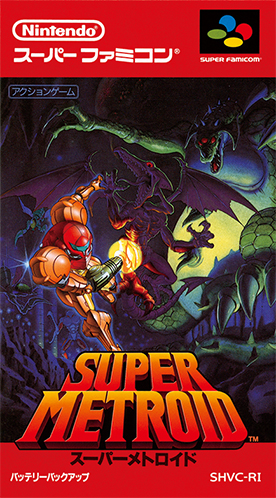
Released for the Super Famicom (SNES). An intuitive interface, meticulously engineered map design, and an atmosphere of pure isolation all clicked into place at once. Decades later it’s still held up as the definitive exploration-driven 2D action game, and honestly, that reputation is earned.
1997: The Genre’s Other Pillar — Symphony of the Night
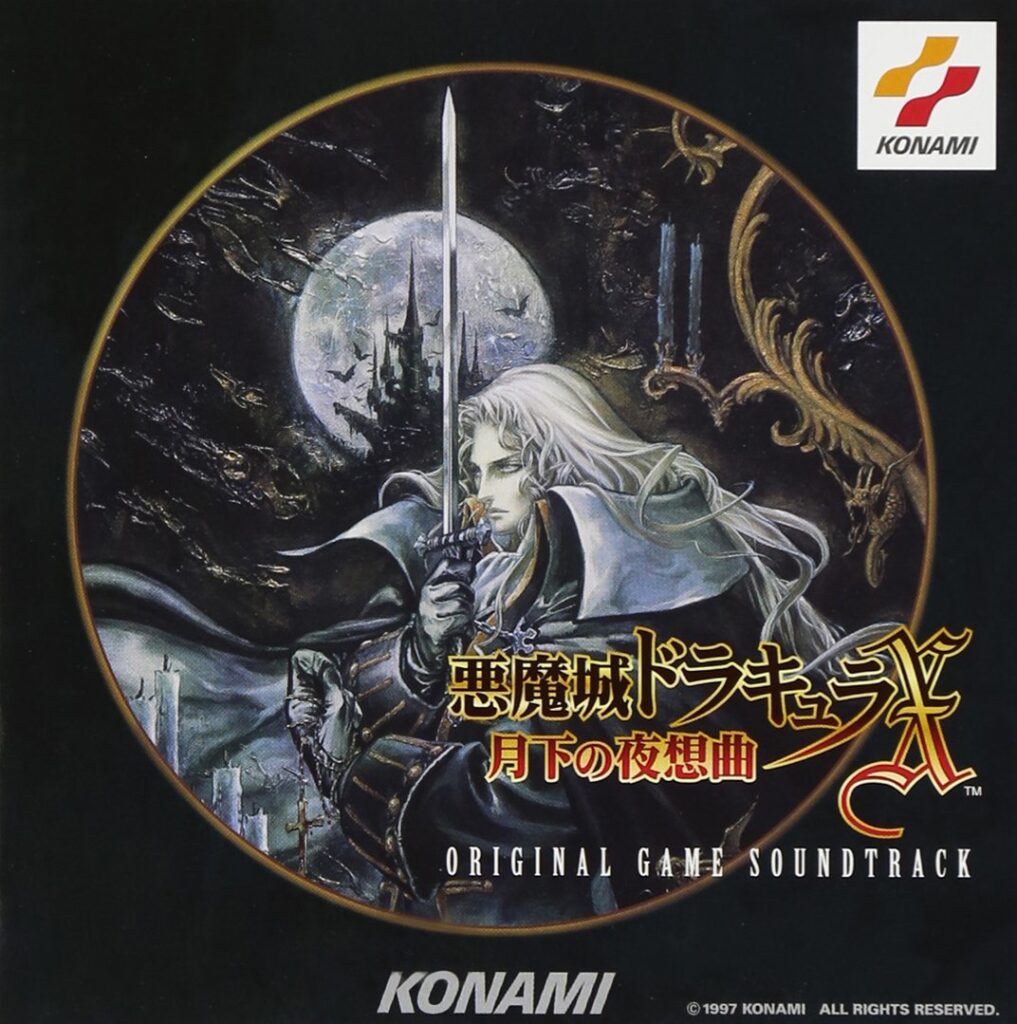
Konami’s Castlevania: Symphony of the Night landed on PS1. You play as Alucard, prowling an enormous castle, and the game’s fusion of RPG progression with tight action combat was an enormous hit. Alongside Metroid, it’s the other foundation stone the entire genre is built on.
2004: The Indie Breakthrough — Cave Story
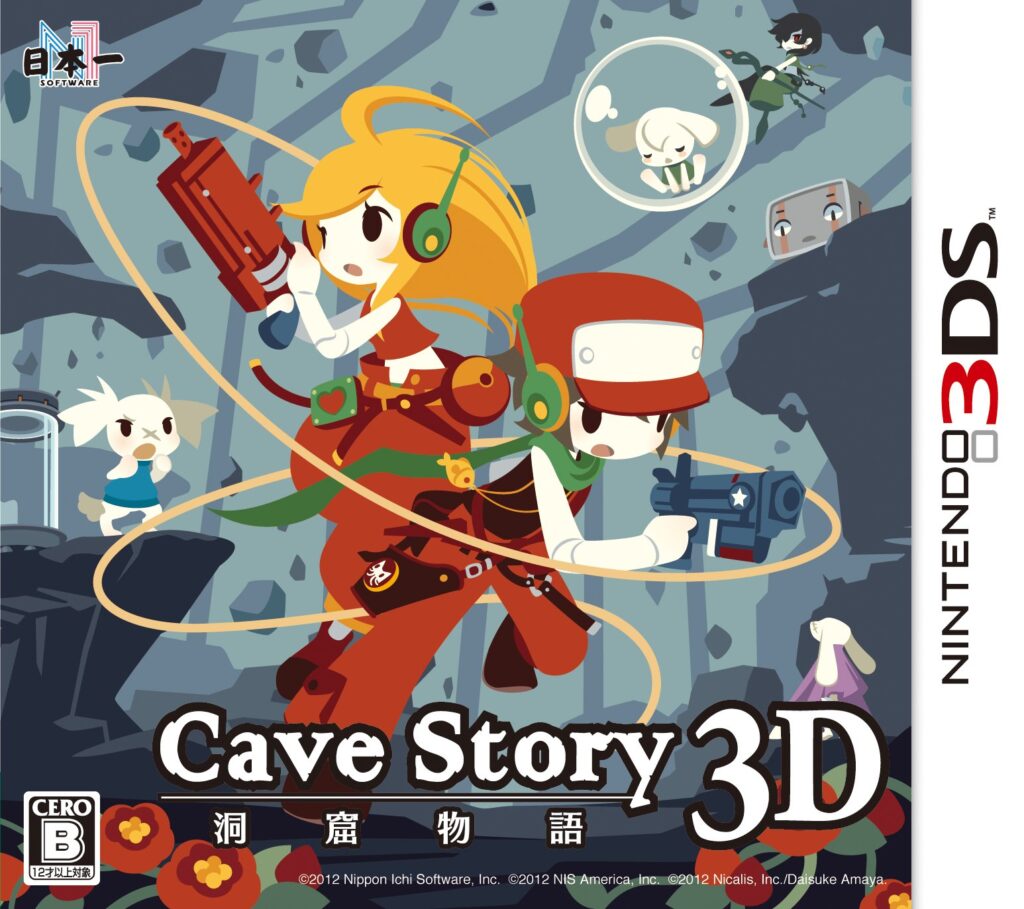
Solo developer Daisuke “Pixel” Amaya spent five years building Cave Story and then released it as freeware. After that, the floodgates opened: indie developers everywhere started looking hard at what the Metroidvania structure could do in the hands of a very small team.
The 2010s Onward: The Indie Golden Age
Once Steam, Switch, and PS4 made distribution trivial, solo developers and boutique studios started shipping masterpieces at an absurd clip. Hollow Knight (2017), Dead Cells (2018), ENDER LILIES (2021) — the tentpole titles that now define the genre are clustered almost entirely in this window.
The Best Metroidvanias on Steam: Our 2026 Ranking
Drawing on Steam’s Metroidvania tag, user review scores, and our own time with each game, here’s how we rank them. All prices listed are standard retail — sales routinely knock them down further.
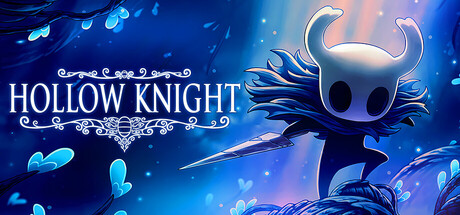
🥇 No. 1: Hollow Knight
| Category | Details |
|---|---|
| Developer | Team Cherry (Australia) |
| Release Year | 2017 |
| Steam Reviews | Overwhelmingly Positive (96% / 530,000+ reviews) |
| Price | About 620 yen |
| Playtime | 30-60+ hours |
If you’re going to talk about Metroidvanias at all, you start here. Hollow Knight drops a silent protagonist — the Knight — into Hallownest, a crumbling insect kingdom, and lets you pick apart its secrets. The sheer density of craft, the gorgeous hand-drawn art, combat that’s brutally hard without ever feeling cheap: it tops the genre on every axis. A 96% positive rating across more than 530,000 reviews is not an accident.
▶ View on Steam: Hollow Knight
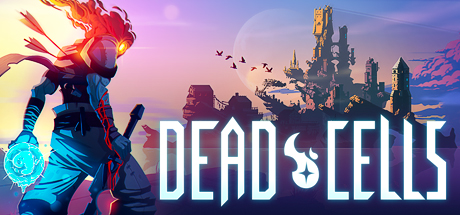
🥈 No. 2: Dead Cells
| Category | Details |
|---|---|
| Developer | Motion Twin (France) |
| Release Year | 2018 |
| Steam Reviews | Overwhelmingly Positive (96% / 170,000+ reviews) |
| Price | About 2,570 yen |
| Playtime | 20-100 hours (depends how deep you go on builds) |
An unlikely crossbreed: Metroidvania structure spliced with roguelike runs. Every death reshuffles the map layout and the weapons on offer, so no two attempts play the same. The combat feels fantastic, and the “okay, one more run” hook is as strong as anything in the genre. The major DLC packs are substantial too, which makes this one you’ll keep reinstalling.
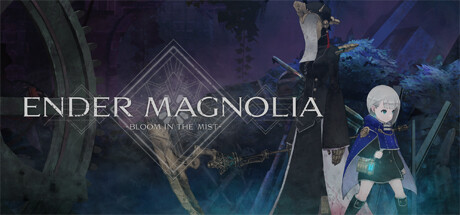
🥉 No. 3: ENDER MAGNOLIA: Bloom in the Mist
| Category | Details |
|---|---|
| Developer | Live Wire (Japan) |
| Release Year | 2025 |
| Steam Reviews | Very Positive (98% / 4,600+ reviews) |
| Price | About 1,980 yen |
| Playtime | 15-25 hours |
Effectively the sequel to ENDER LILIES, and plenty of players argue it surpasses the original outright. It came out of the gate polished and the review scores have stayed sky-high ever since — a genuinely great Japanese-made Metroidvania. If dark fantasy is your register, this one will land hard.
▶ View on Steam: ENDER MAGNOLIA: Bloom in the Mist
No. 4: ENDER LILIES: Quietus of the Knights
| Category | Details |
|---|---|
| Developer | Live Wire x Binary Haze Interactive (Japan) |
| Release Year | 2021 |
| Steam Reviews | Overwhelmingly Positive (96%+ / 20,000+ reviews) |
| Price | About 1,980 yen |
| Playtime | 20-30 hours |
A high-craft dark Metroidvania out of Japan. In a rain-soaked end-times world, a girl named Lily fights alongside warriors whose souls she’s taken in. The soundtrack and atmosphere are absurdly immersive — plenty of players will tell you flat out that this game made them cry. Playing this one before ENDER MAGNOLIA is a perfectly good plan.
▶ View on Steam: ENDER LILIES: Quietus of the Knights
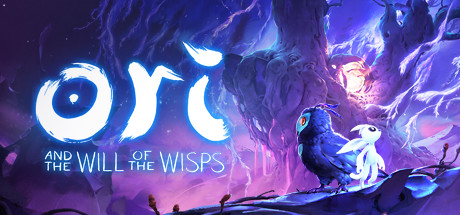
No. 5: Ori and the Will of the Wisps
| Category | Details |
|---|---|
| Developer | Moon Studios (Austria) |
| Release Year | 2020 |
| Steam Reviews | Overwhelmingly Positive (97%+) |
| Price | About 2,570 yen |
| Playtime | 10-15 hours |
Purely on visual beauty, nothing in the genre outclasses it. You explore a dreamlike forest as Ori, a small spirit of light. The action gets demanding, but the combination of an emotionally direct story and visuals that look like a moving storybook produces something no other game in this list delivers.
▶ View on Steam: Ori and the Will of the Wisps
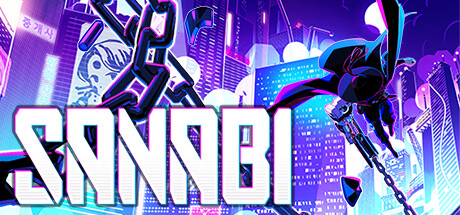
No. 6: SANABI
| Category | Details |
|---|---|
| Developer | Wonder Potion (South Korea) |
| Release Year | 2023 |
| Steam Reviews | Overwhelmingly Positive (95% / 43,000+ reviews) |
| Price | About 1,500 yen |
| Playtime | 10-15 hours |
A Korean-made action game whose grappling-chain prosthetic turns traversal into pure momentum. Cyberpunk setting, a story that never lets the pace sag. For what it costs, the length and the production values are both way above the asking price — one of the best value picks on this entire list.
No. 7: Touhou Luna Nights

| Category | Details |
|---|---|
| Developer | Team Ladybug (Japan) |
| Release Year | 2019 |
| Steam Reviews | Overwhelmingly Positive (98%+) |
| Price | About 980 yen |
| Playtime | 8-12 hours |
A Japanese Metroidvania that started life as a Touhou Project doujin work. Building both combat and exploration around a time-stop ability gives it a hook nothing else in the genre has. Touhou fans are the obvious audience, but the craftsmanship is strong enough that people with zero Touhou background rate it just as highly.
▶ View on Steam: Touhou Luna Nights
No. 8: Gato Roboto

| Category | Details |
|---|---|
| Developer | doinksoft (indie) |
| Release Year | 2019 |
| Steam Reviews | Very Positive (97%+) |
| Price | About 510 yen |
| Playtime | 3-5 hours |
A cat pilots a mech suit, rendered entirely in two-tone black-and-white pixel art. It’s adorable, and it’s also a completely legitimate Metroidvania under the hood. Short, but sharp — which makes it the ideal on-ramp if you’ve never played one. The price tag means there’s basically no reason not to try it.
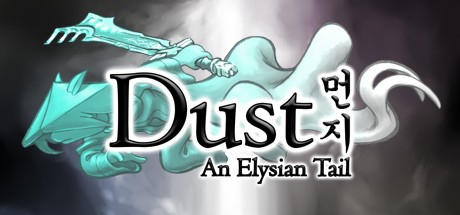
No. 9: Dust: An Elysian Tail
| Category | Details |
|---|---|
| Developer | Humble Hearts (essentially a solo project) |
| Release Year | 2013 |
| Steam Reviews | Overwhelmingly Positive (98%+) |
| Price | About 1,520 yen |
| Playtime | 12-20 hours |
A small miracle of a game, built almost entirely by one person. Lush hand-drawn animation, swordplay that flows like silk, and a story with real emotional weight behind it. Nothing about it plays like a 2013 release — it hasn’t aged a day.
▶ View on Steam: Dust: An Elysian Tail
No. 10: Supraland

| Category | Details |
|---|---|
| Developer | Supra Games (indie) |
| Release Year | 2019 |
| Steam Reviews | Very Positive (96%+) |
| Price | About 1,980 yen |
| Playtime | 15-25 hours |
The pitch is “Metroid plus Portal plus Zelda,” which sounds like nonsense until you play it. You’re exploring and puzzle-solving your way through a world of miniature people, and that premise alone got it talked about everywhere. If you want the exploration and the brain-teasers more than the combat, this is your pick.
Quick Picks: Which Metroidvania Is Right for You?
| If you’re… | Start with |
|---|---|
| A newcomer looking for your first one | Gato Roboto / Hollow Knight |
| Hunting for a real difficulty test | Hollow Knight / Dead Cells |
| Here for story and emotional payoff | ENDER LILIES / Ori and the Will of the Wisps |
| Specifically after Japanese-made titles | ENDER LILIES / ENDER MAGNOLIA / Touhou Luna Nights |
| A roguelike devotee | Dead Cells |
| All about that combat feel | SANABI / Dead Cells |
| Short on time and want something you can finish | Gato Roboto / Touhou Luna Nights |

Enjoying this article? Add us as a preferred source on Google.
✅ SPOTGEEKS VERDICT
The genre name is a mouthful, but the appeal isn’t complicated: play one for twenty minutes and you’ll get it immediately, and then you’ll be up at 2 a.m. telling yourself you’ll stop after one more room. Steam in particular is stacked with indie entries that go toe to toe with big-budget releases for a fraction of the price.
Our pick at SpotGeeks: buy ENDER LILIES and ENDER MAGNOLIA together. Both are Japanese-made with full localization, and the world-building and soundtracks are on another level. You can have the definitive Metroidvania experience for under 4,000 yen total.
You’ll Love These If…
- You want games that reward you with a real sense of accomplishment and the freedom to explore
- You’re curious about indie games but have no idea where to start
- You played Super Metroid or Symphony of the Night back in the day and want to feel that again
Maybe Not for You If…
- You have a rough time navigating by map and get turned around easily (though honestly, getting lost is half the fun — lean into it)
- You prefer a linear story you can move through briskly
- You’re a 3D-only player who bounces off 2D side-scrollers
Read Next

Snicker Kitamura






Leave a Reply