
Enjoying this article? Add us as a preferred source on Google.
The Tales series kicked off in 1995 with Tales of Phantasia, and more than 30 years later it stands as Bandai Namco’s flagship RPG franchise. With over 20 mainline entries alone, the question “which one do I even start with?” has never gone away.
Story-first players will click hardest with Berseria and the Abyss. If action is what you’re after, Arise and Graces f lead the pack. And the moment you start asking for deep endgame grinds or cutting-edge visuals, the conversation changes yet again.
For this article, we scored all 20 games on a 100-point scale across four axes—ease of play, graphics, story, and replay value—and distilled the results into a hand-picked ranking for 2026. From the original Phantasia to the latest remasters, this is the SpotGeeks editorial team’s honest verdict, built on having played every single entry.
Tales Series Score Comparison: All 20 Games at a Glance
Here are the results across all four axes. “Ease of play” weighs accessibility and playability on current hardware, “graphics” factors in visual quality both for its era and by today’s standards, “story” measures narrative density and emotional impact, and “replay value” covers the depth of endgame and completionist content.
| Title | Ease of Play | Graphics | Story | Replay Value | Total Score |
|---|---|---|---|---|---|
| Tales of Vesperia DE | 88 | 82 | 90 | 92 | 352 |
| Tales of Arise | 90 | 95 | 82 | 82 | 349 |
| Tales of Berseria Remastered | 85 | 80 | 95 | 85 | 345 |
| Tales of Graces f Remastered | 88 | 78 | 82 | 92 | 340 |
| Tales of the Abyss | 80 | 72 | 95 | 88 | 335 |
| Tales of Symphonia | 82 | 72 | 92 | 88 | 334 |
| Tales of Xillia Remastered | 85 | 80 | 85 | 80 | 330 |
| Tales of Xillia 2 | 78 | 75 | 82 | 85 | 320 |
| Tales of Eternia | 78 | 65 | 88 | 82 | 313 |
| Tales of Zestiria | 78 | 78 | 75 | 80 | 311 |
| Tales of Rebirth | 72 | 65 | 90 | 82 | 309 |
| Tales of Hearts R | 75 | 68 | 85 | 78 | 306 |
| Tales of Destiny DC | 70 | 62 | 85 | 80 | 297 |
| Tales of Legendia | 70 | 65 | 85 | 72 | 292 |
| Tales of Destiny 2 | 70 | 62 | 82 | 75 | 289 |
| Tales of Innocence R | 72 | 65 | 78 | 70 | 285 |
| Tales of Phantasia | 68 | 62 | 82 | 72 | 284 |
| Tales of Hearts (DS) | 72 | 63 | 80 | 68 | 283 |
| Tales of Symphonia: Dawn of the New World | 68 | 68 | 65 | 75 | 276 |
| Tales of Tempest | 60 | 55 | 48 | 55 | 218 |
Vesperia DE and Arise form a razor-thin top two, but the split beneath them is crystal clear: Berseria and the Abyss for story lovers, Graces f and Vesperia for action and endgame grinders. Pick anything in the top five and you will not regret it.
No. 1: Tales of Vesperia Definitive Edition — The Series’ Masterpiece, Playable on Everything
| Ease of Play | Graphics | Story | Replay Value | Total Score |
|---|---|---|---|---|
| 88 | 82 | 90 | 92 | 352 |
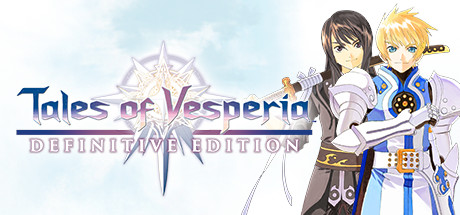
If you only ever play one Tales game, make it Vesperia DE—no hesitation. That’s the SpotGeeks editorial team’s final answer. Released in 2019 as a heavily upgraded version of the 2008 Xbox 360 original, the Definitive Edition covers Steam, PS4, Switch, and Xbox One, and it remains easy to get hold of in 2026.
Protagonist Yuri Lowell—a hero willing to play the villain if that’s what justice demands—flipped the standard RPG hero template on its head. Every single party member is written with real depth, and the relationship between Yuri and Estelle alone could carry a feature film. Of every Tales game the SpotGeeks editorial team has ever touched, nothing else comes close to this level of character growth and narrative density.
The Definitive Edition adds two characters absent from the original release, “Yudina” and “Patty,” so even veterans get something fresh. The endgame sprawls in every direction—Grade Shop-powered New Game+ runs, title completion, conquering the arena—easily clearing 200 hours. The Steam version (3,520 yen, tax included) sits at “Very Positive,” and it has been known to hit 70% off during seasonal sales.
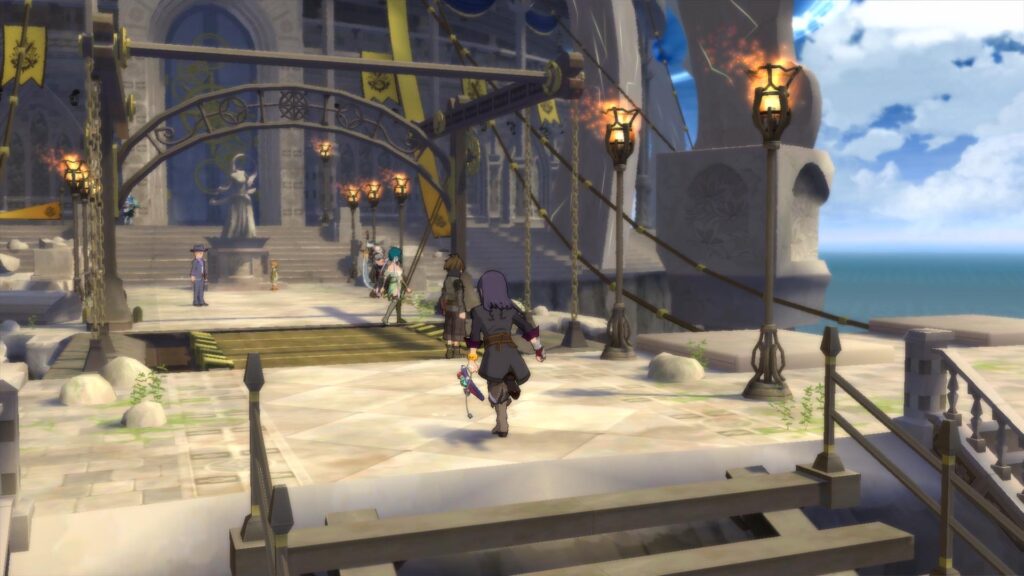
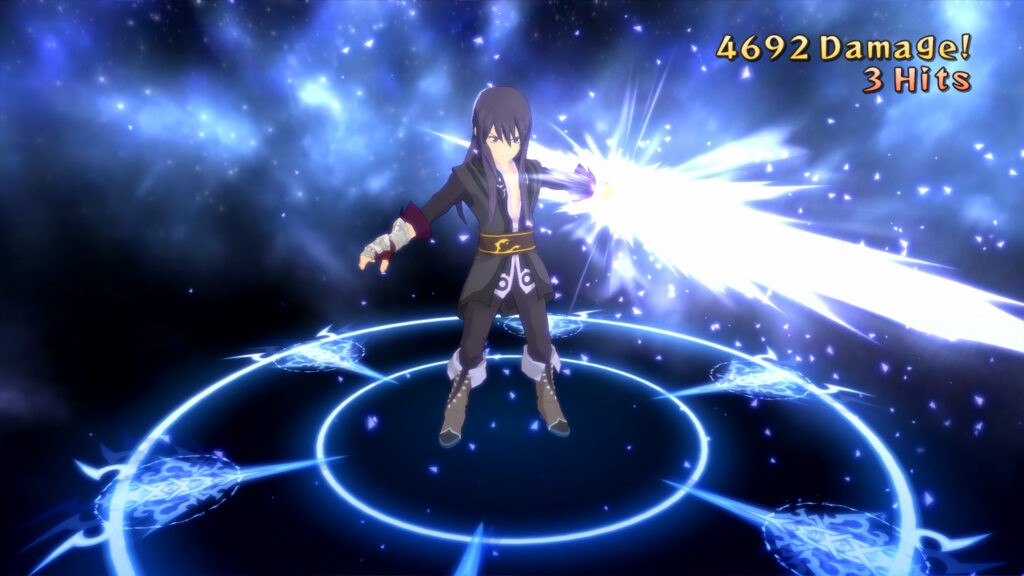
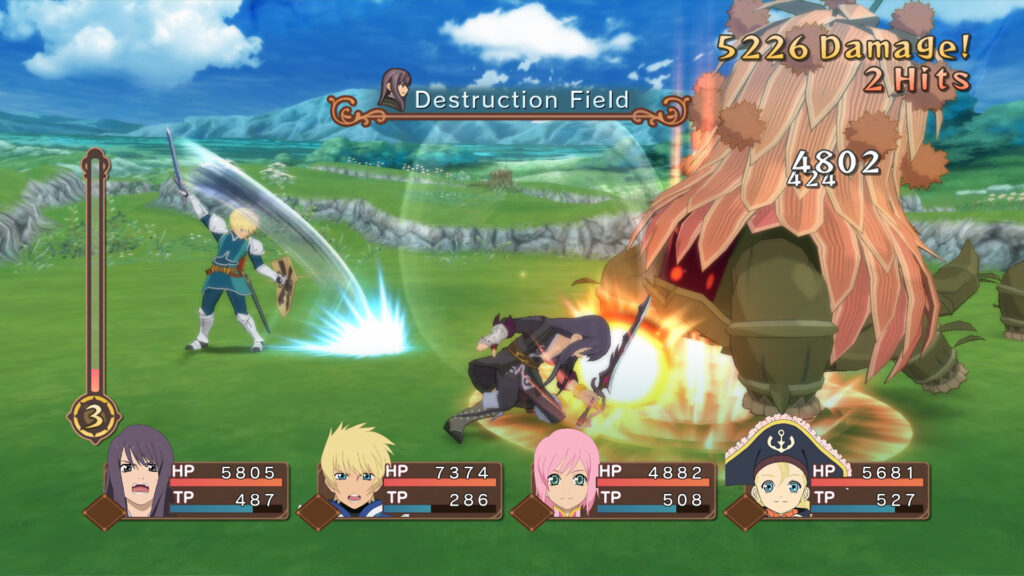
- Available on Steam, PS4, Switch, and Xbox—play it right now
- 200+ hours of endgame content, with Grade Shop New Game+ runs
- 3,520 yen on Steam, with a track record of 70%-off sales
- Graphics are built on a 2008 base and show their age
- Yuri’s early-game attitude won’t be for everyone
No. 2: Tales of Arise — The Series’ Best Graphics and Its Most Exhilarating Action
| Ease of Play | Graphics | Story | Replay Value | Total Score |
|---|---|---|---|---|
| 90 | 95 | 82 | 82 | 349 |
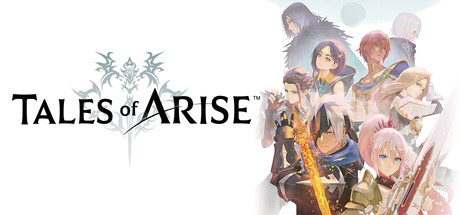
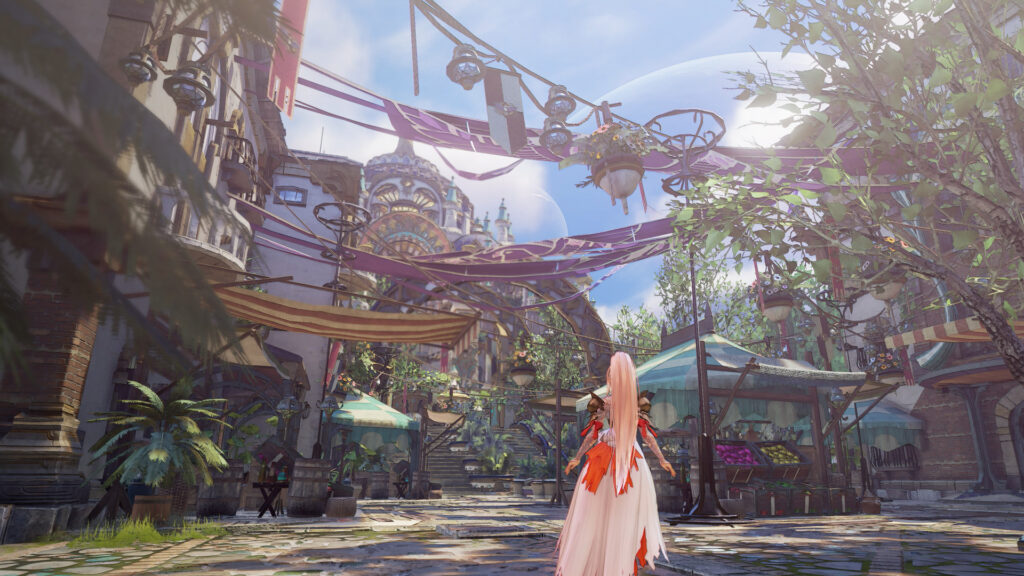
Released in 2021, Arise is the game that showed the world how far the series had evolved. Its anime-styled visuals—powered by a proprietary technique called the “Atmospheric Shader”—are still breathtaking on PS5 and PC today. The Steam version holds a cumulative “Very Positive” user rating and has drawn the largest player base in series history.
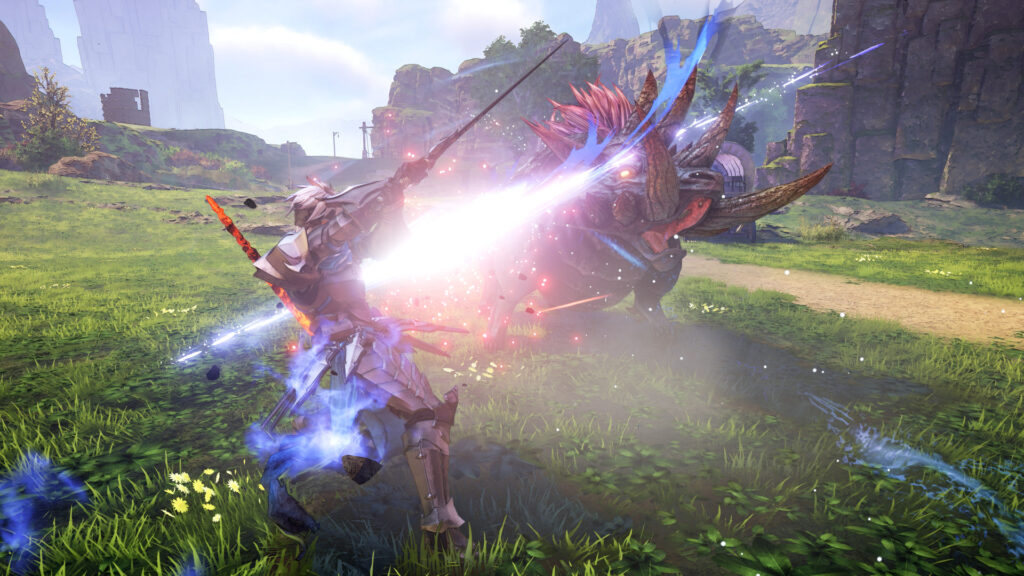
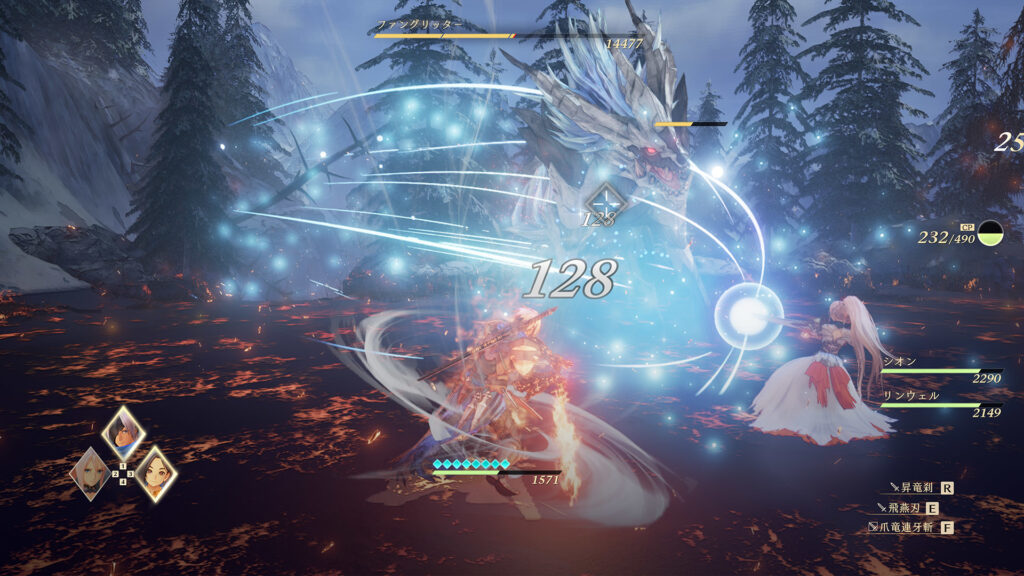
Combat abandons the series’ traditional 2D-line roots entirely for full 3D, with new systems like Boost Attacks and Boost Strikes cranking the exhilaration up another notch. The development staff positioned it as “both the culmination of the series and a new starting point,” and it is arguably the single best entry point for anyone who has never touched a Tales game.
The story opens on the weighty structure of “the rulers and the ruled,” though its late-game pivot split opinion. The first two-thirds rank among the best the series has ever produced, and few entries hit harder on a first playthrough.
- The best graphics in the series (95 points)
- The ideal first game for Tales newcomers
- Available on Steam, PS4/PS5, Switch, and Xbox
- Late-game story developments are divisive
- DLC is paid (the base game is complete on its own)
No. 3: Tales of Berseria Remastered — The Series’ Best Story, Carried by Velvet’s Overwhelming Presence

| Ease of Play | Graphics | Story | Replay Value | Total Score |
|---|---|---|---|---|
| 85 | 80 | 95 | 85 | 345 |
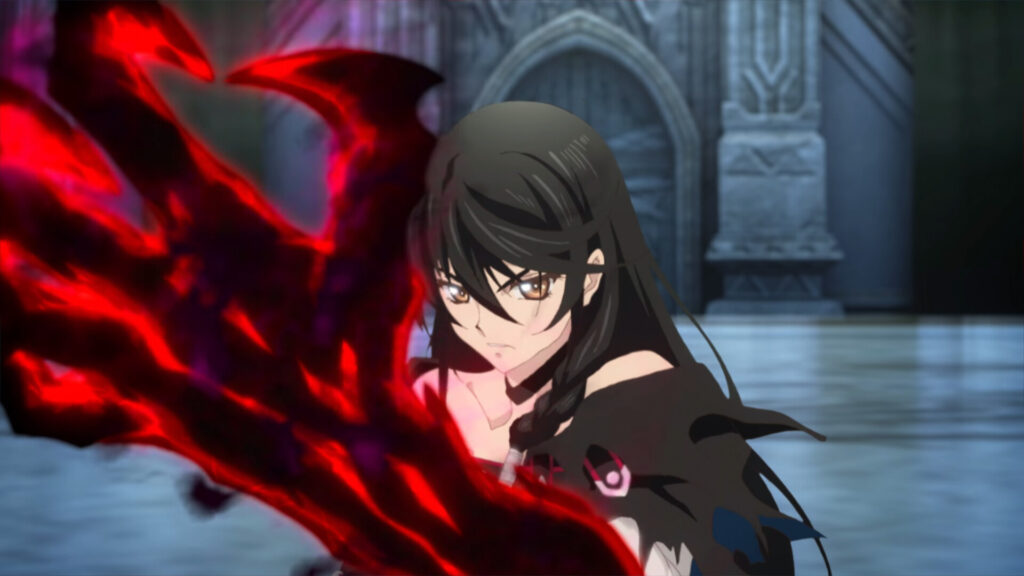
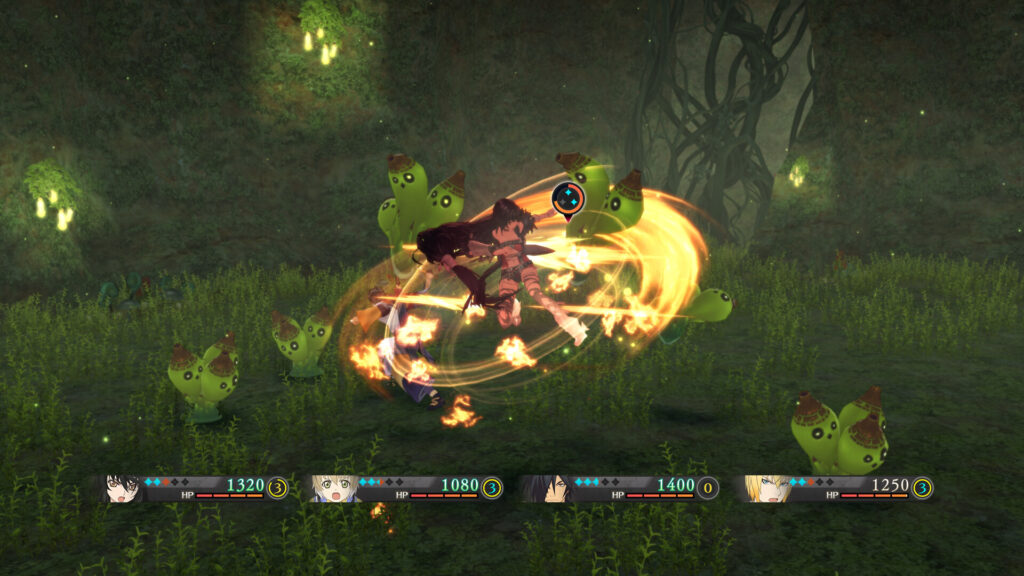
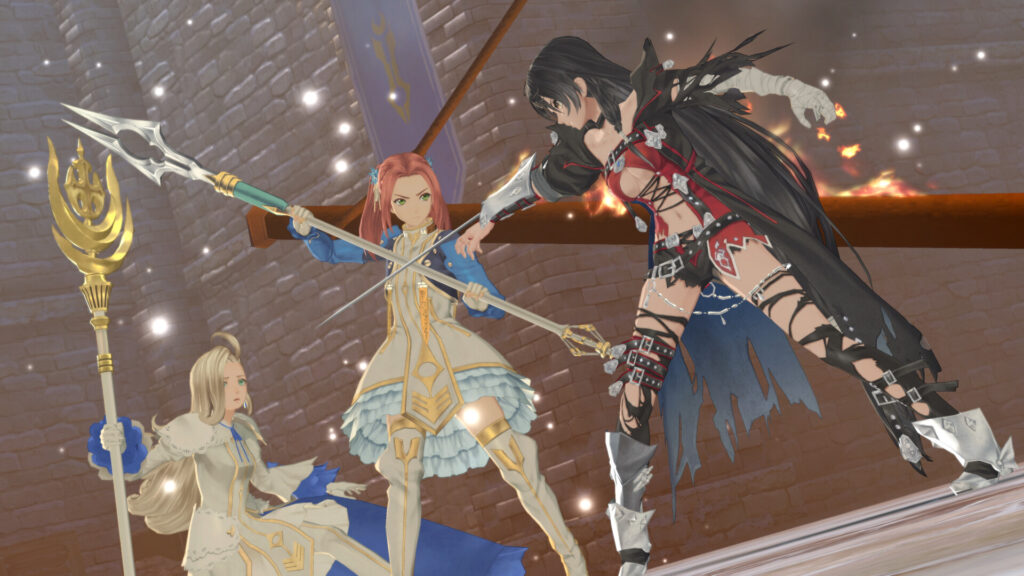
Velvet Crowe, an antiheroine driven entirely by revenge, is one of the most unforgettable characters the Tales series has ever produced. The 2016 original came back as a remaster on February 27, 2026, and now runs on Steam, PS4, PS5, Switch, and Xbox One—a massive accessibility upgrade.
That 95-point story score—the best in the series—is no exaggeration. The way the mystery of “who exactly is Abel, the Child of Light?” unravels chapter by chapter gives Berseria a narrative density that outclasses every other Tales game. Its role as a prequel to Zestiria is brilliantly handled too; play both and the depth of the shared world doubles.
One caveat: the Steam remaster sits at “Mixed (73%),” but most of the complaints boil down to “no Japanese voice track was added” and “the content is nearly identical to the original.” None of that touches the quality of the game itself—for first-time players it remains an easy recommendation.
- The series’ highest story score (95 points)
- The February 2026 remaster covers every current platform
- Shares a world with Zestiria—play both for double the payoff
- 73% Steam rating (gripes over the missing Japanese voice track)
- The remaster adds almost nothing new
No. 4: Tales of Graces f Remastered — “Style Shift” Combat So Fast Nothing Else Compares
| Ease of Play | Graphics | Story | Replay Value | Total Score |
|---|---|---|---|---|
| 88 | 78 | 82 | 92 | 340 |
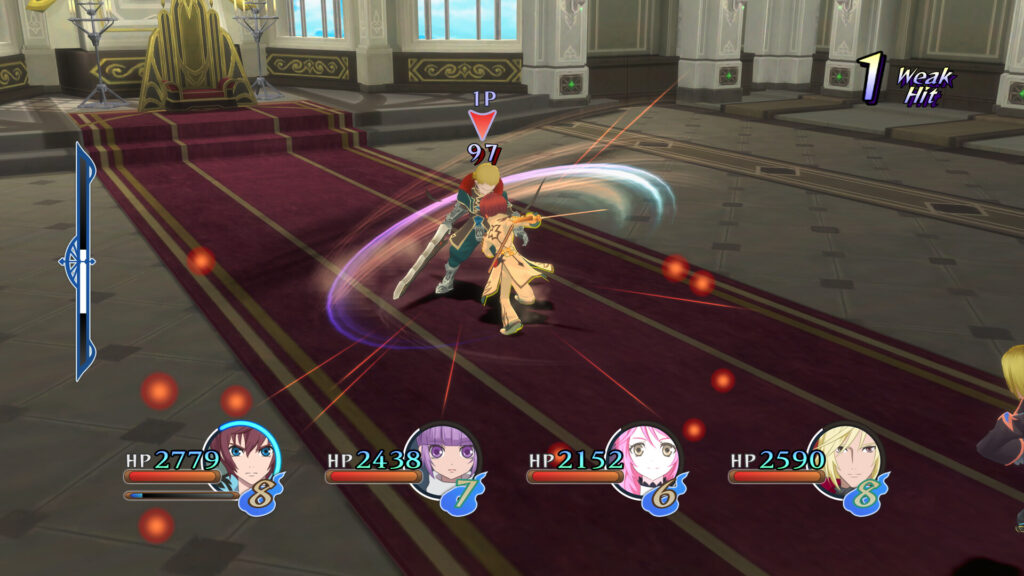
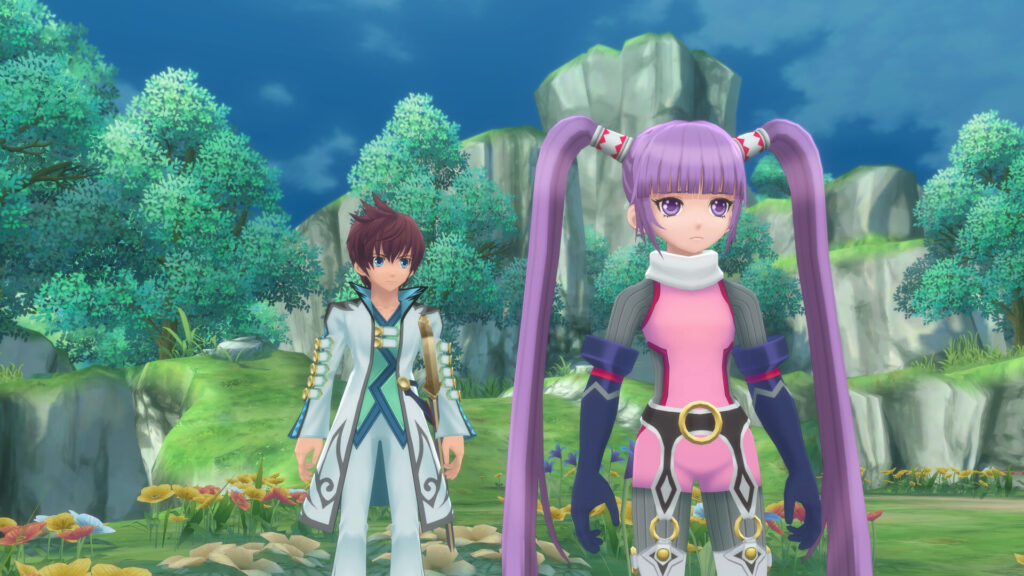
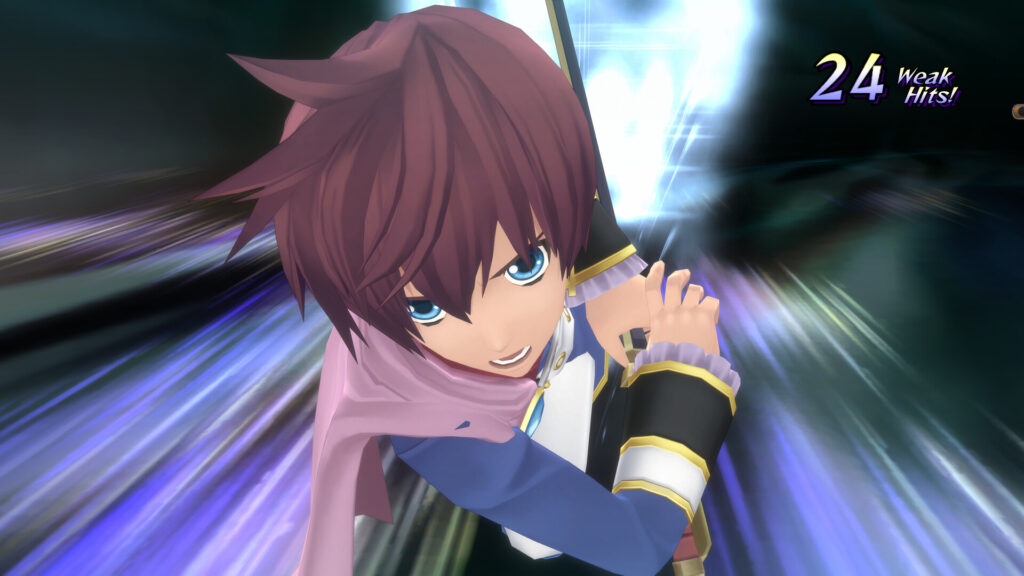
On the single axis of combat design, Graces f can stake a claim to the series crown. The “Style Shift” system, which lets you flip attack styles in an instant by swapping weapons, is so addictive that other Tales games start to feel sluggish once it clicks. A remaster arrived on Steam, PS4, PS5, Switch, and Xbox in January 2025, finally liberating a title that had long been treated as a lost PS3 exclusive.
Behind that 92-point replay value score sit the training system, title completion, the Gald shop, and “Future Arc,” Asbel’s dedicated bonus episode. Speaking from more than 100 hours logged in Graces f, its combat-focused endgame density rivals Vesperia’s—and arguably beats it.
The trade-off: the story centers on the bonds between its characters—pure shonen-manga territory—so anyone expecting a grand epic may come away wanting. But if the feel of combat is your top priority, this is a no-questions-asked contender for first place.
- Style Shift combat is the most addictive in the series
- January 2025 remaster covers all current platforms
- 92-point replay value, including the massive Future Arc
- The story leans on “bonds” and lacks epic sweep
- As a January 2025 release, the remaster has little sale history yet
No. 5: Tales of the Abyss — The Series’ Deepest Scenario: Watch Luke Grow
| Ease of Play | Graphics | Story | Replay Value | Total Score |
|---|---|---|---|---|
| 80 | 72 | 95 | 88 | 335 |
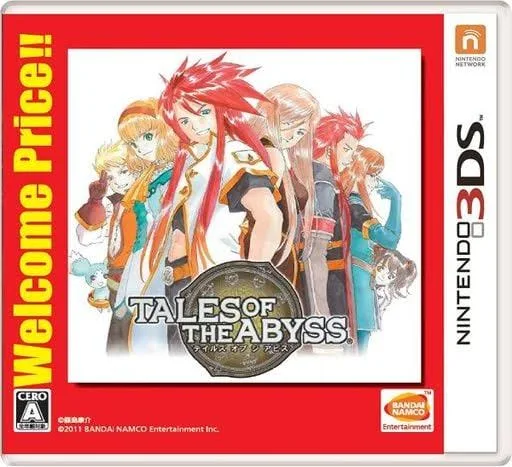
That 95-point story score ties Berseria for the best in the series. Built as “the tale of a hated protagonist becoming a true hero,” the game locks you in step with the growth of one man: Luke fon Fabre. “Luke is genuinely infuriating at first” is the universal opinion of everyone who has played it—and that is exactly why his transformation in the back half hits so hard.
The 2005 PS2 version is hard to track down these days, but the 3DS release exists and remains relatively easy to find secondhand (as of 2026, no remaster for Steam, PS4, or Switch has been announced). The fonon system’s arte customization and the difficulty design of its boss fights are among the richest in the series.
If “I want a game story that moves me” is what is pulling you toward the Tales series, the Abyss is non-negotiable. Just know it cannot match the remastered entries for modern convenience—this one is especially for those with a 3DS still in the drawer.
- 95-point story—Luke’s growth arc is the best in the series
- The 3DS version is still relatively easy to find used
- Deep arte customization via the fonon system
- No current-gen version (3DS or PS2 only)
- No Steam or Switch remaster announced as of 2026
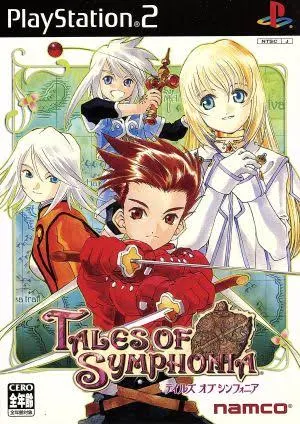
No. 6: Tales of Symphonia — From 2D to 3D: The Classic That Became the Series’ Turning Point
| Ease of Play | Graphics | Story | Replay Value | Total Score |
|---|---|---|---|---|
| 82 | 72 | 92 | 88 | 334 |
A worldwide smash on GameCube in 2003 and PS2 in 2004, Symphonia is the historic entry that lifted the Tales series to a whole new level. The grand premise of two parallel worlds and the Chosen’s journey—and the growth story of Lloyd and Colette—has not faded one bit.
It is currently available on Steam as a PC version (app/372360). But there is a catch—the “Tales of Symphonia Remastered” released in 2023 for Switch, PS4, and Xbox does not exist on Steam. The Steam release is the 2016 port of the original PC version, and its visual quality falls below the remaster. If ease of play matters most, the Switch remaster is the best option; if you want it on Steam, the older PC version is your choice.
The 92-point story score earns every point. The mid-game stretch where the world’s true nature comes to light made me shout “I’ve been had!” louder than any other scenario in the series. And the attachment you’ll form to Colette Brunel becomes a shared language among all Tales fans after playing.
- 92-point story—the classic that made the series a global hit
- On Steam, plus a 2023 Switch/PS4 remaster
- Colette Brunel is one of the series’ most beloved heroines
- The Steam version is the 2016 PC port, with lower image quality than the remaster
- The Switch remaster is not available on Steam
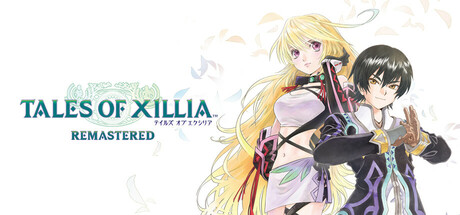
No. 7: Tales of Xillia Remastered — The PS3 Classic Finally Arrives on Current Hardware
| Ease of Play | Graphics | Story | Replay Value | Total Score |
|---|---|---|---|---|
| 85 | 80 | 85 | 80 | 330 |
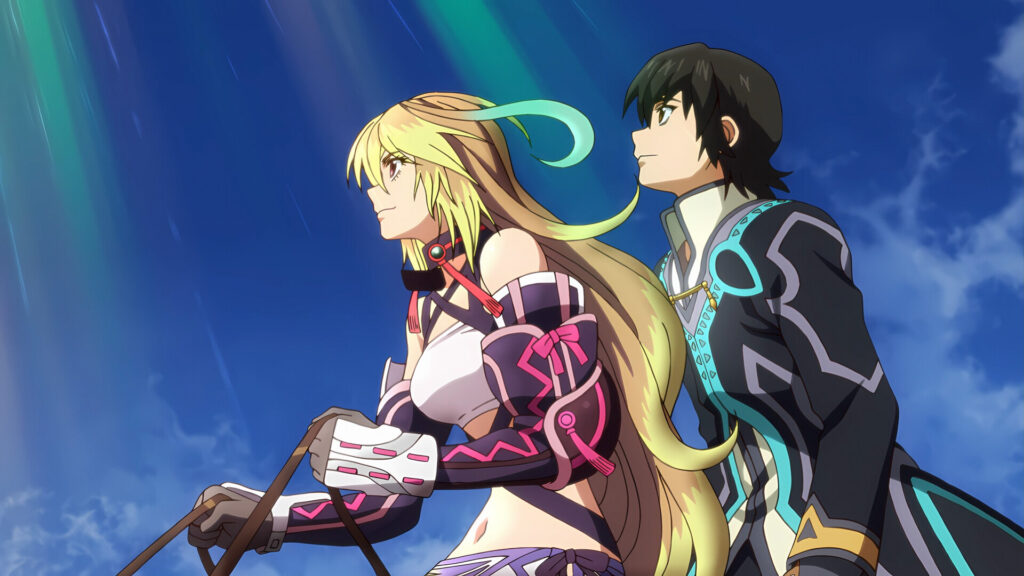
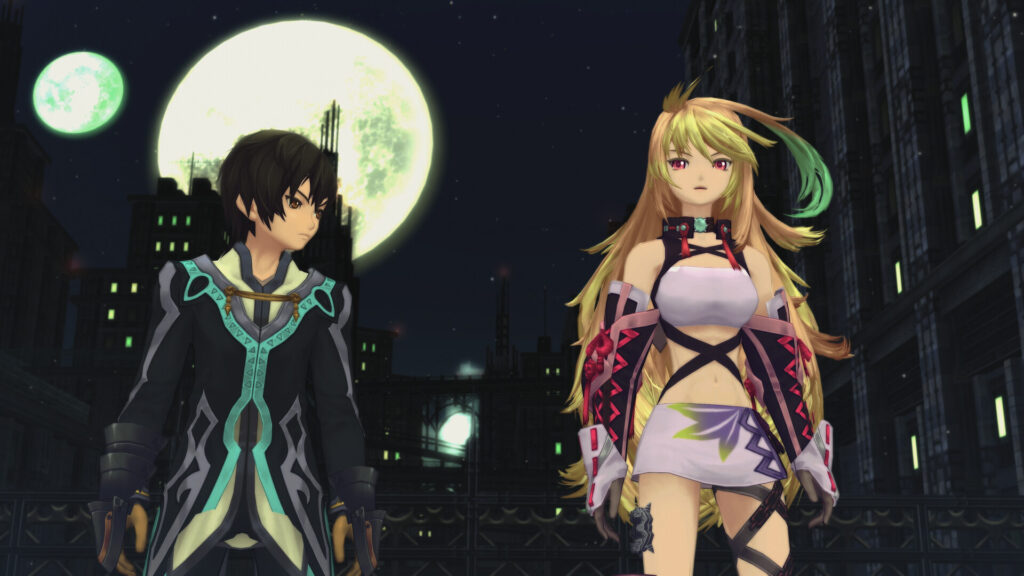
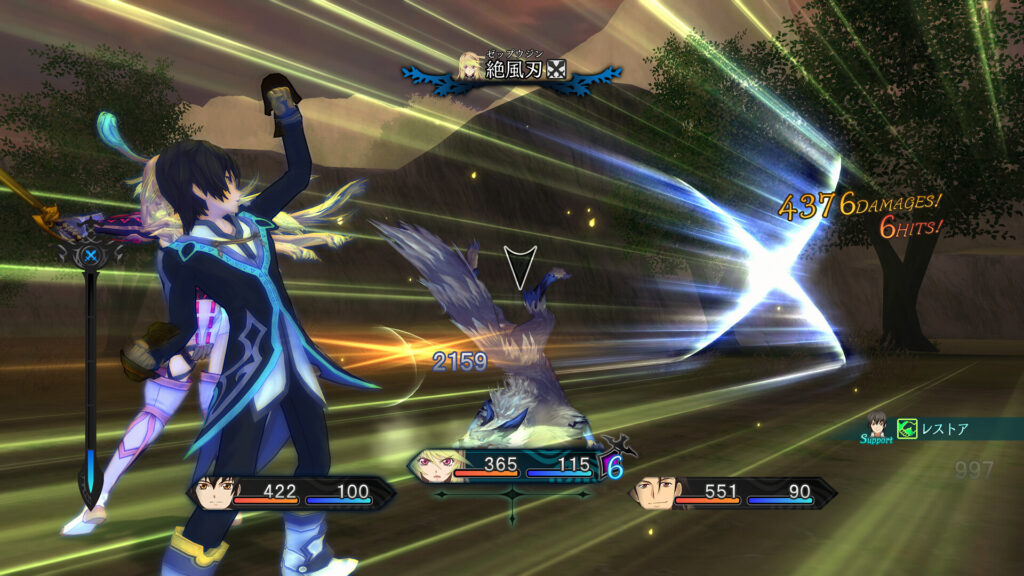
The 2011 PS3 original sold over a million copies in Japan—the best domestic sales in series history. Its dual-protagonist system, a series first that lets you choose between Jude and Milla, added real depth to the story through shifting perspectives. In October 2025 the remaster landed on Steam, PS4, PS5, Switch, and Xbox, finally making it playable on current hardware.
The Link system’s two-character tag-team combat balances action and strategy at a remarkably high level. Play Jude’s route after finishing Milla’s and the discoveries pile up—”so that’s what was going through their head back then”—sharpening the resolution of the whole narrative.
The 80-point graphics score reflects visuals that lag a bit behind modern standards, but the remaster’s resolution and frame-rate improvements preserve the 2011 atmosphere faithfully. Given its role as the prelude to Xillia 2, playing 1 then 2 back-to-back is the ideal path.
- October 2025 remaster covers Steam, PS4, and Switch
- Dual protagonists give it exceptional replayability
- The best-selling Tales game in Japanese series history
- Built as a set with Xillia 2, so it can feel slightly incomplete alone
- 80-point graphics fall a bit short of modern standards
No. 8: Tales of Xillia 2 — Heavy Themes and Branching Choices: The Peak of “Adult” Tales
| Ease of Play | Graphics | Story | Replay Value | Total Score |
|---|---|---|---|---|
| 78 | 75 | 82 | 85 | 320 |
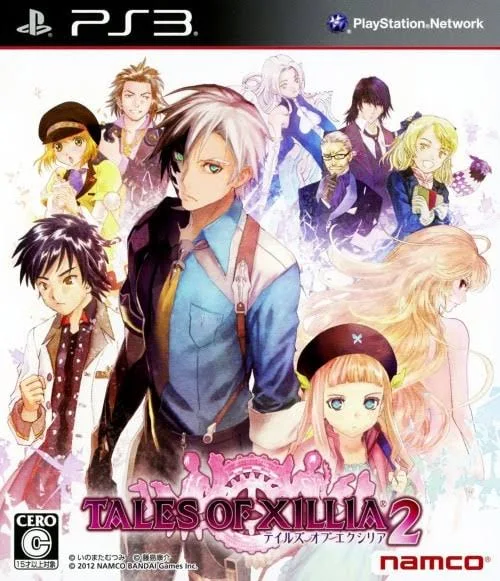
A direct sequel to Xillia, and home to one of the hardest-hitting scenarios in the entire series. Protagonist Ludger Will Kresnik is forced, again and again, into choices that decide whether his companions live or die. The more of Xillia 1 you have under your belt, the deeper that weight cuts.
For now it remains a PS3-only release (no remaster announced as of May 2026), so getting a copy takes some effort. With the Xillia 1 remaster landing so well, hopes for a Xillia 2 remaster are climbing—keep an eye out for news.
- A weighty scenario where your choices decide your allies’ fates
- Structured so the emotional payoff doubles if you’ve played Xillia 1
- PS3-only as of May 2026—no current-gen version
- Playing Xillia 1 first is practically a prerequisite
No. 9: Tales of Eternia — The Origin of the Grade System: A Gem of the PS1 Era
| Ease of Play | Graphics | Story | Replay Value | Total Score |
|---|---|---|---|---|
| 78 | 65 | 88 | 82 | 313 |
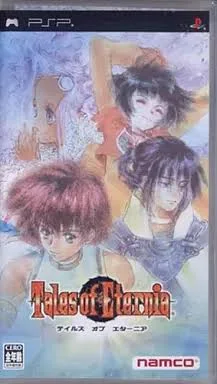
A 1999 PS1 title that still earned an 88-point story score. The sweeping, sci-fi-tinged scenario linking Reid, Farah, and the twin planets of “Meldian” and “Celestia” showed a structural ambition beyond the RPGs of its era. The system of spending Grade to power up New Game+ runs originated here and was inherited by every Tales game that followed.
Today it is available essentially only via PS Archives (as of May 2026), which means playing on PS3 or PSP—so modern convenience is low. But among series fans the consensus is clear: you cannot claim to have “played all of Tales” without playing this one.
- The origin of the Grade system, inherited by every later entry
- A sweeping scenario with cosmic sci-fi flavor (88-point story)
- PS Archives only (requires a PS3 or PSP)
- Not playable on current hardware (Switch, Steam, etc.)
No. 10: Tales of Zestiria — Divisive but Essential: The Bridge to Berseria
| Ease of Play | Graphics | Story | Replay Value | Total Score |
|---|---|---|---|---|
| 78 | 78 | 75 | 80 | 311 |
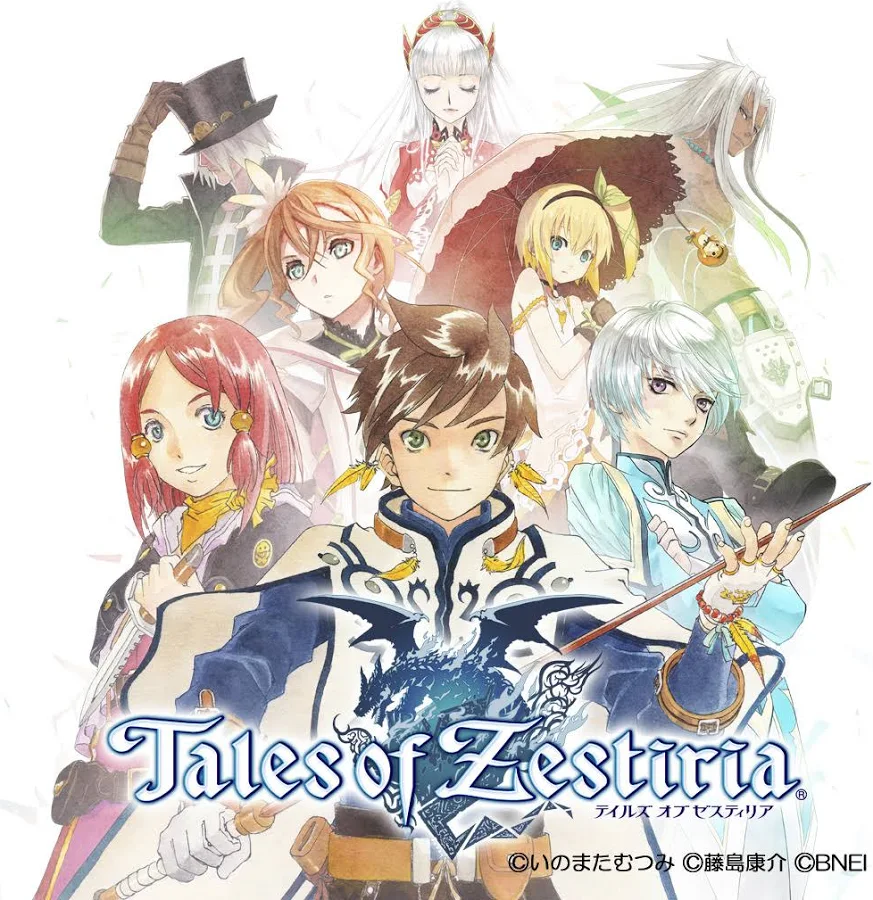
Zestiria splits opinion like few entries in the series. Protagonist Sorey’s coming-of-age story and the “malevolence” world-building are well regarded, while the handling of the late-game scenario and certain party members left plenty of fans frustrated. The Steam version carries a “Mixed” rating—yet the connection to Berseria’s world alone makes it well worth playing.
Touch Berseria after finishing Zestiria and your read on Abel’s true identity and Alisha’s circumstances changes completely. Treat the two as a deliberately designed pair and this game’s stock rises considerably. The Steam version is available for 3,520 yen (tax included).
- The Berseria connection makes both stories twice as deep
- Still easy to grab on Steam for 3,520 yen
- Steam reviews sit at “Mixed”
- Late-game scenario and character handling drew plenty of complaints
No. 11: Tales of Rebirth — A Hidden PS2 Masterpiece With the Series’ Hardest-Hitting Scenario
| Ease of Play | Graphics | Story | Replay Value | Total Score |
|---|---|---|---|---|
| 72 | 65 | 90 | 82 | 309 |
A 2004 PS2 release—and there is a reason it scored 90 points for story. It tackles discrimination, ethnicity, and the friction of bloodlines head-on, themes most RPGs would never dare touch, and protagonist Veigue’s inner conflict converges powerfully toward the finale. It stands among the most genuinely “adult” scenarios ever produced in a Japanese RPG.
Availability is the sticking point: it is PS2-only (the 3DS version was overseas-exclusive), and there is still no official remaster announcement even in 2026. It is worth dragging a secondhand PS2 out of the closet for.
- The most “adult” scenario in the series—discrimination and ethnicity themes (90-point story)
- The best pick if you want the series at its most hard-edged
- PS2 only—the 3DS version was overseas-exclusive and never released in Japan
- Not playable on current hardware (Switch, Steam, etc.)
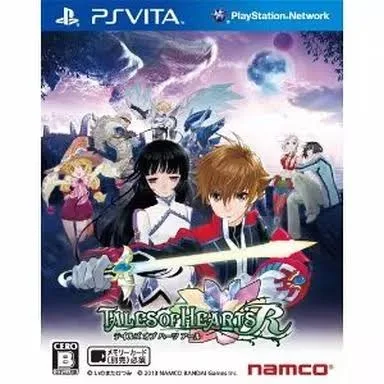
No. 12: Tales of Hearts R — A Gem About Emotion, Playable on Nintendo 3DS
| Ease of Play | Graphics | Story | Replay Value | Total Score |
|---|---|---|---|---|
| 75 | 68 | 85 | 78 | 306 |
Themed around “Soma”—the physical embodiment of emotion—Hearts R is a 3DS remake that completely overhauled the DS original’s systems. Its story of connecting hearts is still prized by fans chasing pure, uncomplicated emotional payoff. The 3DS version remains obtainable today, and among the series’ 2D-era titles it ranks near the top for ease of play.
The Heart Link combat system is simple on the surface yet surprisingly deep, and the post-game content is generous. A solidly built entry that is easy to recommend even to mid-level Tales fans.
- Still relatively easy to find on 3DS
- Compact scope makes it perfect for playing on the go
- Requires a 3DS—not playable on current hardware
- One of the smaller games in the series
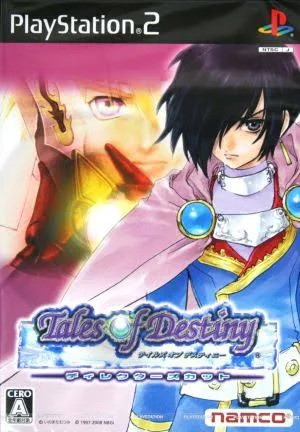
No. 13: Tales of Destiny Director’s Cut — The Ultimate PS2 Remake and the Perfected Form of the Series’ Roots
| Ease of Play | Graphics | Story | Replay Value | Total Score |
|---|---|---|---|---|
| 70 | 62 | 85 | 80 | 297 |
The Director’s Cut is the 2008 PS2 ground-up remake of the original 1997 PS1 Destiny. Its scenario of friendship and confrontation between protagonist Stahn Aileron and Leon Magnus is still talked about among series fans, and Stahn’s “I can take them all!!” battle cry remains one of the series’ signature catchphrases to this day.
It is a PS2 exclusive you cannot play on current hardware, but the game’s density holds up even now. For anyone tracing the series’ history, this is one every core fan should keep on the shelf.
- Stahn and Leon’s friendship and rivalry is an all-time series scenario
- Huge historical value as the perfected version of the series’ origin, Destiny
- PS2 exclusive—not playable on current hardware
- Carries the “Destiny” name but is a different game from the PS1 original
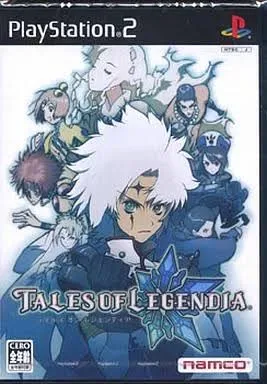
No. 14: Tales of Legendia — A Two-Part Oddity Built on Music and Emotion
| Ease of Play | Graphics | Story | Replay Value | Total Score |
|---|---|---|---|---|
| 70 | 65 | 85 | 72 | 292 |
Legendia is a 2006 PS2 title whose defining feature is its unusual two-part structure: a Main Scenario followed by Character Quests. Shiro Hamaguchi handled the score, and the soundtrack is rated among the very best in the series. The way the second part’s Character Quests circle back and pay off every thread planted in the first left everyone who played it floored.
It is also the game fans name most often when asked which Tales had the best music. Your only route today is a secondhand PS2, so the bar to entry is high—but if you are chasing an emotional experience, you will not regret it.
- Shiro Hamaguchi’s score is packed with the series’ finest tracks
- The two-part structure nails every payoff—deeply moving
- PS2 exclusive—no current-gen support
- Its one-off combat system divides opinion
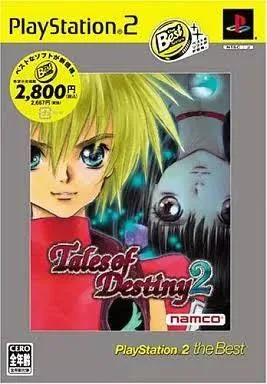
No. 15: Tales of Destiny 2 — The Biggest Game in the Series: A PS2 Heavyweight
| Ease of Play | Graphics | Story | Replay Value | Total Score |
|---|---|---|---|---|
| 70 | 62 | 82 | 75 | 289 |
A 2002 PS2 release and a direct sequel set 18 years after Destiny. The way the relationship between protagonist Kyle and Judas is revealed heading into the back half delivers one of the series’ great emotional climaxes. It is a genuine heavyweight, too—playthroughs topping 100 hours are the norm.
It assumes you have played the original Destiny, so it is not a starting point—but for players who know Stahn, it becomes something special. Today, a secondhand PS2 copy is the only way in.
- Kyle and Judas’s relationship converges brilliantly in the endgame
- The biggest volume in the series at 100+ hours
- PS2 exclusive—not playable on current hardware
- Playing the first Destiny is practically mandatory
No. 16: Tales of Innocence R — Reincarnation-Themed Tales in a Tidy 3DS Package
| Ease of Play | Graphics | Story | Replay Value | Total Score |
|---|---|---|---|---|
| 72 | 65 | 78 | 70 | 285 |
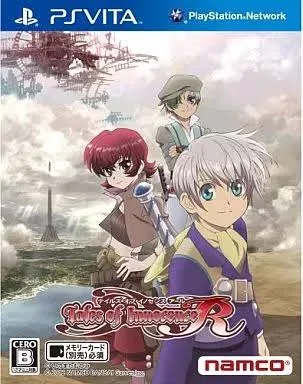
A 3DS remake of the DS original “Innocence,” built around a distinctive reincarnation theme. Its compact 30-to-40-hour runtime suits players who like to chip away at an RPG during their commute. The graphics are 3DS-grade, but the world-building and character designs are more than polished enough.
- A complete experience in a compact 30-40 hours
- Still obtainable on 3DS today
- Requires a 3DS—not playable on current hardware
- Systems differ significantly from the original DS version
No. 17: Tales of Phantasia — The Series’ Origin: Witness the Super Famicom Miracle
| Ease of Play | Graphics | Story | Replay Value | Total Score |
|---|---|---|---|---|
| 68 | 62 | 82 | 72 | 284 |
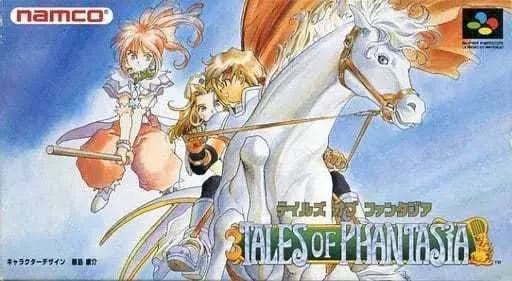
The 1995 Super Famicom title where it all began—and the game that shocked the industry of its day by featuring full voice acting. The time-traveling premise of hopping between past and future, and the journey of protagonists Cress and Mint, is still cherished as the series’ origin story among fans.
Today, GBA and PSP versions survive on the secondhand market, and an iOS version was available for a time (since delisted). It asks a lot of modern gamers in terms of playability, but if you are tracing the history of Tales, it is absolutely unmissable.
- The series’ origin—a historic title that changed the RPG industry with full voice acting
- GBA and PSP versions are still findable on the secondhand market
- The iOS version is delisted—GBA/PSP versions only
- A 1995 game, and it plays like one by modern standards
No. 18: Tales of Hearts (DS) — An Ambitious Release With Two Selectable Cutscene Versions
| Ease of Play | Graphics | Story | Replay Value | Total Score |
|---|---|---|---|---|
| 72 | 63 | 80 | 68 | 283 |
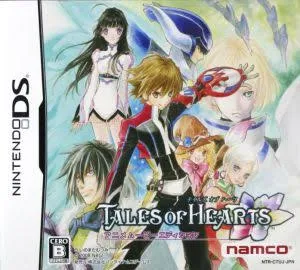
A 2008 DS title, and the original on which the 3DS remake Hearts R is based. It drew attention by launching in two simultaneous versions—an “anime movie” edition and a “CG movie” edition. The story skeleton is nearly identical to Hearts R, but the combat system and presentation have a DS-era flavor all their own, making this the one to recommend to fans who want the source material.
- A rare two-version release: choose anime or CG cutscenes
- Historical value as the original behind Hearts R
- Requires a DS—no current-gen version
- Hearts R on 3DS makes this a lower priority
No. 19: Tales of Symphonia: Dawn of the New World — The Wii Sequel, an Epilogue to Symphonia
| Ease of Play | Graphics | Story | Replay Value | Total Score |
|---|---|---|---|---|
| 68 | 68 | 65 | 75 | 276 |
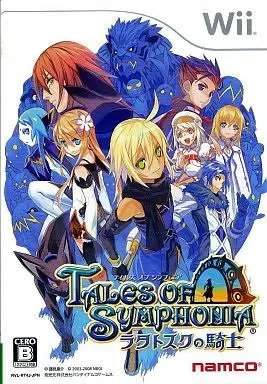
A 2007 Wii title and a direct sequel set roughly two years after Symphonia. The Symphonia cast appears in supporting roles, but the scenario for new leads Emil and Marta rates lower than the original. Even so, for anyone who loves Symphonia, the sheer joy of “getting to return to that world” more than pays for the ticket. The biggest hurdle: you will need a secondhand Wii.
- An epilogue that reunites you with the Symphonia cast
- A special experience for Symphonia devotees
- Requires a Wii—not playable on current hardware
- The story rates below the original Symphonia

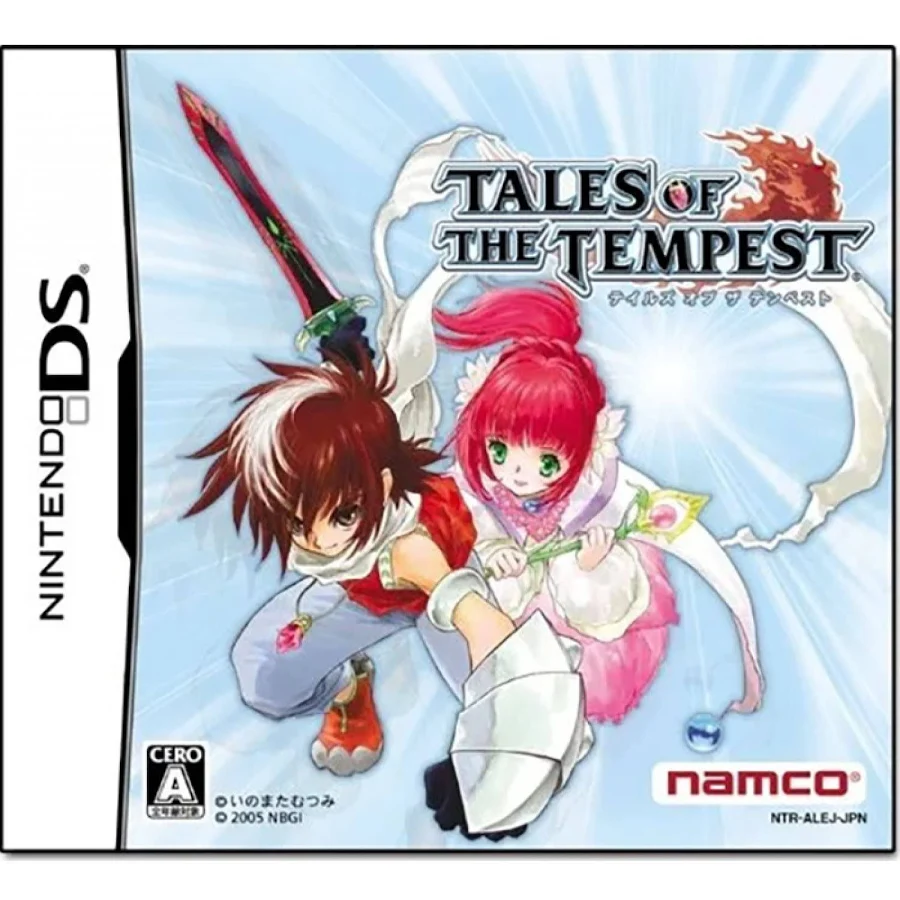
No. 20: Tales of the Tempest — Historic as the First DS Tales, but Rough Around the Edges
| Ease of Play | Graphics | Story | Replay Value | Total Score |
|---|---|---|---|---|
| 60 | 55 | 48 | 55 | 218 |
A 2006 DS release and the series’ first original title built for a handheld. Its historical significance is real, but at roughly 15 hours the playtime is remarkably short, and the story never rises above prequel-flavored side material—so the overall polish falls short. Call it one for collectors determined to conquer the entire Tales catalog. And to be clear: ranking it 20th means it is the lowest priority in the series, not a condemnation of Tempest itself.
- Historic significance as the series’ first original handheld title
- Real value for complete-the-series collectors
- Extremely short at roughly 15 hours of playtime
- The least polished entry in the series
Which Tales Game Should Beginners Start With?
If you are touching the Tales series for the very first time, it is a two-horse race: 2021’s Tales of Arise or 2019’s Vesperia Definitive Edition. A self-contained, standalone story with no required homework from earlier games is the key condition for a beginner-friendly pick.
- Graphics and a modern feel: Tales of Arise (Steam, PS4/PS5, Switch, Xbox)
- Want the series’ masterpiece: Vesperia Definitive Edition (3,520 yen list price on Steam, deep discounts during sales)
- Story-first, and emotionally braced: Tales of Berseria Remastered (2,990 yen on Steam)
- Action and endgame above all: Tales of Graces f Remastered (2,990 yen on Steam)
Arise, Vesperia, and Berseria each tell fully independent stories, so any of them works as a starting point. For linked pairs—Xillia 1 into 2, or Symphonia into Dawn of the New World—we recommend playing in release order.
Tales Series Current-Platform Availability at a Glance (as of May 2026)
Here is a rundown of which entries you can play on Steam, PS4/PS5, Switch, and Xbox One. With the remaster wave still rolling, more titles may well join this list—worth keeping an eye on.
| Title | Steam | PS4/PS5 | Switch | Notes |
|---|---|---|---|---|
| Tales of Arise | ○ | ○ | ○ | Released 2021 |
| Tales of Vesperia DE | ○ | ○ | ○ | Released 2019 |
| Tales of Berseria Remastered | ○ | ○ | ○ | Remastered February 2026 |
| Tales of Graces f Remastered | ○ | ○ | ○ | Remastered January 2025 |
| Tales of Xillia Remastered | ○ | ○ | ○ | Remastered October 2025 |
| Tales of Symphonia (PC version) | ○ | — | — | Steam version is the 2016 PC port |
| Tales of Symphonia Remastered | — | ○ | ○ | 2023 remaster (no Steam version) |
| Tales of Zestiria | ○ | ○ | — | Released 2015 |
| Tales of the Abyss | — | — | — | PS2 and 3DS versions only |
| Others (Rebirth and below) | — | — | — | Legacy hardware only |

Enjoying this article? Add us as a preferred source on Google.
Final Thoughts: The Top 20 Tales Games, Ranked
What makes 30-plus years of Tales so fascinating is how cleanly each entry sorts into a camp—story-driven, action-driven, or built for the endgame grind. Vesperia DE at No. 1 stands apart for its balance and sheer completeness; if you have never touched the series, start there without a second thought. No. 2 Arise pulls in modern gamers with its graphics and exhilarating pace, while No. 3 Berseria comes straight for your tear ducts with its scenario. Anything in the top five is a no-regret pick. And with the recent remaster rush putting Graces f and Xillia 1 on current hardware, there have never been more on-ramps into the series.
It is perfectly fine to choose your Tales by its characters. Found a protagonist who intrigues you? Start right there—it is the best way in.
Read Next
Snicker Kitamura


Leave a Reply