
Enjoying this article? Add us as a preferred source on Google.
- A full comparison chart scoring all 10 titles across four categories, out of 100 points each
- From the latest HD-2D remakes to legendary classics — the very best Dragon Quest games you can play in 2026
- Where should newcomers start? Clear, no-nonsense guidance for first-time players
- A “how to choose” guide by series line — Erdrick trilogy, Zenithian trilogy, and the standalone era
- A FAQ section answering the most common questions about the series
Do you remember the first time you heard the words “Dragon Quest”? Japan’s so-called national RPG has been the beating heart of the country’s gaming culture for nearly 40 years, ever since its birth in 1986. You’re hailed as a hero, you gather companions, you slay the Demon Lord — that simple skeleton hasn’t changed. But the flesh on those bones is astonishingly different from one game to the next.
The SpotGeeks editorial team scored 10 titles from the mainline Dragon Quest series — every one of them playable in 2026 — across four categories: Ease of Play, Graphics, Story, and Replay Value. We limited the field to games you can actually buy and play today on current platforms like Switch, Steam, and smartphones, weighing both the emotional pull of each scenario and the game design that keeps you coming back.
“I’ve never touched the series — where do I start?” “I want to come back after years away — can I catch up?” We answer those questions head-on. Check the score chart, find the category you care about most, and go discover the best Dragon Quest of your life.
All 10 Dragon Quest Games Scored and Compared
We scored every game on four axes: Ease of Play, Graphics, Story, and Replay Value. For Graphics, we judged the version you can play today (HD-2D remakes, smartphone ports, and so on) rather than the original release. Don’t just look at the total — pick your winner based on the category that matters most to you.
| Title | Ease of Play | Graphics | Story | Replay Value | Total Score |
|---|---|---|---|---|---|
| DQ11 S: Echoes of an Elusive Age | 93 | 90 | 88 | 92 | 363 |
| DQ7 Reimagined | 80 | 90 | 90 | 98 | 358 |
| DQ3 HD-2D Remake | 90 | 95 | 82 | 88 | 355 |
| DQ8: Journey of the Cursed King | 82 | 78 | 90 | 88 | 338 |
| DQ5: Hand of the Heavenly Bride | 80 | 68 | 98 | 85 | 331 |
| DQ1&2 HD-2D Remake | 85 | 93 | 72 | 75 | 325 |
| DQ10 Online | 68 | 82 | 80 | 95 | 325 |
| DQ4: Chapters of the Chosen | 82 | 72 | 88 | 80 | 322 |
| DQ9: Sentinels of the Starry Skies | 78 | 65 | 82 | 92 | 317 |
| DQ6: Realms of Revelation | 75 | 68 | 82 | 85 | 310 |
Our No. 1, DQ11 S, scores 93 for Ease of Play — I’ll say it outright: this is the finest entry point the series has ever produced. No. 2, DQ7 Reimagined, takes a double crown with 98 for Replay Value and 90 for Story, making it the Dragon Quest you can sink the most hours into in 2026. The highest Graphics score goes to DQ3 HD-2D at 95 — its gorgeous HD-2D visuals top the entire field. And DQ5, with its 98 for Story, lives up to the “Heavenly Bride” name: a scenario that spans an entire lifetime, and the finest ever written for the series.
Platforms, CERO Ratings, and Purchase Formats at a Glance
Scores are only half the story — “can I even play it on my setup?” matters just as much before you buy. Here’s a rundown of CERO ratings, platforms, online requirements, purchase formats, and Steam availability.
| Title | CERO | Platforms | Online | Format | On Steam |
|---|---|---|---|---|---|
| DQ11 S: Echoes of an Elusive Age | A (All Ages) | Switch / Steam / PS4 / Xbox One / 3DS | No (offline only) | Physical & digital | Yes |
| DQ7 Reimagined | A (All Ages) | Switch / Switch 2 / PS5 / Steam | No (offline only) | Physical & digital | Yes |
| DQ3 HD-2D Remake | A (All Ages) | Switch / PS5 / Steam | No (offline only) | Physical & digital | Yes |
| DQ8: Journey of the Cursed King | A (All Ages) | iOS / Android | No (offline only) | Digital only | No |
| DQ5: Hand of the Heavenly Bride | A (All Ages) | iOS / Android | No (offline only) | Digital only | No |
| DQ1&2 HD-2D Remake | A (All Ages) | Switch / Switch 2 / Steam | No (offline only) | Physical & digital | Yes |
| DQ10 Online | A (All Ages) | Switch / Steam / PS4 / Wii U / 3DS | Required (MMO) | Digital only (partly free) | Yes |
| DQ4: Chapters of the Chosen | A (All Ages) | iOS / Android | No (offline only) | Digital only | No |
| DQ9: Sentinels of the Starry Skies | A (All Ages) | Nintendo DS (secondhand only) | No (local Tag Mode only) | Physical only (secondhand) | No |
| DQ6: Realms of Revelation | A (All Ages) | iOS / Android | No (offline only) | Digital only | No |
Every mainline Dragon Quest carries a CERO A (All Ages) rating — family-friendly gaming is a series tradition. Five titles are available on Steam: DQ11 S, DQ7 Reimagined, DQ3 HD-2D, DQ1&2 HD-2D, and DQ10 Online, so PC players will be choosing from those five. Note that DQ4, 5, 6, and 8 are smartphone-only releases — you can’t play them on console or PC.
Where Are the Best Prices? Amazon vs. Rakuten vs. Steam
For the four titles with physical releases in circulation, we compared price ranges across the major online retailers. Retail prices shift daily, so treat these as reference ranges as of July 2026.
| Title | Amazon (approx.) | Rakuten (approx.) | Steam Price |
|---|---|---|---|
| DQ11 S (Switch budget reprint) | From around 4,500 yen | From around 4,800 yen | 5,478 yen (list price) |
| DQ7 Reimagined (Switch) | From around 7,100 yen | Bonus editions only; prices fluctuate | 8,778 yen (list price) |
| DQ3 HD-2D Remake (Switch) | From around 5,800 yen | From around 6,900 yen | 7,678 yen (list price) |
| DQ1&2 HD-2D Remake (Switch) | From around 6,800 yen | From around 6,900 yen | 7,678 yen (list price) |
DQ4, DQ5, DQ6, and DQ8 are sold exclusively through the App Store and Google Play, so prices are uniform nationwide (DQ8: 2,800 yen, DQ5: 1,800 yen, DQ4: 1,220 yen, DQ6: 1,220 yen) with no variation between retailers. DQ9 exists only as a secondhand Nintendo DS cartridge; used prices on Amazon and Rakuten marketplaces range from roughly 3,000 to 6,000 yen depending on condition, so check individual listings before buying.
No. 1: DQ11 S — Echoes of an Elusive Age | The Most Accessible Entry Ever Made, and 2026’s Strongest Starting Point
| Ease of Play | Graphics | Story | Replay Value | Total Score |
|---|---|---|---|---|
| 93 | 90 | 88 | 92 | 363 |
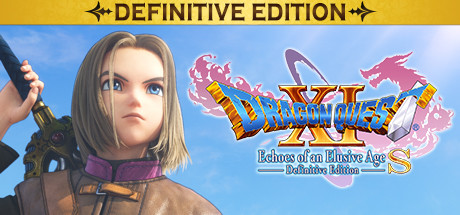
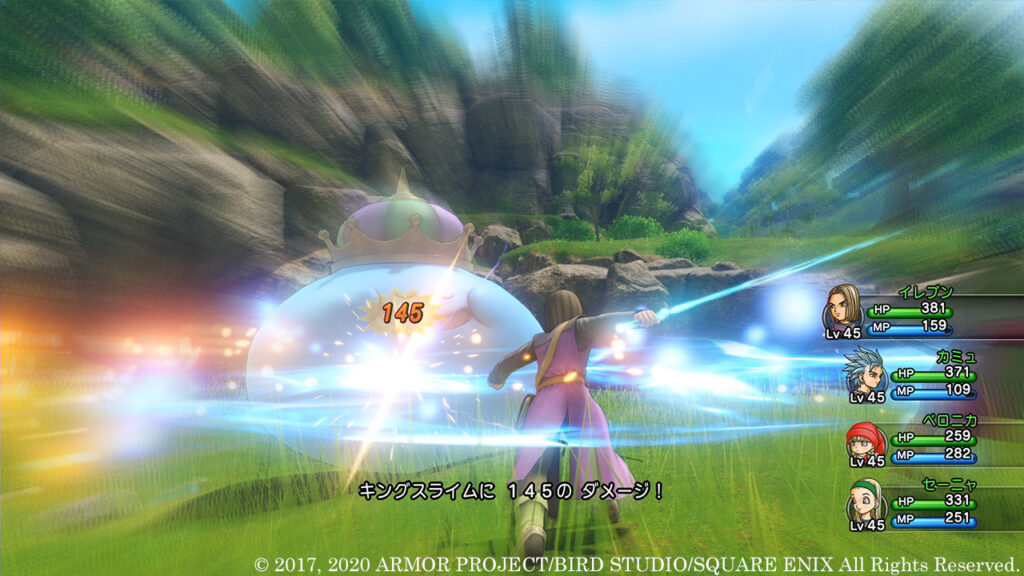
Dragon Quest XI S: Echoes of an Elusive Age is one of the easiest entries in the series to pick up — the Steam version (normally 5,478 yen) goes on sale regularly. Released in 2019 (Switch) and 2020 (Steam), this is Square Enix’s grand summation, deliberately designed as “the first Dragon Quest for people who have never played Dragon Quest.” On Steam it holds a “Very Positive” rating at 86% across more than 9,900 reviews (as of May 2026).
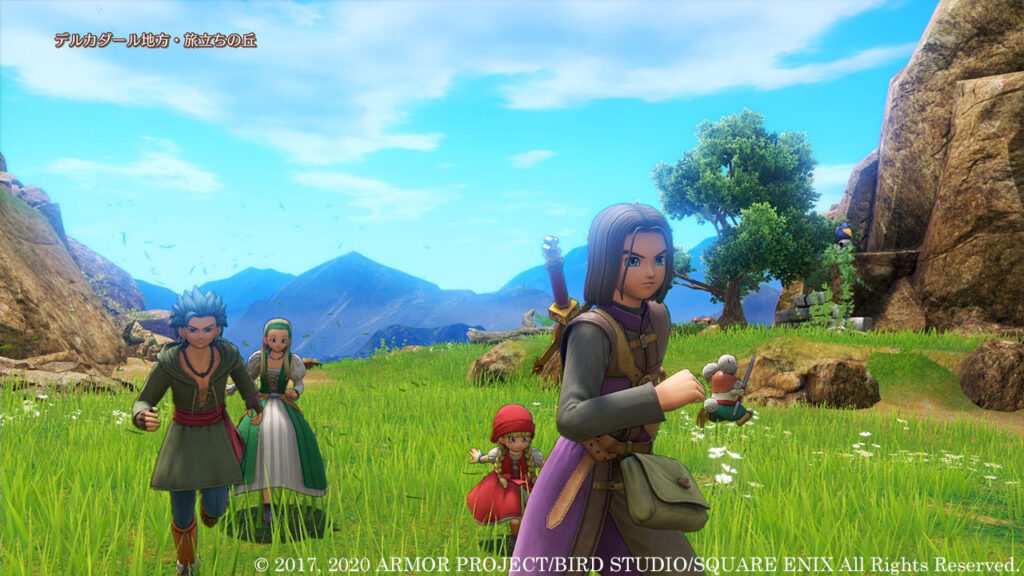
That 93 for Ease of Play comes down to relentlessly player-friendly design. AI-controlled party tactics that let your companions fight for themselves, difficulty-tuning Draconian Quest settings, forgiving item management — every piece is built to demolish the old “classic Dragon Quest looks too hard” prejudice. The Nintendo Switch version even includes a nostalgic 2D mode, letting you flip freely between HD 3D and retro 2D presentation.
The story follows the classic arc — a hero shouldering the fate of the world sets out on a journey — but it takes a dramatic turn from the midpoint onward, delivering one emotional gut-punch after another. There’s over 100 hours of content, plus a meaty post-game episode. If the question is “if you could pick only one Dragon Quest, which would it be?”, DQ11 S remains the front-runner in 2026.
- Newcomer-proof design with AI-assisted battles and adjustable difficulty — you will not get lost
- Easy to play on current hardware via Switch and Steam, with deep discounts during Steam sales
- 100-plus hours of content and a substantial post-game episode keep it going for the long haul
- The 5,478 yen list price is on the higher side (same for both Switch and Steam versions)
- Only the Switch version includes the retro 2D mode, so specs differ slightly from the Steam version
No. 2: DQ7 Reimagined | A Double Crown — 98 for Replay Value, 90 for Story. 2026’s Brand-New Remake Resurrects an Epic Journey
| Ease of Play | Graphics | Story | Replay Value | Total Score |
|---|---|---|---|---|
| 80 | 90 | 90 | 98 | 358 |
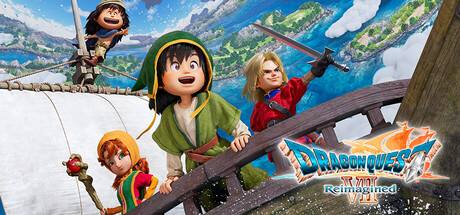
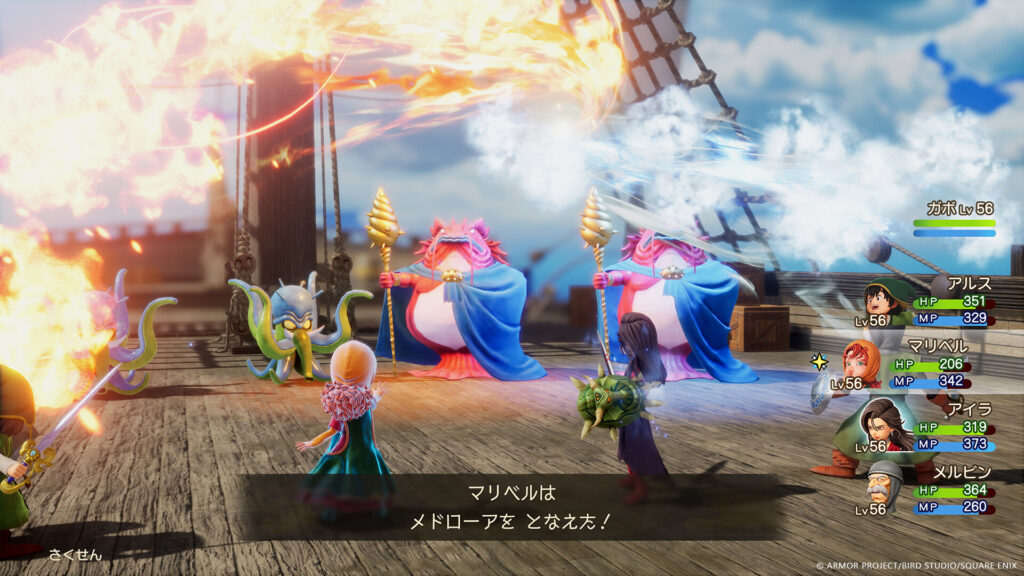
Dragon Quest VII Reimagined is the newest remake in the series, released February 5, 2026 for Nintendo Switch and PC (Steam). After years stuck in handheld-only limbo following the 1988 PlayStation original, DQ7 has been completely reborn with a distinctive diorama-style look. It’s 8,778 yen (tax included) on both Switch and Steam, and it boasts one of the biggest playtimes in the entire series (as of May 2026).
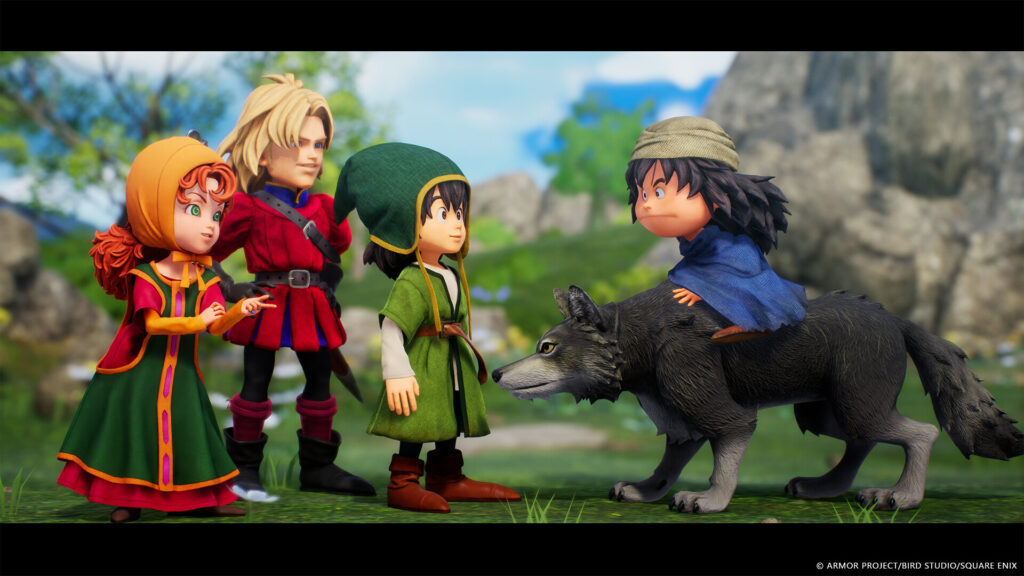
Its 98 for Replay Value is the highest score in this entire ranking. Many players report the main scenario alone crossing 100 hours, and the omnibus structure — unlocking stone tablet fragments to travel into the worlds of the past — makes you feel like a witness to history. DQ7 once had a reputation for being “so long I gave up in the opening hours,” but Reimagined dramatically tightens the early pacing. Each episode unlocked through the tablet system works as a self-contained short story, and more than a few of them will leave you in tears.
Its Story score of 90 also ranks near the top of the series, backing up the long-standing fan claim that “the Dragon Quest that makes you cry hardest is 7.” It’s the only title that combines the freshness of a February 2026 release with the largest scale in series history. That’s exactly why we’re pushing DQ7 Reimagined at No. 2 as the one Dragon Quest to play this year.
- The latest remake, released February 2026, with fully overhauled visuals and early-game pacing
- The longest game in the series (100-plus hours for the main story alone) and a 98 for Replay Value
- Omnibus episodes work as standalone short stories, delivering emotional payoffs again and again
- At 8,778 yen it sits at the top of the series price range, with few sales as of May 2026
- The tablet-unlock system can leave you unsure of your next destination early on
No. 3: Dragon Quest III HD-2D Remake | Graphics: 95. A 36-Year-Old Legend, Gorgeously Reborn
| Ease of Play | Graphics | Story | Replay Value | Total Score |
|---|---|---|---|---|
| 90 | 95 | 82 | 88 | 355 |
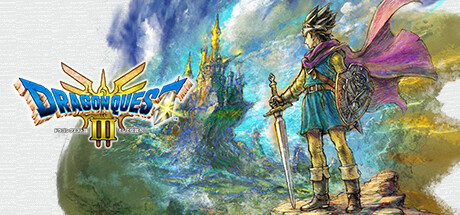
Dragon Quest III HD-2D Remake launched in November 2024 on Switch, PS5, and Steam (the Steam version following on 11/15), and posted one of the strongest launches of any Square Enix title in Steam history. Metacritic scores stand at 88 for the PC version and 85 for PS5 (as of May 2026). Thirty-six years after the 1988 Famicom original, the HD-2D technology perfected in Octopath Traveler has given the world of Dragon Quest a stunning second life.
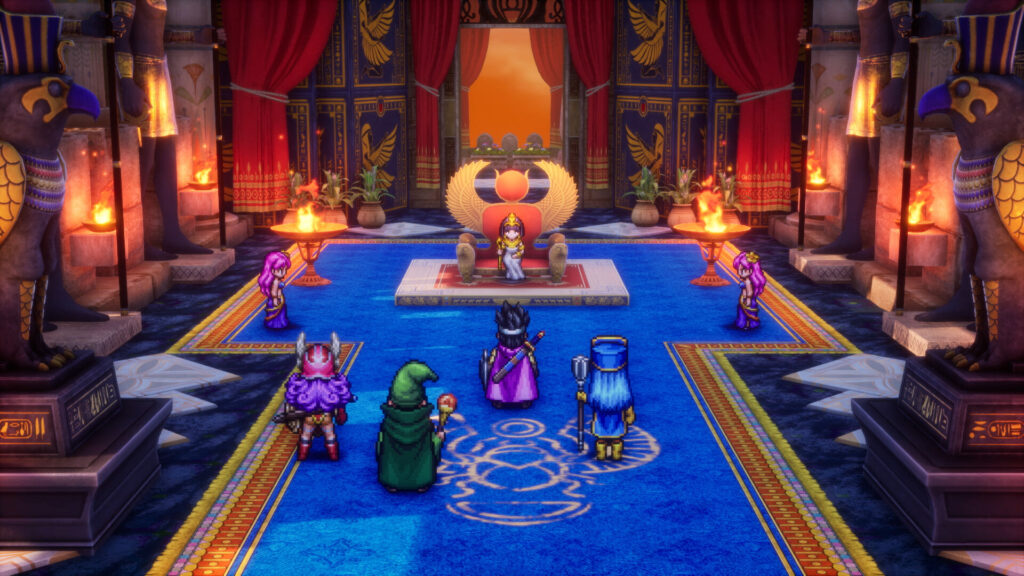
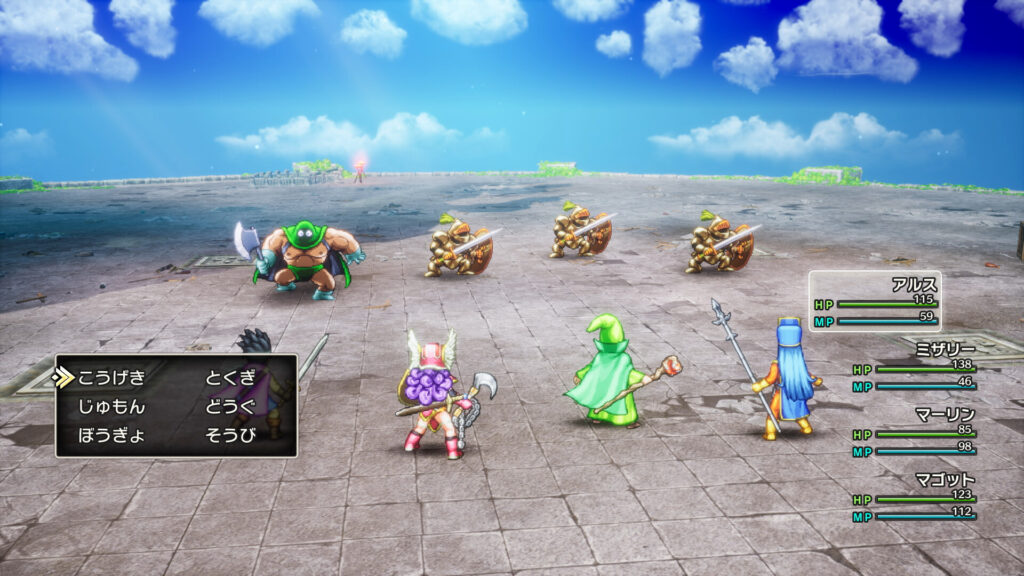
Its 95 for Graphics is the highest of all 10 games in this ranking. HD-2D fuses the nostalgia of pixel art with the depth of 3D CG, rendering the town of Aliahan and the desert regions with breathtaking conviction. For anyone who played the original as a kid, seeing that world made this beautiful hits with a very particular kind of emotion. A new Monster Wrangler vocation and select story revisions keep it fresh even for veterans.
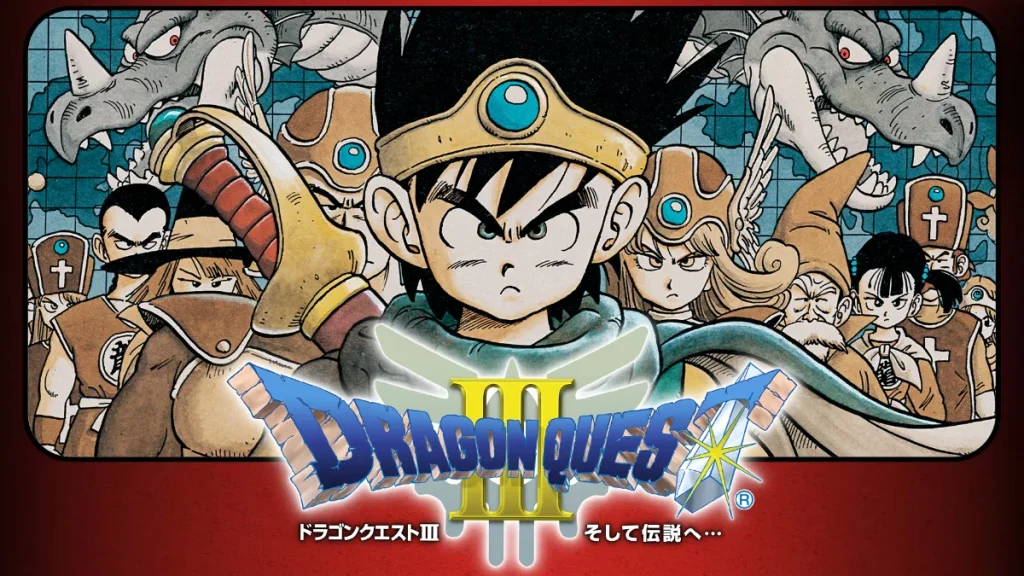
It’s priced at 7,678 yen (tax included) on both Switch and Steam, with an Erdrick Trilogy bundle including DQ1&2 (12,760 yen) as another option. Dragon Quest III answers the question “what does it mean to be a hero?” — and re-stages that answer, 38 years later, with the finest visuals the series has ever had. Play it and you’ll understand exactly why the original was subtitled “And Into the Legend…”.
- Graphics score of 95 — the best of all 10 titles, with the series’ most gorgeous HD-2D visuals
- Available on Switch, PS5, and Steam — every major current platform is covered
- The Erdrick Trilogy bundle with DQ1&2 (12,760 yen) is great value if you buy the set
- At 7,678 yen it’s fairly pricey, and sales are still rare this soon after release
- It stays faithful to the original in places, and that old-school challenge won’t suit everyone
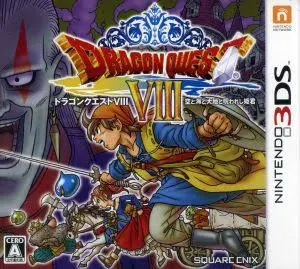
No. 4: Dragon Quest VIII — Journey of the Cursed King | Story: 90. The Best Traveling Companions in the Series
| Ease of Play | Graphics | Story | Replay Value | Total Score |
|---|---|---|---|---|
| 82 | 78 | 90 | 88 | 338 |
Dragon Quest VIII launched on PS2 in 2004 and has sold more than 5.6 million copies worldwide. Today it’s playable via the iOS/Android version (2,800 yen). True to its Japanese subtitle — “of the sky, the sea, the earth, and the cursed princess” — its design of roaming a vast 3D open field with your companions was the cutting edge of the PS2 era.
Its Story score of 90 is second only to DQ5 in the series. The banter between the hero and Yangus, the mage Jessica, and the templar knight Angelo plays out like a road movie. The two-tiered villain structure — Dhoulmagus giving way to Rhapthorne — is meticulously built, and the run to the ending is among the most exhilarating in the series. The Alchemy Pot’s item-crafting adds its own peculiar joy on top.
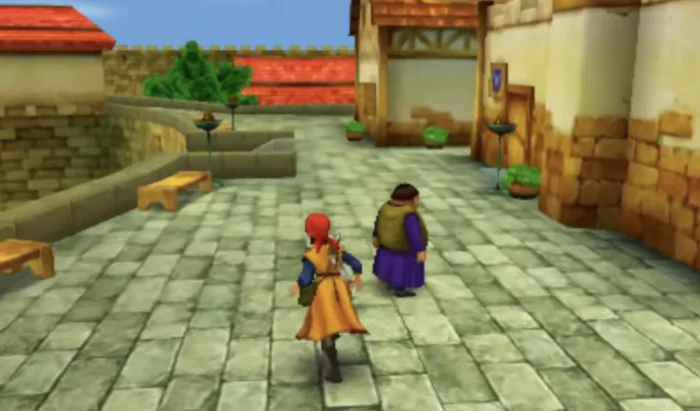
Be aware that the smartphone version simplifies the graphics somewhat, but the soul of the game is intact. As the purest distillation of Dragon Quest’s core appeal — the feeling of setting out on a journey, the bond with your party — its No. 4 placement is rock solid. And at 2,800 yen on iOS/Android, it’s an easy purchase to justify.
- Outstanding value at 2,800 yen on iOS/Android — a full epic in your pocket
- Party banter (Yangus, Jessica, Angelo) that ranks among the very best in the series
- The Alchemy Pot’s item crafting is uniquely addictive and fuels your urge to explore
- The smartphone version’s graphics are somewhat pared down from the PS2 original
- No port exists for Switch, PC, or other current consoles — smartphone is the only way to play
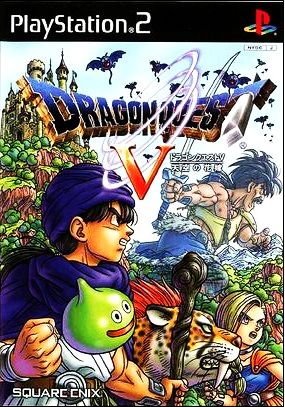
No. 5: Dragon Quest V — Hand of the Heavenly Bride | A Miraculous 98 for Story. A Whole Lifetime in One Unforgettable Game
| Ease of Play | Graphics | Story | Replay Value | Total Score |
|---|---|---|---|---|
| 80 | 68 | 98 | 85 | 331 |
Dragon Quest V: Hand of the Heavenly Bride was released for the Super Famicom in 1992 and is playable today via the iOS/Android version (1,800 yen). Its design is fundamentally unlike any other Dragon Quest — the story begins in the hero’s childhood and follows him through youth and into adulthood, letting you live out an entire lifetime. A Graphics score of 68 is undeniably dated by 2026 standards, but the 98 for Story more than makes up the difference.
The heart of that 98 is the “father as protagonist” design. You choose a bride (Nera or Bianca), a child is born, and that child grows up to carry the journey forward — the moment an RPG first delivered a “story of family” that outshines any romance game’s emotional peak. The devastating twist that hits mid-game has produced an endless stream of players who call it “the game that made me cry hardest in my life.”
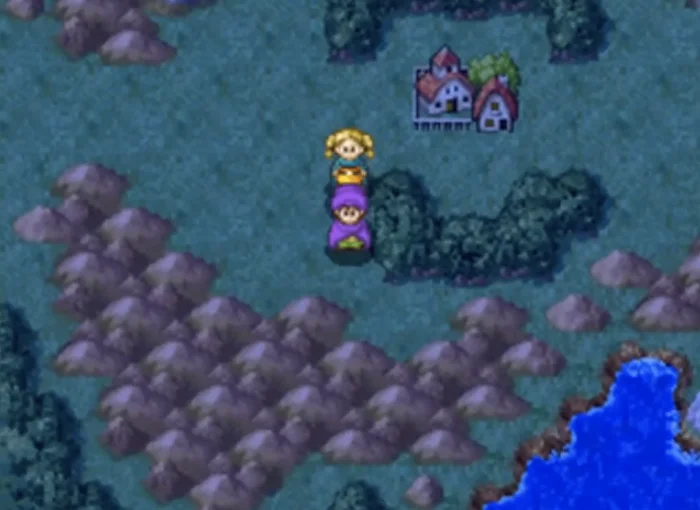
The smartphone version plays comfortably with touch controls, and sales sometimes drop it to around 1,200 yen. Ask fans “if you could only pick one Dragon Quest,” and the number who answer DQ5 comes down to the sheer craftsmanship of this scenario. If you can live with the dated visuals, I’ll say it plainly: this is the most moving experience the series has to offer.
If you truly ground through the Super Famicom version of DQ5, there’s no avoiding the legendary “Hitoshi Konomi” trick. The name comes from the first kana of six items — the cypress stick, pointed bone, hat of happiness, club, saw blade, and evasion garb — which together spell out “hi-to-shi-ko-no-mi” in Japanese. Equip the hero with exactly these and only these, and a famous bug makes every attack a critical hit while guaranteeing that defeated monsters join your party. There was another gem, too: prepare two of the same monster, drop the one you want to level with the monster-minding old man, then immediately take it back — the experience calculation glitches out and it gains levels off a single battle. Both tricks were gospel in the strategy guides and playground whisper networks of the day. I’d wager plenty of you tried them after a friend spilled the secret.
- Story score of 98, the series’ best — a scenario spanning childhood to adulthood that nothing else matches
- A bargain at 1,800 yen on iOS/Android, sometimes dropping to around 1,200 yen on sale
- The bride choice (Bianca or Nera) makes a second playthrough a genuinely different experience
- The visuals are Super Famicom-era and show their age (hence the Graphics score of 68)
- Smartphone-only, so there’s no high-definition console version to play
No. 6: Dragon Quest I & II HD-2D Remake | Graphics: 93. Experience the Series’ Origins Through Modern Eyes
| Ease of Play | Graphics | Story | Replay Value | Total Score |
|---|---|---|---|---|
| 85 | 93 | 72 | 75 | 325 |
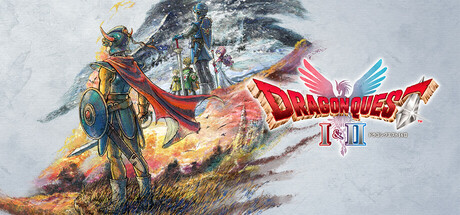
Dragon Quest I & II HD-2D Remake launched October 30, 2025 on Switch, PS5, and Steam (Steam a day later), priced at 7,678 yen (tax included). Following DQ3 HD-2D as the next installment of the Erdrick trilogy project, it bundles both games in a single package. The Erdrick Trilogy bundle pairing it with DQ3 HD-2D (12,760 yen) is also available.
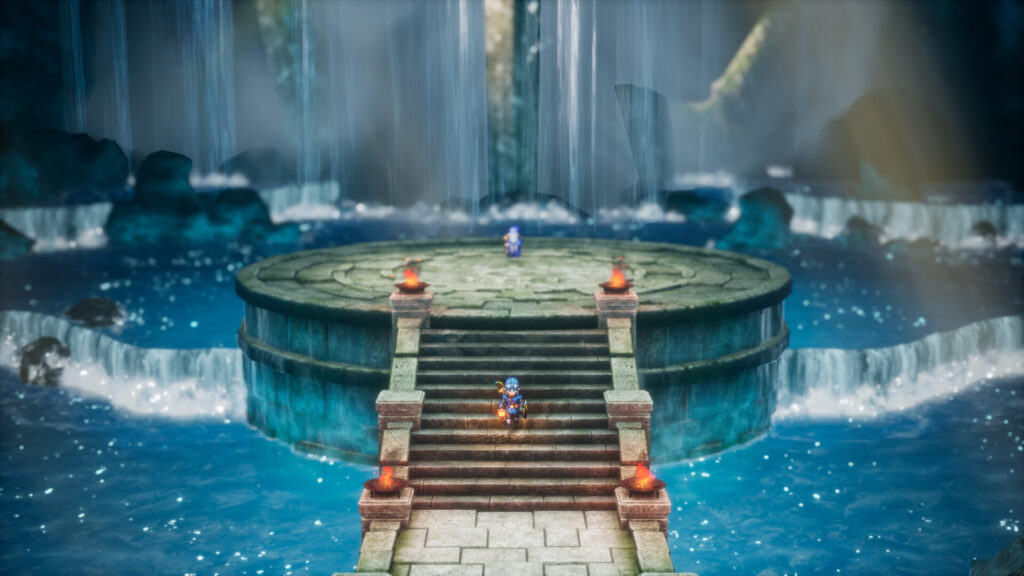
The Graphics score of 93 ranks second only to DQ3 HD-2D, and the sight of the 1986 and 1987 Famicom originals rebuilt in HD-2D is overwhelming. Watching DQ1’s world unfold from Tantegel Castle, you catch yourself thinking, “was it always this beautiful?” DQ2 is a direct sequel starring the descendants of DQ1’s hero, a tale of three companions out to save the world.
Story at 72 and Replay Value at 75 inevitably lag behind modern standards, but the value of experiencing the origin point of the RPG genre transcends any number. Touring the series in reverse chronology — DQ11 S, then DQ3 HD-2D, then DQ1&2 HD-2D — is the kind of playthrough Dragon Quest fans will be talking about for years.
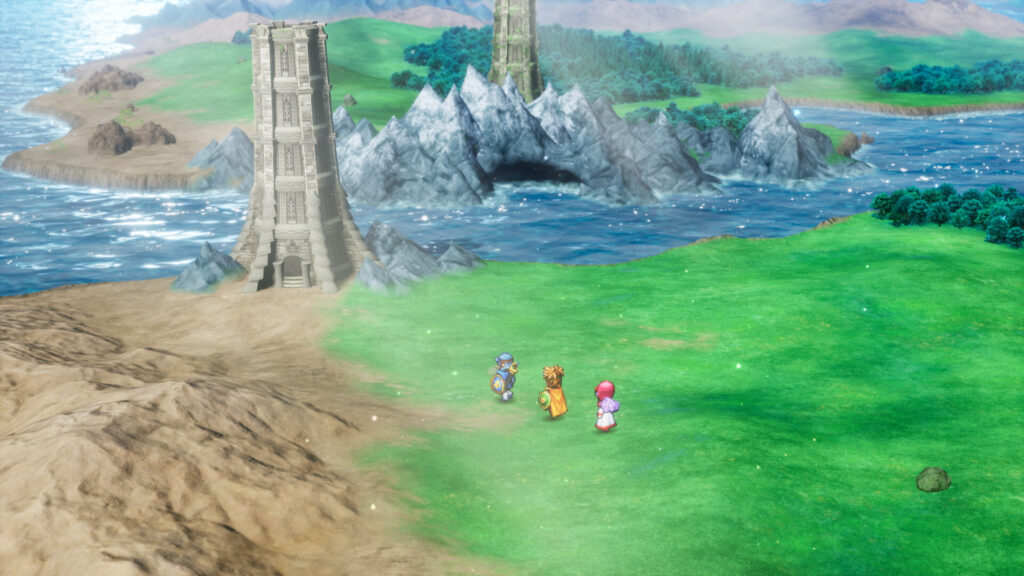
Anyone from the Famicom DQ1/DQ2 generation got burned at least once by the “Spell of Restoration” — the password system that stood in for saving. You copied a long string of kana onto paper, then re-entered it character by character the next time you booted up. The trouble was that “ki” and “sa,” or “ha” and “ho,” were genuinely indistinguishable in sloppy handwriting, and with the fuzzy analog picture of a CRT television, mistaking “nu” for “me” could wipe out everything — a tragedy that was anything but rare. Worse, only three of the password’s five lines fit on screen at once, and asking to hear it again generated a completely different password. Pure sadism by design. The HD-2D remake has full autosave, so younger players will never know that particular flavor of terror — count your blessings.
- Graphics score of 93 — 1986’s DQ1 and 1987’s DQ2 bundled together in gorgeous HD-2D
- The series’ origin story in one package, and a perfect on-ramp to DQ3 HD-2D
- The Erdrick Trilogy bundle with DQ3 HD-2D (12,760 yen) lets you grab everything at once
- Compared with modern RPGs, the thin story and light endgame are hard to deny
- 7,678 yen for the two-game set can feel steep relative to the total playtime
No. 7: Dragon Quest X Online | Replay Value: 95. The Series’ One and Only MMO, Still Thriving After a Decade
| Ease of Play | Graphics | Story | Replay Value | Total Score |
|---|---|---|---|---|
| 68 | 82 | 80 | 95 | 325 |
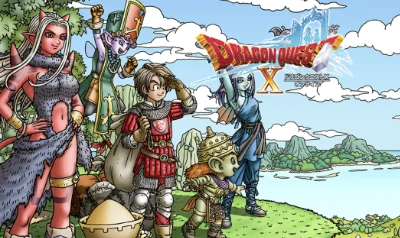
Dragon Quest X Online, released for the Wii in 2012, is the series’ only MMORPG — and in 2026 it’s still receiving updates on the road to version 8.0. It’s playable on Switch and PC (Steam). A subscription of 660 yen a month (tax included) is required, but versions 1 through 3 can be played entirely free under its free-to-start structure.
The reason behind its 95 for Replay Value — among the highest in this ranking — is simple: 14 years of accumulated content. Some estimates put the main story alone at over 500 hours, and every seasonal version update keeps adding new chapters. A Dragon Quest that never ends is an experience only an MMO can deliver.
The 68 for Ease of Play is an honest grade: the sheer amount an MMO asks you to learn, plus the loneliness of playing without friends, make for a real beginner’s wall. But since it’s free to start, my advice is to simply play version 1 at no cost and see how it feels. As an MMORPG it’s among the best Japan has produced, and if what you want is to actually live inside the world of Dragon Quest, nothing else comes close.
- Versions 1 through 3 are free to play, so you can try before committing a single yen
- 14 years of content plus new story every season — the Dragon Quest that never ends
- Co-op play with other adventurers delivers a companionship no solo RPG can
- Serious play requires an ongoing subscription of 660 yen a month (tax included)
- The MMO learning curve is steep — approaching it like a solo RPG will be rough going
No. 8: Dragon Quest IV — Chapters of the Chosen | The Five-Chapter Revolution. Dragon Quest’s First Ensemble Drama
| Ease of Play | Graphics | Story | Replay Value | Total Score |
|---|---|---|---|---|
| 82 | 72 | 88 | 80 | 322 |
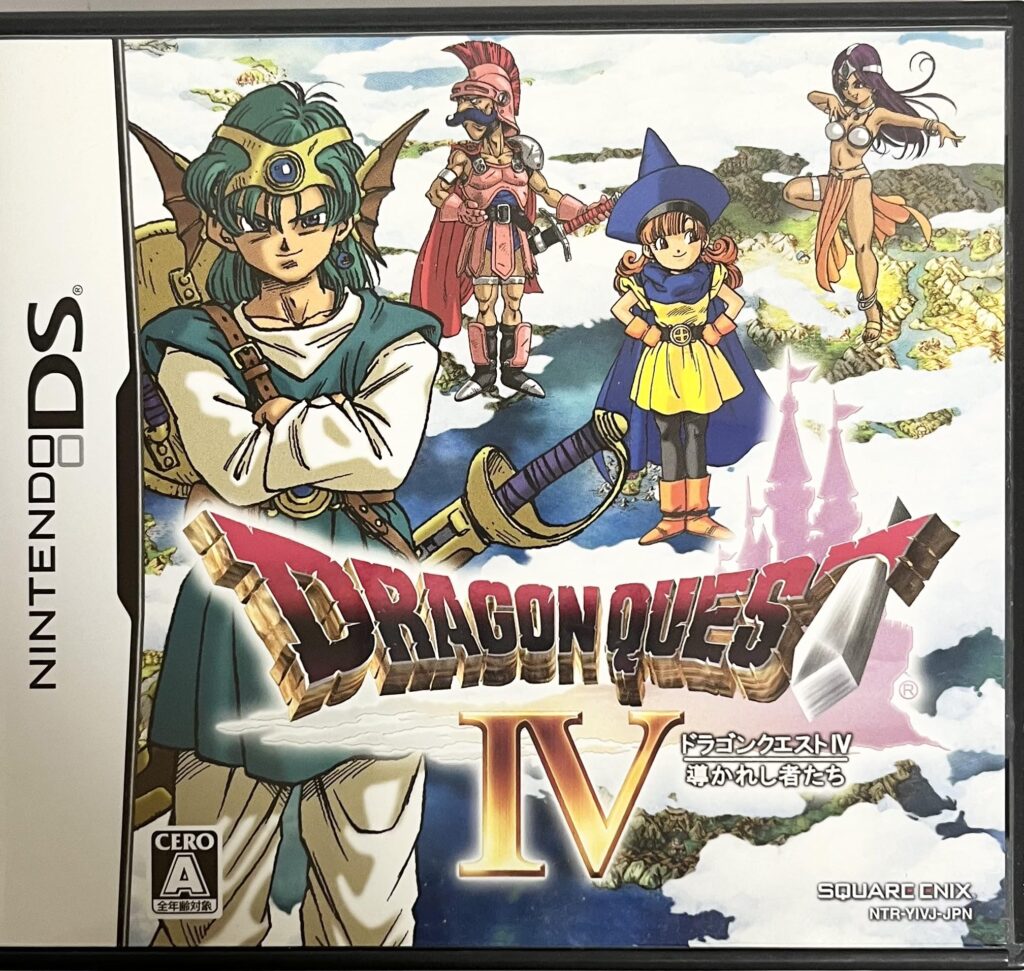
Dragon Quest IV arrived on the Famicom in 1990 and is playable today via the iOS/Android version (1,220 yen). As the subtitle “Chapters of the Chosen” suggests, the story splits into five chapters, each following a different protagonist. The emotional payoff when everyone finally unites in Chapter 5 comes from an ensemble structure that was flat-out revolutionary at the time.
The Story score of 88 is carried especially by Chapter 2 (Alena, Kiryl, and Borya) and Chapter 5 (the hero’s perspective). Psaro’s portrayal as a tragic villain gains even more depth in the sixth chapter added in the DS version. Characters like the sisters Maya and Meena, the merchant Torneko, and the princess Alena remain beloved more than 30 years on.
The smartphone version costs an approachable 1,220 yen and plays smoothly with touch controls. The “every chapter starts fresh” design still feels novel today, and the moment the full party assembles in Chapter 5 stands among the greatest set pieces in the history of Japanese RPGs.
You can’t talk about the Famicom DQ4 casino without the infamous “838861 coin bug.” Enter a purchase of exactly 838,861 tokens and the game charges you — no joke — just 4 gold. The Famicom couldn’t correctly compute token counts beyond 2^24 (1,677,716), so the price calculation overflowed and wrapped around. The trick was so famous that even children’s magazines like CoroCoro Comic printed it without a hint of shame. And if you also remember holding START, SELECT, and B on the poker betting screen to view your past results, congratulations — you were unmistakably one of the hardcore. The exploit has been patched out of every remake, so anyone playing today will have to earn their tokens the honest way.
- At 1,220 yen on iOS/Android, it’s in the cheapest tier of the entire series
- Five-chapter ensemble structure gives you a completely different protagonist’s story in each act
- Alena, Torneko, Maya, and the rest are characters you can’t help growing attached to
- The graphics are dated by modern standards, with a strongly retro feel
- The road to Chapter 5 is long, and some players find the early chapters slow going
No. 9: Dragon Quest IX — Sentinels of the Starry Skies | Replay Value: 92. The DS Legend That Sold 4.5 Million Copies
| Ease of Play | Graphics | Story | Replay Value | Total Score |
|---|---|---|---|---|
| 78 | 65 | 82 | 92 | 317 |
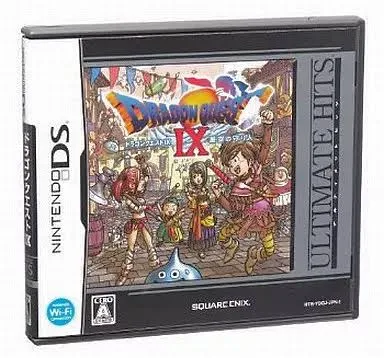
Dragon Quest IX launched on the Nintendo DS in 2009 and sold 4.5 million copies in Japan — the most of any entry in the series. Today it can only be played on secondhand DS hardware and cartridges, and fans are still waiting for a modern port. The 65 for Graphics reflects the hard limits of DS hardware, but the depth of its gameplay and endgame is the real deal.
The 92 for Replay Value comes chiefly from the grotto system of treasure maps. Randomly generated dungeons you could explore for literally hundreds of hours were a revolutionary proposition for a DS game. Its character creator — letting you build a full party of four from scratch — was rare for the era, and journeying with “your own party” felt genuinely fresh. The DS Tag Mode multiplayer left its own generation of memories, too.
Because it’s so hard to play on current hardware in 2026, it lands at No. 9. But its fanbase remains fiercely loyal, and the chorus of “give us a DQ9 remake” never quiets down. This is the kind of classic that’s worth hunting down a used DS to experience.
- Treasure-map grottoes offer hundreds of hours of dungeon crawling — top-tier replay value for the series
- Create up to four custom characters and adventure with a party that’s entirely your own
- DS Tag Mode multiplayer is a one-of-a-kind memory for anyone who was there
- No modern port exists — you’ll need to source a used DS console and cartridge yourself
- Secondhand prices for the DS cartridge are trending upward, making the cost unpredictable
No. 10: Dragon Quest VI — Realms of Revelation | A World Split Between Dream and Reality. Replay Value: 85 with Deep Vocation Mastery
| Ease of Play | Graphics | Story | Replay Value | Total Score |
|---|---|---|---|---|
| 75 | 68 | 82 | 85 | 310 |
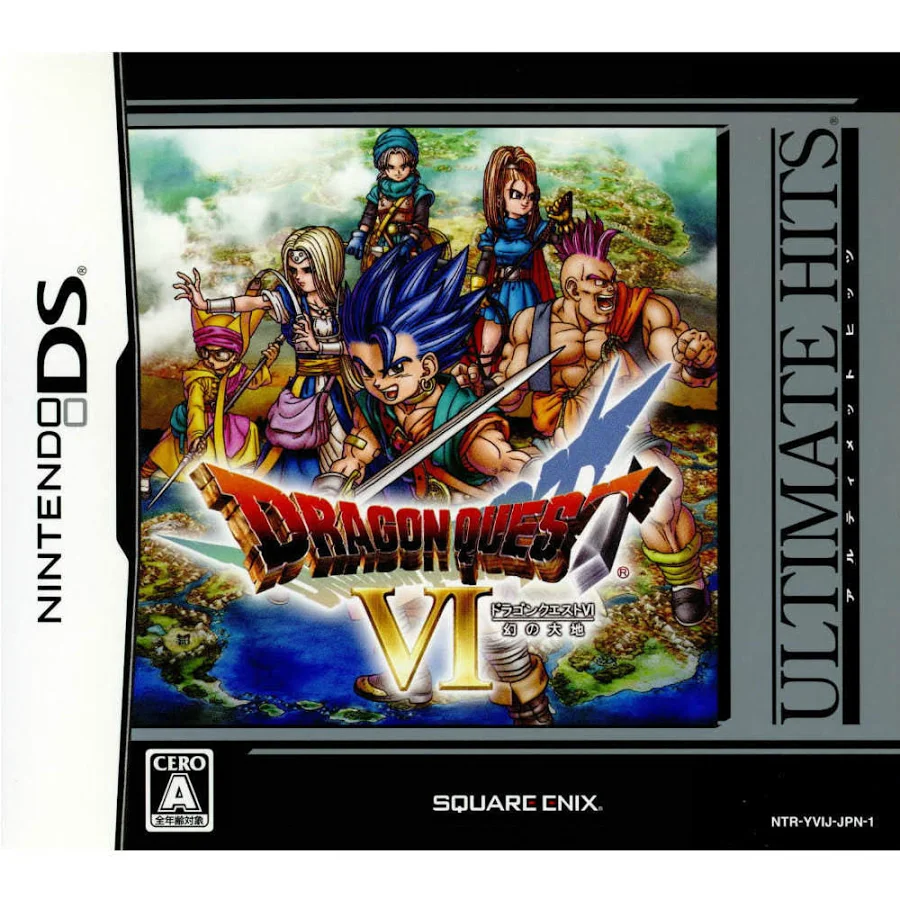
Dragon Quest VI, released for the Super Famicom in 1995, is the finale of the Zenithian trilogy (DQ4, 5, and 6) and is playable today via the iOS/Android version (1,220 yen). True to its dream-world theme, the story unfolds across a dual-world structure where you cross back and forth between the dream world and reality. A protagonist chasing the question “who am I, really?” gives the Zenithian trilogy a suitably philosophical send-off.
The 85 for Replay Value rests on its rich vocation system. Evolving DQ3’s class-change concept into full vocation mastery, it lets you customize your party endlessly in pursuit of the strongest build. Colorful companions like Ruff, Ashlynn, and Terry join one after another, and party composition becomes a genuine puzzle to chew on.
The 75 for Ease of Play reflects one issue: the story’s on-ramp is confusing. You start in the dream world with no idea who you are, and plenty of players struggle to find their bearings early on. But play it as the capstone of the Zenithian trilogy after DQ4 and DQ5, and a deeply resonant experience awaits.
- Great value at 1,220 yen on iOS/Android, and deeply satisfying as the Zenithian trilogy’s finale (DQ4, then 5, then 6)
- A rich vocation mastery system with deep party-optimization grinding
- Playing DQ4 and DQ5 first maximizes the trilogy’s payoffs and emotional weight
- The unusual opening leaves many players unsure of their goal or direction early on
- Graphics are Super Famicom-grade, and even on smartphone their age is undeniable
How to Pick the Right Dragon Quest for You: A Guide by Series Line and Platform
Even after reading through all 10 rankings, some of you may still be thinking “fine, but which one do I actually buy?” Here’s a different way to slice it: choosing by series line and by platform.
Choosing by Series Line: Erdrick, Zenithian, and the Standalone Era
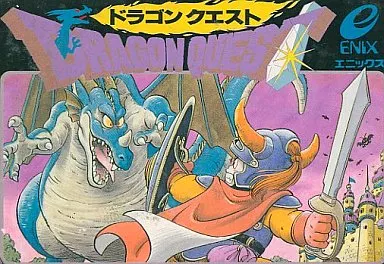
Dragon Quest divides broadly into three lines. The Erdrick trilogy (DQ1, 2, and 3) is classic high fantasy chronicling the birth of a heroic legend. The Zenithian trilogy (DQ4, 5, and 6) trades on emotionally charged stories built around family and the bonds between companions. The standalone era (DQ7 onward) embraces 3D presentation and online elements, with thoroughly modern ambitions in both scenario and scale.
If you want the whole Erdrick trilogy in one go, the Erdrick Trilogy bundle combining DQ3 HD-2D and DQ1&2 HD-2D (12,760 yen) is the efficient route. If the Zenithian trilogy’s generational-bonds theme appeals to you, play them in order — DQ4, then DQ5, then DQ6 — to maximize the payoff when the threads come together.
Where Should Beginners Start?
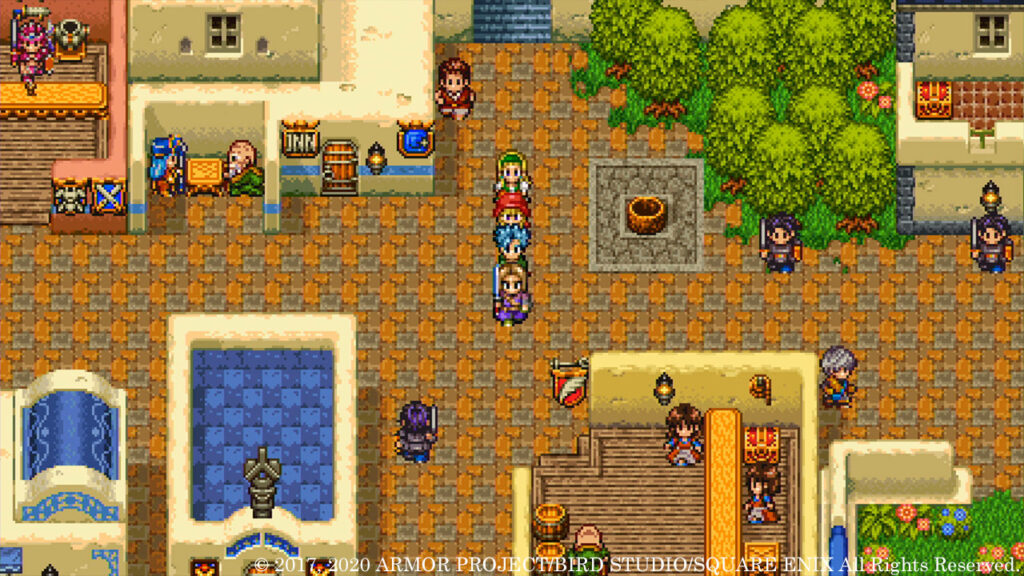
Bottom line: if you’ve never played the series, starting with DQ11 S: Echoes of an Elusive Age is the safest bet by far. Its design systematically removes every stumbling block a newcomer might hit, from AI-assisted battle tactics to the difficulty-adjusting Draconian Quest settings. Wide platform support — Switch, Steam, PS4, Xbox One — makes it easy to get hold of, which is another point in beginners’ favor.
If you want the most modern visuals, go DQ7 Reimagined; if you want a quick taste of the series’ origins, DQ1&2 HD-2D is the runner-up pick.
Choosing by Platform: Switch, PS5, Steam, or Smartphone
For couch sessions on a home console, the Switch and PS5 options are DQ11 S, DQ7 Reimagined, DQ3 HD-2D, and DQ1&2 HD-2D. PC players get those four plus DQ10 Online on Steam. If you want Dragon Quest on the go, the smartphone versions of DQ4, 5, 6, and 8 are affordable and excellent. Just remember that DQ9 alone has no current-gen release — you’ll need a Nintendo DS and a secondhand cartridge.
What’s Next for the Series? Keep an Eye on Dragon Quest Monsters 4
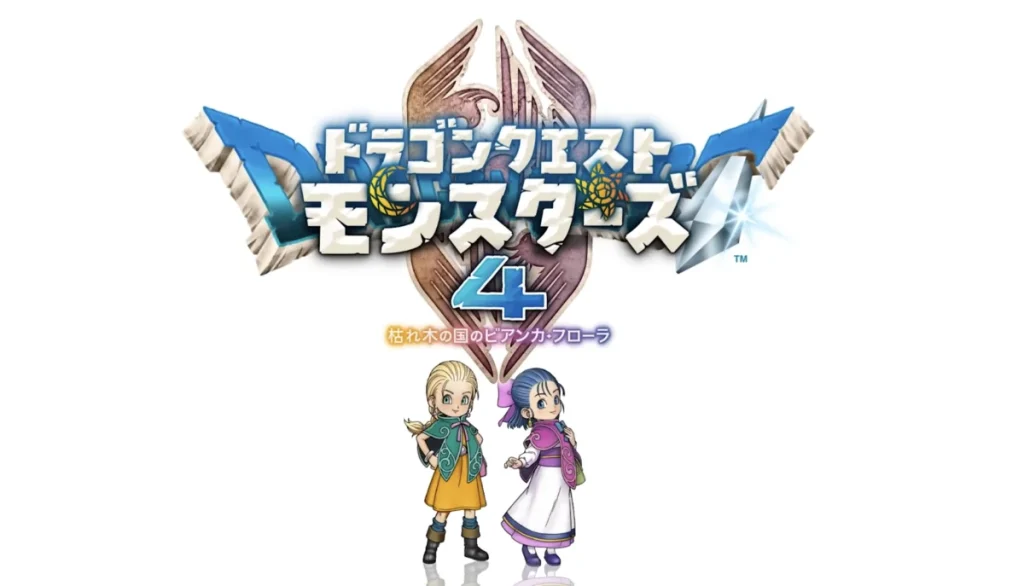
It’s not just the mainline games worth watching — the spin-offs are moving too. Dragon Quest Monsters 4: Bianca & Nera of the Withered Land is slated for release on December 3, 2026, across an impressively wide spread of platforms: Nintendo Switch 2, Nintendo Switch, PS5, Xbox Series X|S, and Steam. The standard physical edition is priced at 8,470 yen (tax included), with the download version at 7,700 yen (tax included). If monster collecting and raising is your thing, put that release date on your calendar now.

Frequently Asked Questions About the Dragon Quest Series (FAQ)
How many Dragon Quest games are there in total?
There are 11 mainline numbered titles, DQ1 through DQ11. Add in spin-off series like Dragon Quest Monsters and Dragon Quest Builders, plus the MMO DQ10 Online, and the franchise as a whole spans more than 30 titles.
Where should a Dragon Quest beginner start?
Our top pick here, DQ11 S, is the strongest recommendation. Its difficulty options are extensive, and it’s easy to obtain on Switch, Steam, PS4, and more. If story is your priority, DQ5 is a great fit for newcomers too, as is DQ7 Reimagined if you want the most modern presentation.
What’s the difference between “Dragon Quest 11” and “Dragon Quest 11 S”?
DQ11 S is the definitive edition of the original DQ11, adding a switchable 3D/2D mode, new story content, and full character voice acting. The version currently sold on Switch, Steam, PS4, and elsewhere is DQ11 S — so if you’re buying today, DQ11 S is the one to get, no question.
Spells of Restoration vs. save files — which does the series use now?
The Spell of Restoration was the password system used in the Famicom versions of DQ1 and DQ2. Every current release — the HD-2D remakes and the smartphone ports alike — has replaced it with autosave or standard save data, so there are no passwords to copy down. Though plenty of veterans will admit to missing that peculiar tension.
When is the next new Dragon Quest coming out?
As of July 2026, the nearest confirmed new release is Dragon Quest Monsters 4: Bianca & Nera of the Withered Land, scheduled for December 3, 2026. It’s coming to Nintendo Switch 2, Switch, PS5, Xbox Series X|S, and Steam.

Enjoying this article? Add us as a preferred source on Google.
The Verdict: These Are the Dragon Quest Games to Play in 2026
After scoring all 10 Dragon Quest titles across four categories, our winner is DQ11 S with a total of 363 points. Its series-best 93 for Ease of Play embodies Square Enix’s clear intent — “start the series here” — and as a gateway for newcomers it remains unshakable in 2026. No. 2, DQ7 Reimagined, holds the double crown of 98 for Replay Value and 90 for Story, and with the added freshness of its February 2026 release, it’s our emphatic pick for the most playable Dragon Quest of the year.
If graphics are what you care about, No. 3 DQ3 HD-2D’s 95 leads the entire field; if story rules your heart, No. 5 DQ5’s 98 is the undisputed champion — and at 1,800 yen for the smartphone version, the series’ greatest story is also one of its best bargains. The HD-2D releases (DQ1&2 and DQ3) are the definitive current editions of the most visually beautiful Dragon Quest available, and if you want to play from the very beginning, grabbing the Erdrick Trilogy bundle (12,760 yen) in one swoop is the way to go.
DQ6 finishes tenth, but don’t read that as “lesser” — as the conclusion of the Zenithian trilogy, it’s essential for anyone playing the DQ4-to-5-to-6 arc. Start anywhere you like; the richness of this series will astonish you regardless. The hero’s journey marches on in 2026.
Tell me to pick just one and I’ll name DQ11 S without hesitation. But ask which single game most deserves your hours in 2026, and the answer is DQ7 Reimagined. Beyond its double crown — 98 for Replay Value, 90 for Story — there’s the freshness of a February 2026 release, and the sheer significance of “the 7 that was too long” returning as a full remake. And if the question is “the game that moved you most in your entire life”? Most fans, I suspect, would answer DQ5.
Dragon Quest is a series where every starting point is the right one. If you can’t decide, just grab whichever game everyone’s talking about right now.
Read Next
Snicker Kitamura




Leave a Reply