





Enjoying this article? Add us as a preferred source on Google.
Which Metal Gear game should you start with? The question is trickier than it sounds.
The series kicked off with Metal Gear on the MSX2 back in 1987 and has kept rolling out releases for more than three decades, spanning stealth landmarks, philosophical sci-fi epics, and a razor-sharp action spin-off. Cumulative sales top 63.3 million units (as of June 2025), so there’s no arguing with its status as one of Konami’s flagship IPs. In October 2023, METAL GEAR SOLID: MASTER COLLECTION Vol.1 (about US$49, or 7,480 yen including tax — converted at roughly 153 yen to the dollar) landed on PS5, Nintendo Switch, Xbox Series X|S, and Steam, making the classics easy to reach on modern hardware.
The problem is that there are simply too many options. Every entry has a strong personality, and the one you pick first drastically changes the experience you get. So the SpotGeeks editorial team scored every game in the series across four axes — Accessibility, Graphics, Brutality, and Replay Value — and narrowed things down to a TOP 10 we can genuinely recommend.
A high “Brutality” score means the game has real bite, so for players chasing a challenge it counts as a plus, not a minus. “Accessibility” reflects how intuitive the controls are and how easily a newcomer can slide in. Depending on which axis matters most to you, the right first game changes.
If you’re thinking “I want to try Metal Gear but I have no idea where to jump in,” start with No. 3, Metal Gear Rising: Revengeance, or No. 1, Metal Gear Solid 3. We’ll explain why below.
Metal Gear Series: All 10 Games Compared on 4 Scoring Axes
We scored each game on Accessibility, Graphics, Brutality, and Replay Value (100 points max per axis). Remember that a higher “Brutality” score is proof of a meatier challenge, which is a bonus if you’re confident with a controller. Don’t just read the totals — pick based on the axis that matters to you.
| Rank | Title | Accessibility | Graphics | Brutality | Replay Value | Total |
|---|---|---|---|---|---|---|
| No. 1 | MGS3: Snake Eater | 85 | 75 | 88 | 92 | 340 |
| No. 2 | MGSV: The Phantom Pain | 90 | 97 | 68 | 82 | 337 |
| No. 3 | Metal Gear Rising: Revengeance | 93 | 80 | 82 | 78 | 333 |
| No. 4 | MGS1 | 80 | 60 | 85 | 80 | 305 |
| No. 5 | MGS2: Sons of Liberty | 82 | 68 | 80 | 70 | 300 |
| No. 6 | MGS4: Guns of the Patriots | 82 | 85 | 65 | 65 | 297 |
| No. 7 | Peace Walker HD | 78 | 68 | 72 | 78 | 296 |
| No. 8 | MGSV: Ground Zeroes | 87 | 92 | 70 | 40 | 289 |
| No. 9 | Metal Gear 2: Solid Snake | 60 | 35 | 82 | 68 | 245 |
| No. 10 | Metal Gear (1987) | 55 | 30 | 75 | 60 | 220 |
The number that jumps out is the 92-point Replay Value score for our No. 1 pick, MGS3. The jungle survival systems, the boss rematches, the snake-skin collecting — there’s a startling amount left to chew on after the credits roll. No. 3, Metal Gear Rising, meanwhile posts the highest Accessibility score in the series at 93, making it the fastest on-ramp to what makes Metal Gear fun if action games are your thing.
No. 1: MGS3: Snake Eater — 92 Points for Replay Value, the Jungle Survival Epic Many Call the Series’ Best
| Accessibility | Graphics | Brutality | Replay Value | Total Score |
|---|---|---|---|---|
| 85 | 75 | 88 | 92 | 340 |
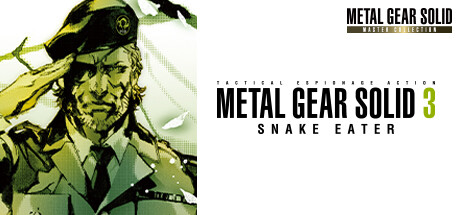
A stealth action game released for PS2 on December 16, 2004. It’s now included in METAL GEAR SOLID: MASTER COLLECTION Vol.1 (US$49 / 7,480 yen including tax), playable on PS5, Nintendo Switch, Xbox Series X|S, and Steam. Its Metacritic score sits at 94 (PS2 version), among the highest critical marks in the series. A full remake, Metal Gear Solid Δ: Snake Eater, arrived in August 2025 and has pulled in an average Metacritic score of 86 in its own right.
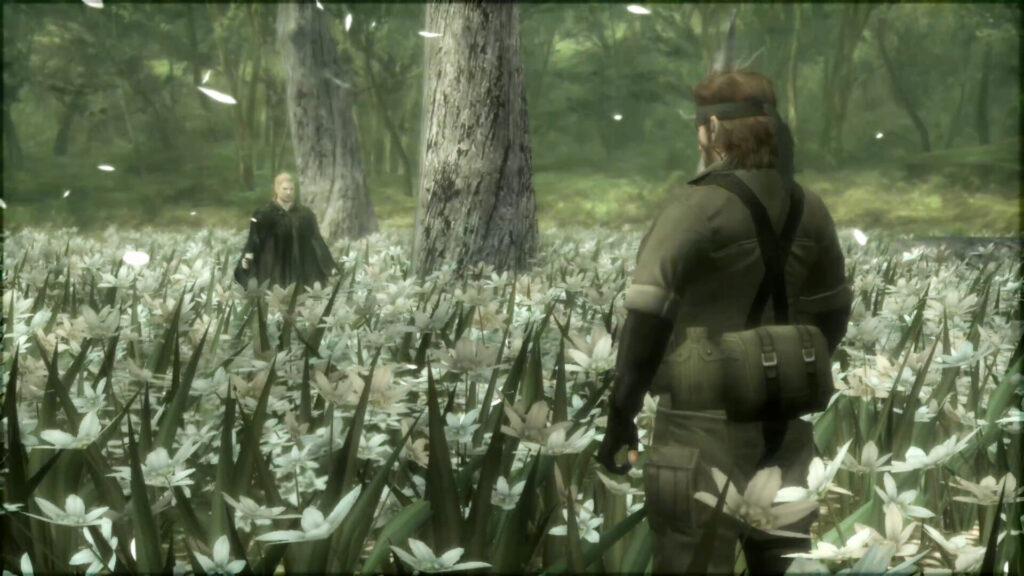
The reason MGS3 gets called the series’ high-water mark is that its systems, story, and boss design lock together perfectly. The survival layer built into the jungle setting — hunting for food, treating wounds, swapping camouflage patterns — is woven so naturally into the stealth gameplay that the whole thing graduates from “sneaking down hallways” to genuinely becoming part of an ecosystem. The first time I played with those systems, I didn’t think a game could sell the sensation of physically being somewhere this convincingly.
The story is a Cold War spy drama built on the rift between a mentor, The Boss, and her protege, Naked Snake (the future Big Boss), and it delivers the most emotional payoff in the entire franchise. Plenty of players cite the closing scene as one of the greatest endings in the medium, and the SpotGeeks editorial team is right there with them. The silence that settles over you after the credits is something no other game has replicated for me.
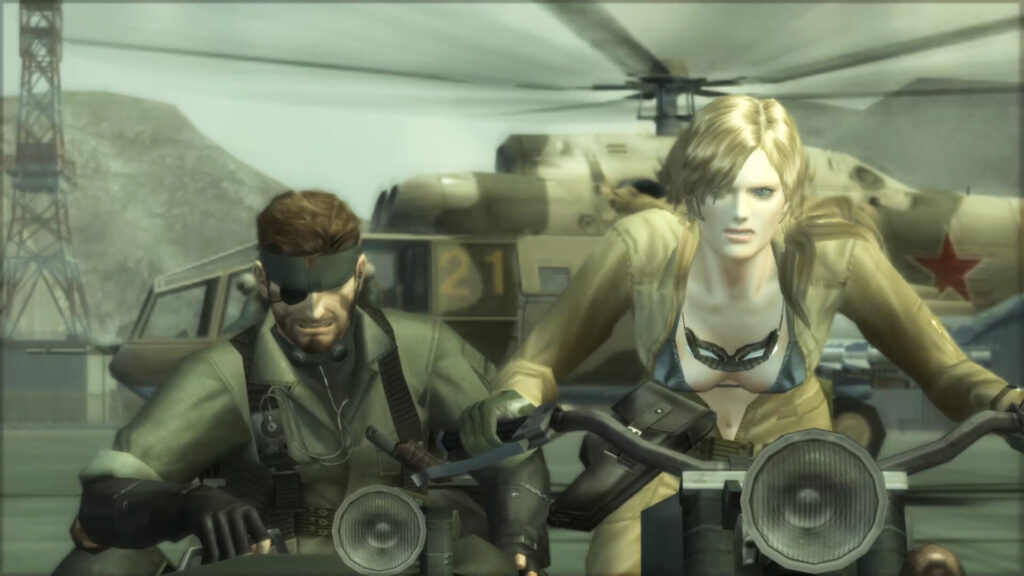
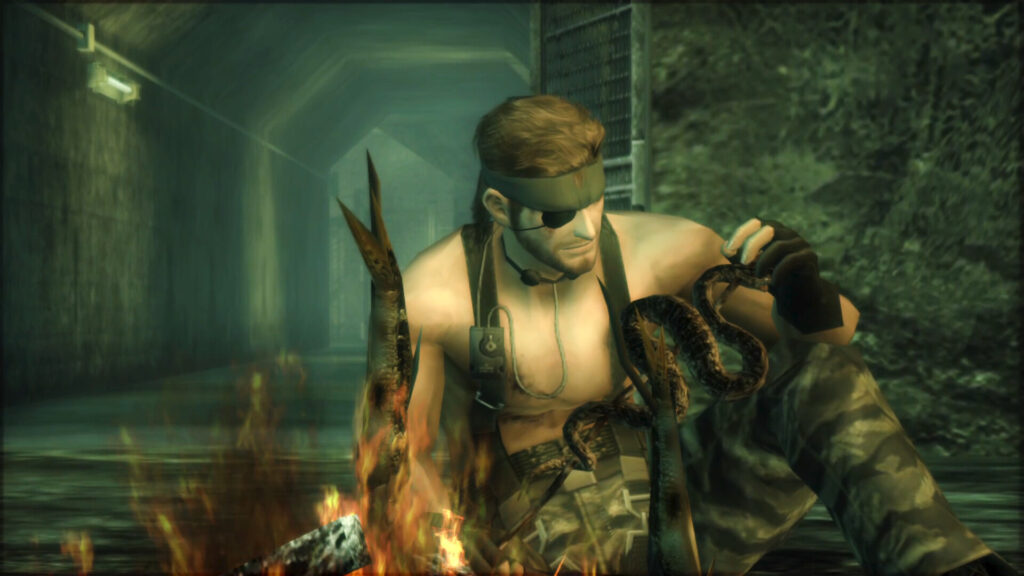
- Metacritic 94 — the most polished story in the series
- Survival, camouflage, and boss fights all designed to reinforce each other
- Included in the Master Collection, so it’s playable on current hardware for US$49 (7,480 yen)
- The controls are a little idiosyncratic and take time to click
- Newcomers don’t need prior knowledge of the setting, but playing MGS1 first makes the backstory land harder
No. 2: MGSV: The Phantom Pain — 97 Points for Graphics and the Most Freeform Stealth Gameplay Ever Made
| Accessibility | Graphics | Brutality | Replay Value | Total Score |
|---|---|---|---|---|
| 90 | 97 | 68 | 82 | 337 |
An open-world stealth action game released September 2, 2015 for PS4, PS3, Xbox One, Xbox 360, and PC. It holds a Metacritic score of 93, praised by critics and fans alike as the definitive expression of stealth gameplay. It frequently drops below 1,000 yen (about US$7) during Steam sales, making it arguably the best value in the whole series.
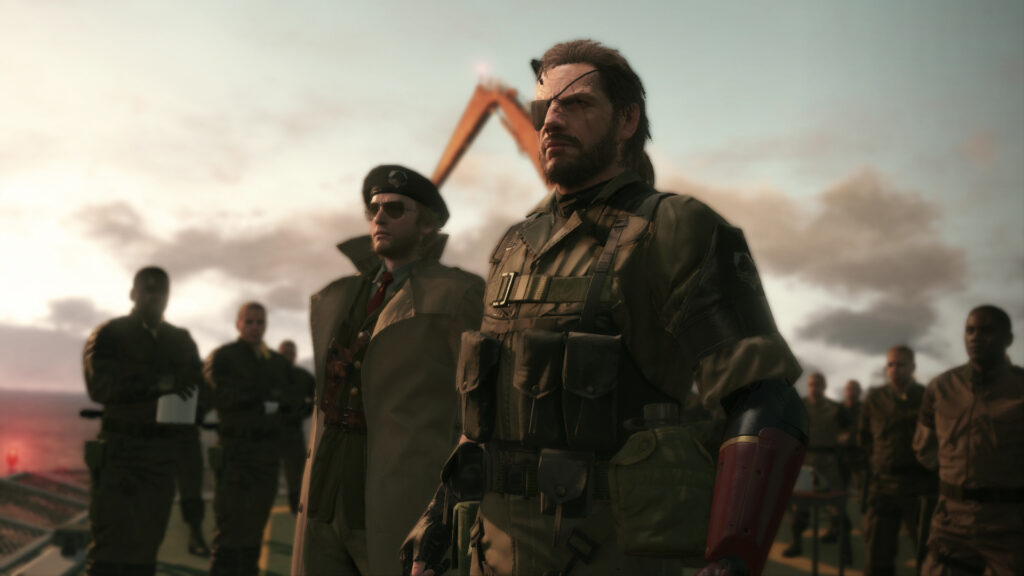
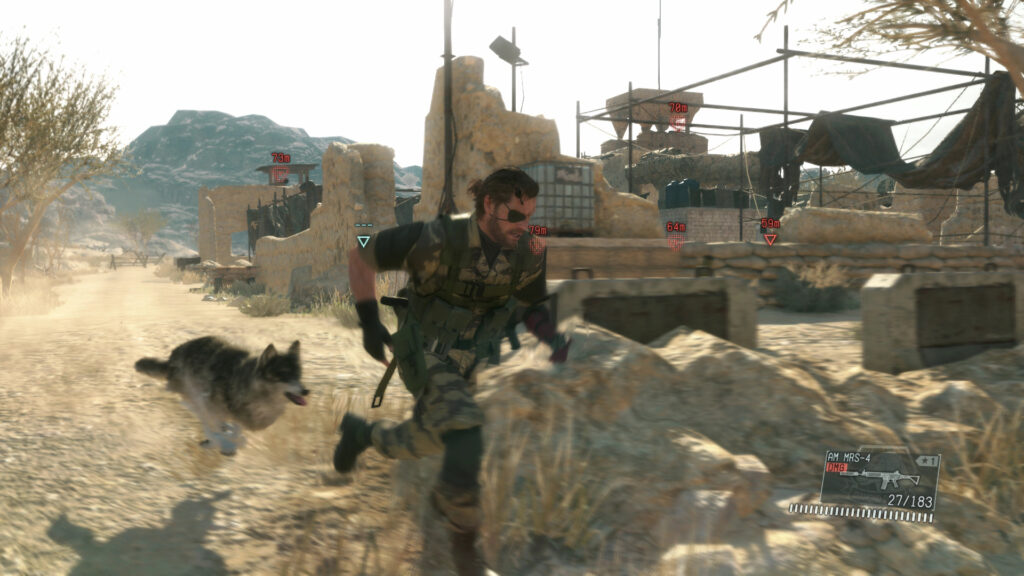
That 97-point Graphics score comes down to visuals that still hold up on current hardware. The wide-open Afghanistan and African settings rendered by the FOX Engine, the day-night cycle and shifting weather, the enemy AI — together they create the feeling of infiltrating a war zone that actually exists. Snake (Venom Snake) has an overwhelming range of options, and there are countless ways to crack any given objective.
The story, on the other hand, carries the baggage of the Kojima-Konami fallout and was left unfinished; from Chapter 2 onward you can plainly see where development stopped short. As gameplay it’s a flawless masterpiece; as a narrative experience, “incomplete masterpiece” is the honest verdict. You’ll get the most out of it by treating it as the ultimate stealth game rather than as a chapter in the larger saga.
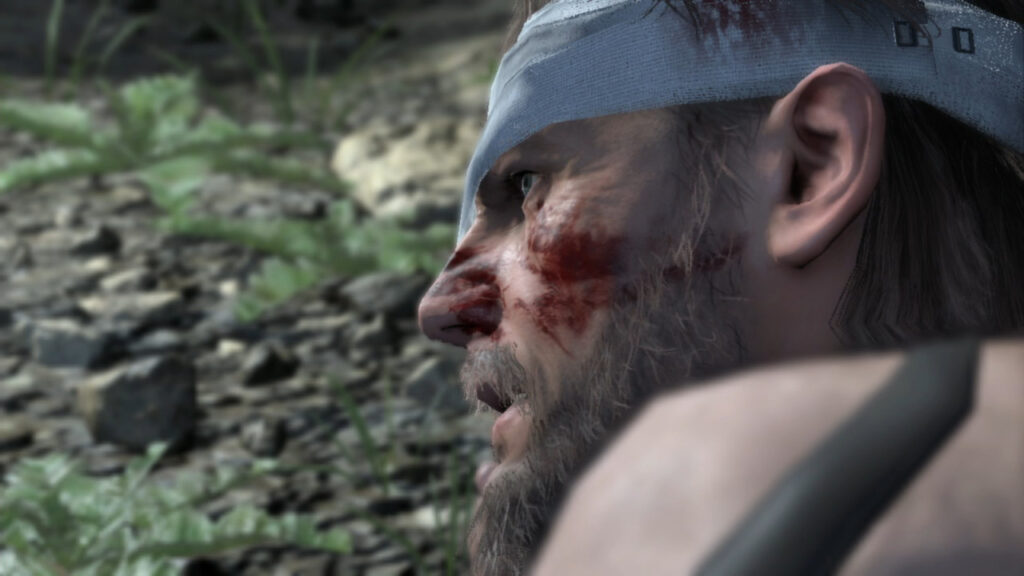
- Metacritic 93 — the most freeform stealth gameplay in the series
- Built on the FOX Engine, with 97-point visuals that still hold up today
- Mother Base management and 100-plus hours of optional content
- The story is unfinished from Chapter 2 onward and leaves you unsatisfied
- As a series entry point, starting here without knowing the lore can leave you lost
【No. 3】METAL GEAR RISING: REVENGEANCE|Accessibility 93, an Overwhelmingly Positive 96% on Steam, and Pure Slashing Bliss
| Accessibility | Graphics | Brutality | Replay Value | Total Score |
|---|---|---|---|---|
| 93 | 80 | 82 | 78 | 333 |
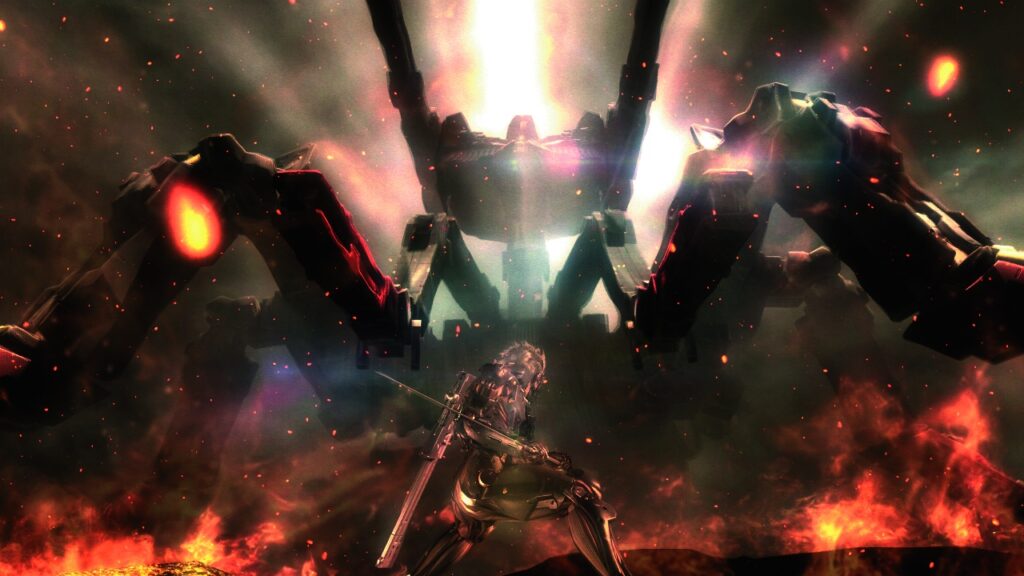
Released in February 2013 on PS3 and Xbox 360, with the PC version following in January 2014. Developed by PlatinumGames, it currently sits at “Overwhelmingly Positive” on Steam, with more than 68,000 user reviews and a 96% positive rating (as of May 2026). Raiden takes the lead here, and the result is a high-speed cyber-ninja action game that has nothing in common with the stealth design the Metal Gear series is known for.
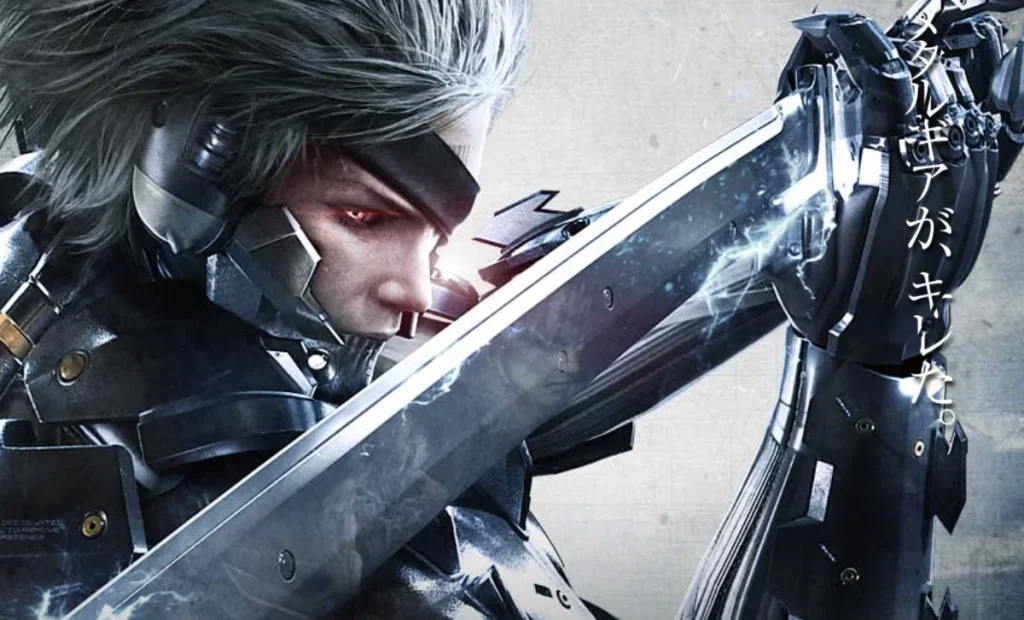
That 93 for accessibility is the highest mark in the entire series. There’s no tangle of stealth systems to learn — you pick up the controller and the rush hits immediately. Blade Mode, which lets you carve up enemies and scenery at whatever angle you like, feels far more polished than a 2013 game has any right to, and very few games have ever made the simple act of cutting feel this good. A roughly seven-hour runtime keeps things compact, too: you can clear it in a day, crank up the difficulty, and dive straight into a second run.
The rock and metal soundtrack and the staging of the boss fights are the stuff of legend. “Rules of Nature,” “Collective Consciousness,” “It Has to Be This Way” — these are tracks that earned a permanent place in game music history. If an action-game fan has never touched a Metal Gear title in their life, this is the one I’d hand them first. No hesitation.
- Overwhelmingly Positive at 96% on Steam — the ideal action-game gateway into the series
- Around seven hours to clear, delivering that adrenaline rush in a compact package
- Boss themes that rank among the all-time greats in game music
- Almost no stealth at all — a completely different experience from the mainline MGS games
- The later boss fights spike hard in difficulty, and there are genuinely brutal stretches for players who struggle with action games
【No. 4】METAL GEAR SOLID|The Birth of Stealth Action and a Game Design Revolution on PS1
| Accessibility | Graphics | Brutality | Replay Value | Total Score |
|---|---|---|---|---|
| 80 | 60 | 85 | 80 | 305 |
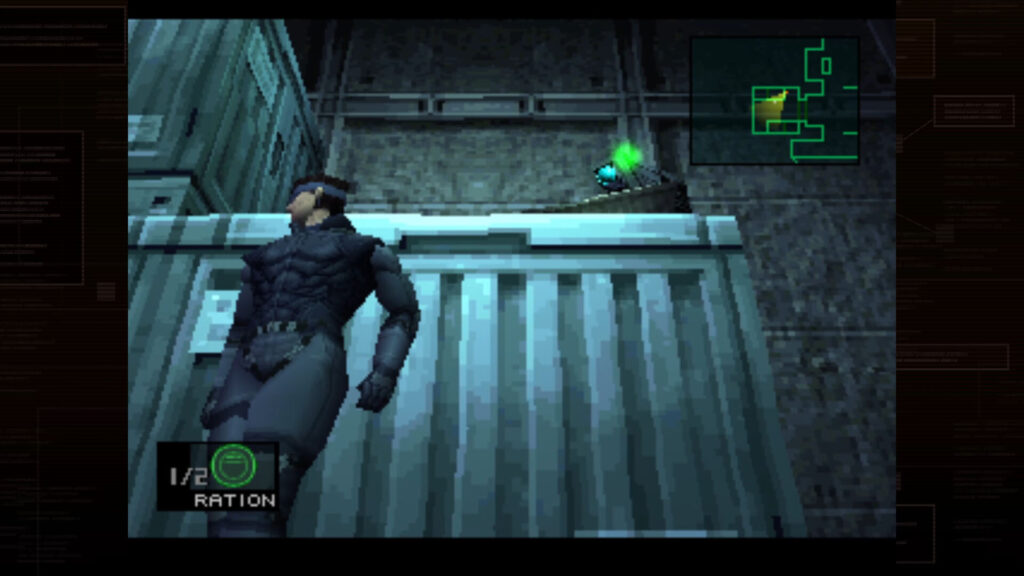
Released September 3, 1998 on PS1. Its Metacritic score of 94 came with the kind of praise usually reserved for landmarks — critics called it a revolution in 3D action-adventure game design. Today it’s playable on modern hardware as the INTEGRAL version bundled into Master Collection Vol.1, priced at about US$49 (7,480 yen). If you’d rather play the series in release order than in chronological order, this is the proper starting point.
What makes MGS1 matter is that it had already perfected the idea of a game telling its story through play back in 1998. The character drama delivered over Codec calls, the enemy AI’s line-of-sight detection, and that legendary moment where Psycho Mantis tells you to unplug your controller and move it to the second port — these are ideas permanently etched into the medium’s history. Countless players have hit a wall on that Psycho Mantis fight simply because nobody warned them.
The visuals are PS1-era polygons, so they look dated to modern eyes, but the craftsmanship of the design still holds up completely. If you want to understand the history of games, or feel out the origin point of Hideo Kojima as an author, this one is non-negotiable.
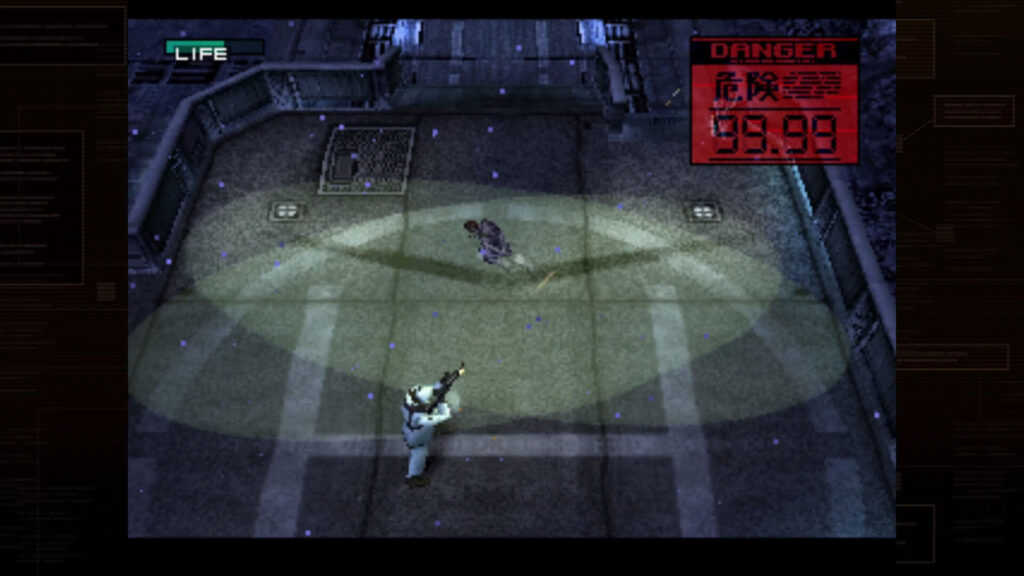
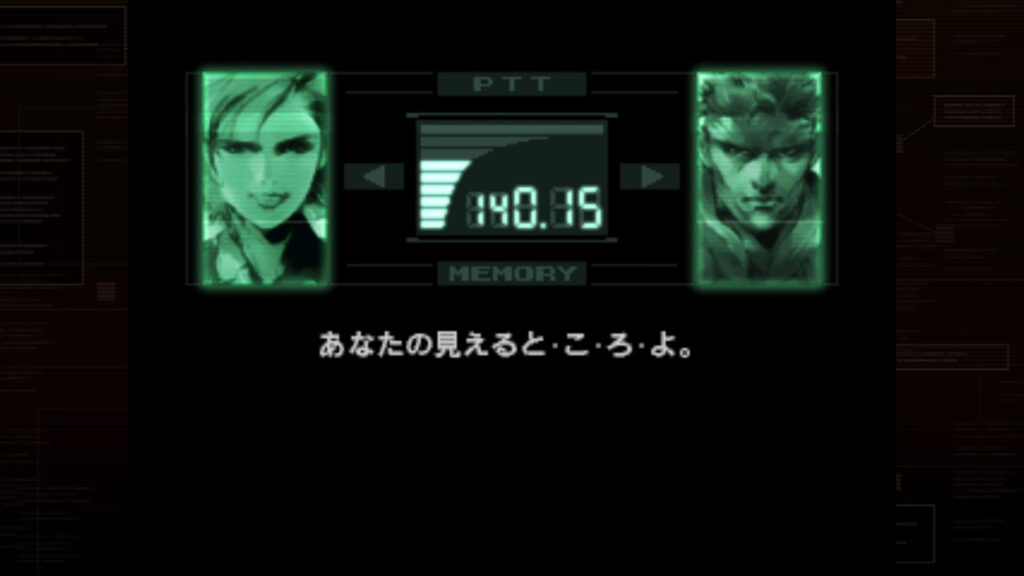
- A 94 on Metacritic — the origin of stealth action and a genuine turning point for the medium
- Packed with legendary set pieces, the Psycho Mantis fight chief among them
- Included in Master Collection, so it’s playable on current-gen hardware
- PS1-generation visuals that unmistakably show their age today
- A few boss fights hinge on unfair gotchas you simply cannot solve without prior knowledge
【No. 5】METAL GEAR SOLID 2: SONS OF LIBERTY|A 96 on Metacritic and the Divisive Candidate for Best in the Series
| Accessibility | Graphics | Brutality | Replay Value | Total Score |
|---|---|---|---|---|
| 82 | 68 | 80 | 70 | 300 |
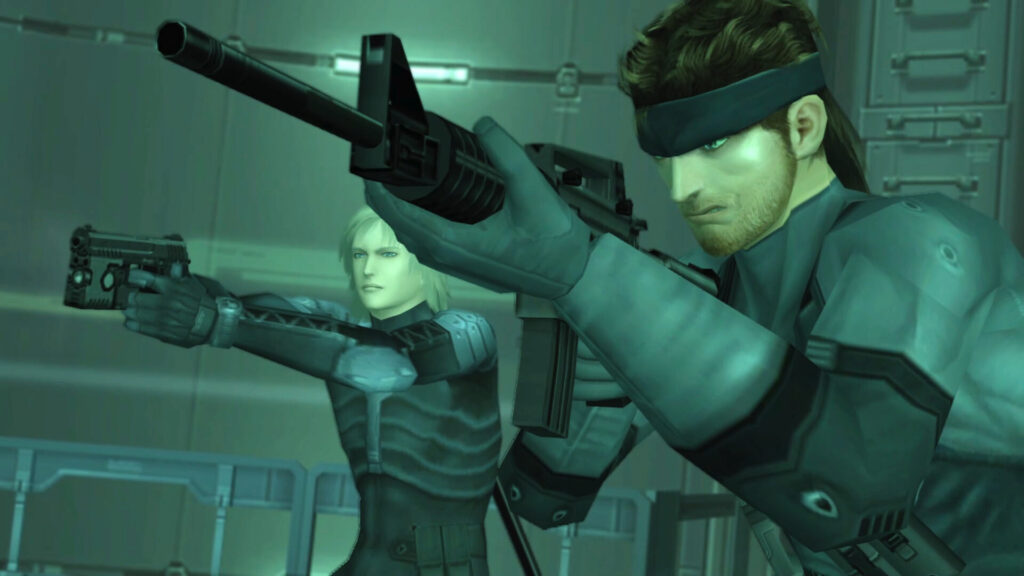
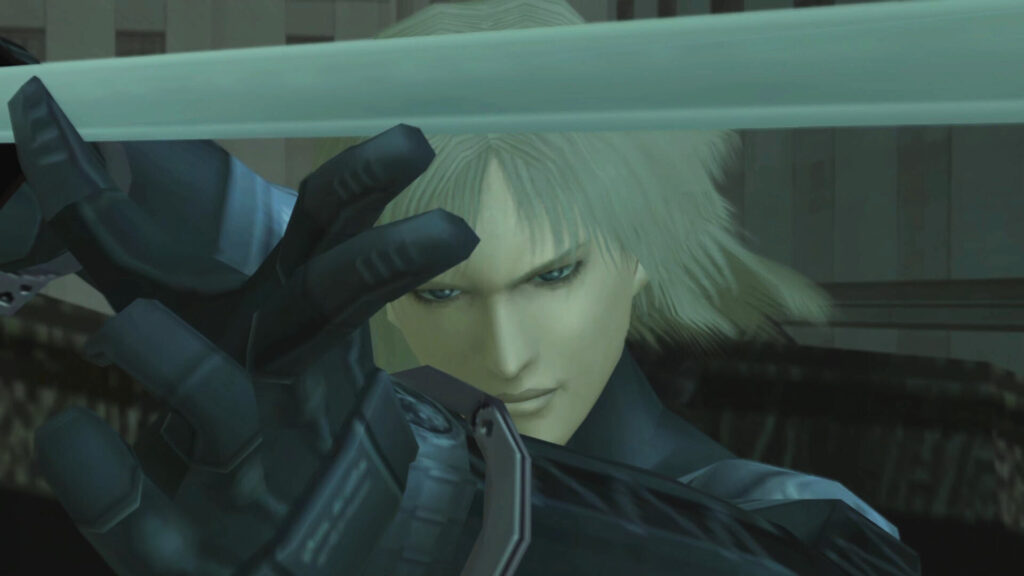
Released November 29, 2001 on PS2. Its critic score on Metacritic hit 96 for the PS2 version — the highest in the series and about as high as game criticism went at the time. An HD version is included in Master Collection Vol.1, so it’s playable on modern hardware. The swap of the protagonist from MGS1’s hero Solid Snake to Raiden was kept hidden right up until release, and it blindsided the entire audience.
MGS2’s real worth is in its story. Criticism of the information-managed society, the way media and fiction warp reality, the urgency of thinking for yourself — this is a 2001 game, and yet revisiting it in a 2020s where social platforms dominate public life is enough to raise the hair on your arms. MGS2 is that rare title that lands harder now than it did on launch day. I’ll say that flatly.
As a game it’s a refined MGS1: the controls are tighter and combat offers far more flexibility. The “I don’t like Raiden” complaint has never fully died down, but the structure is built so that once you finish it and look back, the design intent behind Raiden as a character finally clicks into place.
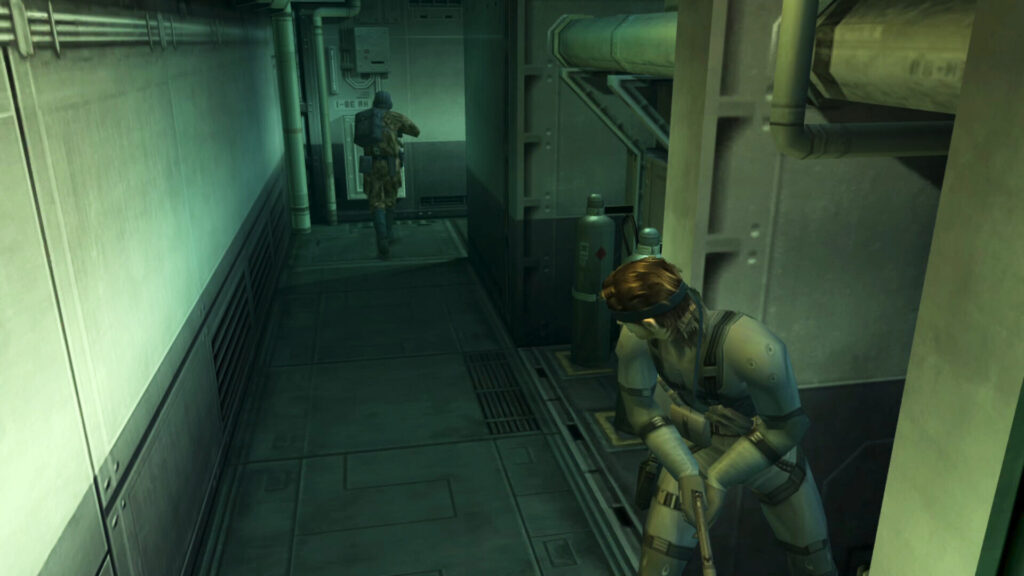
- A 96 from critics on Metacritic — the highest review score in the series
- Its philosophical critique of the information age and of fiction itself is being reappraised throughout the 2020s
- Included in Master Collection for current-gen play, with gameplay that refines everything MGS1 started
- The protagonist swap went over badly with fans at the time and still splits opinion
- Starting here without playing MGS1 makes the story’s background hard to follow
【No. 6】METAL GEAR SOLID 4: GUNS OF THE PATRIOTS|The Series’ Grand Finale, PS3-Exclusive and Still Legendary
| Accessibility | Graphics | Brutality | Replay Value | Total Score |
|---|---|---|---|---|
| 82 | 85 | 65 | 65 | 297 |
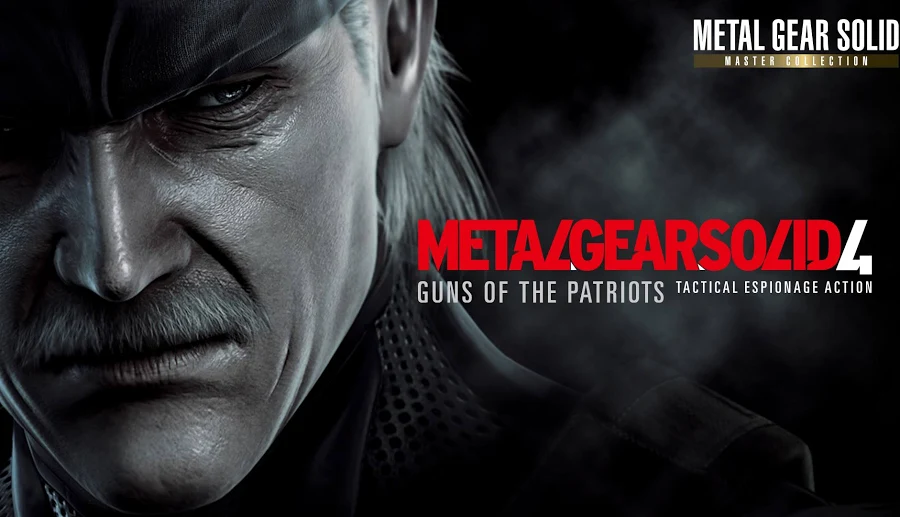
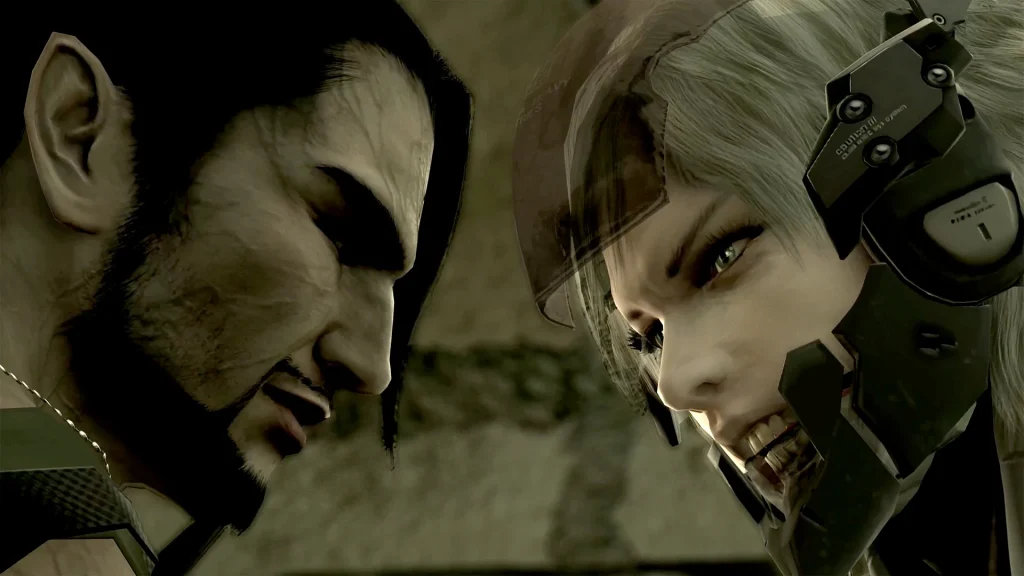
Released June 12, 2008 as a PS3 exclusive. It scored 94 on Metacritic, putting it among the very best-reviewed games of the PS3 generation. It’s the finale of the series, following an aged Solid Snake into his last war — but it remains PS3-exclusive to this day and was left out of Master Collection entirely. Playing it now means owning a PS3 or hunting down a used copy, and honestly, that puts it well behind the rest of this list on availability.
MGS4 earns its place here anyway, because as a “final episode” for series fans, it is almost flawlessly executed. Characters from MGS1 through MGS3 reassemble, and years of accumulated setup pay off in a way only players who followed the whole saga can truly feel. That last scene between Otacon and Snake — I still remember exactly how much it wrecked me.
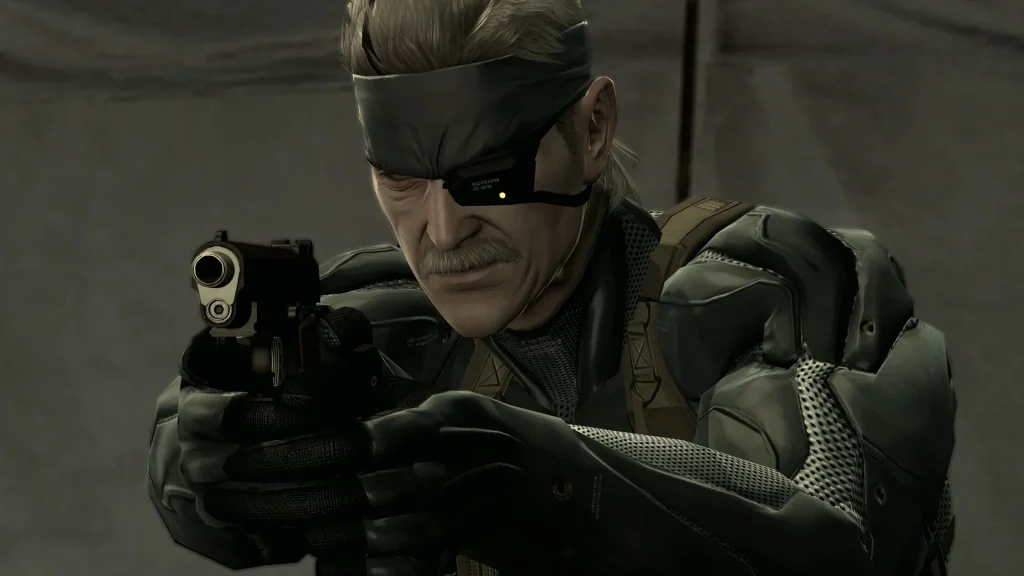
- A 94 on Metacritic, paying off every thread from MGS1 through 3 for the most complete sense of closure in the series
- A globe-hopping scenario structure and directorial flair that rank among the franchise’s best
- Play 1 through 3 first and the emotional payoff here is something no other game can substitute for
- PS3-exclusive with still no current-gen version — you’ll need a PS3 or a used copy
- Extremely long cutscenes make it closer to a film than a game at times
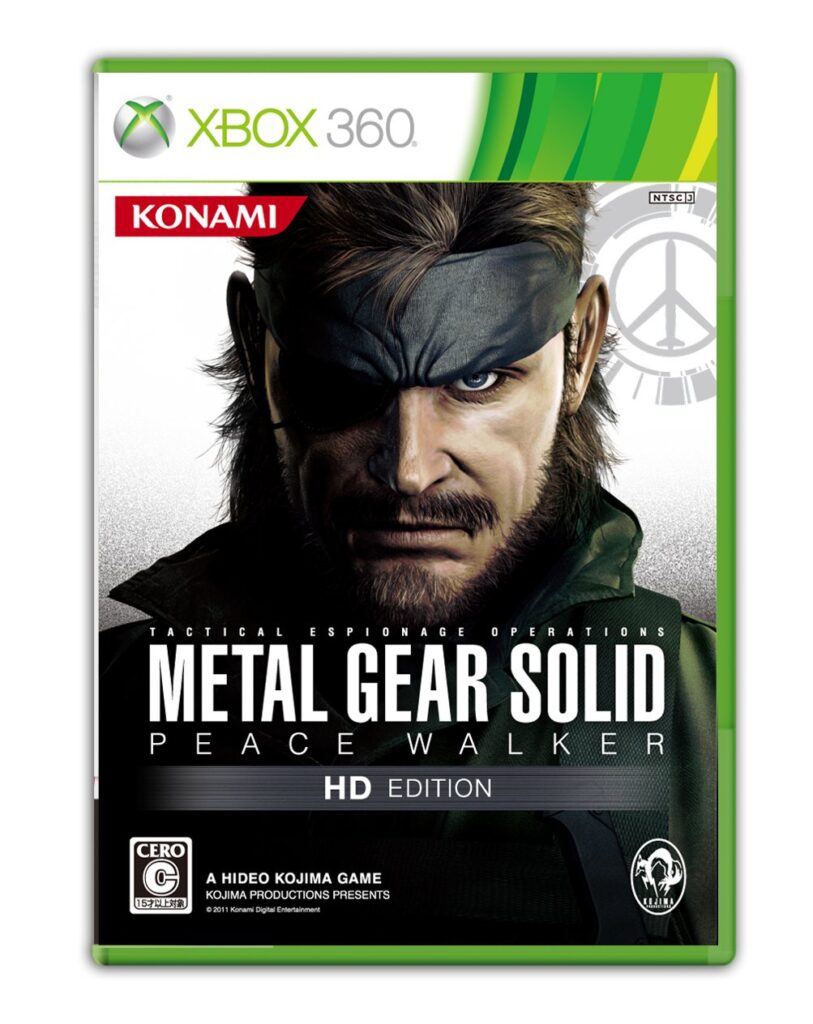
[No. 7] Metal Gear Solid: Peace Walker HD Edition | A PSP Masterpiece in HD and the Blueprint for Mother Base
| Accessibility | Graphics | Difficulty | Replay Value | Total Score |
|---|---|---|---|---|
| 78 | 68 | 72 | 78 | 296 |
Released for PSP in 2010 and later given an HD makeover on PS3 and Xbox 360 as part of the Metal Gear Solid HD Collection. The PSP version holds a Metacritic score of 89, an extraordinary number for a handheld title. It casts Big Boss (Naked Snake) as the lead in a stealth-action story set in 1974 Costa Rica, and the prototype of MGSV’s Mother Base management system is packed into every corner of it.
Because it was built for a handheld, the game moves forward in bite-sized missions. That makes it easy to stop and start again, perfect for squeezing in between work or classes. No other entry leans this hard into the “idle management sim” side of things, and if you’re the type who gets hooked on recruiting soldiers and upgrading a base, this one will sink its claws in deep.
- An underrated gem that holds the blueprint for Mother Base building and soldier recruitment
- Mission-based structure designed for short play sessions
- An essential chapter that continues Big Boss’s story after MGS3
- The HD Collection version is hard to get hold of these days (PS3/Xbox 360)
- Its PSP-era design makes boss fights feel repetitive
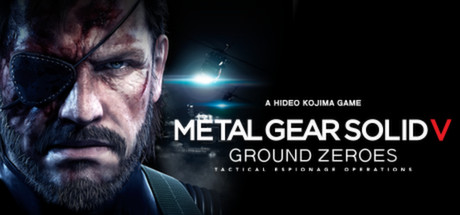
[No. 8] MGSV: Ground Zeroes | 87 for Accessibility, and the Perfect Appetizer for The Phantom Pain
| Accessibility | Graphics | Difficulty | Replay Value | Total Score |
|---|---|---|---|---|
| 87 | 92 | 70 | 40 | 289 |
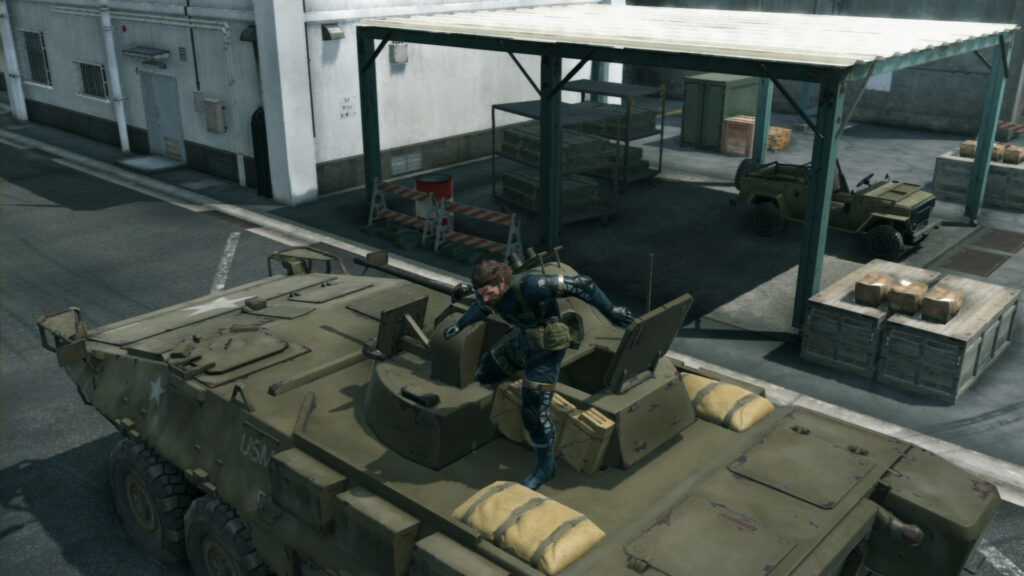
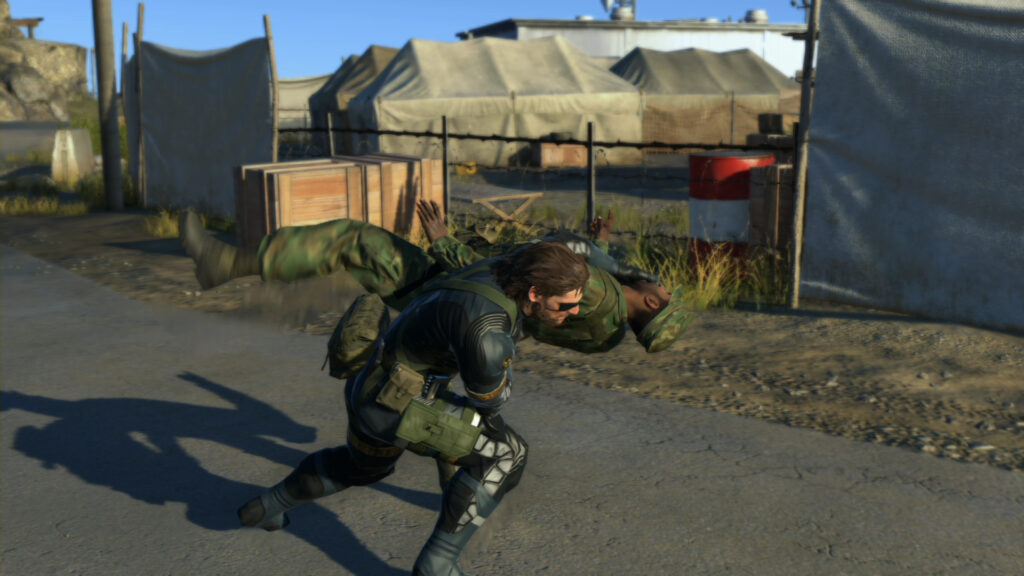
Launched in March 2014 as the prologue and prequel to MGSV. It currently runs around US$7 (1,080 yen, tax included) on Steam and the PS Store, which makes it the ideal taster before you commit to The Phantom Pain. It runs on the same FOX Engine with the same control scheme as the main game, so you get the full feel of MGSV’s gameplay for pocket change.
The package is a single main mission plus a handful of Side Ops, and the story wraps up in one or two hours. That brevity is exactly why it lands at 40 for replay value, but judged purely on “getting you hyped for The Phantom Pain,” it’s a flat 100. The ending is one of the most jaw-dropping moments in the entire series, and it’s the piece that sets up the biggest question of all: why is Snake the protagonist of The Phantom Pain?
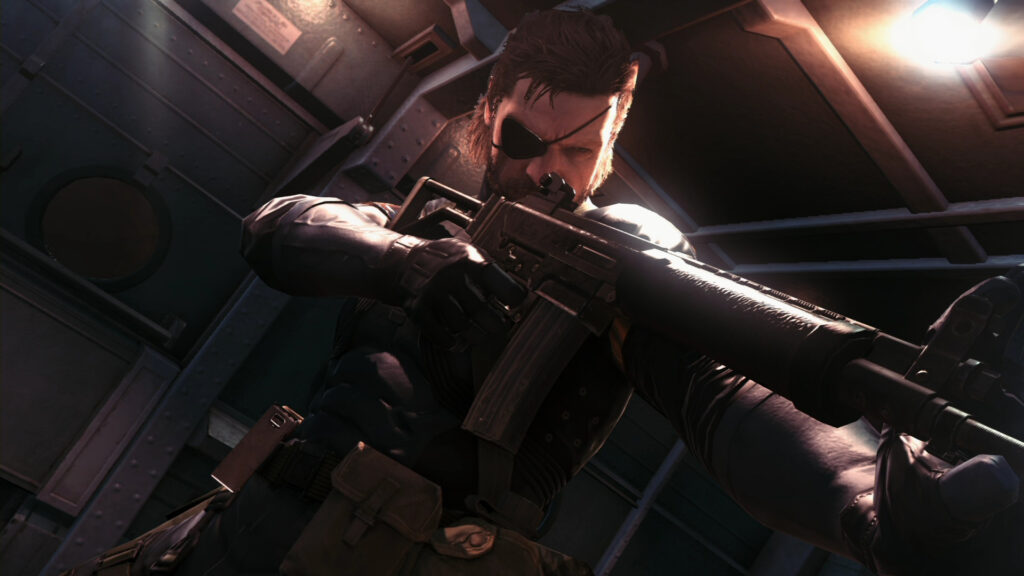
- Around US$7 (1,080 yen) for the prologue you should absolutely play before The Phantom Pain
- FOX Engine visuals scoring 92, and the cheapest way to sample MGSV’s controls
- An ending shocking enough to push you straight into The Phantom Pain
- Replay value of 40; there simply isn’t enough content to satisfy as a standalone game
- The whole design assumes you’ll play it as a set with The Phantom Pain
[No. 9] Metal Gear 2: Solid Snake | The Foundation of the Series’ World and a Story with Real Depth on MSX2
| Accessibility | Graphics | Difficulty | Replay Value | Total Score |
|---|---|---|---|---|
| 60 | 35 | 82 | 68 | 245 |
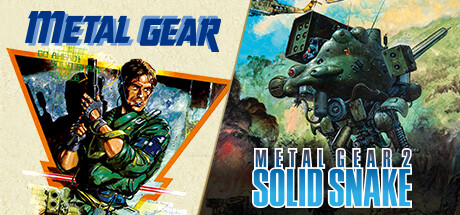
Released for MSX2 in 1990. It’s included in Master Collection Vol. 1, so you can play it on current hardware. As the sequel to the original Metal Gear, it’s the game that finally dug into the truth behind Big Boss and the fate hanging over Solid Snake, laying the groundwork for everything MGS1 through MGS4 would later build.
For a 1990 MSX2 game, the visuals are obviously dated (35 points) and the controls are clunky by modern standards. But the quality of the storytelling was astonishing for its era, and every theme the series would later explore is already germinating here. Consider it required reading for anyone who wants to understand the series on a deeper level.
- Included in Master Collection, so it’s easy to play on current hardware
- A historically vital entry that sets up the story of MGS1 through MGS4
- The first game to seriously explore Big Boss’s true identity and Snake’s destiny
- A 1990 MSX2 game; the graphics and controls are rough by modern standards
- Without a genuine interest in the series’ history, you’ll likely tap out partway through
[No. 10] Metal Gear (1987) | Where It All Began and the Game That Invented the Stealth Genre
| Accessibility | Graphics | Difficulty | Replay Value | Total Score |
|---|---|---|---|---|
| 55 | 30 | 75 | 60 | 220 |
Released for MSX2 in 1987, with a Famicom port following later. This is the game that established stealth as a genre for the first time anywhere in the world, and it marks Konami director Hideo Kojima’s debut. It’s included in Master Collection Vol. 1, which means both the MSX2 and Famicom/NES versions are playable on current hardware.
You obviously shouldn’t expect modern visuals or comfortable controls here (graphics score 30), but the sheer magnitude of the invention at its core — slipping past enemies by fooling their eyes rather than fighting them — can’t be overstated. For series fans, it’s worth playing simply to feel where it all started. You can’t tell the history of video games without it.
- The origin point of the stealth genre, with immense historical value
- Included in Master Collection and playable on current hardware
- A must-play for series fans who want to experience the very beginning
- A 1987 MSX2 game; don’t expect modern-day comfort
- Approach it as a history lesson rather than a game you’ll enjoy on its own terms
Enjoying this article? Add us as a preferred source on Google.
Final Word | The Top 10 Metal Gear Games, Ranked [The SpotGeeks Verdict]
What stood out most as we tallied the scores is that this is a series where your experience is shaped enormously by where you start. Come in for the stealth and MGS3 is your door. Come in for the action and it’s Metal Gear Rising. Come in for freedom of gameplay and it’s MGSV. Three entrances, each with a phenomenal experience waiting behind it. When people ask us which game to start with, SpotGeeks always answers the same way: No. 3, Metal Gear Rising, has the lowest barrier to entry, while No. 1, MGS3, delivers the most quintessentially Metal Gear experience.
Metal Gear Solid: Master Collection Vol. 1, released in 2023 for about US$49 (7,480 yen, tax included), covers PS5, Switch, Xbox, and Steam, and bundles MGS1, MGS2, and MGS3 into a single package. For newcomers, nothing else comes close on value. MGSV and Metal Gear Rising, meanwhile, regularly drop to around US$7 (1,000 yen) in Steam sales, which makes them worth watching too.
The series Hideo Kojima built has spent decades proving that games can deliver cinematic storytelling and genuinely interactive play at the same time. In 2025 the MGS3 remake, Metal Gear Solid Delta, arrived as well, and the ways into this series have never been more numerous. If there’s a title you still haven’t touched, now is the moment to pick your door and dive in.
Our Metal Gear Top 10 scoring finished with MGS3 in first place (340 points), MGSV: The Phantom Pain in second (337 points), and Metal Gear Rising in third (333 points). The best in the series comes down to a three-way choice: MGS3 for narrative craft, MGSV for gameplay craft, and Metal Gear Rising for pure thrills and easy entry. Build around Master Collection Vol. 1, released in 2023 for about US$49 (7,480 yen, tax included), and pick the one title that matches your way in.
Whichever entry you start with, Metal Gear will show you that games can be art.
Read Next
Snicker Kitamura





Leave a Reply