



Enjoying this article? Add us as a preferred source on Google.
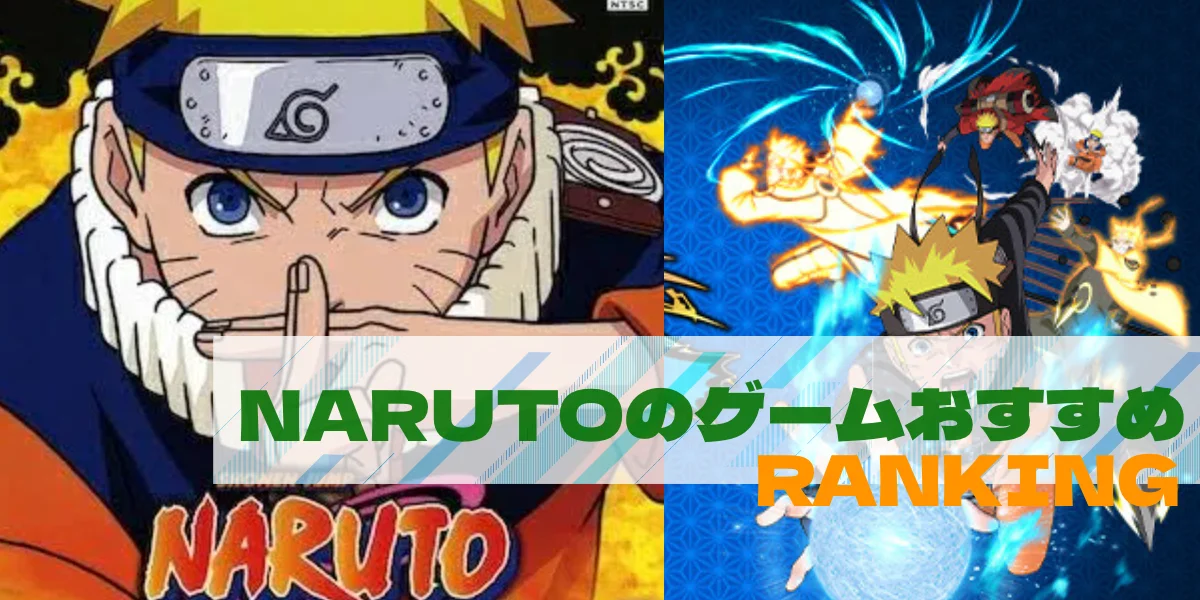
If you want the one Naruto game that lets you actually taste the world of Naruto itself, the answer is the Xbox 360 exclusive “Naruto: Rise of a Ninja.” Walking through the Hidden Leaf Village (Konoha) on your own two feet, sprinting across the rooftops, taking odd jobs from the villagers — this is the game that delivered that experience first, and delivered it thickest. It never came out in Japan, yet nearly 20 years ago it had already proven the thing fans actually cry over: not flashy combat, but being able to live in the Hidden Leaf.
So the scoring in this article does not put fighting-game quality first. I graded all seven games out of 100 on four axes — Hidden Leaf Realism, Love for the Naruto World, Story Faithfulness, and Combat Feel — and weighted the first two heavily: how real the world feels, and how much of the developers’ love for Naruto bleeds through. Rankings built purely on combat polish already exist everywhere else, honestly.
That said, let’s be practical too. The No. 1 pick, Rise of a Ninja, is an Xbox 360 exclusive that was never released in Japan, so playing it means tracking down the hardware and an import copy. If this is your very first Naruto game and you want something you can buy on a current console, go with No. 2 “Ultimate Ninja Storm 4 Road to Boruto” or No. 3 “Ultimate Ninja Storm Connections.” This article answers both questions.
Back in 2007, I was one of the people who trekked all the way out to Messe Sanoh Chaos-kan in Akihabara just to buy this overseas-only oddity. I still remember my hands shaking as I pulled the English box off the shelf, and I still remember the noise I made the moment I first dropped into the Hidden Leaf. I’ll tell that story in the No. 1 section.
- All seven games scored out of 100 on four axes, weighted toward love for the world
- No. 1 is the Japan-never-released Xbox 360 exclusive “Naruto: Rise of a Ninja” (Total Score 355)
- For a first buy on current hardware: Storm 4 Road to Boruto or Connections
- Four of the seven are playable on current consoles (with a platform-by-platform table)
The scores aren’t here to crown a winner. Do you want to live in the Hidden Leaf as a place? Do you want to play out the manga’s greatest moments with your own hands? Or do you just want to throw down as a fighting game? Look only at the axis that matches your own yardstick.
All 7 Best Naruto Games Scored and Compared — Re-ranked by Love for the World
I scored every game out of 100 on four criteria. “Hidden Leaf Realism” is how much of the village and world you can actually roam. “Love for the Naruto World” covers the characters’ everyday lives, the small touches, the atmosphere. “Story Faithfulness” is how closely you can retrace the manga and anime. “Combat Feel” is the hands-on quality as a versus action game. Because I weighted the first two axes, the order here swaps around compared with the usual popularity lists.
| Title | Hidden Leaf Realism | Love for the Naruto World | Story Faithfulness | Combat Feel |
|---|---|---|---|---|
| No. 1 Naruto: Rise of a Ninja (Xbox 360 / never released in Japan) | 100 | 98 | 82 | 75 |
| No. 2 Ultimate Ninja Storm 4 Road to Boruto | 70 | 88 | 98 | 95 |
| No. 3 Ultimate Ninja Storm Connections | 66 | 86 | 95 | 92 |
| No. 4 Ultimate Ninja Storm 2 | 62 | 84 | 93 | 90 |
| No. 5 Naruto to Boruto: Shinobi Striker | 80 | 82 | 55 | 80 |
| No. 6 Gekitou Ninja Taisen! 4 | 40 | 70 | 85 | 94 |
| No. 7 Naruto: Ultimate Ninja 3 | 45 | 76 | 84 | 82 |
What I want you to notice is that only four points separate No. 1 and No. 2. Pick by love for the Hidden Leaf as a place and No. 1 wins; pick by the thrill of playing out the manga’s greatest hits and No. 2 wins — the right answer here shifts with your values. Read the “Combat Feel” column vertically instead and No. 6, Gekitou Ninja Taisen! 4, muscles its way to the top with 94. If you want a pure fighting game, ignore the ranking and look there.
No. 1: Naruto: Rise of a Ninja (Xbox 360) — A Hidden Leaf So Real It Makes Fans Cry, Crowned for Love of the World Rather Than Combat
| Hidden Leaf Realism | Love for the Naruto World | Story Faithfulness | Combat Feel | Total Score |
|---|---|---|---|---|
| 100 | 98 | 82 | 75 | 355 |
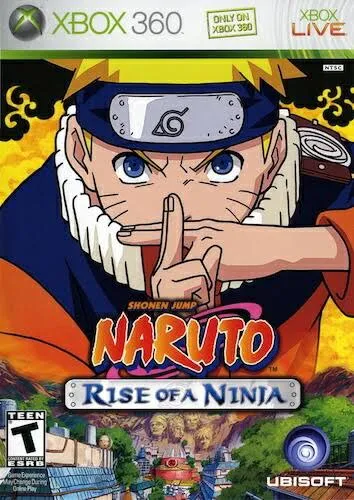
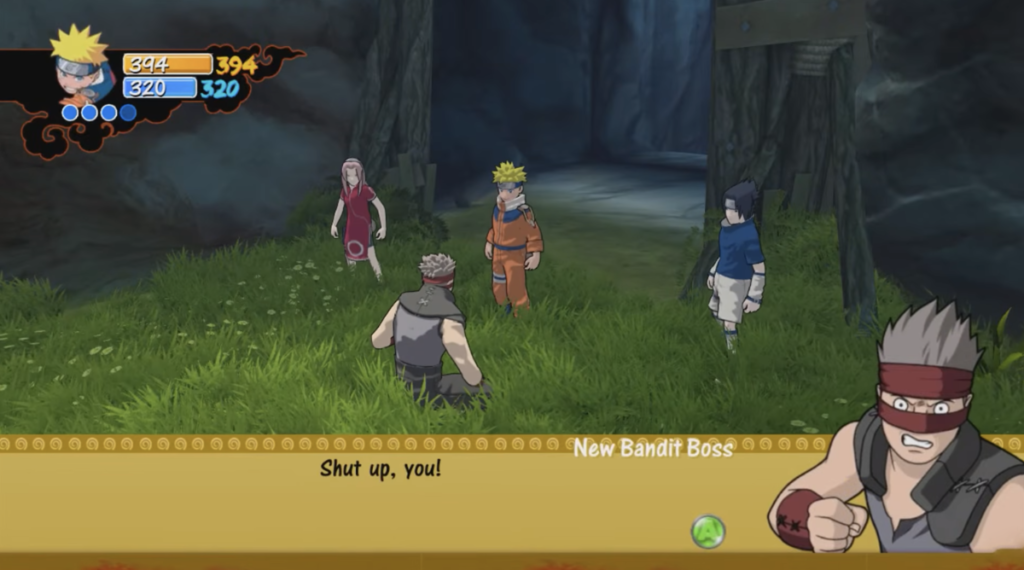
“Naruto: Rise of a Ninja” launched on October 30, 2007 in North America, November 1 in Australia and November 2 in Europe, as an Xbox 360 exclusive. It was never released in Japan. Ubisoft Montreal developed it and Ubisoft published it. It was the first Naruto game built by a studio outside Japan, and it was designed around the English-dubbed anime. Its Metacritic score is 78/100 — a favorably reviewed game.
Why Hidden Leaf Realism Scores a Perfect 100
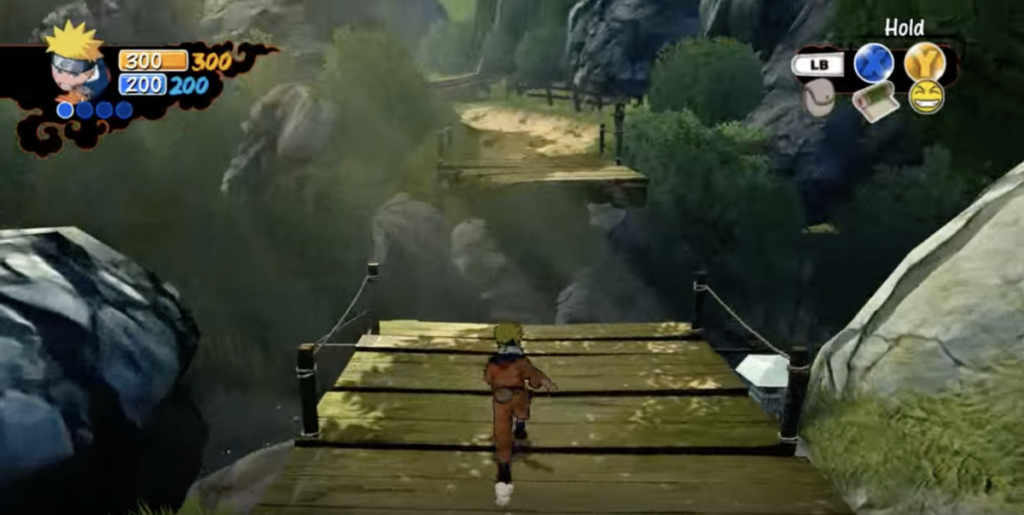
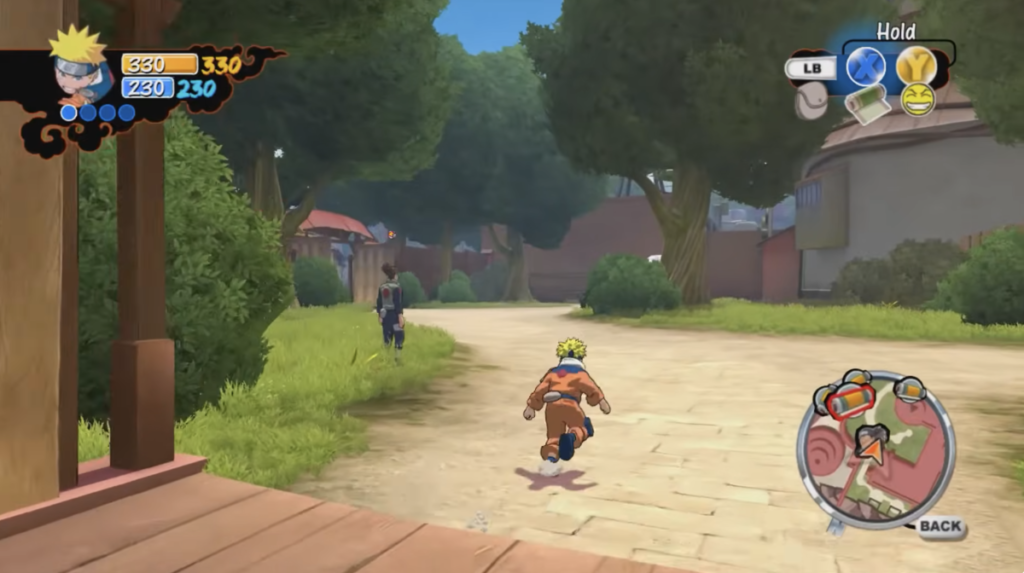
One reason. In this game you explore the Hidden Leaf Village as a 3D action-adventure. You tear across the village along the rooftops, run checkpoint races, take fetch quests from the locals, and then the game flips to a 2D fighter the moment combat starts — that hybrid structure made it obviously unlike any other licensed anime game of its era. While the Ultimate Ninja line evolved toward “play out the manga’s famous scenes,” this one swung hard in the other direction: toward living inside the world of the manga.
And here is the heart of why it takes the top spot. What makes fans cry is not flashy combat. Running the back alleys of the Hidden Leaf as Naruto, looking down on the village from a rooftop, catching the cold stares of the villagers you pass — the tears come at the moment someone who watched the anime genuinely mistakes themselves for a resident of that village. The game Ubisoft Montreal made doesn’t try to sell you on Naruto through jutsu spectacle or satisfying combos. It competes on nothing but love for the Hidden Leaf as a place and for the people who live there. Combat Feel stalls out at 75, and it still finishes with the highest total. That’s the logic.
The Time I Went All the Way to Messe Sanoh Chaos-kan to Buy It
Okay, from here on this is purely my own business. Back in 2007, word went around that a Naruto game with an open, explorable village was coming out overseas only. No Japanese release planned. I was an Xbox 360 guy, so that weekend I headed into Akihabara. My destination was Messe Sanoh Chaos-kan — the import-game specialist with that one-of-a-kind smell. It was the kind of place where titles you’d never even see the box for in Japan just sat there on the shelf like it was nothing.
When I pulled the English-language copy of “Naruto: Rise of a Ninja” off that shelf, my hands honestly shook a little. It was Naruto, and it was all in English. Naruto’s voice coming out of some strange man… no, some strange boy. And yet the second I set foot in the Hidden Leaf, I said it out loud: “This is it.” That Chaos-kan closed its old storefront on May 31, 2010 and moved to the second floor of the Messe Sanoh main store on June 7 of the same year. Then Messe Sanoh itself was absorbed into Trader on January 16, 2012, and the Messe Sanoh sign is gone from Akihabara for good. I still go to Akihabara once a week, but I’ll never forget the day I stood in front of that shelf.
For the record, after launch Ubisoft released a free download (about 60MB) that let you switch to Japanese voice acting. So even on the overseas version, there was a path to playing it with the Japanese cast. And the following year, 2008, brought the sequel, “Naruto: The Broken Bond.” I wanted to walk that village one more time, so I went hunting for the sequel on the Chaos-kan shelves too.
- A 3D action-adventure through the Hidden Leaf plus 2D fighting — a structure unique in the series
- Competes on the experience of living in the Hidden Leaf rather than combat spectacle, and the depth of that love is in a class of its own
- Metacritic 78/100, the first Naruto game developed outside Japan (Ubisoft Montreal), with a free download that switches the voices to Japanese (about 60MB)
- An Xbox 360 exclusive that never came out in Japan, so getting a copy means buying an overseas release secondhand
- It isn’t part of Xbox One or Xbox Series X|S backward compatibility, so you need actual Xbox 360 hardware to play it
No. 2: Naruto Shippuden: Ultimate Ninja Storm 4 Road to Boruto — The High-Water Mark for Reliving the Story
| Hidden Leaf Realism | Love for the Naruto World | Story Faithfulness | Combat Feel | Total Score |
|---|---|---|---|---|
| 70 | 88 | 98 | 95 | 351 |
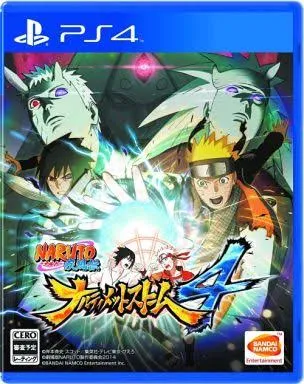
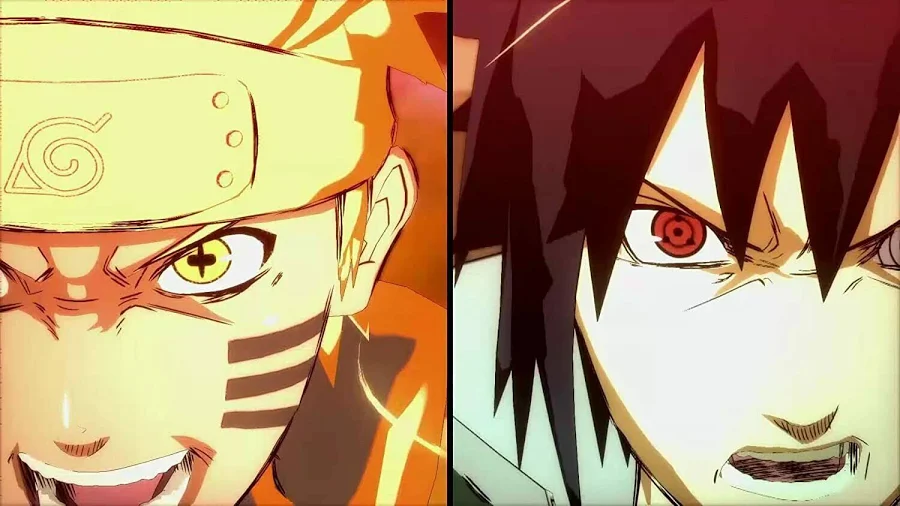
“Naruto Shippuden: Ultimate Ninja Storm 4” launched February 4, 2016 on PlayStation 4 as the finale of the Ultimate Ninja Storm series. CyberConnect2 developed it and Bandai Namco Entertainment published it. Beyond PlayStation 4, it also came to Xbox One and Windows PC. It carries the story all the way through the resolution of the Fourth Great Ninja War — the series’ grand summing-up.
The reception shows up in the numbers. According to Bandai Namco Entertainment, initial worldwide shipments passed 1.3 million units (as of February 8, 2016). Counting the added “Road to Boruto” story, cumulative shipments reached 11.88 million as of December 2022. As a first purchase you can make on current hardware, this is the optimal answer.
Why Story Faithfulness Scores 98
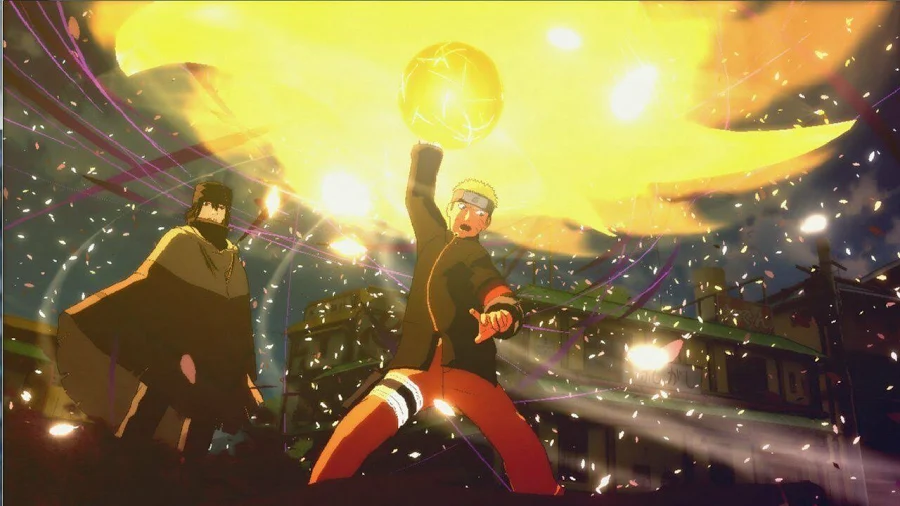
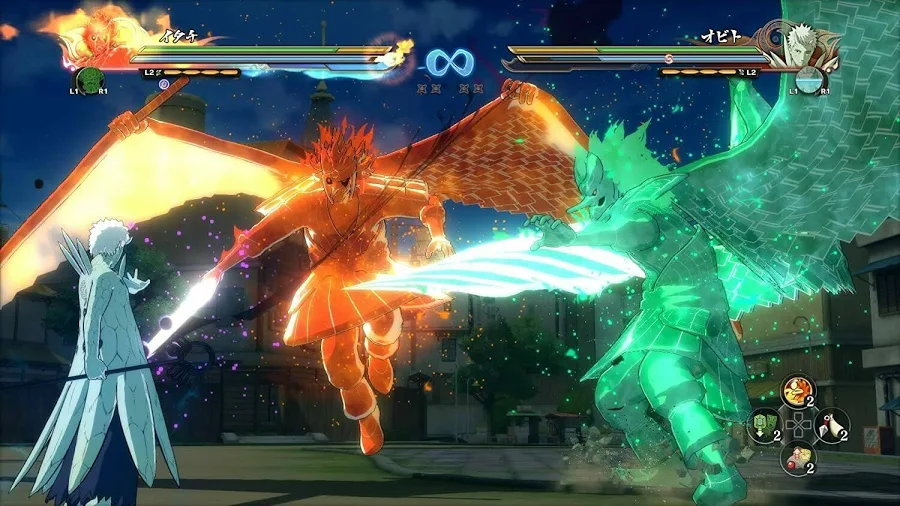
Storm 4’s battle system is built around three-character team fights where you swap the leader in and out, with equipment destruction shifting attack and defense stats, terrain and elemental matchups affecting jutsu, multi-character combination Ultimate Jutsu, and a team Awakening sync you trigger by filling the Storm Gauge — it converts the manga’s whole concept of teamwork straight into play. The moment you fire off a combo attack alongside Kakashi, your grip on the controller tightens in a way you won’t expect.
And then there are the boss fights. The anime’s signature scenes are rebuilt at enormous scale with quick-time events woven in, so you get through them by playing them instead of watching them. I’ve been following Naruto games since the PS2 days, and there is no other game where you get to punch your way through the story’s final act with your own hands. Hidden Leaf Realism sits at 70 only because walking the village isn’t as thoroughly realized as in the No. 1 pick; on the single point of recreating the story, this is the summit.
If You’re Buying Now, Get the “Road to Boruto” Version
This part matters. If you’re buying this game today, get the “Road to Boruto” version that bundles the extra content. The PlayStation 4 “Road to Boruto” release arrived February 2, 2017, adding a new chapter built around the film “Boruto: Naruto the Movie.” A Nintendo Switch version of “Road to Boruto” followed on April 23, 2020, and that one lets you fight the Fourth Great Ninja War in handheld mode from under the covers. As a guy who’s been divorced twice and has very quiet nights, that hit me harder than it should have.
- The series finale, letting you relive everything through the end of the Fourth Great Ninja War in one game
- 11.88 million cumulative shipments including Road to Boruto (as of December 2022)
- Available on PS4, Xbox One, PC and Switch (the Road to Boruto version), which makes it ideal as a first buy
- The story assumes you’re through the manga’s late arcs, so you’ll walk into spoilers if you haven’t read or watched it
- The base version and the Road to Boruto version are sold side by side, so be careful which one you grab
No. 3: Naruto X Boruto: Ultimate Ninja Storm Connections — 130 Characters, the Biggest Roster in the Series
| Hidden Leaf Realism | Love for the Naruto World | Story Faithfulness | Combat Feel | Total Score |
|---|---|---|---|---|
| 66 | 86 | 95 | 92 | 339 |
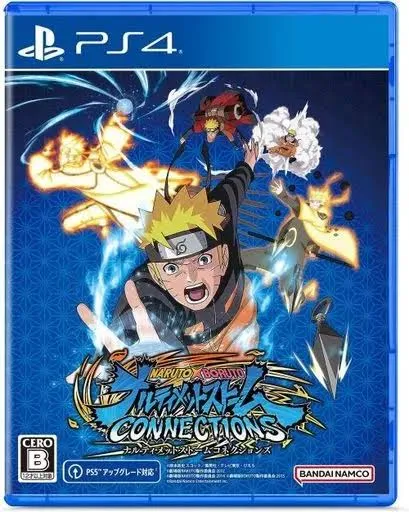
“Naruto X Boruto: Ultimate Ninja Storm Connections” arrived November 16, 2023. It was made as a 20th-anniversary project for the “Naruto” anime, and it’s the newest entry in the series. CyberConnect2 developed it and Bandai Namco Entertainment published it. It covers virtually every current platform — PlayStation 5, PlayStation 4, Nintendo Switch, Xbox Series X|S and Xbox One — and the standard edition runs 7,600 yen excluding tax (about $48, converted at roughly 157 yen to the dollar, late September 2026), with the Deluxe Edition at 9,800 yen excluding tax (about $62) and the Sound Ultimate Edition at 11,500 yen excluding tax (about $73).
Its Biggest Strength: You Never Have to Ask “Which Console Do I Own?”
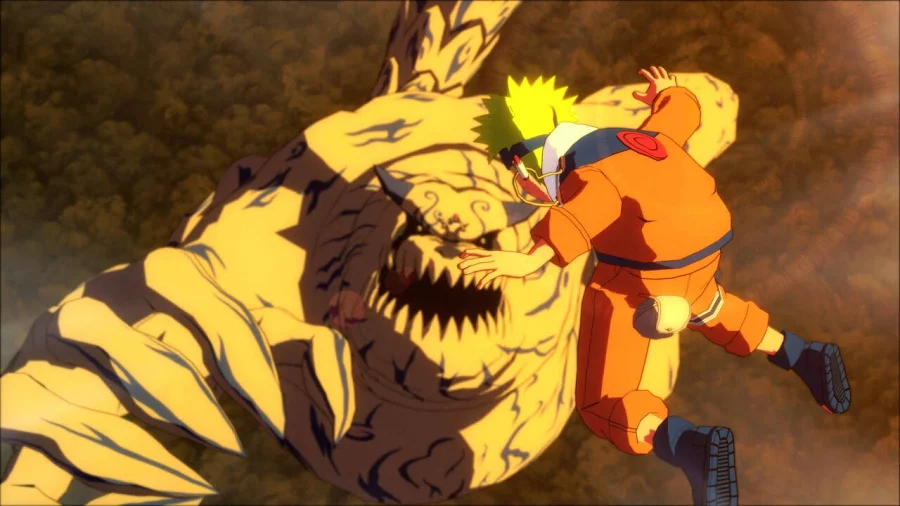
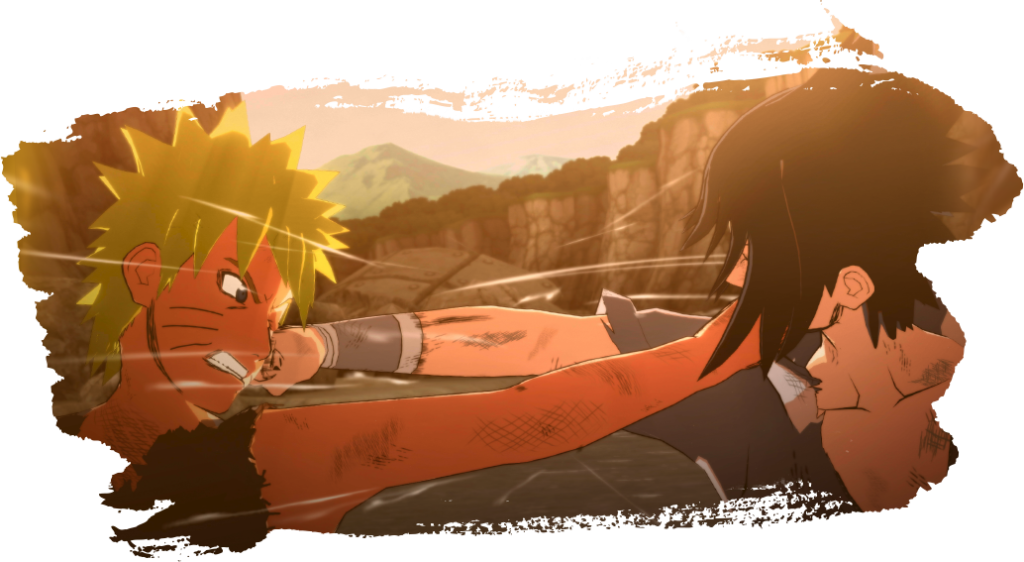
Storm 4 is a PS4-generation game, but Connections runs natively on PS5 and Xbox Series X|S. On top of that, the playable roster is the series’ largest at 130 characters. It rebuilds and packages the stories of the whole series, and it adds a special story depicting a new battle between Naruto and Sasuke. If you’re the sort of person who wants to buy exactly one Naruto game and play it for years, this is the most rational choice.
It’s also clearly considerate toward newcomers. This entry adds a “Simple” control mode so you can enjoy the sheer feel of jutsu and Ultimate Jutsu before you learn any inputs. The Ultimate Ninja games have always used few buttons, but air combos and the timing on placed jutsu still take getting used to. If you’re playing with your son or daughter, you’ll be honestly grateful for that mode.
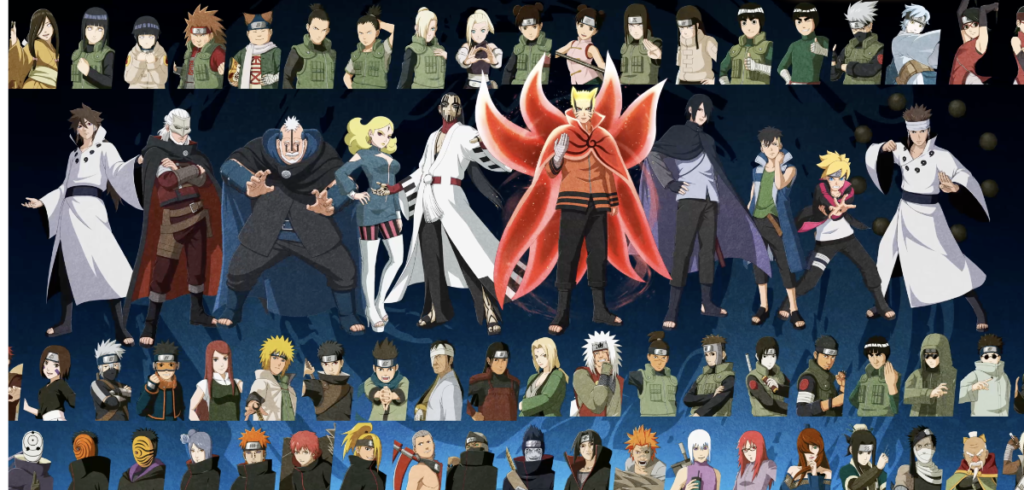
- 130 playable characters, the largest roster in series history
- Runs on PS5, PS4, Switch, Xbox Series X|S and Xbox One (standard edition 7,600 yen excluding tax / about $48)
- The “Simple” control mode makes it strong for beginners and for playing with your kids
- Because it rebuilds and compiles the whole series’ stories, it yields to Storm 4 on the narrative density of a single arc
- There are three editions, so check what’s in each and what the price gaps buy you before you commit
No. 4: Naruto Shippuden: Ultimate Ninja Storm 2 — The Game That Lets You Play Shippuden’s Defining Fight
| Hidden Leaf Realism | Love for the Naruto World | Story Faithfulness | Combat Feel | Total Score |
|---|---|---|---|---|
| 62 | 84 | 93 | 90 | 329 |
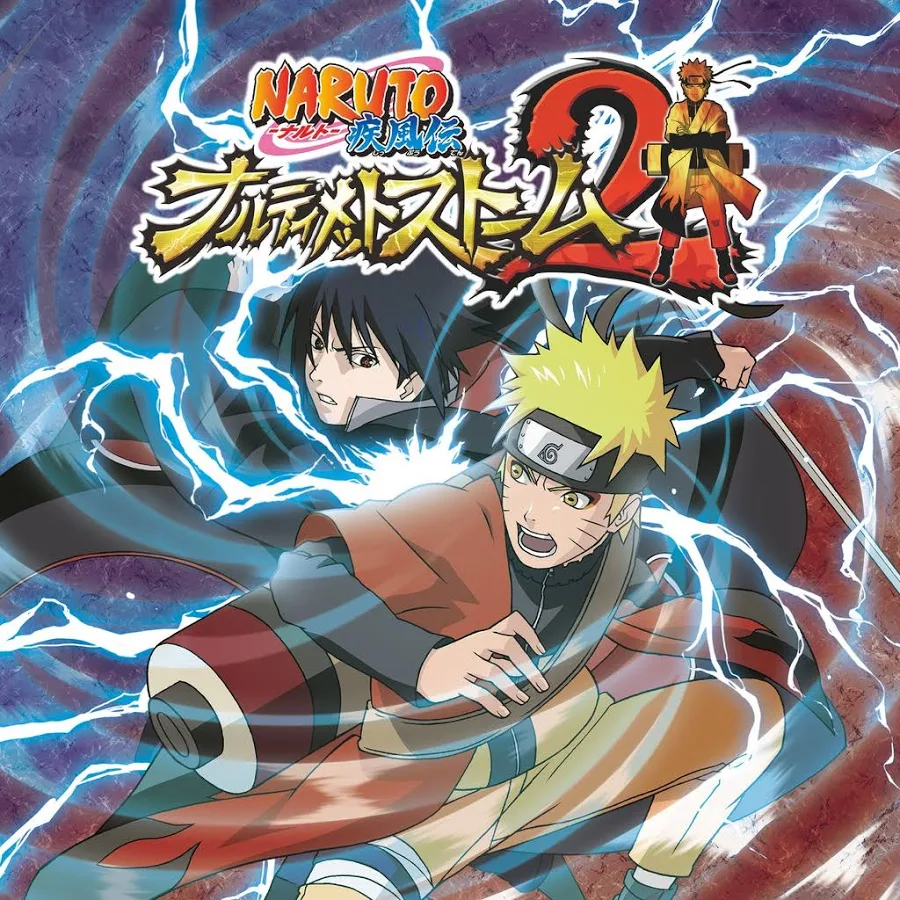
“Naruto Shippuden: Ultimate Ninja Storm 2” launched October 21, 2010 on PlayStation 3 and Xbox 360, developed by CyberConnect2. It covers everything from the opening of Shippuden through the brutal clashes with the Akatsuki, and it’s the game where the Ultimate Ninja Storm series fully acquired its signature weapon: boss-fight spectacle.
There’s a clear way to play it today. “Naruto Shippuden: Ultimate Ninja Storm Trilogy” came to Nintendo Switch on April 26, 2018 for 6,800 yen plus tax (about $43), and it collects “Ultimate Ninja Storm,” “Ultimate Ninja Storm 2” and “Ultimate Ninja Storm 3.” That single package takes you from Naruto’s childhood to the outbreak of the Ninja World War. Buying the Trilogy is dramatically faster than hunting down the second game on its own.
I played the Xbox 360 version at the time, and I still remember the feeling the first time one of those colossal boss fights filled the screen: is this really running on a home console? I was a guy who’d been floored by cel-shaded 3D on the Dreamcast, and ten years later this is where they’d carried me.
- A dense story run from early Shippuden through the fights with the Akatsuki
- Already collected in the Switch release “Ultimate Ninja Storm Trilogy” (April 26, 2018 / 6,800 yen plus tax, about $43)
- The Trilogy gets you Storm 1, 2 and 3 back to back, which is excellent value
- The PS3 and Xbox 360 versions are last-generation only, so chasing the standalone release now is inefficient
- The versus-match mind games and grind content fall short of Storm 4 and Connections
No. 5: Naruto to Boruto: Shinobi Striker — Build Your Own Ninja and Live in the Hidden Leaf a Different Way
| Hidden Leaf Realism | Love for the Naruto World | Story Faithfulness | Combat Feel | Total Score |
|---|---|---|---|---|
| 80 | 82 | 55 | 80 | 297 |
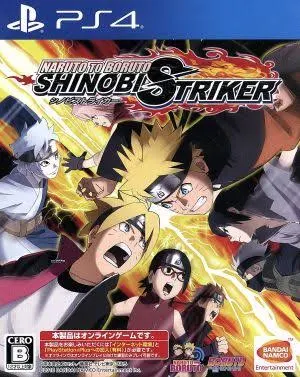
“Naruto to Boruto: Shinobi Striker” launched August 30, 2018 on PlayStation 4. The official genre label is “online acrobatic ninja battle action,” Soleil developed it and Bandai Namco Entertainment published it. The standard boxed edition runs 7,200 yen plus tax (about $46). Xbox One and PC (Steam) versions are also available.
The crux of this one is that you don’t control existing characters — you build your own avatar. You combine a deep pool of avatar parts into an original ninja and fight online. It’s a single-player game (one to eight players online), and online play on PlayStation 4 requires an internet connection and a PlayStation Plus subscription. Running up walls and swinging around on a grappling hook gives it a feel unlike anything else in the Naruto catalog.
I gave it 80 for Hidden Leaf Realism because it answers the same craving the No. 1 pick does: “I want to be a resident of Naruto’s world.” Shinobi Striker grants that wish by another route — you make an avatar and stand in an online lobby. Story Faithfulness lands low at 55 because it isn’t designed to follow a narrative, which is a difference in nature rather than a flaw.
- The only game in the series where you combine avatar parts into a ninja that’s entirely your own
- Up to eight players tangling at once in three-dimensional online battles
- Available on Xbox One and PC (Steam) as well as PS4
- It’s online-only, so it’s a poor fit if you want to relive the story solo
- Online play on PS4 requires an internet connection and a PlayStation Plus subscription
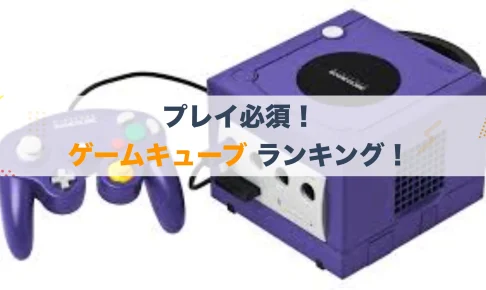
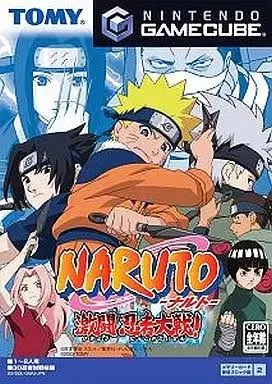
No. 6: Naruto: Gekitou Ninja Taisen! 4 — Brawling on a GameCube Pad, the Peak of the Series as a Fighting Game
| Hidden Leaf Realism | Love for the Naruto World | Story Faithfulness | Combat Feel | Total Score |
|---|---|---|---|---|
| 40 | 70 | 85 | 94 | 289 |
“Naruto: Gekitou Ninja Taisen! 4” — the Japan-only fourth GameCube entry in the series the West knew as Clash of Ninja — launched November 21, 2005 for the Nintendo GameCube. Eighting developed it and Tomy published it. It’s the final GameCube “Gekitou Ninja Taisen!” game, and it covers the manga through the Sasuke Recovery Mission arc. More than 30 characters appear, and it supports not just one-on-one but up to four players at once.
If the Ultimate Ninja line is a machine for recreating the manga, this one is a pure fighting game. Blocking, throws, air combos, and tag attacks that trigger on specific character pairings — the fighting-game skeleton underneath is properly built, and it still holds up 20 years later. When I hauled it over to a skate buddy’s place and four of us played, every single person ended up saying, “wait, this is actually legit as a fighter.” I’m convinced that was designed on purpose.
Under this article’s criteria, 40 points for Hidden Leaf Realism drops it to sixth overall, but its Combat Feel score of 94 is the highest of all seven games. If your goal isn’t “live in this world” but “hit my friends,” pick this one without hesitating. For the record, “Clash of Ninja Revolution” was released overseas on Wii, but that line stayed outside Japan. For Japanese players, the final peak of the Gekitou Ninja Taisen! series is still this fourth game.
- Combat Feel of 94 — the most accomplished fighting game of all seven
- Supports up to four players at once, which still works for a party at home today
- The last of the GameCube games, meaning the culmination of that series
- GameCube-only with no current-console port, so you need the real hardware or a GameCube-compatible Wii
- Coverage stops at the Sasuke Recovery Mission arc, so no post-Shippuden characters appear
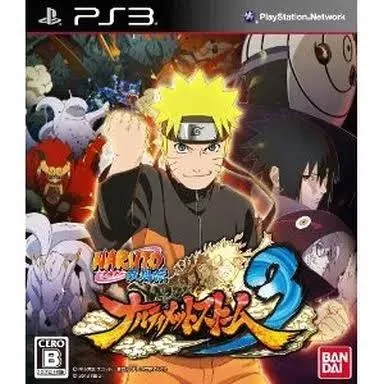
No. 7: Naruto: Ultimate Ninja 3 — The Definitive PS2-Era Take on Part I
| Hidden Leaf Realism | Love for the Naruto World | Story Faithfulness | Combat Feel | Total Score |
|---|---|---|---|---|
| 45 | 76 | 84 | 82 | 287 |
“Naruto: Ultimate Ninja 3” launched December 22, 2005 for PlayStation 2. CyberConnect2 developed it and Bandai Namco Games published it. It’s the third game counting from the first entry, “Naruto: Ultimate Ninja” (October 23, 2003, PS2), with a roster of around 42 characters. Story Mode is built so you can relive Part I’s major fights.
Looking at it with eyes trained on the spectacle of today’s Ultimate Ninja Storm games, Ultimate Ninja 3’s combat is startlingly plain. Range management that leans toward 2.5D, ninja tools thrown back and forth, and button-mashing when an Ultimate Jutsu fires. That mashing was the heat of that era. And because it stops at Part I, it’s also the game with the thickest atmosphere of the Chunin Exams and the Konoha Crush. This is the Naruto game I played most during the PS2 years, hands down. Its total is the lowest here, but only because a 20-year-old design is being measured by today’s standards.
- Around 42 characters, and you can relive Part I’s major fights
- The PS2-era Ultimate Ninja heat — mash-offs on Ultimate Jutsu and all — survives intact
- The Chunin Exams and Konoha Crush atmosphere runs thick, which will land hard for Part I fans
- PlayStation 2-only with no current-console port, so you need the hardware and a used copy
- Nothing from Shippuden onward — no later arcs, no later characters
Can You Play These 7 Classic Naruto Games on Current Consoles? A Complete Platform-by-Platform Guide
Of the seven games covered here, four are playable on current consoles. Three of them, including the No. 1 pick Naruto: Rise of a Ninja (Rise of a Ninja, Gekitou Ninja Taisen! 4, and Ultimate Ninja 3), have no port and no backward compatibility, so you need the original hardware.
1. Titles Playable via Subscription or Free
For the seven games in this article, I could not confirm any subscription-service availability as of the time of research (September 2026). Assume Naruto games are, as a rule, standalone purchases. That said, subscription lineups rotate, so if you’re a member it’s worth searching “NARUTO” inside each service.
| Title | Subscription availability (as of September 2026) |
|---|---|
| All seven games in this article | Not confirmed (standalone purchase is the norm) |
2. Titles Playable by Buying Them Outright
These four are the ones you can buy right now for a current console. Storm 4 Road to Boruto and Connections in particular run natively on current hardware, so there’s nothing to agonize over.
| Title | Platforms | Notes |
|---|---|---|
| Ultimate Ninja Storm 4 Road to Boruto | PS4 / Xbox One / PC / Switch | Switch version released April 23, 2020 |
| Ultimate Ninja Storm Connections | PS5 / PS4 / Switch / Xbox Series X|S / Xbox One | Standard edition 7,600 yen excluding tax (about $48) |
| Ultimate Ninja Storm Trilogy | Switch | 6,800 yen plus tax (about $43) / includes Storm 1, 2 and 3 |
| Shinobi Striker | PS4 / Xbox One / PC (Steam) | Online-only; the PS4 version requires PS Plus |
3. Titles Playable via Remaster or Remake
The last-generation Ultimate Ninja Storm games survive on current hardware in the form of ports and rebuilds. This is the single most welcome thing about the state of Naruto games today.
| Original title | How to play it now | Platform |
|---|---|---|
| Ultimate Ninja Storm 2 (PS3 / Xbox 360) | Ultimate Ninja Storm Trilogy (April 26, 2018) | Switch |
| The stories of the whole Ultimate Ninja Storm series | Ultimate Ninja Storm Connections (rebuilt and collected, 130 characters) | PS5 / PS4 / Switch / Xbox |
4. Titles That Are Hard to Get on Current Hardware
These three are the problem. None of them were ported, so your only option is assembling the original hardware and software. The fact that the No. 1 pick, Rise of a Ninja, falls into this bucket is this article’s sore spot. I’ve listed substitutes alongside them.
| Title | What you need | Alternative |
|---|---|---|
| Naruto: Rise of a Ninja (never released in Japan / No. 1) | Xbox 360 hardware plus an overseas copy (no backward compatibility) | The sequel Naruto: The Broken Bond (2008, also Xbox 360) / Shinobi Striker if you want to live in the village as your own ninja |
| Gekitou Ninja Taisen! 4 | GameCube hardware (or a GameCube-compatible Wii) | Connections, if versus play is the point |
| Naruto: Ultimate Ninja 3 | PlayStation 2 hardware | Storm 1 in the Trilogy, to relive Part I |
The bottom line: if you’re buying your first one, choose from the four available on current consoles. If you’ve already been through the obvious picks, though, the remaining three are the mountain actually worth digging into. Rise of a Ninja especially turns up in limited numbers on the Japanese secondhand market, so if you spot one, I’d say grab it on the spot.
Enjoying this article? Add us as a preferred source on Google.
The Best Naruto Games Ranked: Which One Should You Actually Buy?
Let me restate the conclusion. No. 1, “Naruto: Rise of a Ninja” (released October 30, 2007 in North America / Xbox 360 exclusive / never released in Japan / developed by Ubisoft Montreal, published by Ubisoft / Metacritic 78 / free download adds Japanese voices) did not win on combat polish. It took the top spot on the experience of walking the Hidden Leaf Village with your own feet — in other words, on the sheer depth of its love for the world of Naruto itself. What makes fans cry isn’t the spectacle of an Ultimate Jutsu; it’s the fact that you’re standing in that village.
It is, however, hard to get hold of. The realistic first purchase you can make on current hardware is No. 2, “Naruto Shippuden: Ultimate Ninja Storm 4 Road to Boruto” (released February 4, 2016 / developed by CyberConnect2 / PS4, Xbox One, PC, with the Road to Boruto version on Switch from April 23, 2020 / 11.88 million cumulative shipments) and No. 3, “Naruto X Boruto: Ultimate Ninja Storm Connections” (released November 16, 2023 / standard edition 7,600 yen excluding tax, about $48 / PS5, PS4, Switch, Xbox Series X|S, Xbox One / 130 playable characters).
For a thick dose of Shippuden’s Akatsuki arc, go to No. 4, “Ultimate Ninja Storm 2” (October 21, 2010 / included in the Switch Trilogy at 6,800 yen plus tax, about $43). To build your own ninja and live in the village, No. 5, “Shinobi Striker” (August 30, 2018 / 7,200 yen plus tax, about $46 / online-only). To throw down as a fighting game, No. 6, “Gekitou Ninja Taisen! 4” (November 21, 2005 / GameCube / developed by Eighting, published by Tomy / Combat Feel of 94, the highest of all seven). And to soak in the atmosphere of Part I, No. 7, “Naruto: Ultimate Ninja 3” (December 22, 2005 / PS2 / around 42 characters). The order here is the result of a “love for the world” standard, so if your goal is different, feel free to shop from the bottom of the list without apology.
The SpotGeeks editorial team’s conclusion is simple. Line up Naruto games by combat quality and the Ultimate Ninja Storm entries will always float to the top. But speaking as someone who has followed this series for more than 20 years, the thing that stays in a fan’s memory longest is the time spent walking the Hidden Leaf. That’s why this article puts Naruto: Rise of a Ninja at No. 1. Never released in Japan, Xbox 360 exclusive, no backward compatibility — every condition is as bad as it gets. And it still wins today on one point alone: you got to live in that village.
…Once you’ve felt that rush even once — riding the train home from Akihabara with an import box under your arm — you end up going back to peek at the import shelves again and again. Not that a guy with two divorces behind him has any business giving advice.
Read Next
Snicker Kitamura





Leave a Reply