
Enjoying this article? Add us as a preferred source on Google.
Let’s cut to the chase. Our No. 1 Final Fantasy for 2026 is FF7 Rebirth (370 points overall). And the one newcomers should play first is No. 3, FF7 Remake Intergrade — start there, then move up to Rebirth. That’s the best route available today. Whether you’re hunting the greatest entry in series history or agonizing over where to begin, this article’s four-axis scoring should hand you the answer.
- A full comparison chart scoring all 17 titles on four axes, out of 100 points each
- From the FF7 trilogy to the Pixel Remasters — every Final Fantasy you can play in 2026
- Where should series first-timers start? Axis-by-axis picks that land for veterans too
- Instant answers to FF FAQs (Which is the greatest? Where to start? Playable on current hardware?)
When someone says the words “Final Fantasy,” which game’s face floats up first? Born in 1987, this series has reinvented its world, systems, and graphics with every numbered entry, earning love as “a different game every single time.” That overwhelming diversity — something no other RPG series can touch — is exactly why FF has stayed on the front line for nearly 40 years.
The SpotGeeks editorial team scored all 17 Final Fantasy titles you can actually buy and play in 2026 — on Steam, Switch, PS5, and beyond — across four axes: Ease of Play, Graphics, Story, and Replay Value. From the Pixel Remaster series to the latest FF7 Rebirth, everything is scored on a level playing field and presented here as a TOP 17.
“I want to pick my very first FF.” “I’m coming back after years away — am I behind on the latest games?” This article answers those questions with hard numbers. Check the comparison chart against the axis you care about most, and go find your perfect game.
All 17 Final Fantasy Games Compared: The Full Score Chart
We scored every game out of 100 on four axes: Ease of Play, Graphics, Story, and Replay Value. Graphics are judged on the version you can play today (Pixel Remaster, HD remaster, and so on). Don’t stop at the total score — pick the best game on the axis you personally value most.
| Title | Ease of Play | Graphics | Story | Replay Value | Total Score |
|---|---|---|---|---|---|
| FF7 Rebirth | 85 | 98 | 92 | 95 | 370 |
| FF14 Online | 70 | 88 | 98 | 98 | 354 |
| FF7 Remake Intergrade | 88 | 95 | 88 | 82 | 353 |
| FF6 Pixel Remaster | 85 | 80 | 95 | 90 | 350 |
| FF16 | 88 | 95 | 85 | 78 | 346 |
| FF10/10-2 HD Remaster | 82 | 82 | 92 | 88 | 344 |
| FF9 | 82 | 72 | 95 | 88 | 337 |
| FF12 Zodiac Age | 75 | 80 | 82 | 92 | 329 |
| FF15 Royal Edition | 85 | 88 | 72 | 80 | 325 |
| FF4 Pixel Remaster | 82 | 75 | 88 | 78 | 323 |
| FF5 Pixel Remaster | 80 | 75 | 72 | 92 | 319 |
| FF7 (Original) | 78 | 62 | 95 | 82 | 317 |
| FF8 Remastered | 75 | 75 | 85 | 82 | 317 |
| FF13 | 68 | 82 | 80 | 75 | 305 |
| FF3 Pixel Remaster | 75 | 72 | 65 | 80 | 292 |
| FF2 Pixel Remaster | 65 | 70 | 68 | 65 | 268 |
| FF1 Pixel Remaster | 72 | 70 | 58 | 60 | 260 |
Powered by a 98 in Graphics, FF7 Rebirth tops the entire field with 370 total points. Story is a battleground: FF14, FF6, FF9, and the original FF7 all line up at 95 or above. In Replay Value, FF14 dominates with a 98, embodying the “world without end” only an MMO can offer. From first place to seventeenth, choose your best game on the axis that matters most to you.

No. 1: FF7 Rebirth — Graphics 98, Replay Value 95. The Biggest RPG Experience of 2025
| Ease of Play | Graphics | Story | Replay Value | Total Score |
|---|---|---|---|---|
| 85 | 98 | 92 | 95 | 370 |
Final Fantasy VII Rebirth launched for PC (Steam) on January 23, 2025, following its PS5 release on February 29, 2024. On Metacritic it holds a 93 on PS5 and a 91 on PC — the highest marks any recent Final Fantasy has earned (as of May 2026). The Steam version peaked at over 40,000 concurrent players right after launch, going into the books as “the biggest Steam debut ever for a standalone single-player FF.”
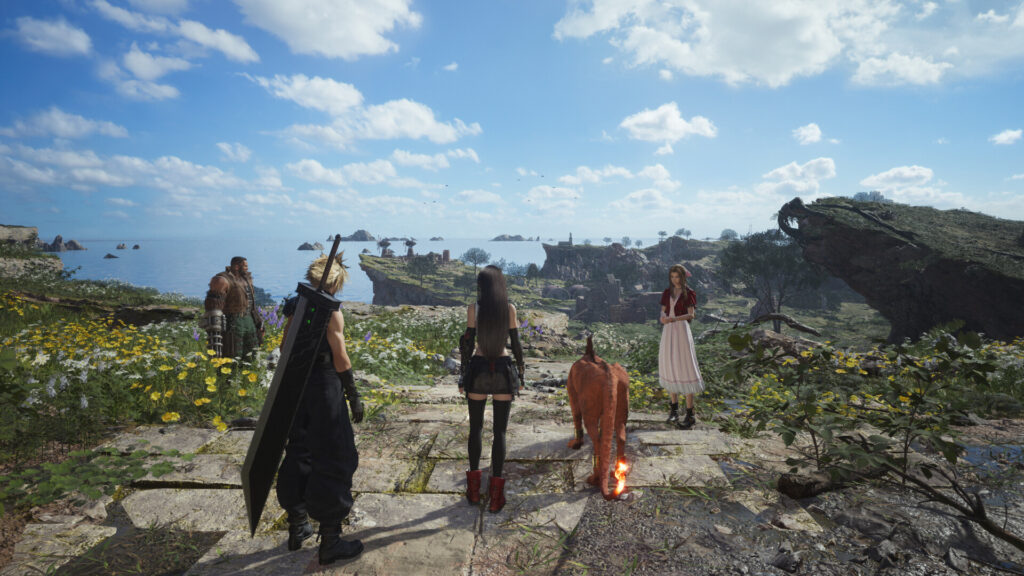
The 98 for Graphics comes down to the sheer beauty of the vast open-zone world that unfolds after the escape from Midgar. Grasslands, deserts, jungle, snowy peaks — every biome is rendered photorealistically, putting this among the very best-looking console RPGs of 2026. Combat, too, dramatically evolves FF7 Remake’s action-command hybrid, and you can freely control characters beyond the core trio of Cloud, Aerith, and Tifa.
A 95 for Replay Value is FF7 Rebirth’s greatest strength. The main story alone runs 40 to 50 hours, and clearing every side quest, minigame, and collectible pushes past 150 hours. The minigames are so fully built out that players report “sinking 20 hours into the Gold Saucer card game alone.” It’s a sequel to FF7 Remake, yes — but the world’s appeal comes through even on its own.
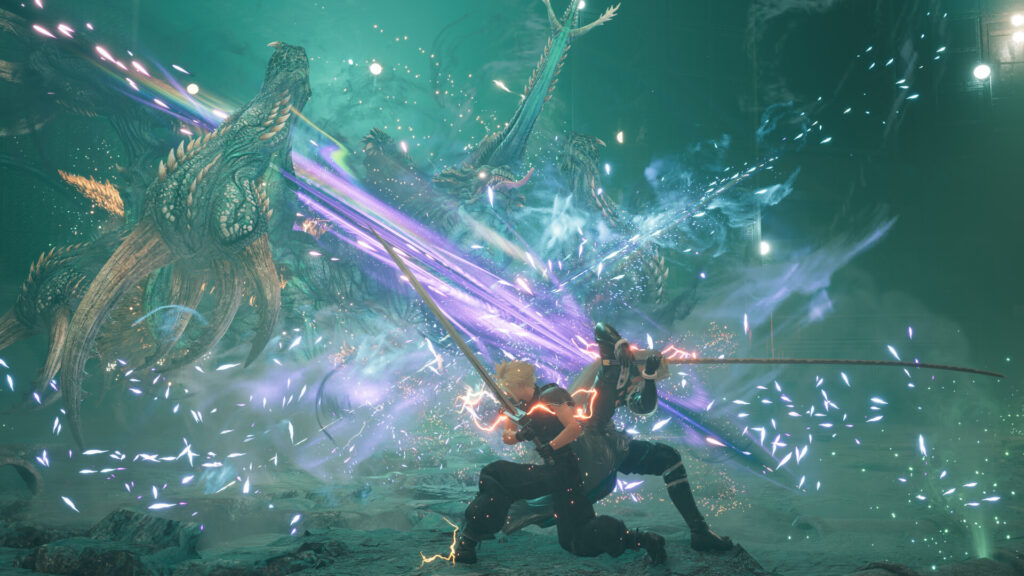
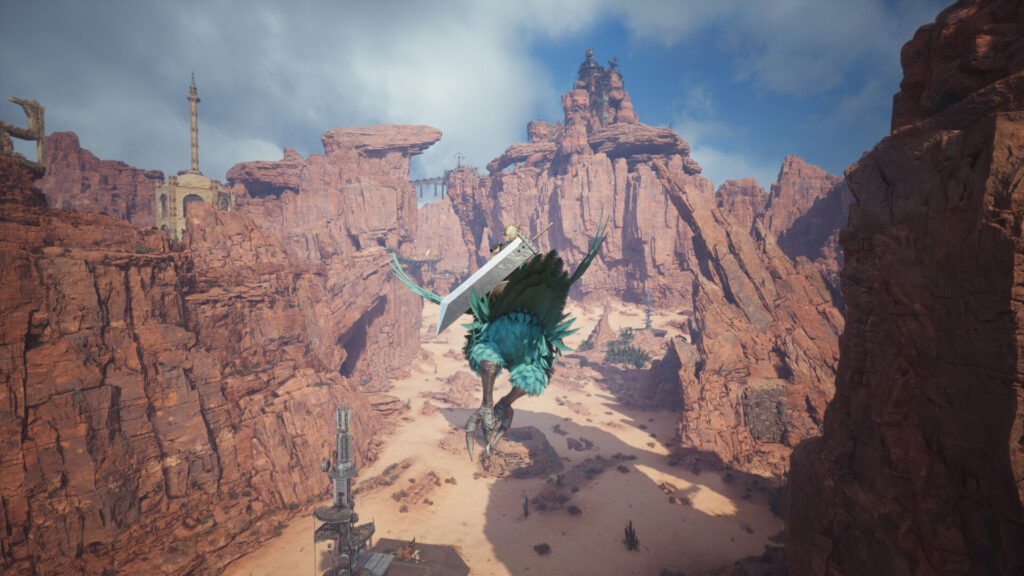
- Metacritic: 93 on PS5, 91 on PC — the series’ best recent scores (as of May 2026)
- 40-50 hours for the main story, over 150 hours if you do everything
- Graphics 98: sprawling open zones spanning grasslands, deserts, jungle, and snowy mountains
- It’s a direct sequel to FF7 Remake — play No. 3, Remake Intergrade, first if you haven’t
- Steam list price 9,780 yen (check its sale-discount history)
No. 2: FF14 Online — Story 98 and Replay Value 98, a Double Crown. 14 Years Running as “the Best FF”
| Ease of Play | Graphics | Story | Replay Value | Total Score |
|---|---|---|---|---|
| 70 | 88 | 98 | 98 | 354 |
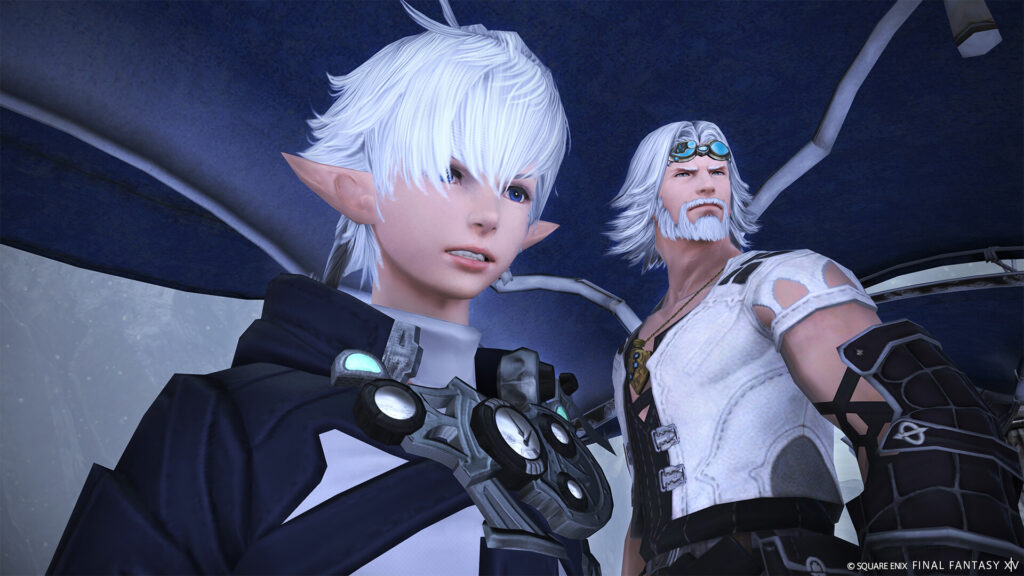
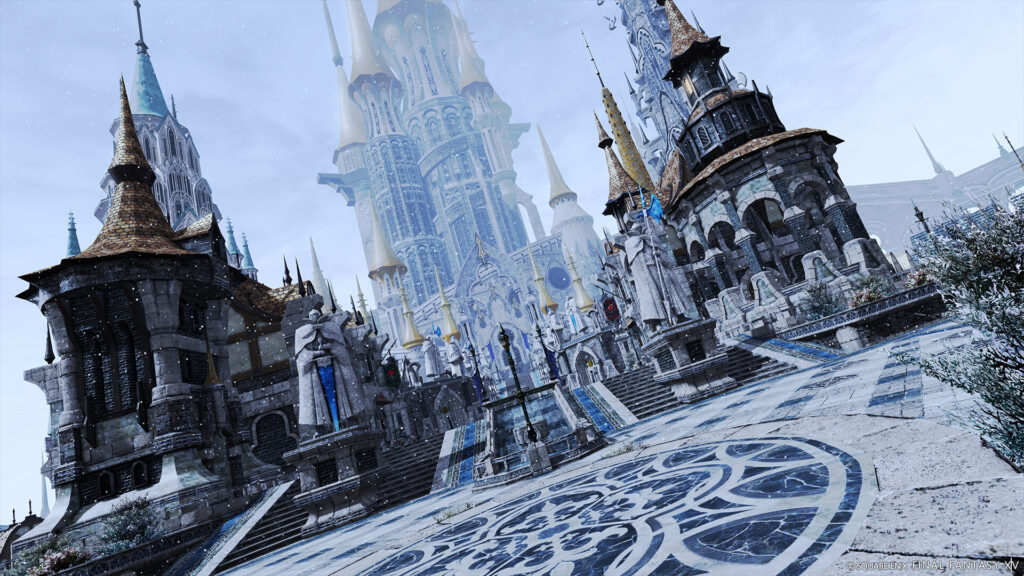
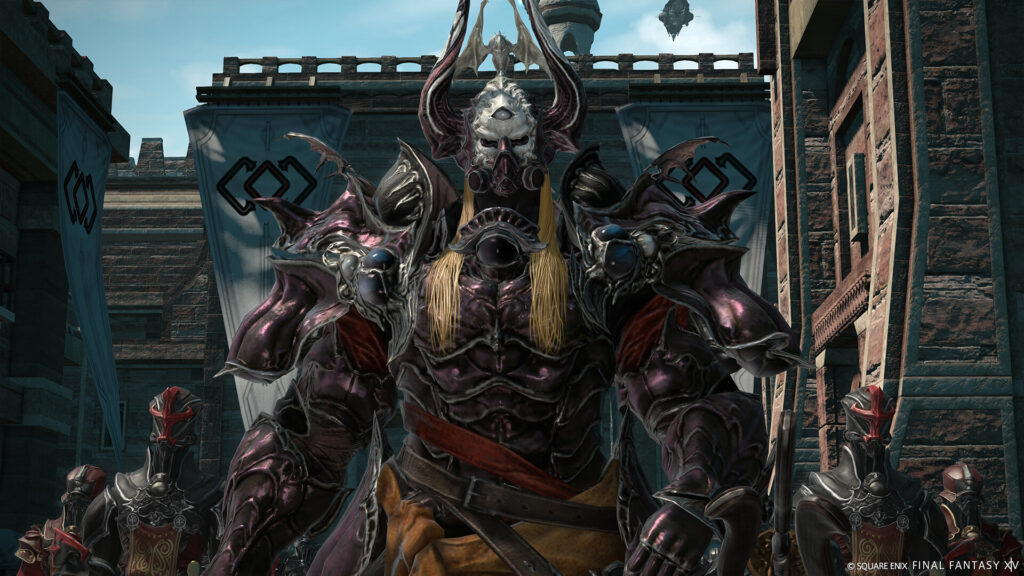
Final Fantasy XIV Online is the series’ only MMORPG, running since 2013’s A Realm Reborn relaunch and still receiving updates in 2026 under its latest expansion, Dawntrail. The Steam version boasts a Steambase Player Score of 87/100 (“Very Positive” across 84,235 reviews). The free trial lets you play at no cost all the way to level 60 and the end of the first expansion chapter, Heavensward.
The 98 for Story is carried by three expansions: Heavensward, Shadowbringers, and Endwalker. Shadowbringers in particular is remembered as “one of the greatest scenarios in gaming history,” with wave after wave of players admitting they sobbed at its ending. Despite being an MMORPG, its reputation as “perfectly playable as a single-player FF” is well established — solo players shouldn’t feel shut out.
The case for a 98 in Replay Value is brutally simple — 14 years of content, all of it still playable. Raids, PvP, endgame, crafting, housing, mount collecting: dig anywhere and you never hit bottom. Subscriptions run from 1,100 yen (Entry) to 1,500 yen (Standard) per month, tax included; we recommend starting with the free trial to get a feel for the world first.
- The free trial covers everything up to level 60 and the end of Heavensward, completely free
- Story 98 — Shadowbringers is hailed as one of the greatest scenarios in gaming history
- An MMORPG with 14 years of content still fully playable: Replay Value 98
- Requires a monthly subscription (Entry 1,100 yen to Standard 1,500 yen, tax included)
- No offline play — a constant internet connection is mandatory
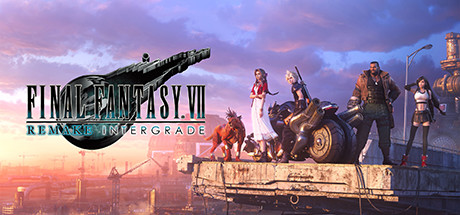
No. 3: FF7 Remake Intergrade — Ease of Play 88. The Perfect Entry Point, and the Series’ Finest Action RPG
| Ease of Play | Graphics | Story | Replay Value | Total Score |
|---|---|---|---|---|
| 88 | 95 | 88 | 82 | 353 |
FINAL FANTASY VII REMAKE INTERGRADE is the upgraded version of FF7 Remake, which launched on PS4 in 2020; the PC version arrived in 2021. On Steam it holds 87% “Very Positive” across more than 18,635 reviews, while Metacritic has the PC version at 88 with a 94% critic recommendation rate (as of May 2026). List price is 9,780 yen, but 50%-off sales come around often.
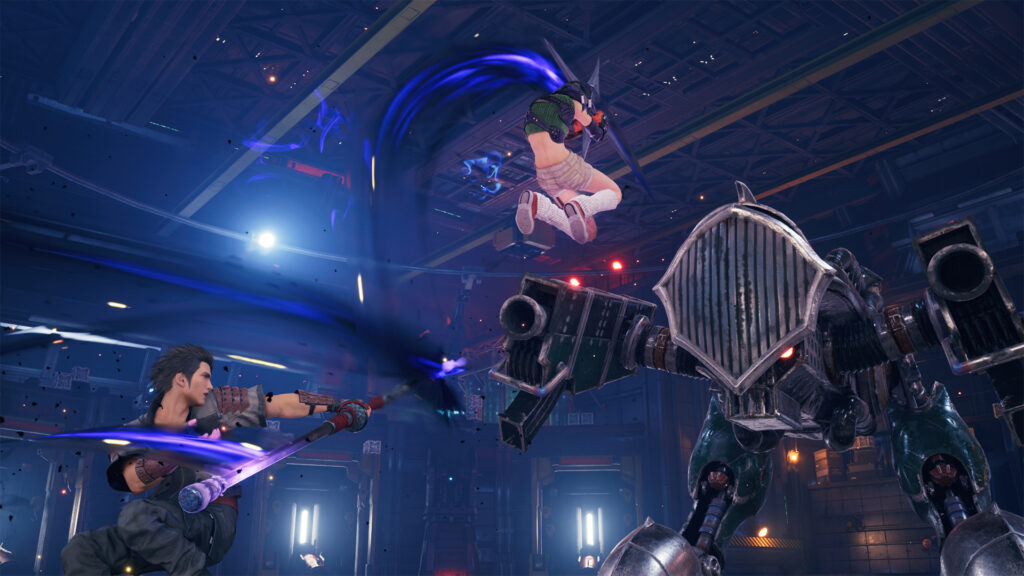
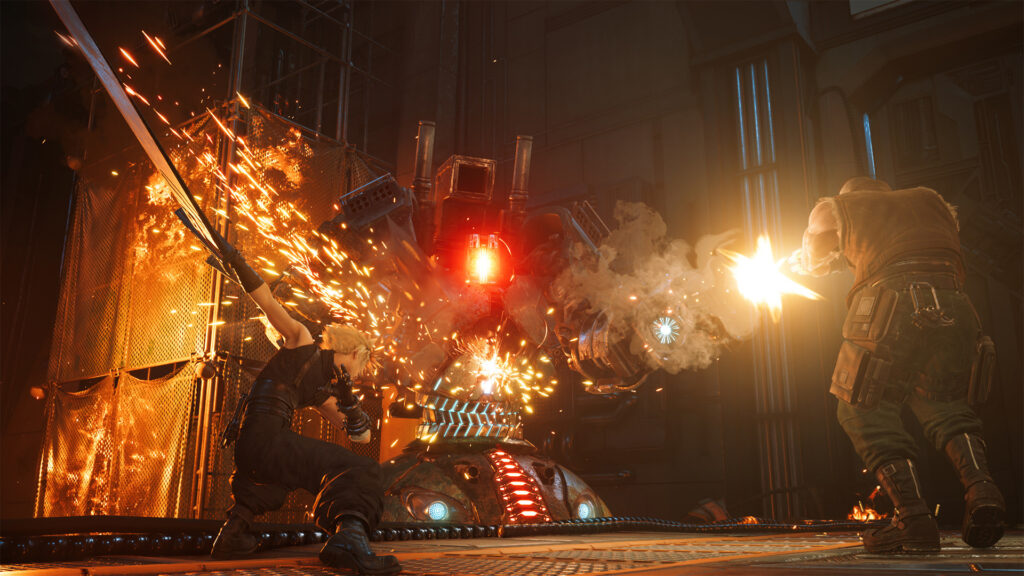
The 88 for Ease of Play reflects just how polished this is as an action RPG. The hybrid design — charge the ATB gauge, then pick your commands — even offers a Classic Mode with fully automated combat for players who can’t stand action games. And Normal Mode, for real-time action fans, stays intuitive with a low learning cost.
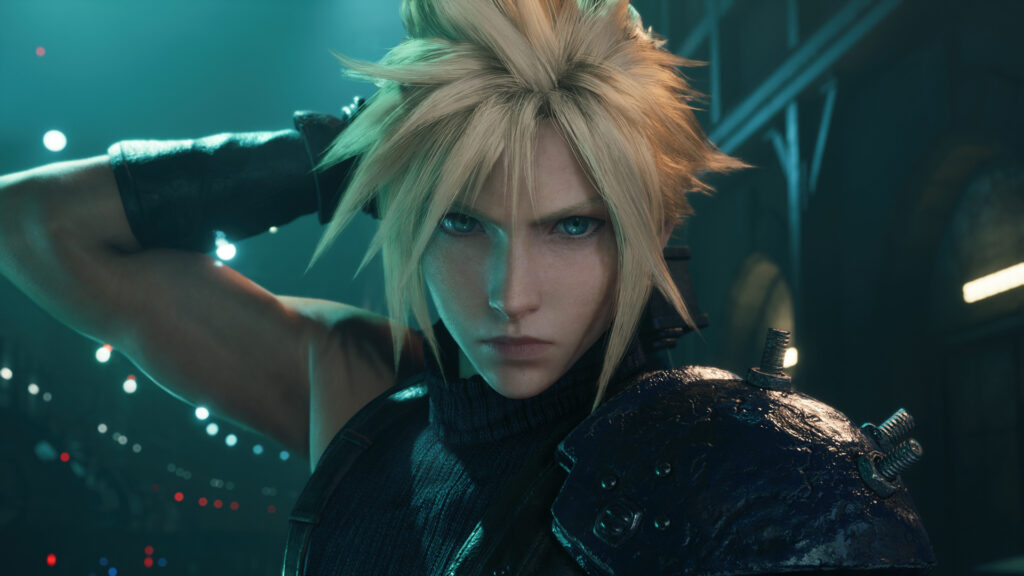
The 95 for Graphics is the payoff of rendering the sealed city of Midgar in photorealistic detail. The dim back alleys of the slums, the looming menace of the Shinra Building, the light spilling into Aerith’s church — every location is finished with cinematic flair. It’s the ideal on-ramp to FF7 Rebirth: start with Remake, continue to Rebirth. That’s today’s best play route.
- Classic Mode allows fully automated combat — no action skills required
- The “Remake to Rebirth” path is the best entry into the FF7 trilogy
- Metacritic 88 on PC; 87% “Very Positive” on Steam (18,635+ reviews)
- Covers only the Midgar arc — the story continues in FF7 Rebirth (part two)
- List price 9,780 yen (Steam; has hit 50% off in past sales)
No. 4: FF6 Pixel Remaster — Story 95, a Stone-Cold Masterpiece. The SNES Era’s Greatest Scenario, Reborn
| Ease of Play | Graphics | Story | Replay Value | Total Score |
|---|---|---|---|---|
| 85 | 80 | 95 | 90 | 350 |
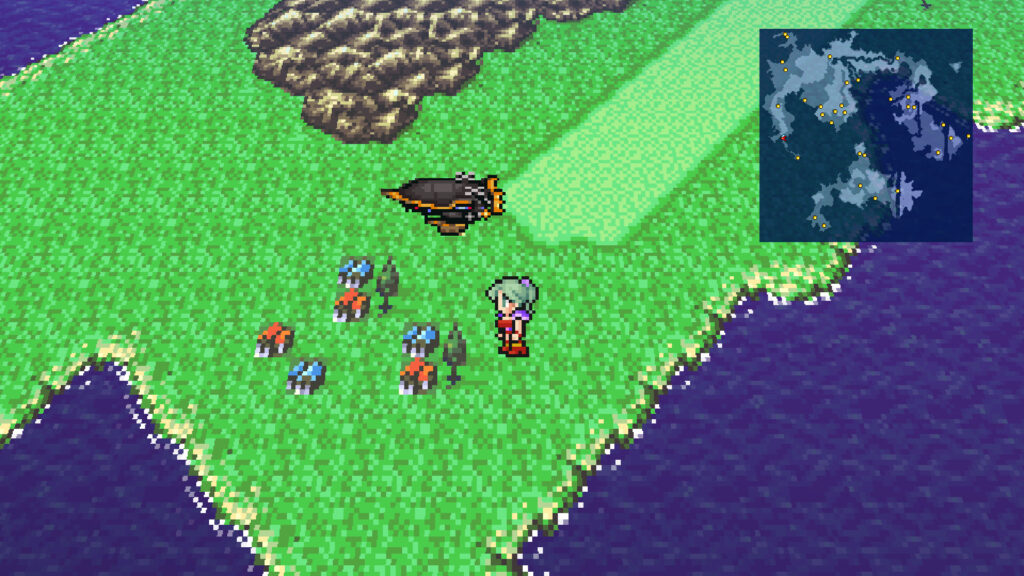
Final Fantasy VI Pixel Remaster hit Steam in February 2022 and was ported to Switch and PS4 in April 2023. The Steam version costs 2,090 yen (1,360 yen during 35%-off sales) and remasters the 1994 Super Famicom original’s pixel art into gorgeous HD. This is the legendary game so many fans call the “masterpiece of the pixel era” for the entire series.
The 95 for Story ties for the highest score in this ranking. Each of the 14 party members gets a unique backstory and a moment in the spotlight, and the game works as a true ensemble drama while carrying grand themes — empire and magic, the world’s ruin and rebirth. Final boss Kefka perennially places near the top of fan polls worldwide as “the most memorable FF villain.”
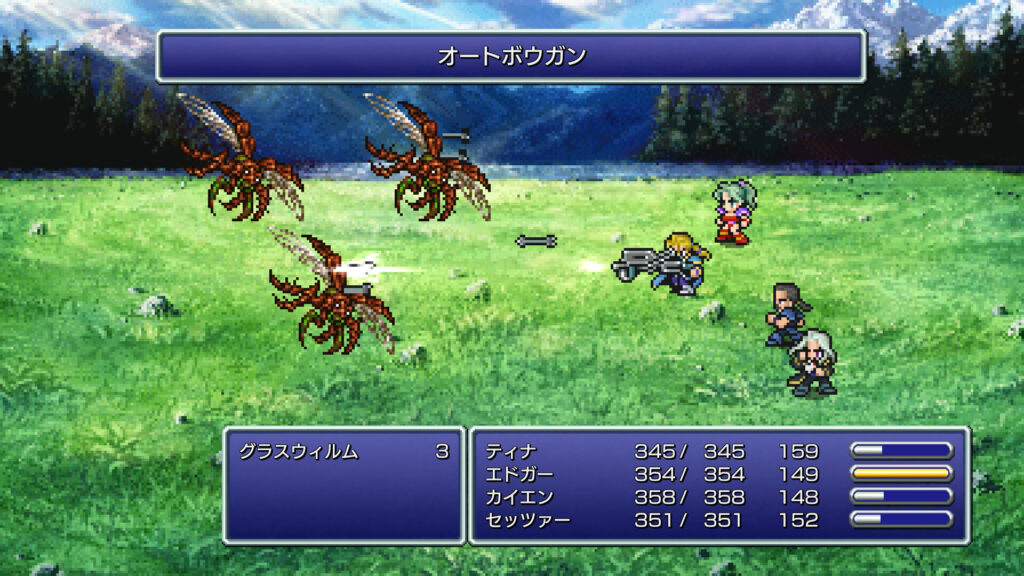
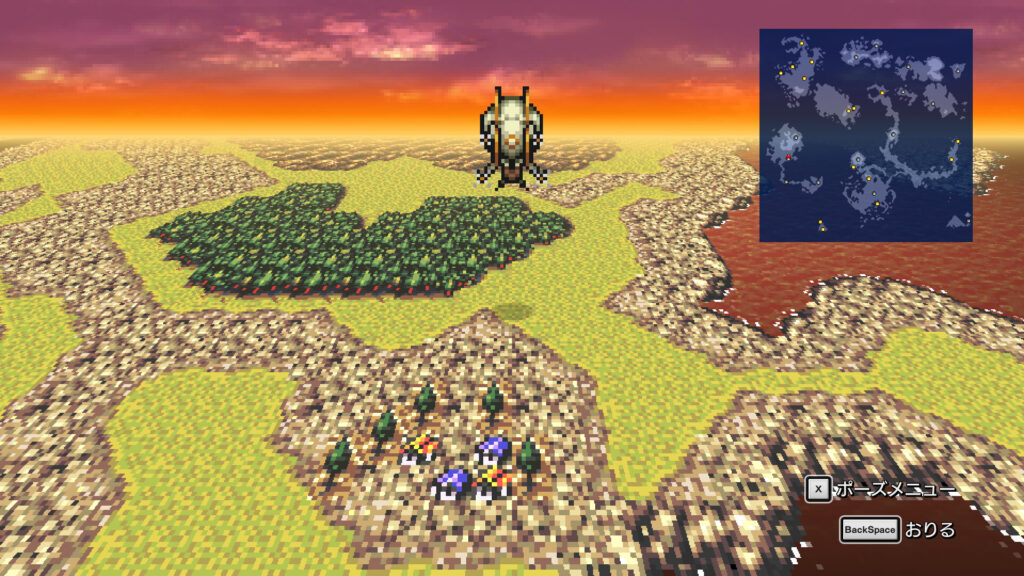
The 90 for Replay Value comes from sheer freedom. In the post-cataclysm scenario you roam at will to reunite your scattered party, and the balance is designed so any lineup can finish the game. Magicite customization runs deep, and deciding who becomes your mage gives every playthrough its own personality. With auto-battle and speed boost, the Pixel Remaster plays comfortably even in 2026.
- 2,090 yen on Steam (1,360 yen on sale) for one of the most acclaimed games in the series
- Story 95 — final boss Kefka is renowned as the series’ greatest villain
- Auto-battle and speed boost make it comfortable to play in 2026
- Pixel-art visuals — don’t expect modern graphical spectacle
- Recruiting all 14 party members takes careful, thorough play
No. 5: FF16 — Graphics 95 and an Action-RPG Revolution. Final Fantasy Goes Full Action Game
| Ease of Play | Graphics | Story | Replay Value | Total Score |
|---|---|---|---|---|
| 88 | 95 | 85 | 78 | 346 |
Final Fantasy XVI launched on PS5 in June 2023, with the PC (Steam) version following on September 17, 2024. Critics rated it highly: Metacritic 84, an OpenCritic “Mighty” 87, and a 91% recommendation rate (as of May 2026). The Steam Complete Edition (including the DLCs Echoes of the Fallen and The Rising Tide) costs 9,790 yen, with Steam user reviews at 79% “Mostly Positive.”
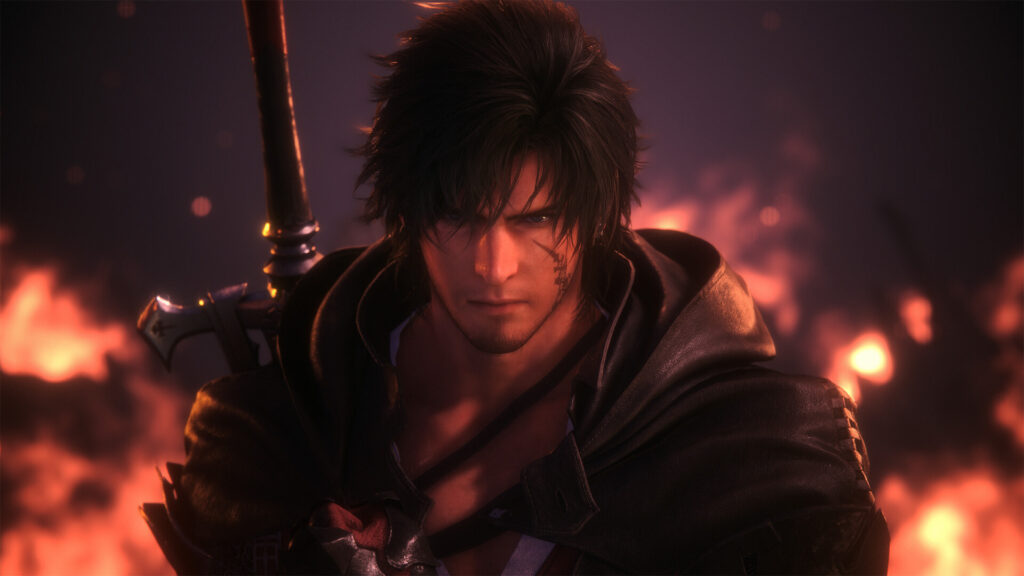
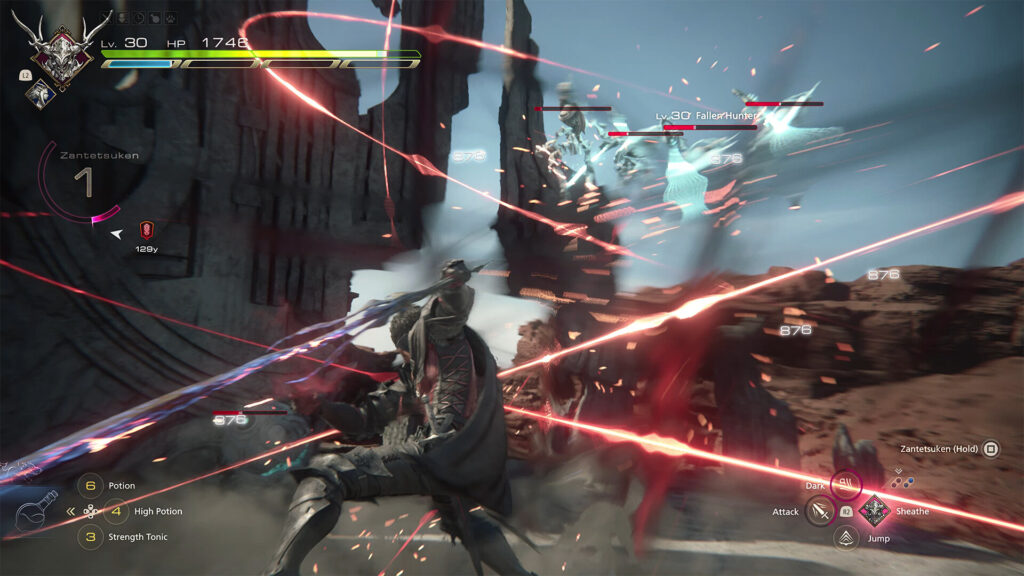
The 88 for Ease of Play reflects some of the finest action design in the series. Chaining combos built on Eikon abilities feels fantastic, and the experience stays coherent throughout: follow the story, enjoy exhilarating action. The Story Focus difficulty keeps things safe even for action-averse players. But in the interest of honesty — there are zero command-RPG elements here, so players craving traditional FF may bounce off.
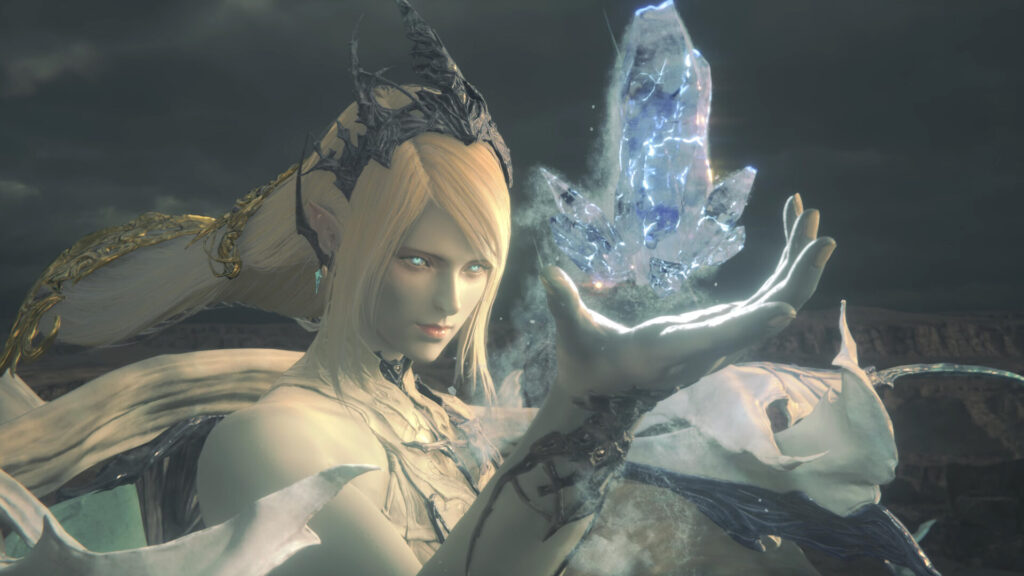
The 95 for Graphics stands level with FF7 Rebirth at the series’ peak. The opening Phoenix-versus-Ifrit battle, the frozen battlefield of Shiva versus Ramuh — the colossal Eikon clashes deliver moment after moment that feels beyond the limits of video game staging. That said, the 78 for Replay Value tells the truth: post-game content is on the thin side, and a single clear can feel like closure.
- Eikon summon battles hit the visual ceiling for console RPGs: Graphics 95
- Story Focus mode means even action-averse players can enjoy it
- The Complete Edition (both DLCs included) covers the full FF16 experience for 9,790 yen
- Zero command-RPG elements — may not suit players who want traditional FF
- Replay Value 78: light post-game content, and one playthrough can feel like enough
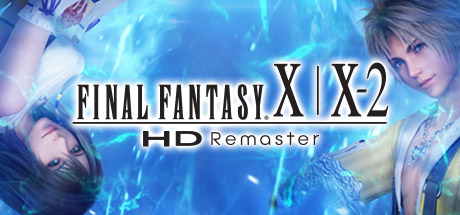
No. 6: FF10/10-2 HD Remaster — Story 92 and Pure Emotion. Tidus and Yuna’s Journey Hasn’t Aged a Day
| Ease of Play | Graphics | Story | Replay Value | Total Score |
|---|---|---|---|---|
| 82 | 82 | 92 | 88 | 344 |
Final Fantasy X/X-2 HD Remaster bundles FF10 (originally released for PS2 in 2001) with its sequel FF10-2, and is still available on Steam (3,630 yen) and Switch. FF10 was the revolution that brought full voice acting and cinematic cutscene direction to the series, selling over 8 million copies worldwide. With speed-up and auto-battle toggles, it plays smoothly in 2026.
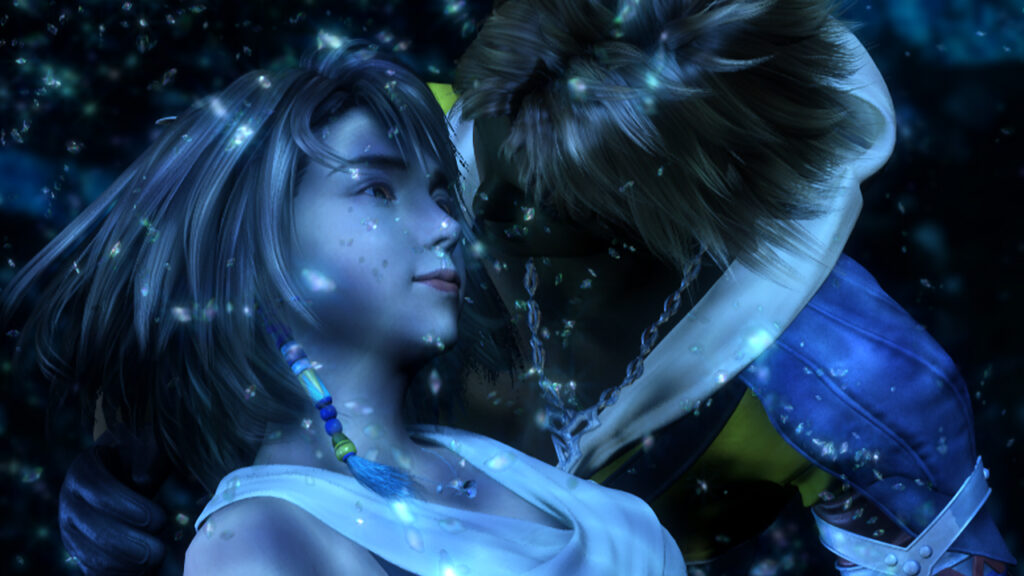
The 92 for Story centers on the emotional architecture that opens with “To Zanarkand.” Tidus is swept into the alien world of Spira and joins the pilgrimage of a summoner named Yuna — and I’ll say it flat out: the way their bond accumulates, and the devastating truth eventually revealed, make this the most dramatic scenario in the series. Character emotion is exceptional throughout, right down to that infamous forced-laughing scene.
The 88 for Replay Value rests mainly on FF10’s Sphere Grid and its hidden superbosses — the Dark Aeons and the ultimate summon encounters. FF10-2’s job-change system for its trio of heroines opens wide strategic options, and chasing the 100% completion needed for the true ending takes serious time. Two full games for 3,630 yen is outstanding value.
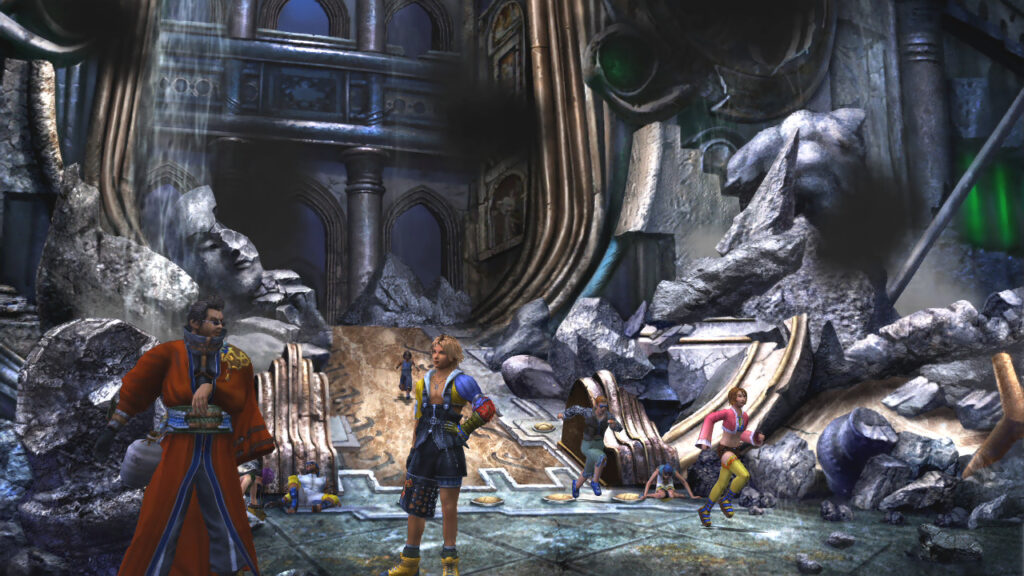
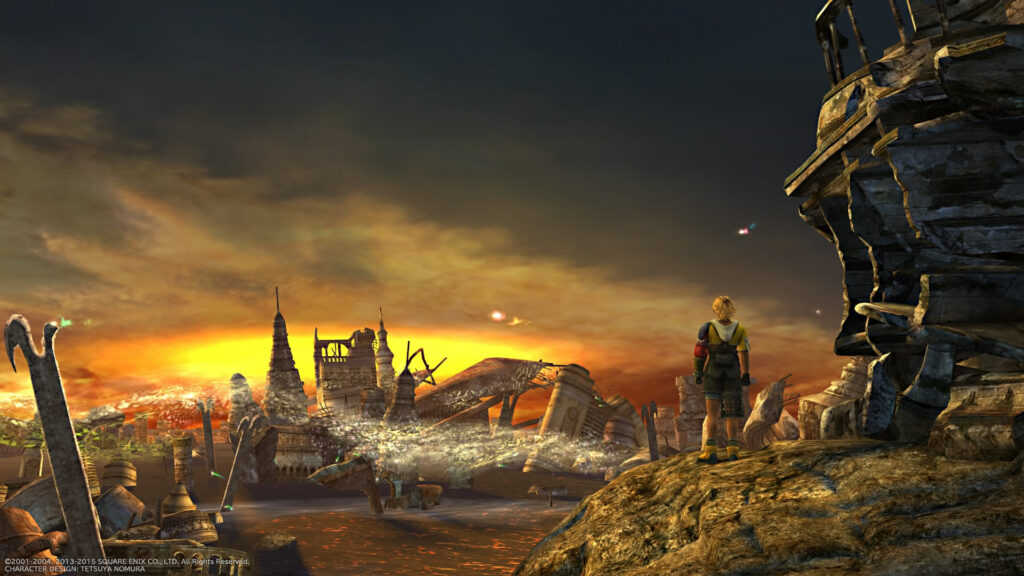
FINAL FANTASY X/X-2 HD Remaster_20150216170259
- FF10 plus FF10-2 bundled for 3,630 yen — superb value
- Story 92: Tidus and Yuna’s moving romance is among the series’ finest
- Speed-up and auto-battle toggles for a comfortable play experience in 2026
- FF10-2 differs sharply from its predecessor in leads, systems, and tone (three female leads, job-change system)
- Unlocking the true ending (100% completion) is demanding — a guide is recommended
No. 7: FF9 — Story 95 and Classic High Fantasy. The Series’ Greatest Character Drama
| Ease of Play | Graphics | Story | Replay Value | Total Score |
|---|---|---|---|---|
| 82 | 72 | 95 | 88 | 337 |
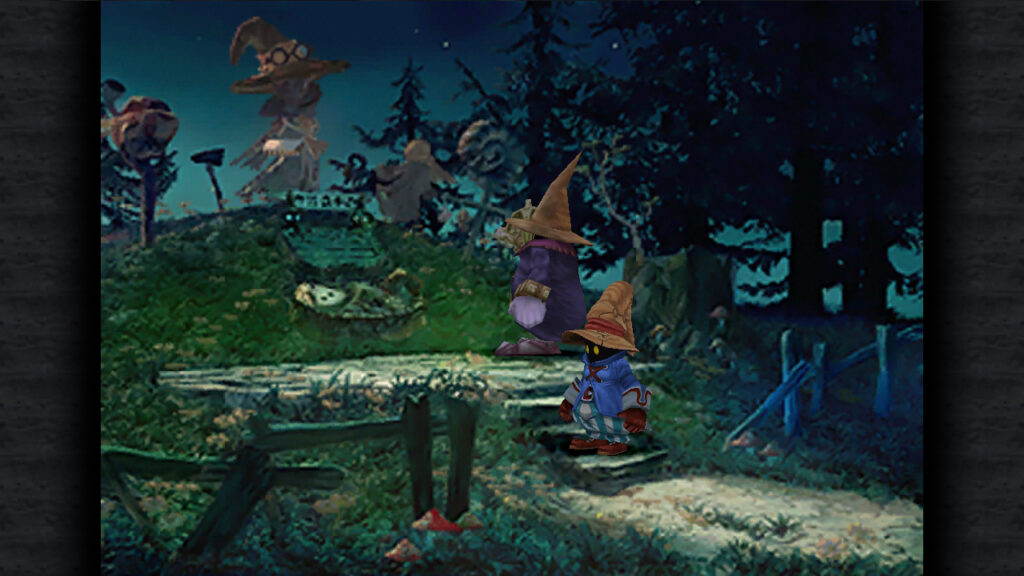
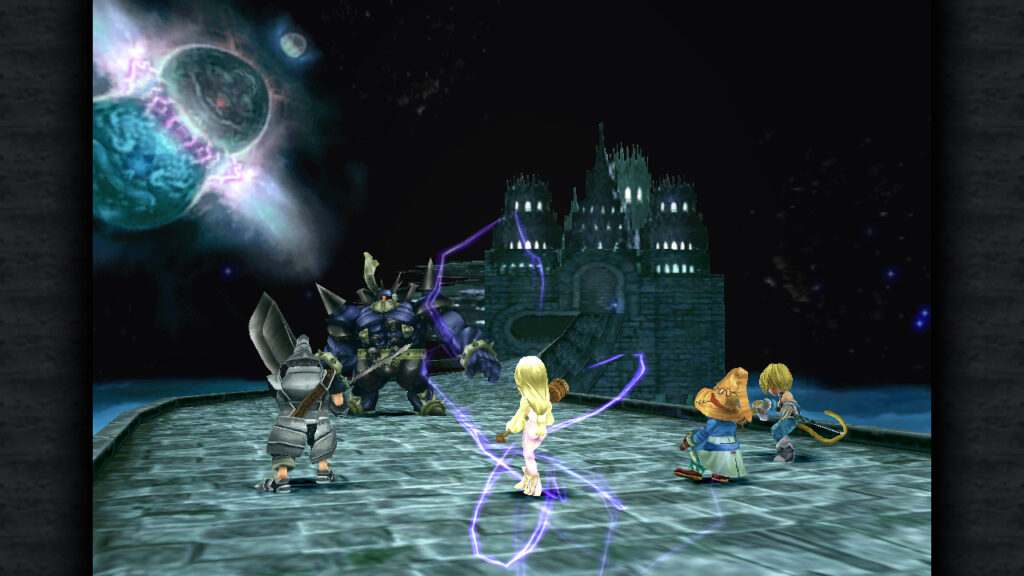
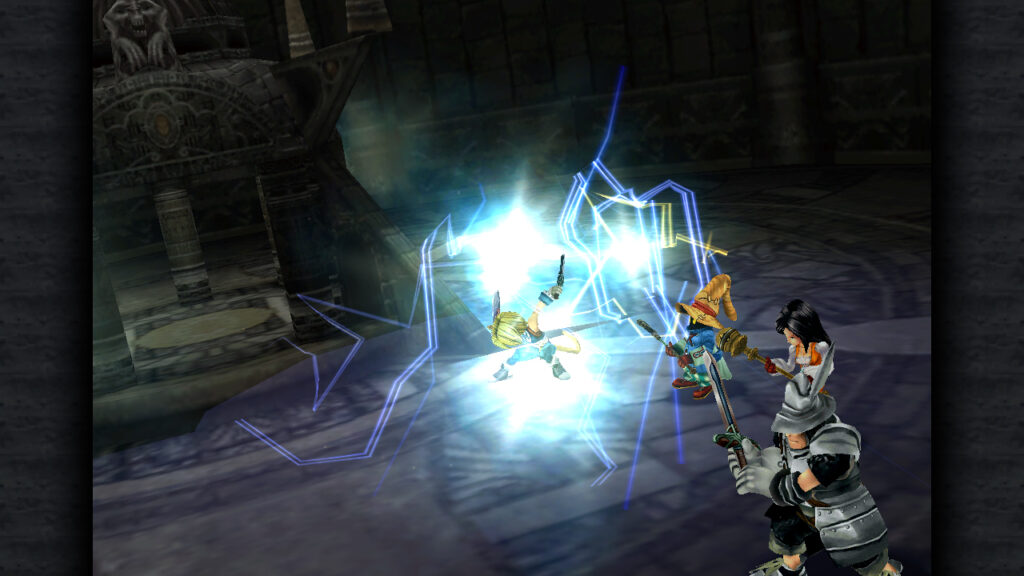
Final Fantasy IX released on PS1 in 2000 and is available today on Steam (2,090 yen; 627 yen at 70% off) and Switch. On Steam it boasts an astonishing 94% “Overwhelmingly Positive” rating from more than 6,700 reviews (as of May 2026), and it consistently muscles into the top ranks whenever fans vote on the most beloved Final Fantasy.
The 95 for Story is earned by a script that explores the philosophical question of what it means to live through four wildly different characters: Zidane, Vivi, Garnet, and Steiner. Vivi’s question in particular — who am I, and why do I exist? — represents the deepest philosophy any PlayStation-era JRPG ever reached. And Zidane and Garnet’s romance is still passed down today, inseparable from the words of “Melodies of Life.”
Behind the 88 for Replay Value sit the Tetra Master card game and a rich ability-learning system that spans the whole bestiary. Hunting ultimate weapons and challenging the hidden superboss Ozma remain enduringly popular pursuits. The 72 for Graphics is a 2026-standard score, but the expressive power of its PS1-era CG movies carries genuine historical weight. Getting an experience this rich for 627 yen on sale is value that beggars belief.
- 2,090 yen on Steam — an astonishing 627 yen on sale
- 94% “Overwhelmingly Positive” on Steam (6,700+ reviews) — the series’ highest approval
- A classic high-fantasy world that makes an ideal first Final Fantasy
- Graphics 72: PS1-era polygons look dated by modern standards
- Random encounters make traversal slower-paced than modern RPGs
No. 8: FF12 Zodiac Age — Replay Value 92, the Strategist’s RPG. Raise a Party That’s Yours Alone with Gambits
| Ease of Play | Graphics | Story | Replay Value | Total Score |
|---|---|---|---|---|
| 75 | 80 | 82 | 92 | 329 |
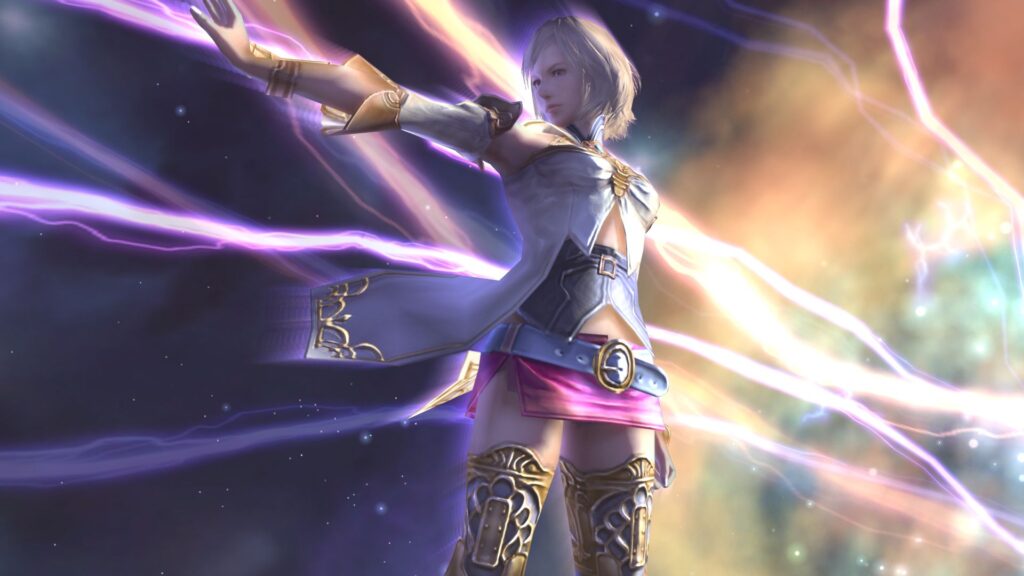
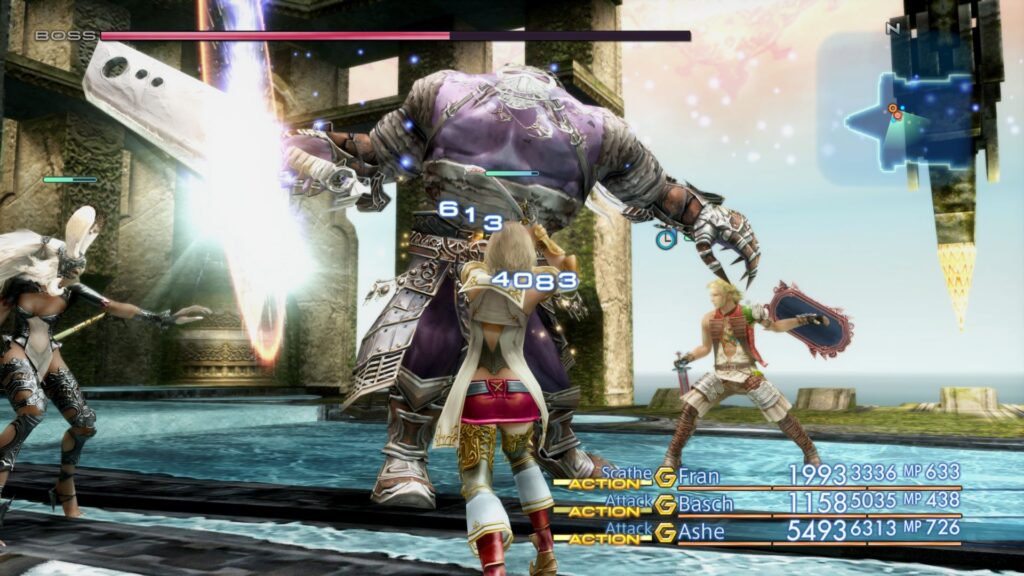
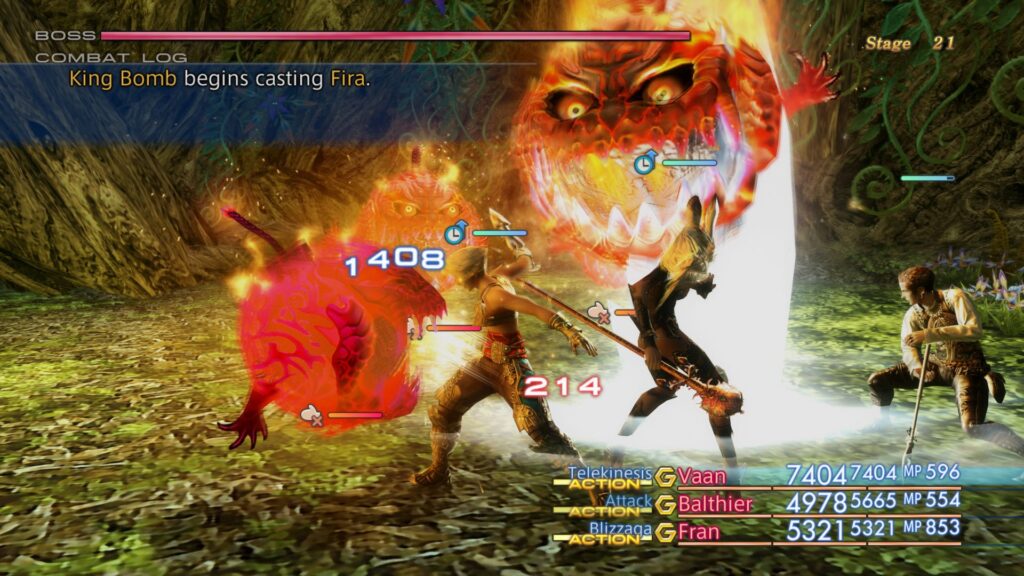
Final Fantasy XII The Zodiac Age is an HD remaster of the 2006 PS2 original, available on Steam and Switch (5,280 yen; 1,584 yen at 70% off). Its signature Gambit system lets you program your party’s AI behavior, delivering a strategic depth sometimes described as “an FF-flavored MMORPG.” The Zodiac Age also adds a license board where each character develops by choosing two of twelve jobs.
The heart of the 92 for Replay Value is the mob hunts (bounty marks) and optional dungeons like the Tomb of Raithwall and the Hall of Judgment. The main story alone is a 100-hour proposition, and hunting every mark while assembling the ultimate gear adds another 50-plus hours. Fine-tuning your Gambits into an unstoppable party is a satisfaction no other FF can offer.
The 75 for Ease of Play accounts for the time it takes to wrap your head around the Gambit concept. Once it clicks, though, there’s more joy of thinking here than in most RPGs. The Star Wars-inspired medieval fantasy setting stands apart from the rest of the series, and a scenario that tackles politics, royalty, and war head-on gives it a distinctly grown-up gravitas.
- Replay Value 92 — mob hunts keep you busy long after the credits roll
- Designing Gambit AI to raise “your own unstoppable party” — a joy unique in the series
- Switch version 5,280 yen (1,584 yen on sale); also available on Steam
- The Gambit system takes time to learn — a steep entry cost
- The story leans political over fantastical — taste will vary
No. 9: FF15 Royal Edition (FINAL FANTASY XV WINDOWS EDITION) — Ease of Play 85. An Open-World Road Trip with Your Best Friends
| Ease of Play | Graphics | Story | Replay Value | Total Score |
|---|---|---|---|---|
| 85 | 88 | 72 | 80 | 325 |
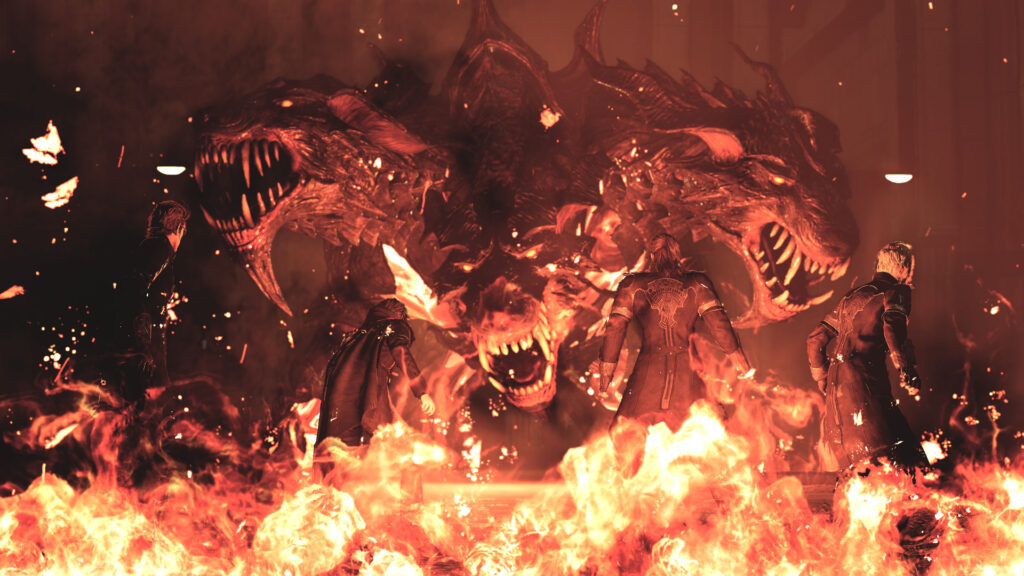
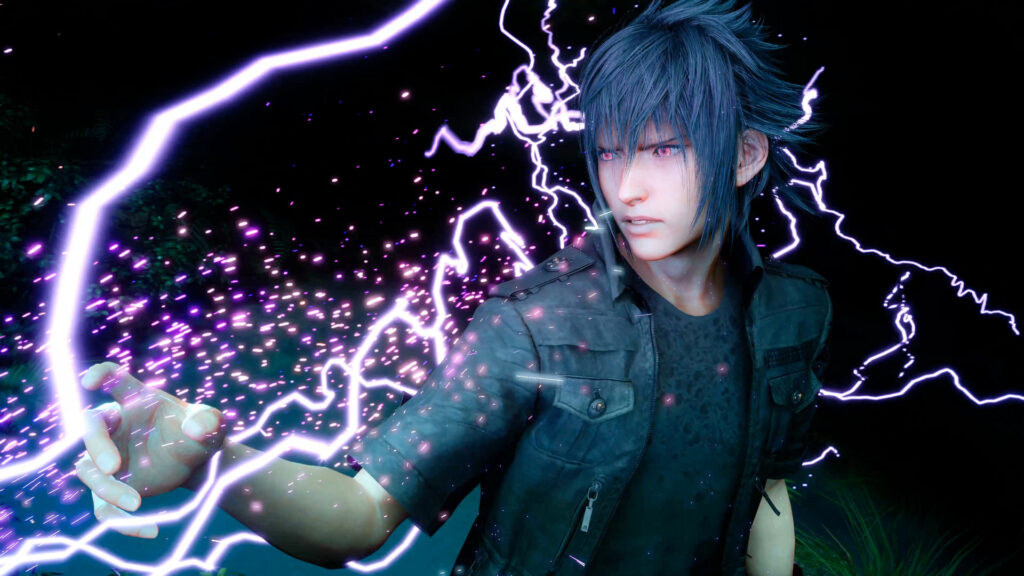
Final Fantasy XV Royal Edition arrived on PC in 2018 (Steam: app/637650) with every DLC included. Its concept is one of a kind: Noctis, Prompto, Gladiolus, and Ignis road-tripping across an open world in the Regalia, a thoroughly modern car. The game has racked up over 10 million copies sold worldwide (as of May 2026).
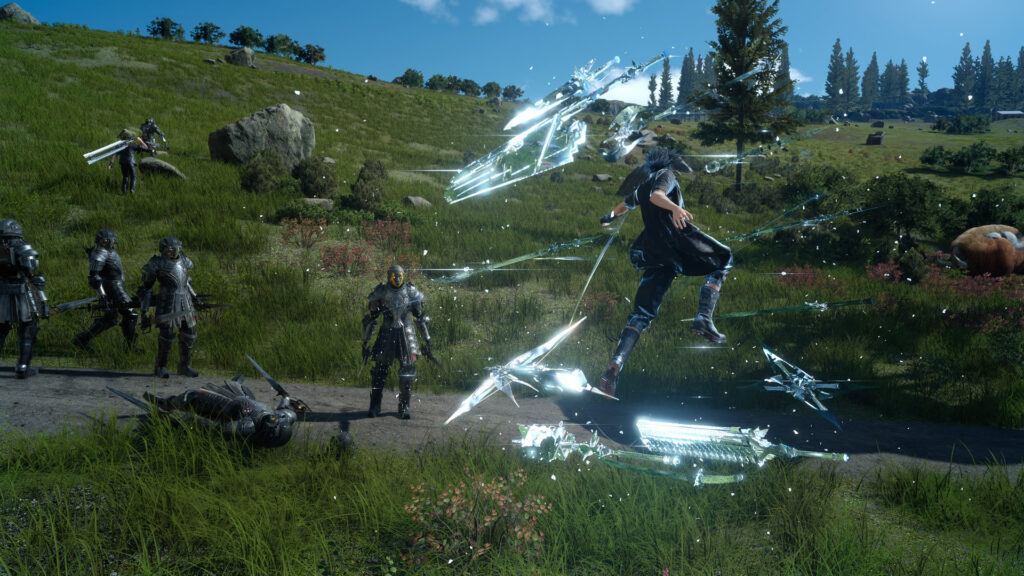
The 85 for Ease of Play rates its polish as an open-world RPG. You can freely explore the vast wilds of Lucis, shelving the main story to lose yourself in hunts, monster bounties, and fishing. The day-night cycle — with deadlier monsters prowling after dark — adds a survival tension all its own.
The 72 for Story reflects how hard the plot is to fully grasp from the base game alone; the whole picture only comes into focus with the DLC chapters Episode Ignis, Episode Gladiolus, and Episode Prompto. The Royal Edition bundles them all, making it the definitive way to experience the entirety of Noct and company’s journey. And the ending — a portrait of four friends, their bond, and the road behind them — delivers enough emotion to make up for the story’s flaws.
- The all-DLC Royal Edition is the only complete version of the four friends’ journey
- Still available on Steam (app/637650); over 10 million copies sold worldwide
- The Regalia road-trip vibe and the four-man bond create an experience like nothing else
- Story 72: the base game alone leaves gaps (the DLC is effectively required)
- Later chapters abandon the open-world design — a structural weakness
No. 10: FF4 Pixel Remaster — Story 88, an Ensemble Drama. Cecil’s Masterful Tale of Atonement and Growth
| Ease of Play | Graphics | Story | Replay Value | Total Score |
|---|---|---|---|---|
| 82 | 75 | 88 | 78 | 323 |
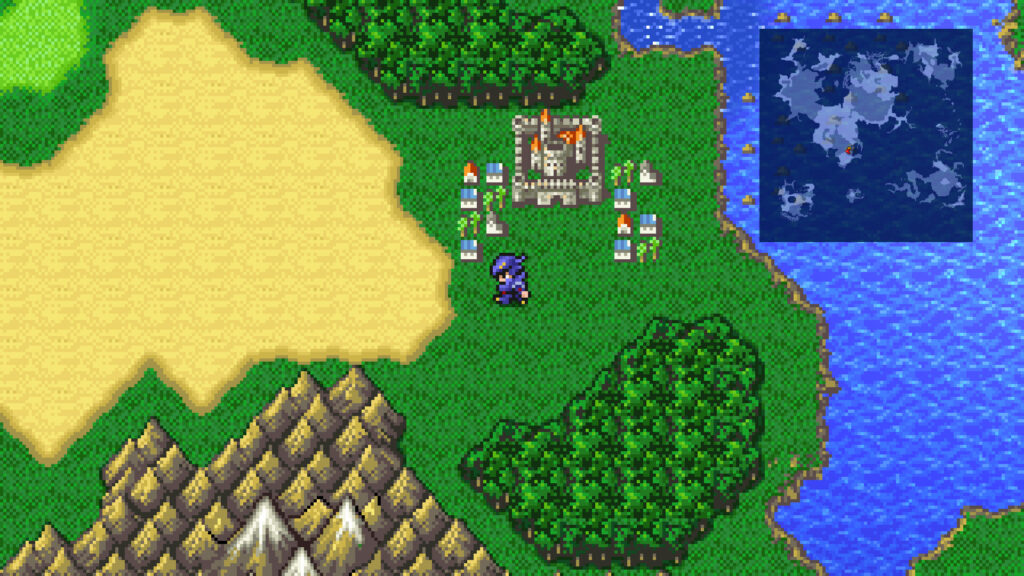
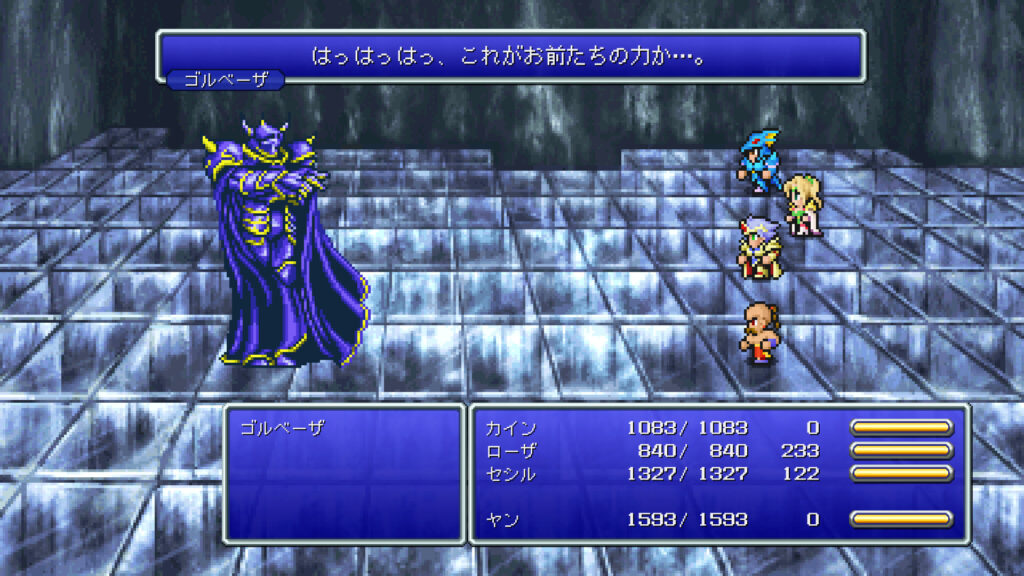
Final Fantasy IV Pixel Remaster revives the 1991 Super Famicom classic in HD pixel art, available on Steam (1,540 yen; 1,001 yen at 35% off) and Switch. FF4 was the first game to adopt Active Time Battle (ATB), the historic entry that defined combat for every Final Fantasy after it. Its 88 for Story is the highest in the entire Pixel Remaster line.
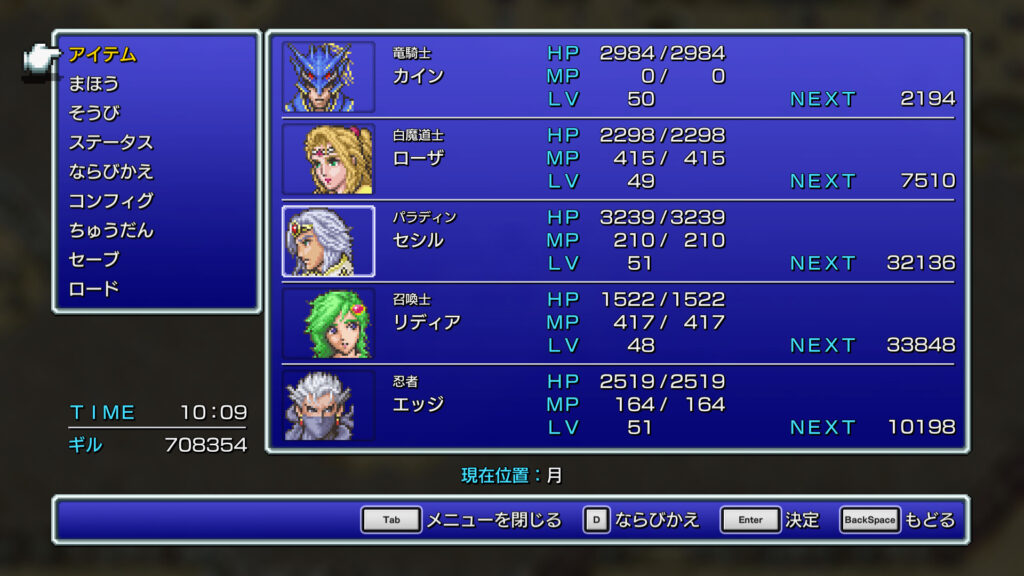
The dark knight Cecil asking himself why he fights, then walking a road of atonement and growth alongside his companions — this was the game that first proved the power of storytelling in FF. The partings and reunions of Kain, Rosa, and Rydia, and a scale that eventually reaches the moon itself, have lost none of their impact.
The Pixel Remaster supports auto-battle and speed-up for modern comfort. As the birthplace of ATB, it’s the ideal pick for anyone who wants to feel the series’ history as they play. The friendly 1,540 yen price tag doesn’t hurt either.
- 1,540 yen on Steam for the historic debut of the ATB system
- Story 88, the best in the Pixel Remaster line — Cecil’s atonement arc is superb
- Auto-battle and speed-up support for comfortable modern play
- Graphics 75: pixel-art visuals, not modern spectacle
- Somewhat harder than the other Pixel Remasters
No. 11: FF5 Pixel Remaster — Replay Value 92 for Job Masters. The Freest System in the Series, Played to the Bone
| Ease of Play | Graphics | Story | Replay Value | Total Score |
|---|---|---|---|---|
| 80 | 75 | 72 | 92 | 319 |
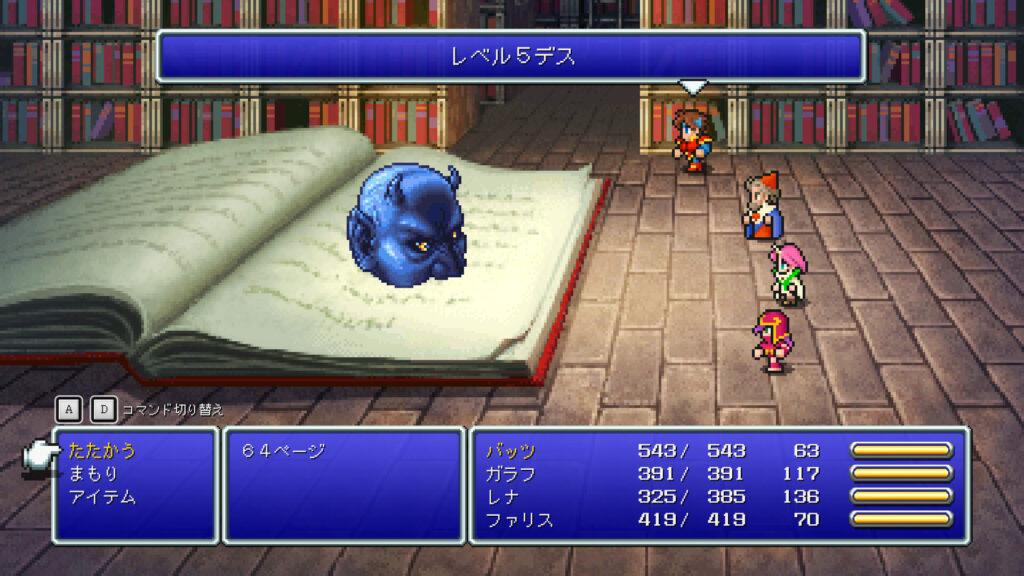
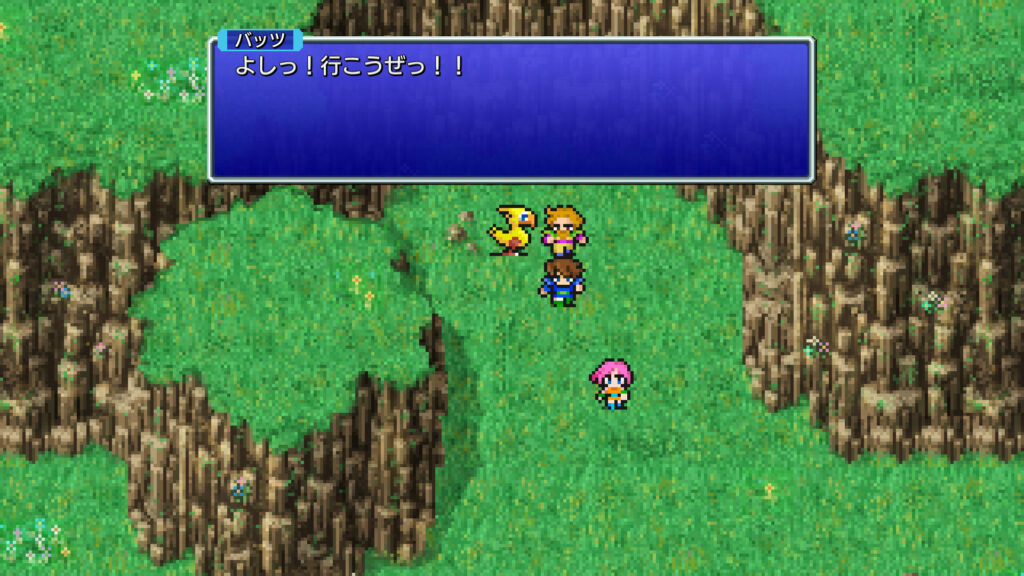
Final Fantasy V Pixel Remaster remasters the 1992 Super Famicom original, available on Steam (1,540 yen) and Switch. FF5’s calling card is the freedom of its Job System — mix and match more than 30 jobs, from White Mage and Black Mage to Monk, Ninja, and Bard, then cross their abilities to hand-build gloriously broken characters. The 72 for Story acknowledges a simple plot, but the joy of losing yourself in job customization is the real thing.
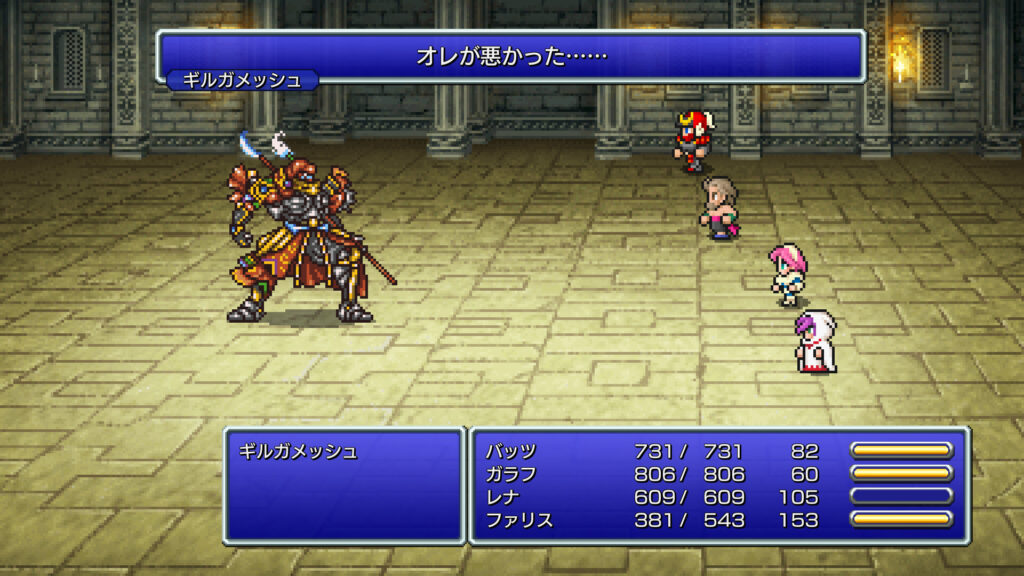
The 92 for Replay Value counts the road to mastering every job, hitting level 99, and felling Omega and Shinryu — completing all jobs alone demands serious hours. Toppling FF5’s four elite bosses before challenging the final boss is a rite of passage passed down among FF fans, and the debut of Gilgamesh remains one of the great scenes in series history.
- Build freedom at its series peak: 30-plus jobs crossed with transferable abilities
- Replay Value 92 — mastering every job plus the superboss hunt is a huge undertaking
- An affordable 1,540 yen on Steam
- Story 72: the scenario is simple and character depth is limited
- Optimal job builds are best planned alongside a guide
No. 12: FF7 (Original) — Story 95, the Legend. This Is Where It All Began
| Ease of Play | Graphics | Story | Replay Value | Total Score |
|---|---|---|---|---|
| 78 | 62 | 95 | 82 | 317 |
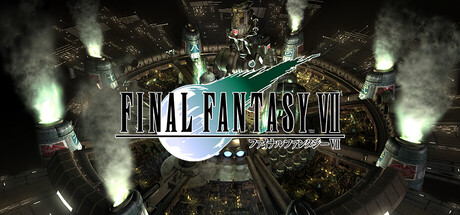
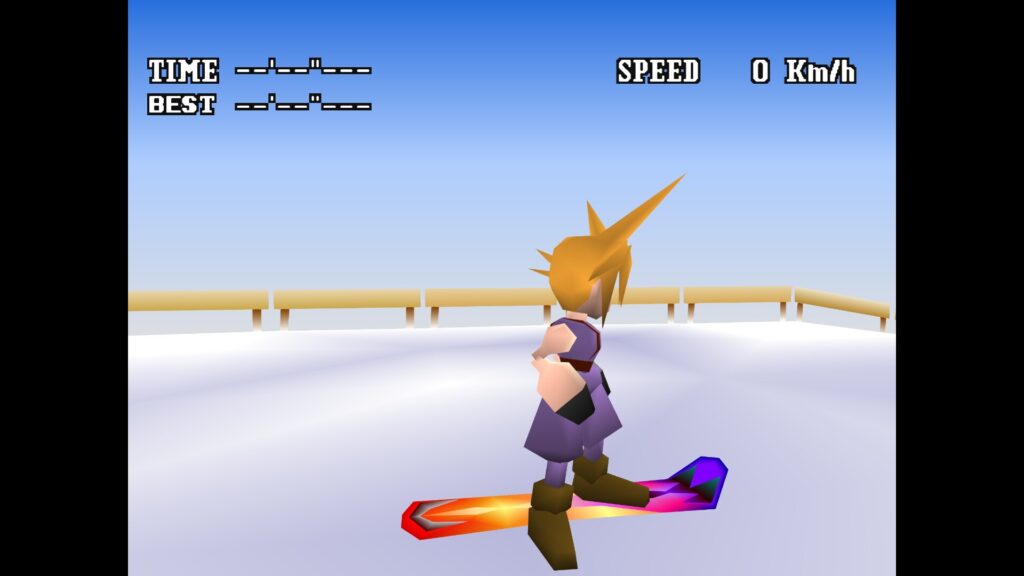
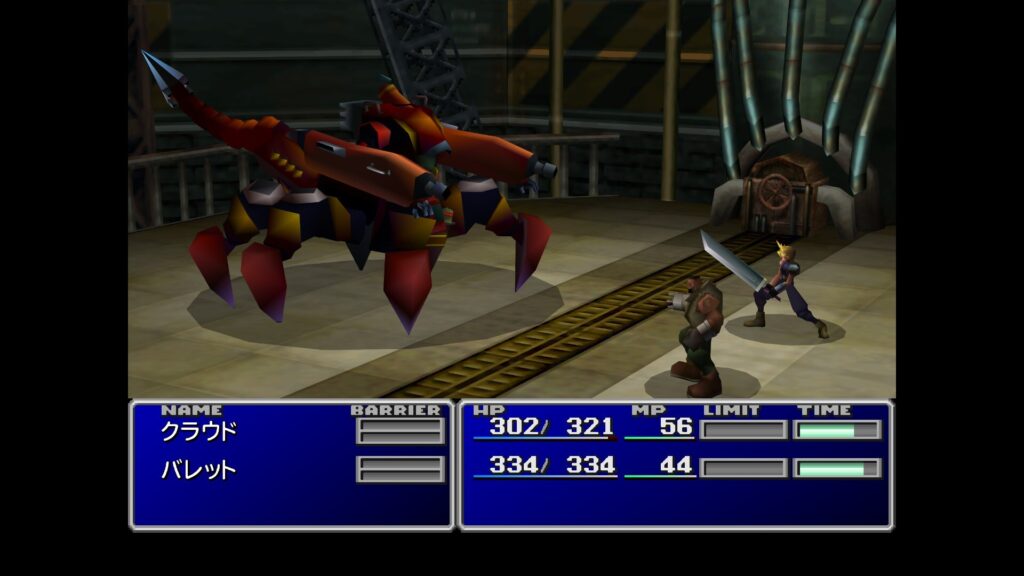
Final Fantasy VII (1997) is still available on Steam (app/3837340) and Switch, boasting a staggering Steambase Player Score of 93/100. As the source material for the FF7 Remake trilogy, it’s a game every fan of the remakes owes themselves at least once. Built-in speed boost and cheat toggles (HP, game speed) keep it comfortable by modern standards.
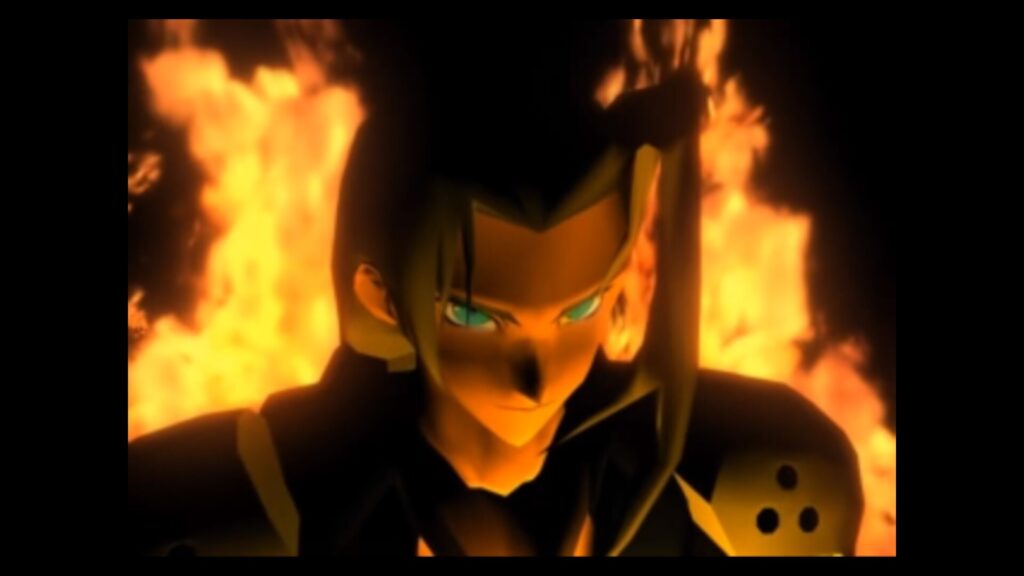
The heart of the 95 for Story is the presence of Aerith and the theme of the planet’s life. Cloud, a hero with a fractured identity; Shinra, the corporate villain; Sephiroth, the charismatic final boss — every element locked together into a 1997 gaming experience that still feels fresh. The 62 for Graphics is an honest 2026-standard call, but for the generation that feels nostalgia for the PS era’s mix of sprites and polygons, this becomes something special.
Playing FF7 Remake first and then circling back to the original is a fascinating order in its own right. Start from either end — you will absolutely come to understand why FF7 is loved this much.
- A staggering Steambase Player Score of 93/100
- Built-in speed boost and HP/speed cheats make a 1997 game feel modern
- Already played FF7 Rebirth? Going “backwards” turns the original into a fresh reinterpretation
- Graphics 62: 1997 PS1 polygons take some getting used to
- Random encounters and a dated UI can feel sluggish next to modern RPGs
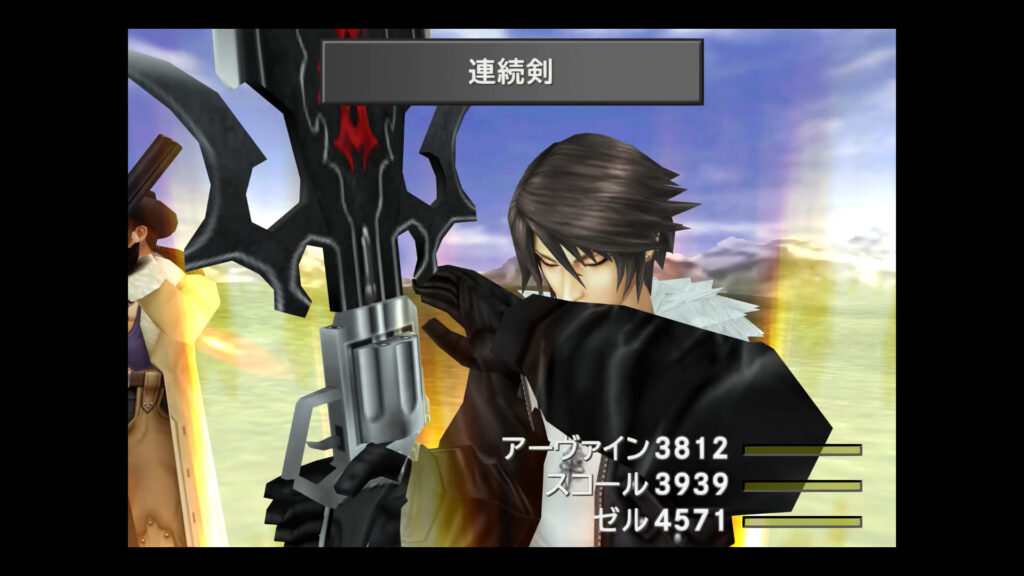
No. 13: FF8 Remastered — Story 85 and Sci-Fi Romance. The Gunblade Symbolizes Its Boldest Experiments
| Ease of Play | Graphics | Story | Replay Value | Total Score |
|---|---|---|---|---|
| 75 | 75 | 85 | 82 | 317 |
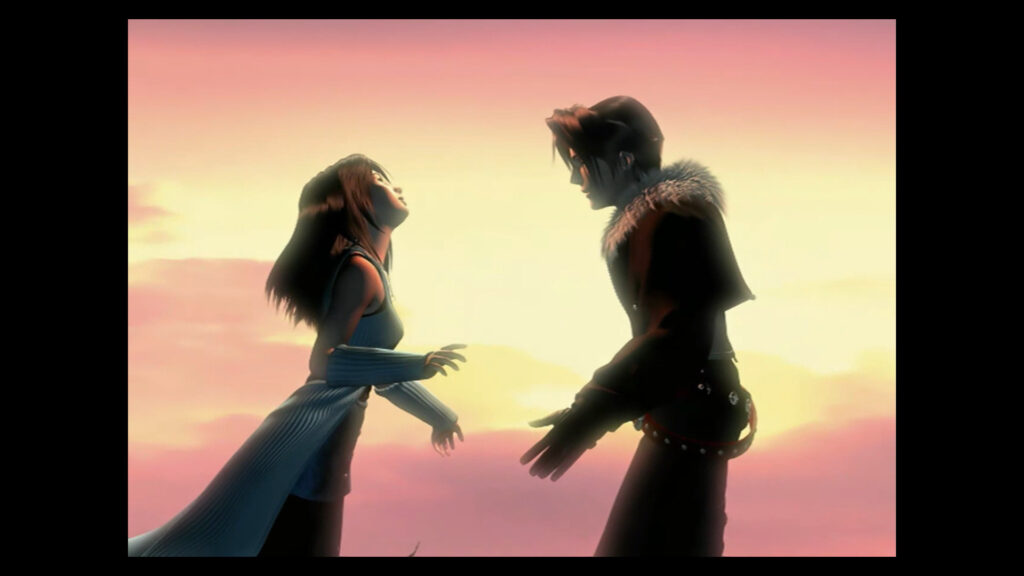
Final Fantasy VIII Remastered updates the 1999 PS1 original, available on Steam (2,420 yen; 968 yen at 60% off) and Switch. With a love story between Squall and Rinoa at its core and realistically proportioned character designs, it was the cutting edge of its day as FF7’s successor. The Remastered version’s speed boost, invincibility, and max-AP options make it comfortable to play today.
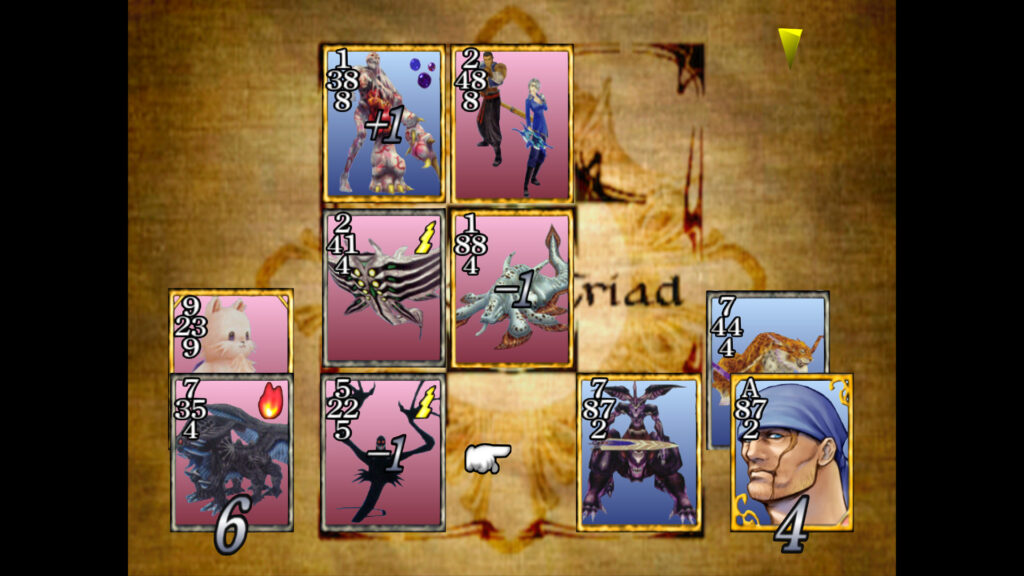
The Junction system — equipping magic onto your stats to power up — offers that same joy of building broken characters, but demanding you grasp the meta loop of winning cards and refining them into magic holds Ease of Play to 75. The Triple Triad card game, meanwhile, is polished enough to be a time sink all by itself.
Its theme song, “Eyes On Me,” is still remembered as the most romantic piece of music in the series. The memoir-like structure alternating between Squall’s story and the Laguna flashbacks is just as distinctive, lending FF8 a literary, adult atmosphere rare in the series.
- 2,420 yen on Steam — a solid 968 yen at 60% off
- Built-in invincibility, speed boost, and max-AP options for comfortable play
- Triple Triad is deep enough to be a game of its own
- The Junction system isn’t intuitive — the design demands meta knowledge
- Ease of Play 75: min-maxing presupposes understanding the card metagame
No. 14: FF13 — Graphics 82 and Jaw-Dropping Production Values. Why We Recommend It, Corridor and All
| Ease of Play | Graphics | Story | Replay Value | Total Score |
|---|---|---|---|---|
| 68 | 82 | 80 | 75 | 305 |
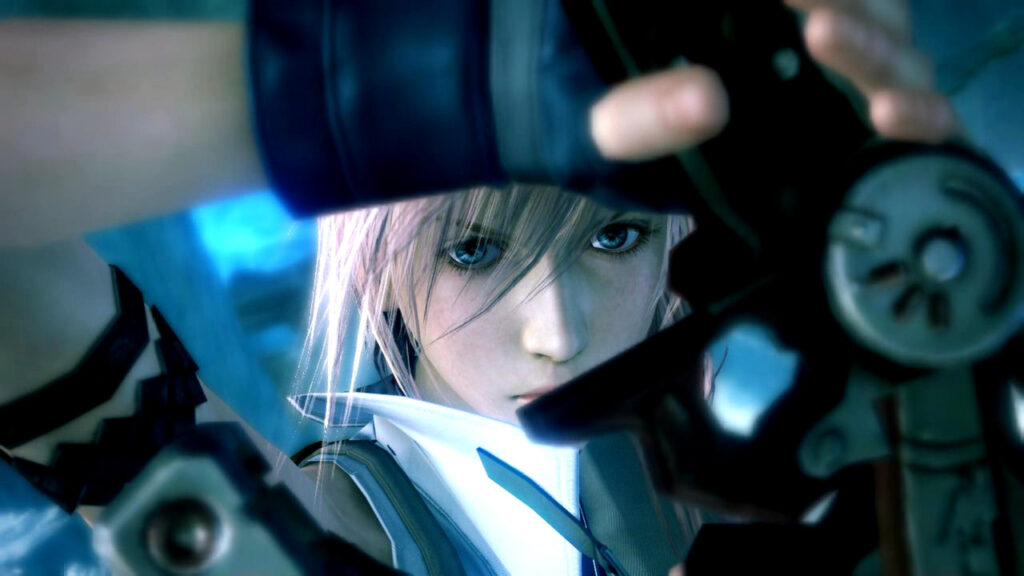
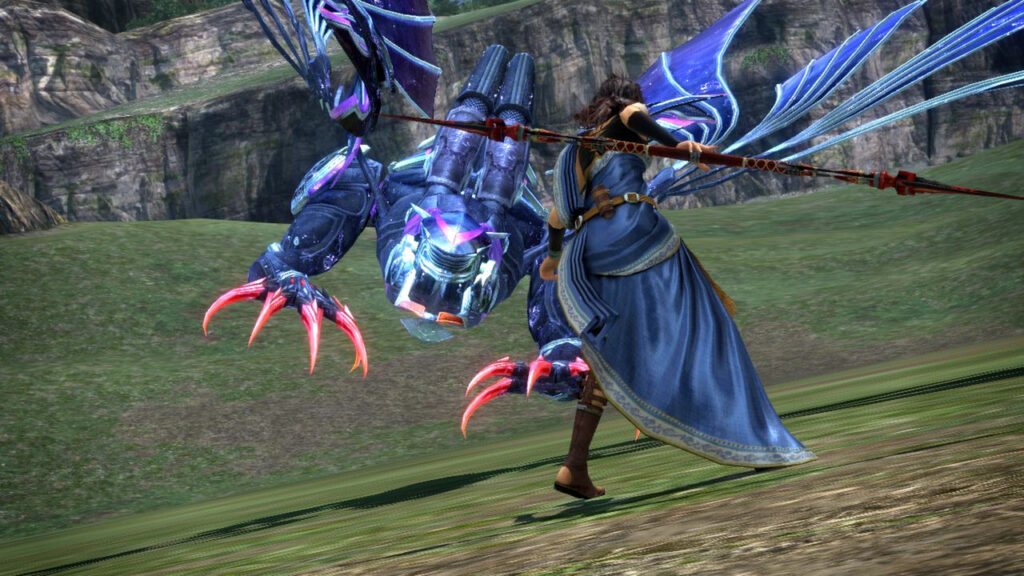
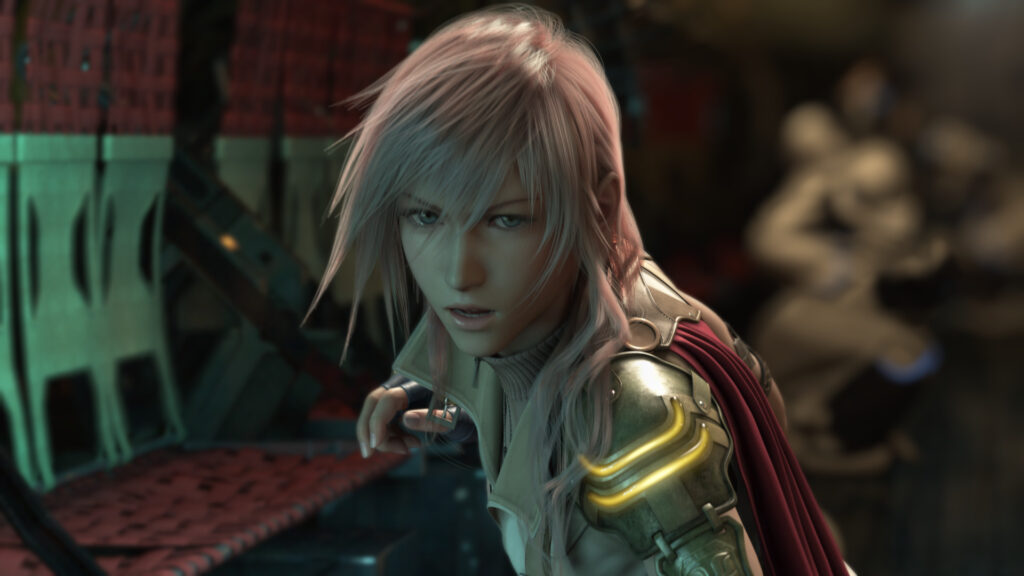
Final Fantasy XIII shipped for PS3 and Xbox 360 in 2009 and is available today on Steam (2,200 yen). Its 82 for Graphics (by today’s standards) still holds up above the bar, and Lightning’s visual design and battle animations in particular don’t look out of place even in 2026. Lightning — “the lightning that strikes at light speed” — remains one of the most popular female protagonists in FF history.
The 68 for Ease of Play traces to one design choice: the game stays on rails until Chapter 11. The early hours offer little choice, sometimes described as “watching cutscenes and tutorials on a loop.” But everything changes once the open fields of Gran Pulse unlock from Chapter 11 onward, opening up vast exploration. Crystarium progression driven by Paradigm Shifts in battle has a strategic flavor all its own.
This is a game we recommend hard — with the caveat “if you can survive the early linearity.” If Lightning, Hope, and Fang win you over, FF13 will pay you back with a substantial experience.
- Lightning’s design and battle animations still impress in 2026
- Available at an affordable 2,200 yen on Steam
- The rush of high-speed Paradigm Shift battles is an experience all its own
- Ease of Play 68: roughly 30 hours of near-total linearity until Chapter 11
- Narrow strategic options as a command RPG — a design that splits traditional FF fans
No. 15: FF3 Pixel Remaster — Replay Value 80 at the Origin of Jobs. Experience the Series’ First Job System
| Ease of Play | Graphics | Story | Replay Value | Total Score |
|---|---|---|---|---|
| 75 | 72 | 65 | 80 | 292 |
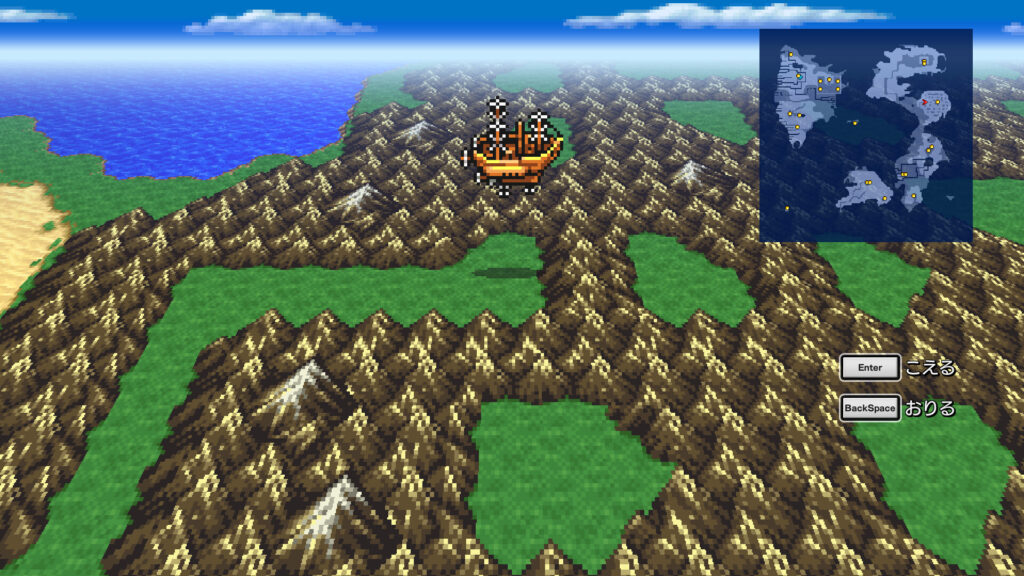
Final Fantasy III Pixel Remaster is available on Steam and Switch. A remaster of the 1990 Famicom original, it is the historic first Final Fantasy to feature the Job System. Four Warriors of Light swapping jobs mid-adventure — this is the prototype for everything that followed, from FF5 and FF6 all the way to FF14. The 65 for Story reflects a bare-bones plot, but as the ancestor of the Job System it’s worth experiencing at least once.
The final dungeon, the Crystal Tower, is genuinely tough, and the satisfaction of puzzling out job combinations to conquer it is the real thing. The Pixel Remaster adds speed-up and auto-battle for modern comfort. For 1,320 yen, you can experience the origin point of FF’s job play.
- Among the cheapest in the series at 1,320 yen on Steam
- Historic series value as the origin of the job systems in FF5 and FF14
- Speed-up and auto-battle support for modern convenience
- Story 65: thin protagonist personalities and a simple scenario
- The Crystal Tower final dungeon is tough — a guide is recommended
No. 16: FF2 Pixel Remaster — A One-of-a-Kind Growth System. The Oddball Where Skills Level Up with Use
| Ease of Play | Graphics | Story | Replay Value | Total Score |
|---|---|---|---|---|
| 65 | 70 | 68 | 65 | 268 |
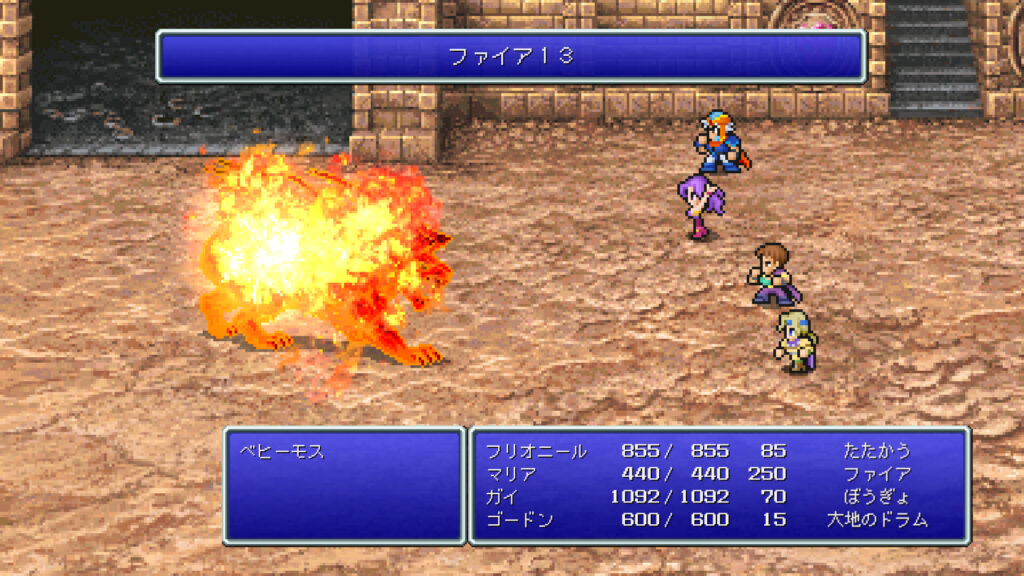
Final Fantasy II Pixel Remaster revisits the 1988 Famicom original, available on Steam (1,100 yen) and Switch. Its biggest break from FF1: no experience points or levels. Instead, a proficiency system levels up whatever skills and weapons you actually use — you can even exploit it by beating up your own party to farm HP, a design that splits opinion to this day. Its tale of empire versus rebellion was the series’ first political drama.
The 65 for Ease of Play comes down to how unintuitive the proficiency system feels. The Pixel Remaster does ship with difficulty options, and on the lowest setting it moves along comfortably. If your goal is conquering the series’ entire history, it has genuine value as a waypoint.
- One of the lowest prices anywhere at 1,100 yen on Steam
- The use-it-to-grow proficiency system exists nowhere else in Final Fantasy
- Difficulty options make the lowest setting reasonably comfortable
- Ease of Play 65: the proficiency design is unintuitive and sharply divisive
- Hard to stay motivated unless you’re set on completing the whole series
No. 17: FF1 Pixel Remaster — The Origin of the Series. It All Started with Four Warriors of Light
| Ease of Play | Graphics | Story | Replay Value | Total Score |
|---|---|---|---|---|
| 72 | 70 | 58 | 60 | 260 |
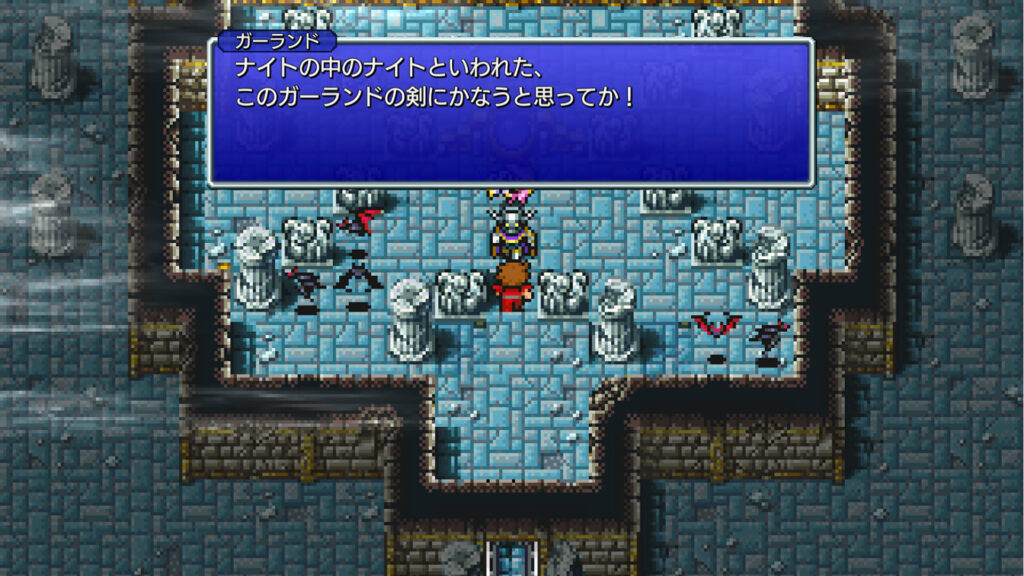
Final Fantasy I Pixel Remaster is available on Steam (880 yen) and Switch. A remaster of the 1987 Famicom original, it’s the origin of the series: four Warriors of Light setting out to restore the crystals. The 58 for Story acknowledges its simple structure — through a modern lens, this is close to an RPG prototype. But if your goal is to experience the series’ entire history, 880 yen is the cheapest possible ticket to where it all began.
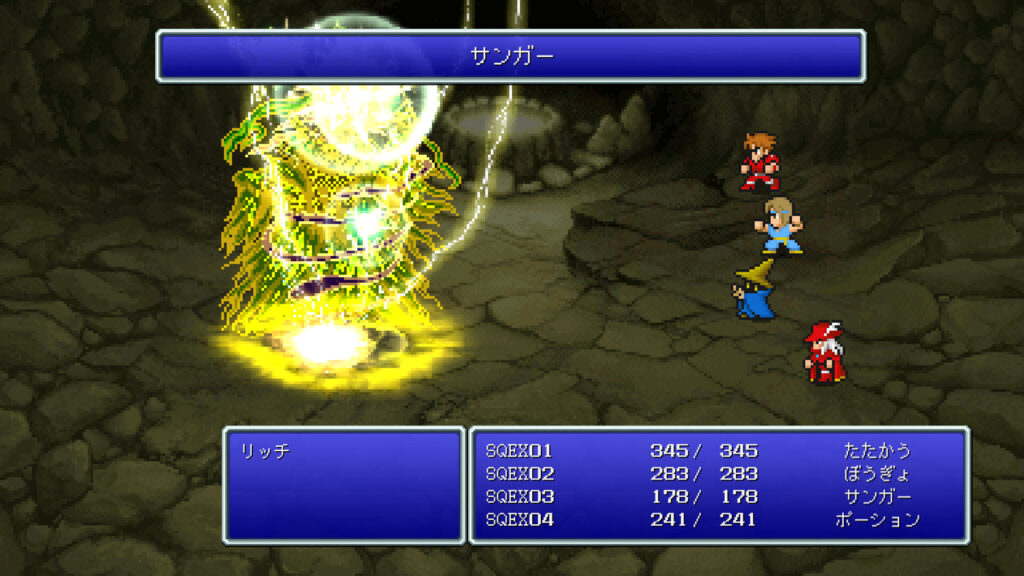
The Pixel Remaster adds speed-up, auto-battle, and a minimap, smoothing away the Famicom era’s unfriendly design. The simple fact that a game developed as a “final fantasy” is still playable 38 years later says everything about this series’ miraculous history.
- The series’ lowest price at 880 yen on Steam — 38 years of FF history from the very start
- Speed-up, auto-battle, and minimap support for modern comfort
- The perfect starting point for a full-series conquest, at minimal cost
- Story 58: far thinner narratively than any modern RPG
- Replay Value 60: light on content — best for feeling out FF’s history
Final Fantasy Frequently Asked Questions (FAQ)
Finally, here are verdict-first answers to the questions Final Fantasy searchers ask most.
Which Final Fantasy is the greatest of all time?
By this article’s four-axis scoring, FF7 Rebirth takes first place with 370 points overall. Its 98 for Graphics is the series’ best, and we’re comfortable calling it the peak of playable Final Fantasy today. On story alone, however, FF14 (98) and FF6 and FF9 (95 each) stand at the summit — the answer to “greatest ever” changes with the axis you value. That’s exactly why you should pick from the score comparison chart at the top using your own axis.
Which Final Fantasy should beginners start with?
Beginners should start with No. 3, FF7 Remake Intergrade, then continue to No. 1, FF7 Rebirth — that’s the best route of 2026. With an 88 for Ease of Play, both its controls and story are polished to modern standards. If you’d rather settle into a deliberate command RPG, FF10/10-2 HD Remaster (No. 6, Story 92) is an equally rock-solid front door.
Can you play the older FF games (NES through PS2 era) on current hardware?
Yes. Every classic from the NES-to-PS2 generations can be purchased today as a Pixel Remaster or HD remaster on Steam, Switch, and other current platforms. All 17 games in this ranking are versions you can buy right now. Here’s the full picture (see each entry’s section for detailed prices and features).
| Original (Generation) | Playable Version Today | Main Platforms |
|---|---|---|
| FF1 / FF2 / FF3 (NES) | Pixel Remaster | Steam / Switch (Nos. 15-17) |
| FF4 / FF5 / FF6 (SNES) | Pixel Remaster | Steam / Switch / PS4 (Nos. 4, 10, 11) |
| FF7 (PS1) | Original port / Remake Intergrade / Rebirth | Steam / Switch and PS5 / Steam (Nos. 1, 3, 12) |
| FF8 (PS1) | FF8 Remastered | Steam / Switch (No. 13) |
| FF9 (PS1) | Port | Steam / Switch (No. 7) |
| FF10/10-2 (PS2) | HD Remaster | Steam / Switch (No. 6) |
| FF12 (PS2) | The Zodiac Age | Steam / Switch (No. 8) |
| FF13 (PS3/360) | Steam port | Steam (No. 14) |
| FF15 (PS4) | Royal Edition / Windows Edition | Steam (No. 9) |
| FF16 (PS5) | PS5 version / Steam version | PS5 / Steam (No. 5) |
What order should you play the FF series in? Are the stories connected?
Each numbered entry is essentially a standalone story, so you can start anywhere. Only direct sequels (FF10 into FF10-2, the FF7 Remake series, and so on) need to be played in order — there’s no “must start from 1 or you’ll be lost” here. So read this ranking through the axis that hits home for you, and jump in with whichever game you like.
How far along is the FF7 Remake trilogy right now?
Two of three parts are out, through FF7 Rebirth, and the finale — FINAL FANTASY VII REVELATION — has been announced for a spring 2027 release. PS5, Steam, Xbox, and Switch 2 versions have been confirmed, and new footage is slated for gamescom Opening Night Live on August 26, 2026. If you’re going to follow the trilogy, now is the perfect moment to run it all the way through Rebirth.

Enjoying this article? Add us as a preferred source on Google.
The Verdict: Here’s the Final Fantasy You Should Play in 2026
After scoring all 17 Final Fantasy games on four axes, the winner is FF7 Rebirth (370 points overall). Its 98 for Graphics is the series’ highest, and combined with a 95 for Replay Value, its total package is backed by hard results — “the biggest debut ever for a standalone single-player FF” since its January 2025 Steam launch. If you’re new, start with FF7 Remake Intergrade (No. 3) and continue into FF7 Rebirth (No. 1): the best route of 2026.
Choosing on story? FF14 Online (No. 2, 98 points), FF6 Pixel Remaster (No. 4, 95), and FF9 (No. 7, 95) share the podium. FF14 carries an MMO subscription fee, but its free trial — playable up to level 60 at no cost — is a powerful counterweight. And the Pixel Remaster series, all playable for 1,540 yen or less, is an unbeatable option for touching the series’ history on a budget.
FF1 sits in seventeenth, but last place is not lesser. Spending 880 yen to experience the origin point from 38 years ago carries a value no number can capture. Start with any one of these games and the sheer range of what “Final Fantasy” can be will surprise you. The light of the crystals has not gone out in 2026.
Tell me to pick one — just one — Final Fantasy, and I don’t hesitate: FF7 Rebirth. Graphics, volume, story, replay value — all of it sits at today’s absolute peak. But ask about the single greatest FF story experience of a lifetime, and plenty of people will point instead to FF14’s Shadowbringers or FF6’s showdown with Kefka. Want to feel the history? You can start from 627 yen (FF9 on sale) — value that’s frankly hard to believe.
And on August 4, 2026, the Nintendo Switch 2 version launched its service. A free trial spanning the content of four full games is also available, which means the option of setting out for Eorzea on a handheld finally exists.
Final Fantasy is “a different game every time.” Any starting point is the right one, and no choice will leave you with regrets.
Read Next
Snicker Kitamura






Leave a Reply