




Enjoying this article? Add us as a preferred source on Google.
Anime made with generative AI has, until now, mostly meant shorts of a few dozen seconds or something at music-video length. Backgrounds fall apart, faces drift into other people, emotion fails to carry. It simply does not hold up over time.
A work claiming to have cleared that wall at 117 minutes went up free on YouTube on October 22, 2026, Anime Day. The title is Hoshi no Uta ga Kikoeru. The production team was just three people, the actual working time around three months, and roughly 1,500 cuts were finished through more than 10,000 rounds of trial and error.
Director, writer, and voice actor all rolled into one is Hirotaka Yuino (real name Shohei Imai). He has one year of experience in video production, works on this alongside running a business, and this is his first time directing and his first script. Video generation used multiple AI tools including Seedance and MiniMax, while the audio brings in real voice actors with AI voices used in some parts.
What you really want to know is not the novelty of the technology but whether 117 minutes can genuinely hold. Let’s follow the published information to see what was made and how.
What kind of team made Hoshi no Uta ga Kikoeru?
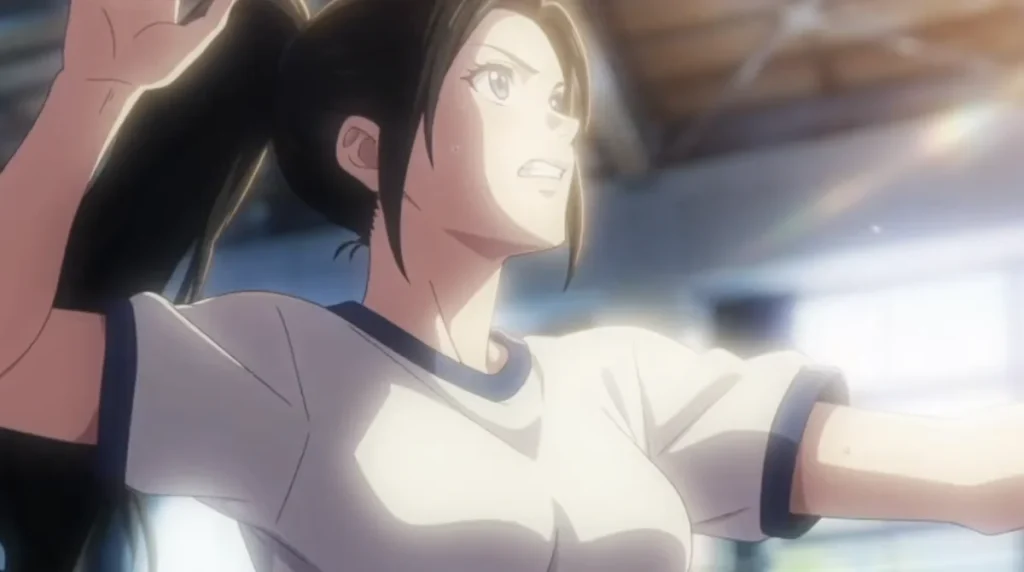
It is a work in which a three-person production team built roughly 1,500 cuts across about three months of actual working time.
| Item | Details |
|---|---|
| Release date | Wednesday, October 22, 2026, Anime Day |
| Running time | 117 minutes |
| Where to watch and price | Free on YouTube |
| Production setup | 3 people, about 3 months of actual work |
| Cut count | Roughly 1,500 cuts |
| Director, writer, voice actor | Hirotaka Yuino (real name Shohei Imai) |
The road to production has been laid out as well. It kicked off in April 2026, paused once so business resources could be concentrated elsewhere, then resumed that August and reached completion. In other words, those three months are not three months on a calendar but accumulated working time.
The trial-and-error count is more than 10,000. Divide that across roughly 1,500 cuts and it works out to an average of five-plus retakes per cut. Making anime with generative AI tends to leave the impression that the picture comes out right on the first try, but the real volume of labor is sitting right there in that number.
Which AI tools were used, and what about the voices?
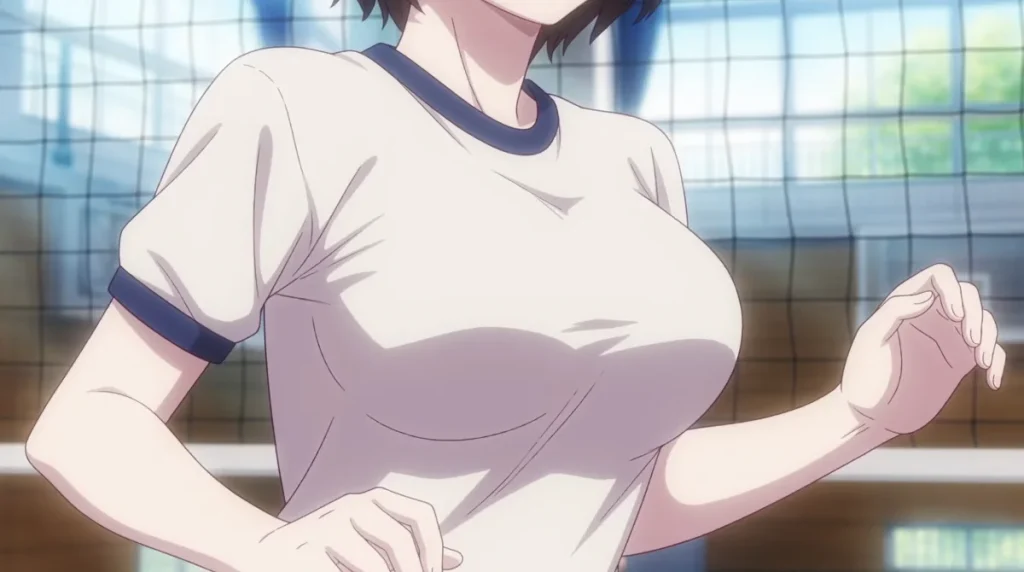
Video generation used multiple AI tools including Seedance and MiniMax, while the audio brings in real voice actors alongside AI voices used in some parts.
This is the important bit. Not “we made all of it with AI” – the main cast got genuine voices. The director holds the belief that only humans can make things that move humans, says the lyrics, script, and prompts were all typed by hand, and states that no existing anime works were pulled directly into the prompts or references.
Most of the criticism aimed at generative-AI anime gathers around two points: where the training data came from, and whether this is about replacing people’s jobs on the cheap. This work arrived with answers to both prepared from the outset. Leave the voices to humans, and state clearly that existing works were not used as reference. Whether you rate that stance depends on where you are standing, but at the very least it is not dodging the argument.
What is the story about?
It is original fiction drawn from the director’s own experiences, built around a prayer passed down in Aso, Kumamoto, in which you make a wish on the stars.
The protagonist, Rei Shinomiya, lost his parents young and is an entrepreneur who can only feel his own worth through producing results. Through the prayer of Aso, Rei gradually recovers his heart as a human being. The beauty of the scenery is said to have taken Makoto Shinkai’s films as reference.
A director who runs a business on the side and is directing for the first time, and a protagonist who can only measure himself by results. Looking at that overlap, what he wanted to make was surely not a tech demo but his own story. The reason he chose a length of 117 minutes probably sits right there too.
…And honestly, a character who can only feel his worth by producing results digs into a guy in his mid-forties like me too. This is exactly the sort of material that gets to a twice-divorced old man who sits down to watch it.
What makes long-form generative-AI anime so hard?
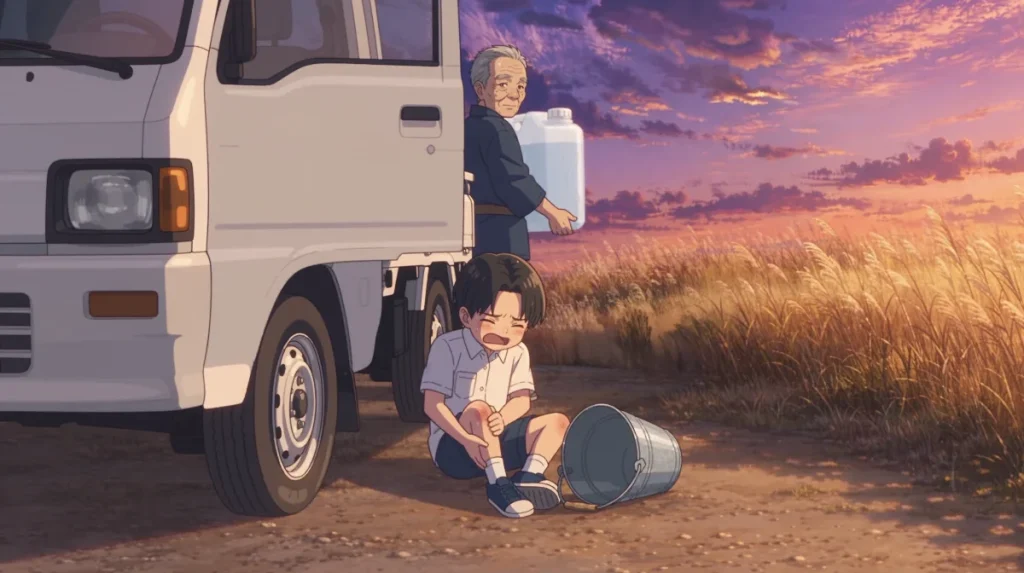
Backgrounds and composition falling apart, characters falling apart, and guaranteeing emotional continuity. Those three, the director explains, are what has blocked longer runtimes.
Because generative AI footage is produced cut by cut, breakdowns come easily: the furniture shifts position in what is supposed to be the same room, a face turns into a different person for what is supposed to be the same character. So a short runtime can hold together while a feature leaves viewers unable to follow the story. The upshot is that short anime and music-video lengths became the mainstream.
The director considers clearing that wall at feature length to be a first for the industry, and positions the project as a record of raising prompt technique while treating AI not as a cost-efficient tool or as technical theft but as a partner that expands creativity.
There is a mention of cost as well. Generation costs came to roughly a tenth of a typical anime film. Even so, the stated plan is not to chase profit but to keep releasing the work free as a way of sharing the technique.
Let me put this plainly. If 117 minutes can be pulled off at a tenth of the cost, the impact does not end with applause. It is also a story about production labor costs becoming the thing that gets compressed. That said, looking at the numbers of three people, three months, and 10,000 retakes, this is not a technology that makes the work easy either. Not cheap and fast, but small teams can now reach feature length: that has to be closer to the reality.
Enjoying this article? Add us as a preferred source on Google.
Is Hoshi no Uta ga Kikoeru worth watching?
117 minutes, free. If you are curious how far generative-AI anime has come, there is no reason not to watch.
Let me line up the key facts. Released free on YouTube on October 22, 2026, Anime Day. Running time 117 minutes. A three-person team completed roughly 1,500 cuts through more than 10,000 rounds of trial and error over about three months of actual work. Video generation used multiple tools including Seedance and MiniMax, and the audio brings in real voice actors with AI voices in some parts. Director, writer, and voice actor is Hirotaka Yuino (real name Shohei Imai), with one year of video production experience, a business running alongside it, and a first directing and first writing credit. Generation costs were roughly a tenth of a typical anime film, and the plan is to keep releasing it free.
Opinions on generative-AI anime swing to opposite extremes depending on the person. Even so, when a record of “we tried it at feature length” is sitting right there as an actual object, for free, the constructive move is to watch it and let everyone judge for themselves.
The most interesting number in this work is not 117 minutes but the more than 10,000 rounds of trial and error. Against roughly 1,500 cuts, that is an average of five-plus retakes each. Generative AI was not a magic wand but a tool for the labor of rewriting prompts over and over, and the numbers tell that story better than any pitch could. Using genuine voice actors for the main cast and stating outright that existing anime was not pulled in as reference also shows it is not running from the argument.
Whatever side you land on, the whole thing is sitting there for free. Being able to watch and decide is the fairest arrangement there is.
Read Next
Snicker Kitamura







Leave a Reply