






Enjoying this article? Add us as a preferred source on Google.
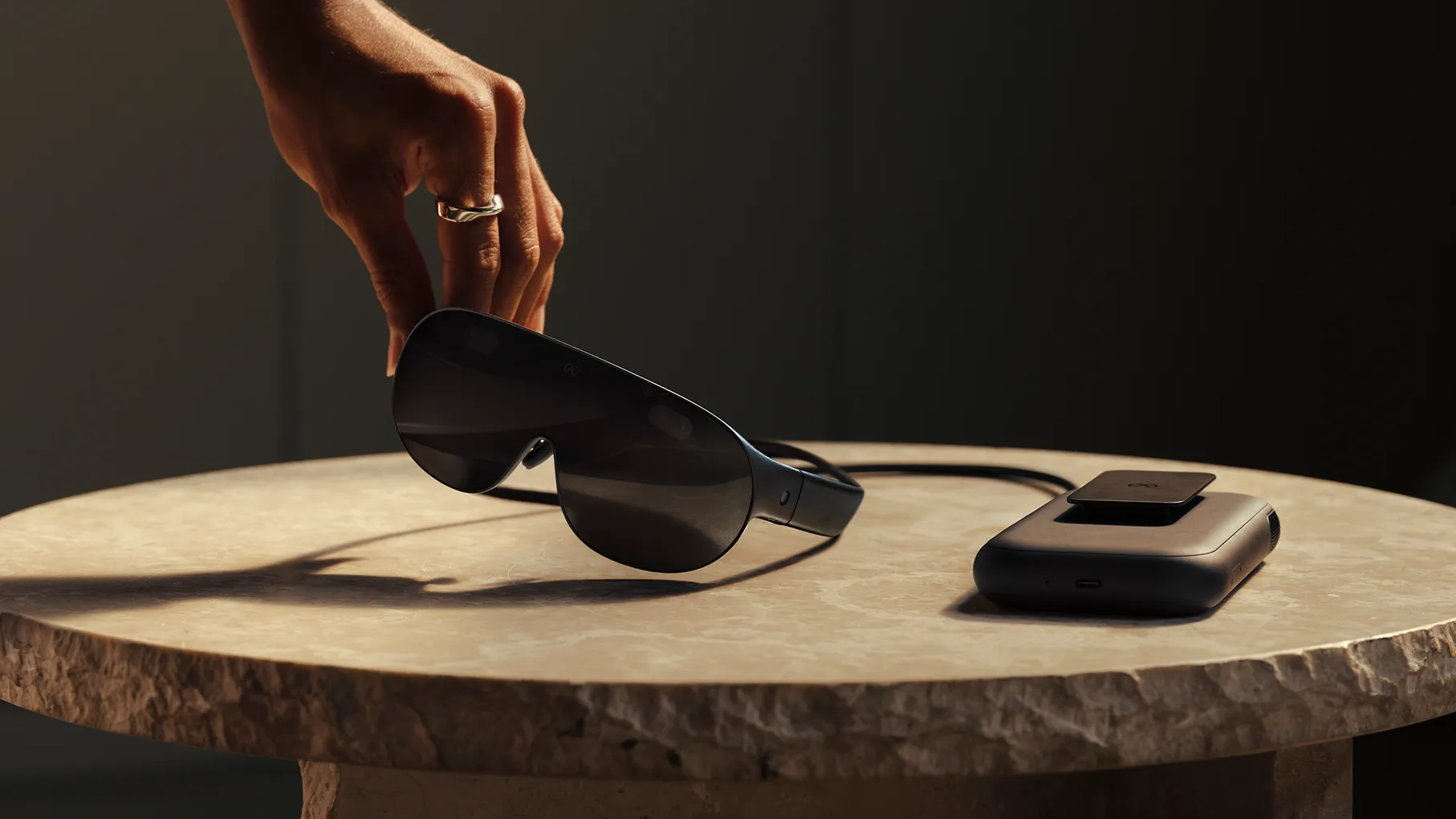
Meta announced glasses-style VR headset “Meta VR Glasses” at the developer event “Meta Connect 2026” on September 23, 2026 (US time). Release is scheduled for spring 2027, with a US price of $1,299.99 (approximately $1,299.99 USD). As of September 24, 2026, the Japanese price and release date remain unannounced.
Let me start by stating the numbers. The goggles weigh about 100 grams. That’s about one-fifth of the Meta Quest 3, achieved by separating the processing unit and battery into a “pack” as a separate component. The display is a Micro-OLED “5K Infinite Display” with a pixel density of 37 PPD compared to Quest 3’s 25 PPD. It also supports Dolby Vision HDR.
To be honest, we just wrote about the Steam Frame’s 440 grams as the “lightest class” last week. A week and a bit later, a 100-gram device appears. The conventional wisdom about VR weight is probably about to be rewritten this fall.
- What is Meta VR Glasses? Release date, price, and key specs
- How much does the 37 PPD 5K Infinite Display differ from Quest 3?
- Inside the “pack” configuration that achieves a 100g body weight
- Can you play existing Quest games? What about controllers?
- Price and weight comparison with Steam Frame and Quest 3, plus pros and cons
In this article, based on 4Gamer.net’s on-the-ground report and Meta’s official blog announcement, I’ll organize the confirmed specs. I’ll also compare it side-by-side with Valve’s “Steam Frame” that was just released on September 15, and explore how to choose the right $200,000-class VR device.

What is Meta VR Glasses? What was announced at Meta Connect 2026?
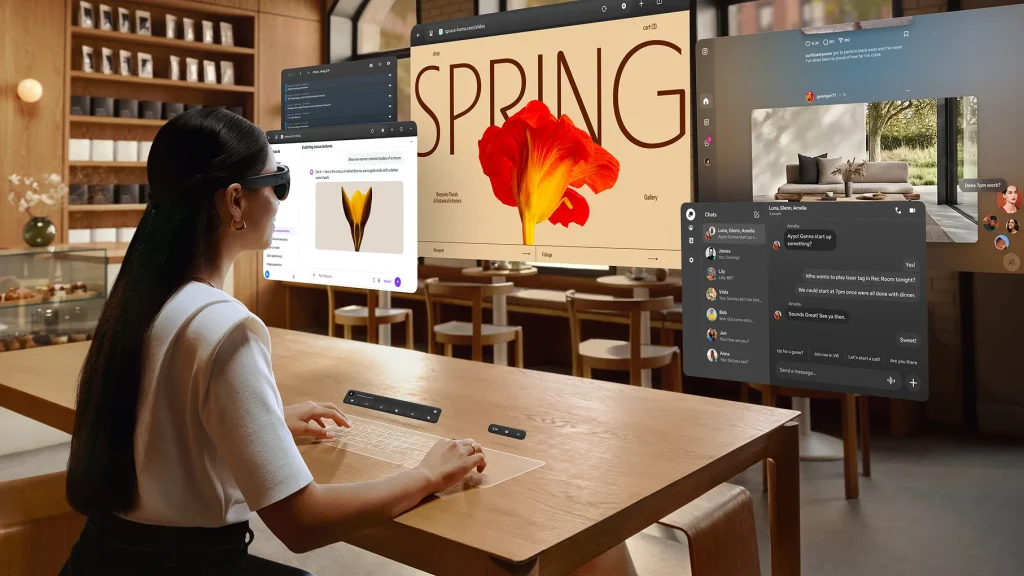
Meta VR Glasses is a glasses-style VR headset with a goggles body weighing about 100 grams, scheduled for spring 2027 release at $1,299.99 USD—Meta’s latest device.
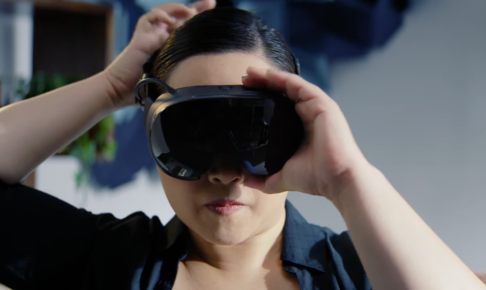
While the Quest series was a “box you wear on your head,” VR Glasses has a form factor literally like glasses that you put on, with a magnesium alloy frame. Meta says it aims for an appearance that won’t stand out even on the street. The key specs confirmed as of September 24, 2026 are as follows. Resolution and field of view specifics remain unannounced.
| Item | Details |
|---|---|
| Announcement Date | September 23, 2026 (US time) Meta Connect 2026 |
| Release Timing | Spring 2027 (planned) |
| Price | US $1,299.99 (approximately $1,299.99 USD) / Japanese price not announced |
| Weight | Goggles portion: approximately 100g (about one-fifth of Quest 3) |
| Display | Micro-OLED “5K Infinite Display” / 37 PPD / Dolby Vision support |
| SoC | Qualcomm Snapdragon Reality Elite (mounted on pack side) |
| Camera | 6 cameras total (2 for pass-through, 2 for peripheral recognition, 2 for side) + eye tracking |
| Control | Hand gestures / eye gaze / voice. Touch Plus controller compatible (sold separately) |
| Battery | Media playback up to 3 hours maximum / 45W fast charging |
Meta positions this device not as a gaming console but as “glasses that consolidate multiple roles into one.” A single sentence from the official blog captures the intent succinctly.
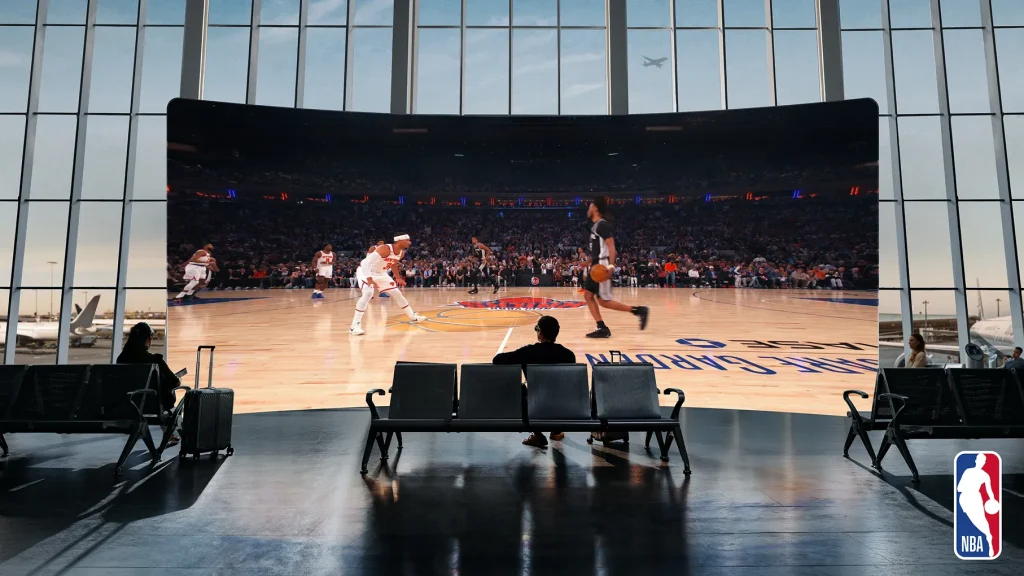
This is our most advanced device yet, delivering a cinema, courtside seat, workspace, and console, all in a pair of glasses that weigh about 100 grams.
Source:Meta Official Blog
Notice the order: “cinema, courtside seat, workspace, console.” The console is fourth. While Quest was marketed as a “VR gaming console,” VR Glasses puts video and work front and center. This order reflects Meta’s true intentions.
How much does the 37 PPD 5K Infinite Display differ from Quest 3?
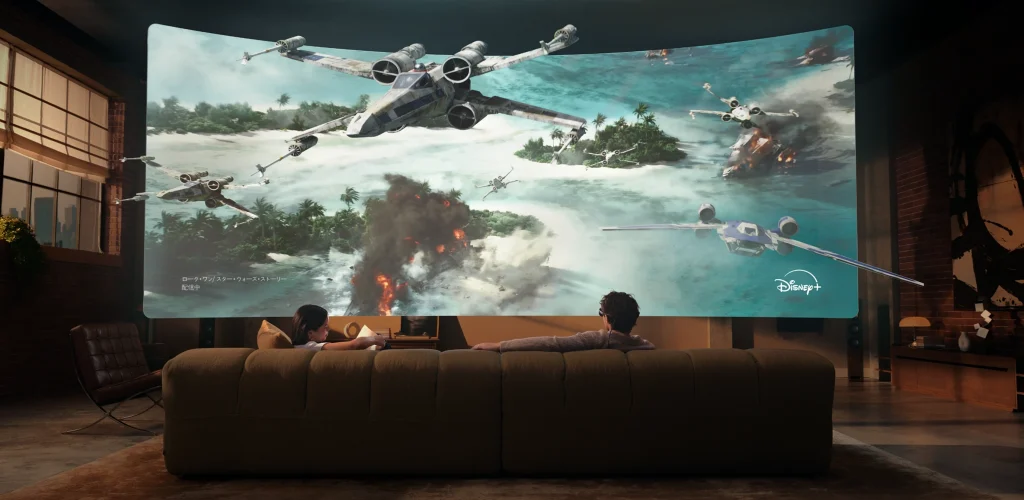
Meta VR Glasses has a pixel density of 37 PPD, compared to Meta Quest 3’s 25 PPD—approximately 1.5 times higher. The panel is Micro-OLED with Dolby Vision HDR support.
PPD (Pixels Per Degree) is the number of pixels per degree of field of view, and it most directly determines VR’s “text readability” and “freedom from pixelation.” With Quest 3’s 25 PPD, fine text appears blurry, making it difficult to use as a virtual desktop. At 37 PPD, Meta’s official claim of “a private screen during long-haul flights” becomes realistic.
And Micro-OLED—unlike LCD, blacks truly go deep, so the effect is significant in movies with dark scenes or horror games. It’s the first VR device to earn IMAX Enhanced certification, and according to Meta’s announcement, Disney+ will start 3D distribution of Marvel films in some regions from November 2026, with VR Enhanced versions of titles like “Avengers: Infinity War” planned at launch. This is why they mentioned “cinema” first.
What’s the mechanism behind the “pack” configuration that achieves a 100g body?
Meta VR Glasses separates the processor and battery into a mobile battery-sized “pack” and connects to the goggles with an optical fiber cable—a two-piece configuration. This keeps the goggles body to around 100 grams.
The pack attaches with a clip to bags, clothing, or belts. Inside is Qualcomm’s new SoC “Snapdragon Reality Elite”; according to 4Gamer.net’s report, GPU performance is 40% better than existing SoCs. It also supports storage expansion via a micro SD Express slot. Meta states the battery supports up to 3 hours of continuous high-resolution media playback and 45W fast charging.
Cable-attached modular configurations have received mixed reviews in the VR space, but if you know how heavy your neck feels after wearing Quest 3’s 515 grams for an hour, Meta’s decision to sacrifice simplicity for 100 grams makes sense.
6 cameras and eye tracking enable “controller-free” operation
The goggles mount 6 cameras total. On the upper front are 2 for video pass-through and 2 for spatial mapping and hand gesture recognition, plus 2 side cameras in the temple area. Eye tracking is built into the optical system, and the basic operation is to select apps with your eyes and confirm with hand gestures. The lens uses thin pancake design with motorized IPD adjustment, and prescription lens inserts can be magnetically attached for myopia correction. Compared to Steam Frame’s limitations for glasses wearers, this is a clear differentiator.
Can you play existing Quest games? What about controllers?
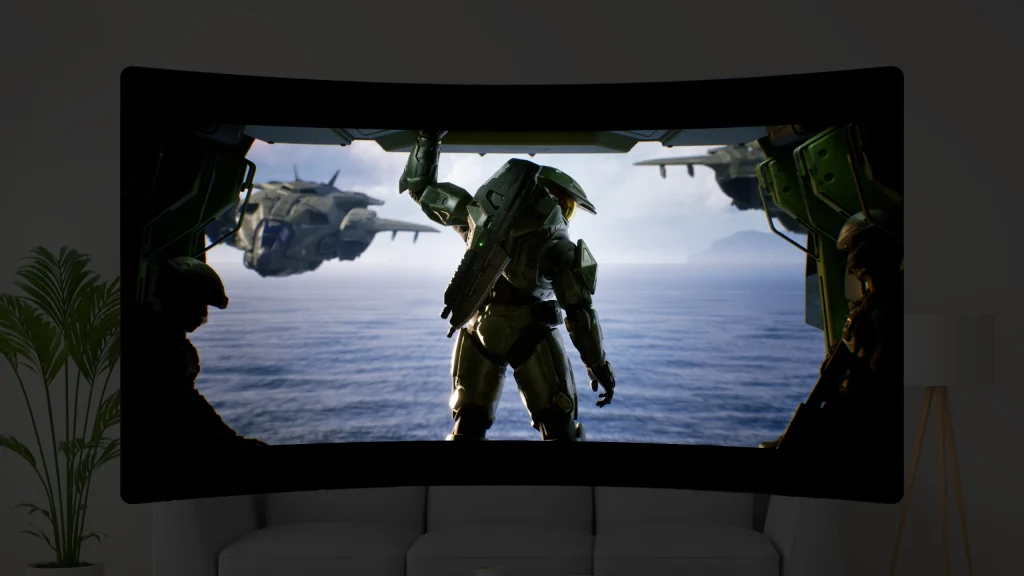
Yes. With the Touch Plus controller (for Quest 3, sold separately), all games on the existing Meta Quest platform work on Meta VR Glasses. Over 75 hand gesture-compatible titles will be available at launch.
This was the most reassuring point in today’s announcement. The thousands-strong Quest library transfers entirely, and Meta’s official game announcement blog explicitly states “all Quest games work with the Touch Plus controller.” The typical “wait for software” phase that comes with new hardware is essentially eliminated.
However, controllers are not included. Hand gestures are the primary control method, and Touch Plus is offered as “if you already own one, you can use it.” For new users to seriously play existing Quest games, additional purchase costs apply.
Key titles at launch and in 2027
- “Beat Saber: Flux” (Spring 2027, new Flux mode with 35 songs)
- “Tetris Effect: Mixed Realities” (Spring 2027)
- “Dragon Grove,” “Supernatural” (Spring 2027)
- “Ace Attorney 5 VR” (2027, also coming to Quest 3/3S)
- “Story of Seasons: Your Wonderful Life,” “Cardmada” (2027)
The fact that “Ace Attorney 5 VR” comes simultaneously with Quest 3/3S is symbolic, clearly showing Meta’s positioning of this as a continuation of the existing Quest line. Additionally, it can connect via wireless or USB-C to Mac/Windows and offers spatial display and PC VR functionality. PC gamers now have options beyond just Steam Frame.
How does it compare to Steam Frame and Quest 3? Price and weight comparison, plus pros and cons
The price range is approximately 200,000 yen—nearly the same as Steam Frame’s 256GB model (199,980 yen)—while the weight is approximately 100g compared to Steam Frame’s 440g, less than one-quarter. “PC VR-oriented Steam Frame” versus “self-contained plus video-focused VR Glasses” represent different philosophies.
Comparing by the numbers as of September 24, 2026. Note that Meta VR Glasses’ yen price is converted from USD, and the Japanese price is not yet announced.
| Item | Meta VR Glasses | Steam Frame (256GB) |
|---|---|---|
| Price | $1,299.99 USD (approximately $1,299.99 USD) | 199,980 yen (tax included) |
| Release | Spring 2027 (Japan TBD) | September 15, 2026 (already released) |
| Weight | approximately 100g (+ separate pack) | 440g (battery built-in) |
| Display | Micro-OLED / 37 PPD / Dolby Vision | LCD, 2160×2160 per eye / 72-144Hz |
| SoC | Snapdragon Reality Elite | Snapdragon 8 Gen 3 |
| Controller | Not included (Touch Plus compatible) | Included dedicated controller |
| Software Library | Full Quest library support | Steam library (PC VR + some standalone) |
For reference, Meta Quest 3 (512GB) costs 102,300 yen, weighs 515g, and has 25 PPD; Quest 3S costs 59,400 yen. VR Glasses positions itself as “approximately twice Quest 3’s price, one-fifth the weight, and 1.5 times the pixel density.”
Pros
- Overwhelmingly light at approximately 100g for the goggles. Long-term wearing assumptions change
- 37 PPD, Micro-OLED, Dolby Vision, and IMAX Enhanced all support video quality
- All existing Quest games work. No “software shortage” worries at launch
- Eye tracking + hand gestures + voice means it’s complete without a controller
Concerns
- Japanese price and release date unannounced. Over $1,200 USD converted, plus over half a year until release
- The cable connecting the pack and goggles can’t be assessed until you handle the actual device
- No included controller. To seriously play Quest games, the Touch Plus purchase cost is necessary
- Resolution and field of view unannounced. Battery claim is “3 hours media playback”—gaming time unclear
If Steam Frame is “for people with gaming PCs and a Steam library,” VR Glasses is “for people with a Quest library who want to handle movies and work with this device too.” Even at the same 200,000-yen price, the target audiences don’t directly compete. Rather, people who bought Steam Frame might end up wanting “the lighter one too” next spring—which is scary. Let’s not talk about wallet space.

Enjoying this article? Add us as a preferred source on Google.
Conclusion | Will Meta VR Glasses rewrite VR’s “weight” in spring 2027?
To recap: Meta VR Glasses was announced at Meta Connect 2026 on September 23, 2026, and is scheduled for spring 2027 release at US $1,299.99 (approximately $1,299.99 USD). The Japanese price and release date are unannounced as of September 24, 2026.
The goggles weigh approximately 100g—about one-fifth of Quest 3. The two-piece setup, with the Snapdragon Reality Elite and battery in a separate “pack,” is the secret to the weight. The display is a Micro-OLED 5K Infinite Display with 37 PPD and Dolby Vision support. With the Touch Plus controller, all Quest games work, and 75+ hand gesture-compatible titles are available at launch.
At the same price as Steam Frame (199,980 yen, 440g), it weighs less than one-quarter as much. Until Japanese pricing and pack usability details arrive, people deciding between spending their 200,000 yen on Steam Frame now or waiting until spring will surely multiply. I haven’t decided either.
Meta VR Glasses directly addresses the decade-long challenge of “making VR lighter” with the pragmatic split-pack design. With 100g, 37 PPD, and full Quest library support, the hardware persuasiveness completely surpasses Quest 3. On the flip side, the $1,200+ converted price, no included controller, and unreleased resolution and field of view mean purchasing information is still only half complete. Waiting for the Japanese price announcement before weighing it against Steam Frame is the right call.
If you have a Quest library, this is a top candidate. PC VR users should not rush—wait for real-device comparison with Steam Frame.
※ This article’s prices and specs are based on announcements as of September 24, 2026. Japanese pricing and release dates are unannounced, so we’ll update as information arrives.
Related Reading
Nokko Oda







Leave a Reply