
Enjoying this article? Add us as a preferred source on Google.
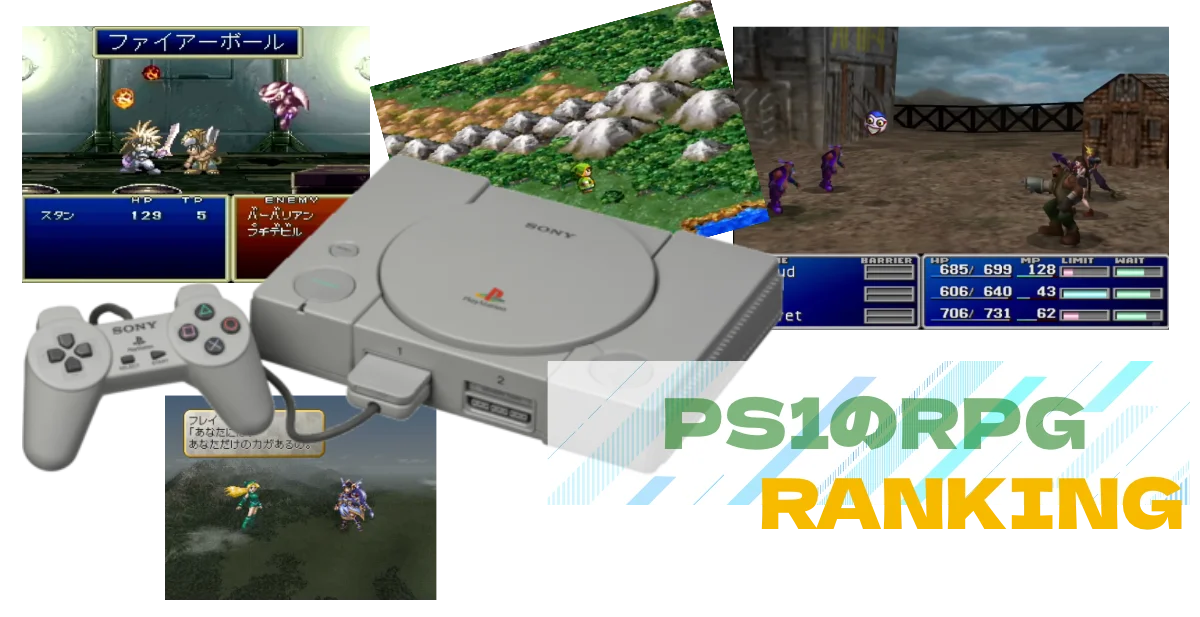
“So which classic PS1 RPG should I actually start with?” If you ask me that, honestly, one night isn’t enough to cover it. And no, this isn’t about emulators or digging through bargain bins for used discs. It’s about the fact that we now live in an era where official remasters and remakes let you play these classics far more comfortably than you ever could back in the day.
Every time I spot a PS1 RPG at a used game shop in Akihabara, I can’t help stopping to look. But let’s be real: for a lot of these games, you’ll be much happier just firing them up on Steam or your phone than hunting down the original hardware and discs.
For this list, our editorial team scored each game on four axes — “Accessibility,” “Graphics,” “Brutality,” and “Replay Depth” — and factored in how easy it is to play on modern platforms to build our Top 10 PS1 RPG ranking. And yes, let’s just come out and say it: one game beat the legendary Final Fantasy VII for the top spot.
Prices and availability are current as of July 2026. They can change during sales, so be sure to check the latest price on the official store before you buy.
Bottom line up front: No. 1 goes to the 2023 remake Star Ocean: The Second Story R. By keeping the bones of the original while polishing it to modern standards, it pulled a full head ahead of the pack in our scoring.
*Prices in this article are converted from Japanese yen at ¥153 = US$1 (September 2026 rate).
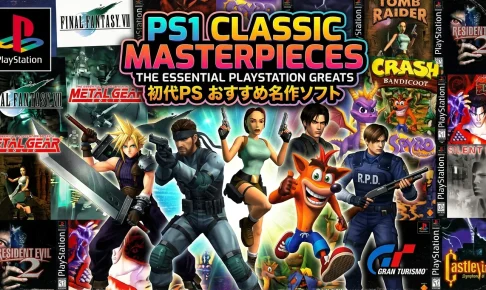
All 10 Games Compared: Scoring Accessibility, Graphics, Brutality, and Replay Depth
First, let’s line up all 10 games side by side. The totals are our own editorial scores, weighted heavily toward “Is this still fun to play today?” Rather than judging only the original releases, we rated each game based on the versions you can actually play on current platforms (remasters, remakes, and mobile ports).
| Title | Accessibility | Graphics | Brutality | Replay Depth |
|---|---|---|---|---|
| 1. Star Ocean: The Second Story R | 83 | 92 | 68 | 90 |
| 2. Valkyrie Profile: Lenneth | 70 | 80 | 85 | 88 |
| 3. Final Fantasy VII | 80 | 75 | 72 | 93 |
| 4. Final Fantasy IX | 85 | 86 | 60 | 85 |
| 5. Dragon Quest VII | 68 | 70 | 75 | 96 |
| 6. SaGa Frontier | 60 | 72 | 80 | 94 |
| 7. Chrono Cross | 78 | 85 | 58 | 80 |
| 8. Persona 2: Eternal Punishment | 65 | 68 | 78 | 82 |
| 9. Tales of Destiny | 70 | 62 | 73 | 80 |
| 10. Wild Arms | 72 | 65 | 70 | 75 |
The remakes racked up big points in graphics and replay depth, which pushed them into the top ranks. The thrill of the originals back in the day matters, sure, but this is a perfect example of how the rankings shift once you judge by “Is it fun to play right now?”
#10: Wild Arms — The Original Western-Fantasy RPG, Now an Easy Pick Through PS Plus
| Accessibility | Graphics | Brutality | Replay Depth | Total Score |
|---|---|---|---|---|
| 72 | 65 | 70 | 75 | 282 |
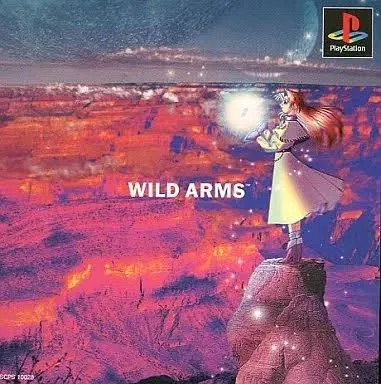
Released on December 20, 1996, Wild Arms is an RPG defined by its mashup of Wild West and fantasy, plus its “Tools” system for solving puzzles out in the field. Developed by Media.Vision, it’s one of the games that carried the PS1 through its early days.
Right now it’s available in the Classics Catalog for PS Plus Premium subscribers on PS4/PS5, complete with quality-of-life features like up-rendering, rewind, and quick save. The fact that you get it through a subscription rather than as a standalone purchase sets it apart from the other games on this list.
Honestly, the Western-meets-RPG combo is still one of a kind. Once you pick it up, you’ll probably find yourself thinking, “Was there ever another RPG with a world this dusty and dry?”
- PS Plus Premium members can play at no extra cost
- A one-of-a-kind Western-meets-fantasy world
- The rewind feature makes puzzle-solving painless
- No standalone purchase; requires a PS Plus Premium subscription
- Graphics are unchanged from the original and definitely show their age
#9: Tales of Destiny — Where the Series Began, but Hard to Get Legally on Modern Platforms
| Accessibility | Graphics | Brutality | Replay Depth | Total Score |
|---|---|---|---|---|
| 70 | 62 | 73 | 80 | 285 |
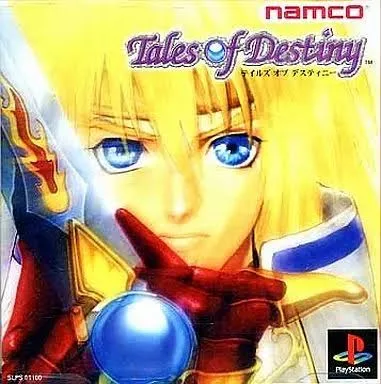
Released on December 23, 1997, Tales of Destiny is one of the most beloved entries in the entire “Tales of” series. Its Linear Motion Battle system was praised for how polished it was, and the game earned enough love that it was later remade for PS2 as the Director’s Cut.
That said, as of this writing we couldn’t find any official digital release on modern platforms, so to play it you’ll need to track down a used PS1 disc (or a used copy of the later PS2 Director’s Cut). If you want a taste of what the series is about, another option is to start with Tales of Vesperia: Definitive Edition, which is currently available on modern platforms (Switch/PS4/Steam).
When you think about how much Leon Magnus went on to influence the series, the importance of this game as the starting point hasn’t faded one bit… which makes the lack of an official re-release all the more depressing. Bandai Namco, please, it’s time.
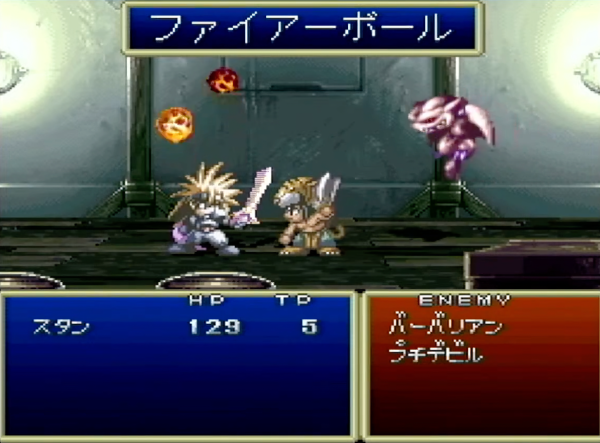
- A fan favorite and the starting point of the “Tales of” series
- A highly polished Linear Motion Battle system
- No official digital release on modern platforms (used copies only)
- Newcomers will have an easier time with the later Vesperia remaster
#8: Persona 2: Eternal Punishment — A Dark World That Still Holds Up, Back as a $6 Download
| Accessibility | Graphics | Brutality | Replay Depth | Total Score |
|---|---|---|---|---|
| 65 | 68 | 78 | 82 | 293 |
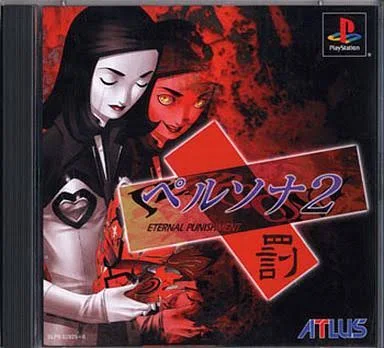
Released on June 29, 2000, Persona 2: Eternal Punishment is the game that cemented Atlus’s signature brand of occult dark fantasy, built around urban legends and rumors that come true. Its story picks up directly from the previous game, Persona 2: Innocent Sin, and it has a weighty, absorbing narrative that feels very different from the upbeat vibe of the modern Persona games.
It was re-released once before as a PSP version in 2011, and that download version is currently on the PlayStation Store after a 2021 price cut dropped it to $6. Having it at such an approachable price is genuinely great.
The good: that old-school occult vibe still feels fresh even through modern eyes. The not-so-good: if you’re used to the modern Persona games, the pacing can feel a bit sluggish at times.
- An easy-to-grab $6 digital price
- Occult dark fantasy that still hasn’t lost its edge
- As a sequel to Innocent Sin, the context can be hard to follow on its own
- Pacing feels a bit sluggish by modern standards
#7: Chrono Cross — A Classic That Hops Between Two Worlds, Now Smoother Than Ever in Its Remaster
| Accessibility | Graphics | Brutality | Replay Depth | Total Score |
|---|---|---|---|---|
| 78 | 85 | 58 | 80 | 301 |
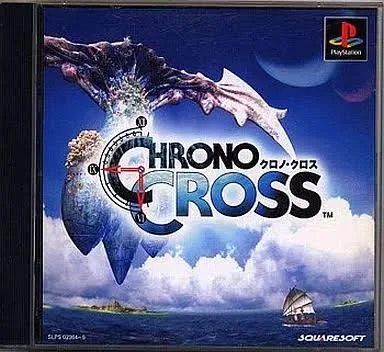
Released on November 18, 1999, Chrono Cross was made as a spiritual successor to Chrono Trigger, and it stands out for its story structure of traveling between parallel worlds and its hybrid combat system. Its gorgeous pre-rendered backgrounds are polished enough to hold up just fine even today.
The 2022 remaster, Chrono Cross: The Radical Dreamers Edition, adds higher-resolution 3D models, refined character artwork, a toggle to turn random encounters on or off, an auto-battle feature, and more. It sells for a regular price of $23 on PS4/Switch/Xbox/Steam. The grindy battle pacing that dragged the original down feels a lot less tedious thanks to those quality-of-life features.
The good: the sheer polish of the graphics. The not-so-good: with such a huge roster of party members, each individual character ends up feeling a little underdeveloped.
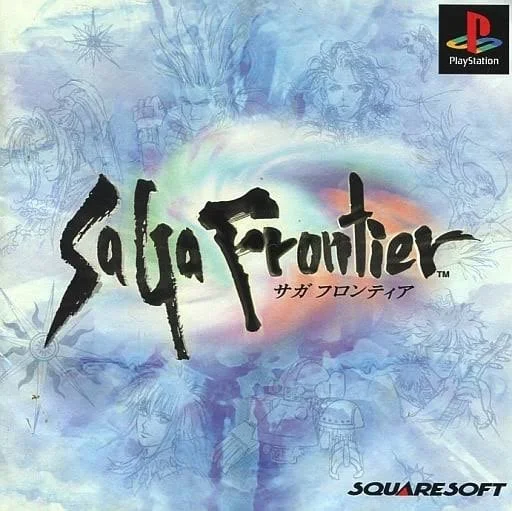
#6: SaGa Frontier | Freedom Is the Whole Point, With Eight Protagonists’ Worth of Stories
| Accessibility | Graphics | Brutality | Replay Depth | Total Score |
|---|---|---|---|---|
| 60 | 72 | 80 | 94 | 306 |
Released on July 11, 1997, SaGa Frontier is all about freedom: you pick one of eight protagonists and forge your own path through their scenario. Its old-school design, which leaves you to figure out what to do on your own, split opinions even back then, but it also built a fiercely devoted fanbase.
The remaster, released April 15, 2021, is available on PS4, Switch, Steam, iOS and Android for $31 digital. One perk exclusive to the remaster: an eighth protagonist, Fuse, was newly added.
The upside is the sheer volume, with eight scenarios plus New Game+ style replay elements. The downside is that all that freedom comes with a hardcore design where you can wander around with no clue what to do and end up soft-locked. Going in with a walkthrough open on the side is honestly the right mindset.
#5: Dragon Quest VII | Absurdly Deep, and Now Easy to Play on Your Phone
| Accessibility | Graphics | Brutality | Replay Depth | Total Score |
|---|---|---|---|---|
| 68 | 70 | 75 | 96 | 309 |
Released on August 26, 2000, Dragon Quest VII (released in the West as Dragon Warrior VII) is one of the biggest games the series has ever put out. Between its unique structure of collecting tablet fragments to restore lost continents of the past and the massive class-change and skill-hunting grind of its ability system, people were saying even back then that 100+ hours to the credits was completely normal.
These days the smartphone version (launched November 7, 2018; regular price $16) is available on the App Store and Google Play, with battle presentation based on the 3DS version that makes it a smooth ride. It also goes on deep discounts regularly, sometimes dropping to around $9 depending on the timing (as of July 2026).
The upside is the overwhelming volume and replay depth. The downside is the encounter rate and long dungeons, which make the early game a bit of a patience test. As a proud Team Bianca guy in Dragon Quest V, I remember melting an embarrassing amount of time into VII’s tablet hunting… I’d love to go back and tell my younger self, “Dude, you’re not even halfway done.”
- $16 on mobile, and even cheaper during sales
- Some of the biggest volume and replay depth in the series
- Smooth battle presentation based on the 3DS version
- The early-game encounter rate and long dungeons test your patience
- So much content that 100+ hours to beat it isn’t unusual
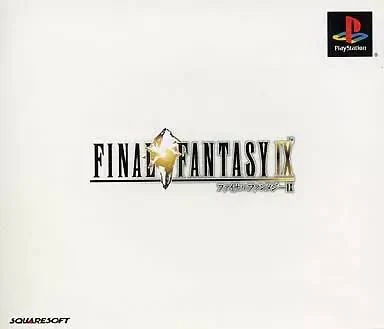
#4: Final Fantasy IX | A Culmination of the Series’ Roots, With Handy Boosters in the Remaster
| Accessibility | Graphics | Brutality | Replay Depth | Total Score |
|---|---|---|---|---|
| 85 | 86 | 60 | 85 | 316 |
Released on July 7, 2000, Final Fantasy IX is a culmination of everything the series had been, returning to the medieval-fantasy roots where it all began. With its classic story revolving around the crystal and a lovable cast including Vivi, Dagger and Zidane, it still enjoys rock-solid support from series fans today.
The remaster is available on Steam, Switch and PS4, and on top of the higher resolution, it adds booster features like “High Speed Mode,” “No Encounters Mode” and “Max Gauge Mode.” The regular price is $17, and during a sale celebrating the game’s 25th anniversary it has dropped as low as $5 (as of July 2026; sale timing varies).
The upside is that the quality-of-life features let you blaze through replays. The downside is that the battle balance gets a little soft once you lean on the boosters. If you want the full, meaty experience, I recommend leaving them off.
- Booster features like High Speed Mode make replays a breeze
- A beautifully polished classic fantasy adventure
- Sometimes drops as low as $5 on sale
- Relying too much on the boosters drains the challenge
- Sales are irregular, so it isn’t always $5
#3: Final Fantasy VII | The JRPG Landmark, With Some of the Deepest Endgame Content Ever
| Accessibility | Graphics | Brutality | Replay Depth | Total Score |
|---|---|---|---|---|
| 80 | 75 | 72 | 93 | 320 |
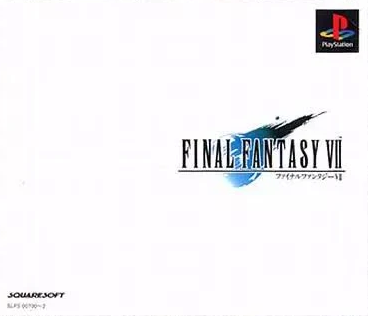
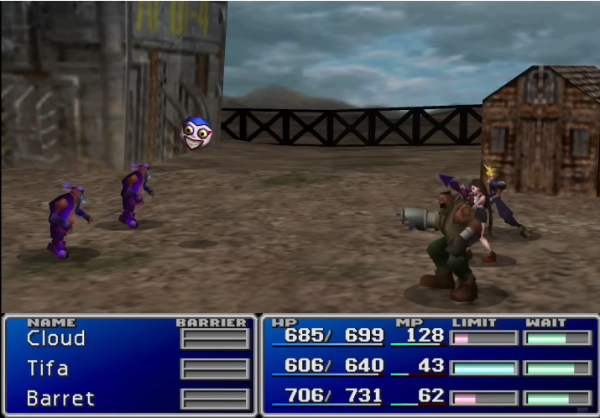
Released on January 31, 1997, Final Fantasy VII is a JRPG landmark that needs no introduction. The story woven by Cloud, Tifa, Aerith and the rest of the cast, the freeform builds of the Materia system, and some of the deepest optional content in the series, headlined by the superbosses Emerald Weapon and Ruby Weapon: every reason it’s still talked about today is packed right here.
Right now it’s sold standalone on the PlayStation Store as a PS one Classic for $12. Being able to buy it on its own and jump right in on PS4/PS5 is a charm unique to the original, and a different flavor from Final Fantasy VII Remake and Final Fantasy VII Rebirth.
Whenever I spot an original PS1 copy at a used game shop in Akihabara, my hand just reaches for it on its own… yeah, yeah, I know one click on the PS Store is way faster these days. The upside is some of the deepest replay content in the series. The downside is that the polygon character models can look dated at times, and honestly, they did even back then.
- $12 on the PS Store, buy it standalone and play right away
- Some of the deepest content in the series, superbosses included
- A story and characters etched into JRPG history
- The polygon character models still look like they did in the ’90s
- Keep in mind this is the original experience, not the remake
#2: Valkyrie Profile | A Norse Tragedy That Shines With Unforgiving Branches and Deep Replay Value
| Accessibility | Graphics | Brutality | Replay Depth | Total Score |
|---|---|---|---|---|
| 70 | 80 | 85 | 88 | 323 |
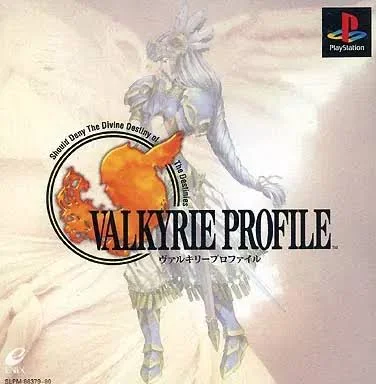
Released on December 22, 1999, Valkyrie Profile is a true oddball that fuses a tragic story inspired by Norse mythology, field exploration mixed with jumping action, and combo-chaining battles fitting for a battle maiden. It’s also a showcase of everything tri-Ace had in its technical toolbox at the time.
After the 2006 PSP version, Lenneth, it was ported to PS4/PS5 on December 22, 2022, priced at $18. Modern conveniences like rewind, quick save and visual presets have been added, making its unforgiving replay and branching systems much easier to take on.
The upside is the weighty Norse-mythology story and how satisfying the combo battles feel. The downside is that the “Shein” (souls of the dead) collection system, built around multiple playthroughs, is pretty unforgiving, and without a guide you could easily end up stuck.
- The PS4/PS5 port is loaded with quality-of-life features
- A weighty story steeped in Norse mythology
- The rush of combo-chaining battles
- Systems built around multiple playthroughs can feel a bit intimidating
- The jumping action controls have their own quirky feel
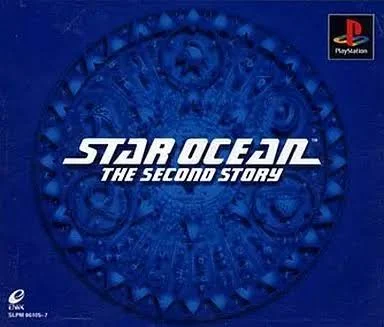
#1: Star Ocean The Second Story R | A Remake So Polished It Beats FF7!
| Accessibility | Graphics | Brutality | Replay Depth | Total Score |
|---|---|---|---|---|
| 83 | 92 | 68 | 90 | 333 |
Twenty-five years after the original’s May 28, 1998 release, tri-Ace’s 2023 full remake, STAR OCEAN THE SECOND STORY R, takes the crown at #1. It faithfully carries over the original’s story, characters and branching systems while bringing the graphics and mechanics fully up to modern standards, and that’s exactly why it scored so high.
Its visuals blend pixel-art-style 2D characters with 3D backgrounds, a look some call “HD-2D-like,” and they’re gorgeous even by today’s standards without wrecking the original’s charm. It’s available on PS4, PS5, Switch and Steam for a regular price of $43, and it has dropped to $21 (50% off) during sales (as of July 2026).
The upside is that it keeps the original’s complex branches and min-maxing elements almost entirely intact while making the whole thing dramatically easier to play. The downside is that it’s among the most expensive of the ten games on this list. Even so, for this level of polish, I think the price is more than fair.
- A careful full remake that keeps the original’s charm intact
- Top-tier graphics and accessibility among all ten games
- Available on PS4, PS5, Switch and Steam, so you can play it almost anywhere
- At a regular price of $43, it’s on the pricier side of the ten
- Technically it’s a remake, not the actual PS1 game
Can You Still Play These 10 Classic PS1 RPGs on Modern Hardware? A Platform-by-Platform Guide
✅ The Short Answer
Of the 10 games on this list, 9 are still playable on current hardware as of 2026. They’ve been ported and released across today’s platforms, from PS4 and PS5 to Switch, Steam and smartphones, so you can relive those old-school thrills right now.
1. Games Available via Subscription or for Free
| Title | Platforms | Price / Notes |
|---|---|---|
| Wild Arms | PS4 / PS5 | Included in the PS Plus Premium Classics Catalog |
2. Games You Can Buy Individually
| Title | Platforms | Price / Notes |
|---|---|---|
| Final Fantasy VII | PS4 / PS5 | $12 (the original version, sold standalone on PS Store) |
| Persona 2: Eternal Punishment | PSP (PS Store download version) | $6 (after the 2021 price revision) |
3. Games Playable as Remasters or Remakes
| Title | Platforms | Price / Notes |
|---|---|---|
| Star Ocean The Second Story R | PS4 / PS5 / Switch / Steam | $43 |
| Valkyrie Profile: Lenneth | PS4 / PS5 | $18 |
| Final Fantasy IX | PS4 / Switch / Steam | $17 (has dropped as low as $5 on sale) |
| Dragon Quest VII | iOS / Android | $16 (mobile version) |
| SaGa Frontier | PS4 / Switch / Steam / iOS / Android | $31 |
| Chrono Cross | PS4 / Switch / Xbox / Steam | $23 (Chrono Cross: The Radical Dreamers Edition) |
4. Games That Are Hard to Get on Modern Hardware
| Title | Status | Alternative |
|---|---|---|
| Tales of Destiny | No official digital release on current platforms (used copies only) | Tales of Vesperia: Definitive Edition (available on Switch/PS4/Steam) |
Lay it all out like this and it’s clear that most of the classics from the PS1’s early days are still well supported on modern hardware. Start by checking PS Store or your phone’s app store for whichever title caught your eye.
Enjoying this article? Add us as a preferred source on Google.
Wrap-Up | The Top 10 Best PS1 RPGs
To recap the final results: No. 1 is Star Ocean The Second Story R with a total score of 333, followed by No. 2 Valkyrie Profile (323), No. 3 FF7 (320), No. 4 FF9 (316), No. 5 Dragon Quest VII (309), No. 6 SaGa Frontier (306), No. 7 Chrono Cross (301), No. 8 Persona 2: Eternal Punishment (293), No. 9 Tales of Destiny (285) and No. 10 Wild Arms (282). Prices range widely from $6 to $43, and 9 of the 10 games are playable on current hardware right now.
What really hit me putting this ranking together is that once you judge these games by “Is this still fun today, nostalgia goggles off?”, the carefully crafted remakes and remasters muscle their way to the top. Some of you might be surprised to see FF7 at No. 3, but that just goes to show how much the quality of remakes and ports built to modern standards has improved.
At the end of the day, there’s no single right answer. Pick whichever title grabbed you and give it a shot.
Read Next
Snicker Kitamura


Leave a Reply