




Enjoying this article? Add us as a preferred source on Google.
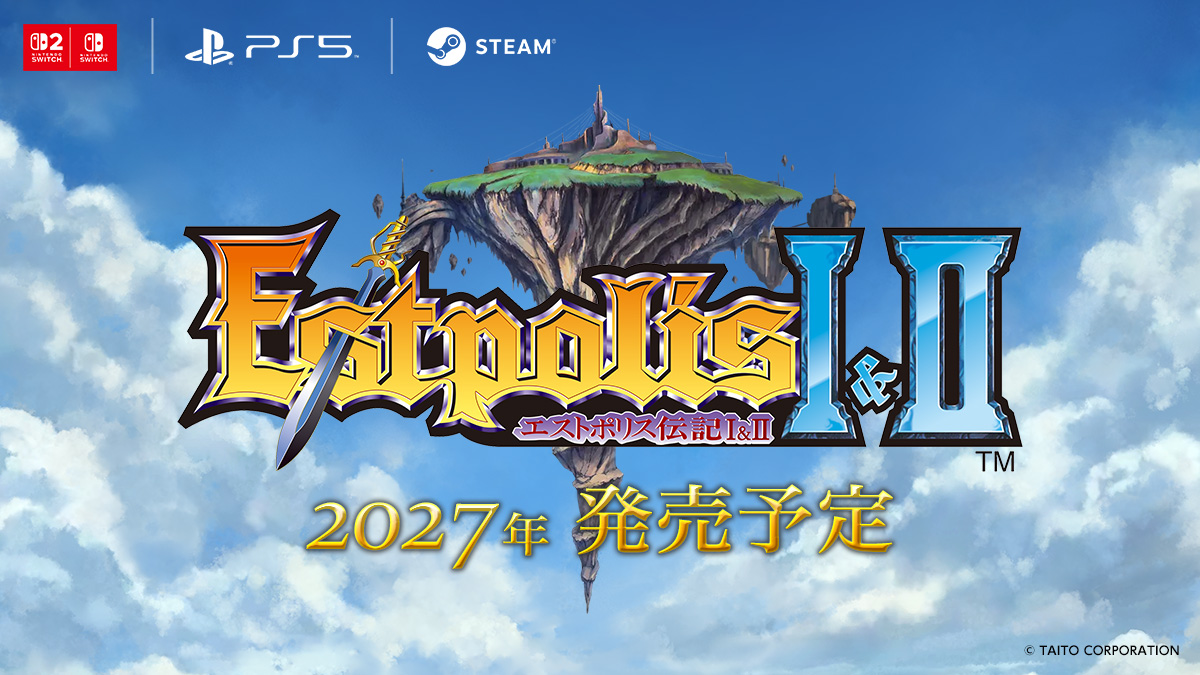
Two Super Famicom classics, Estpolis Denki and Estpolis Denki II, are coming back on modern platforms in 2027. The collection is called Lufia I & II The Sinistrals Saga, and it’s headed to Nintendo Switch 2, Nintendo Switch, PlayStation 5, and PC (Steam). TAITO is publishing, with Neverland Company and Clear River Games credited as collaborators.
The pixel art stays exactly as it was. On top of that, TAITO promises “various added features to make it easier to play.” But the single biggest change is this: the entire script is being rewritten in kanji. The Super Famicom originals were drowning in hiragana because of cartridge size limits. Anyone who remembers squinting through those walls of syllabary knows how much that one line matters.
And the person doing the rewrite is Masahide Miyata, the series’ original planner. He has stated outright that he reread every line of dialogue in both games to do it. This isn’t a machine conversion farmed out to a contractor.
The moment the announcement landed, my first reaction was a loud “Wait, Lufia II is coming back?!” Some people have waited 31 years for this. Below is a clean split between what is confirmed as of September 21, 2026, and what is still unannounced.
- A 2027 release window, four platforms, and the price situation
- Which two games are included, and how I and II fit together chronologically
- The full kanji script rewrite, the headline addition
- Clear River Games’ retro revival streak after Terranigma
- Language support by region, and why the Steam build wins
Let’s start with what’s locked in. Pricing is the one thing still missing.
When does Lufia I & II release? Platforms and price, explained
The release window is 2027. No month or day has been announced as of September 21, 2026. The platform lineup is Nintendo Switch 2, Nintendo Switch, PlayStation 5, and PC (Steam).
Pricing is also undecided. The CERO rating is listed as “pending review,” so that isn’t final either. The genre is role-playing, and it’s single-player only. There has been no mention of online features of any kind.
TAITO’s official product page is already live, and what’s on it is the entirety of the primary-source information right now. Which tells you something: this was a surprise reveal made well before the details were ready.
| Item | Details |
|---|---|
| Title | Lufia I & II The Sinistrals Saga (Japanese title: Estpolis Denki I&II) |
| Release window | 2027 (exact date unannounced) |
| Platforms | Nintendo Switch 2 / Nintendo Switch / PlayStation 5 / PC (Steam) |
| Genre | Role-playing |
| Players | 1 |
| Publisher | TAITO Corporation (in cooperation with Neverland Company and Clear River Games) |
| Price | Undecided (as of September 21, 2026) |
| CERO | Rating pending |
The obvious sticking point: PS4, Xbox, and physical editions are all unannounced. Having both Switch 2 and the original Switch covered is genuinely generous, but if PS4 is your only console, you’re waiting on further news. There’s nothing more to say about it right now.
Which games are in the collection? Sorting out the I and II timeline
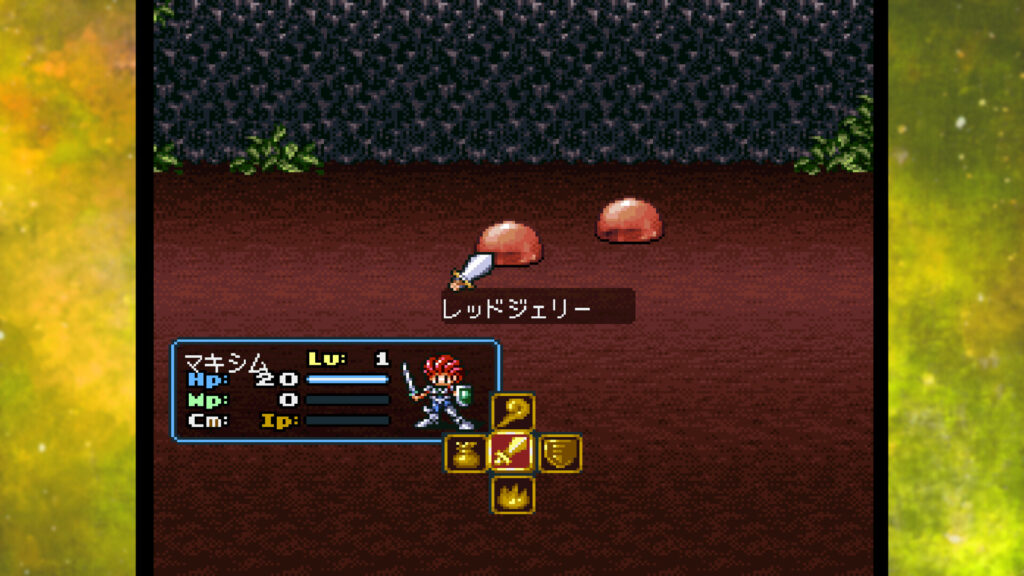
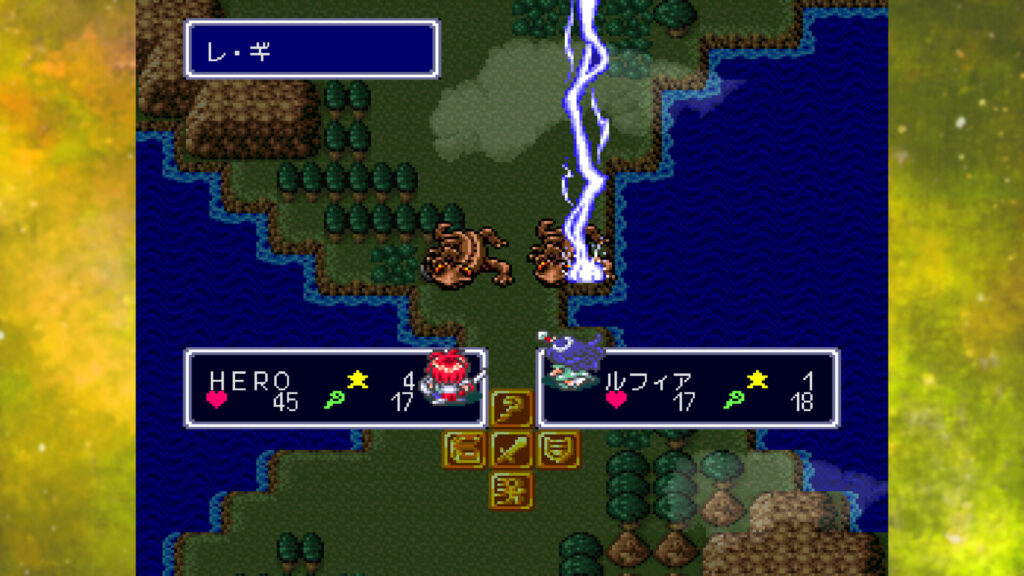
The package contains Estpolis Denki, released on Super Famicom in June 1993 (known in the West as Lufia & the Fortress of Doom), and Estpolis Denki II, released on the same hardware in February 1995 (Lufia II: Rise of the Sinistrals). Both were developed by Neverland Company and published by TAITO.
Here’s where it gets confusing. The numbering runs I then II, but the story of II takes place before the story of I. Maxim and his party fight their war in II; a century later that war has hardened into legend, and their descendant becomes the protagonist of I.
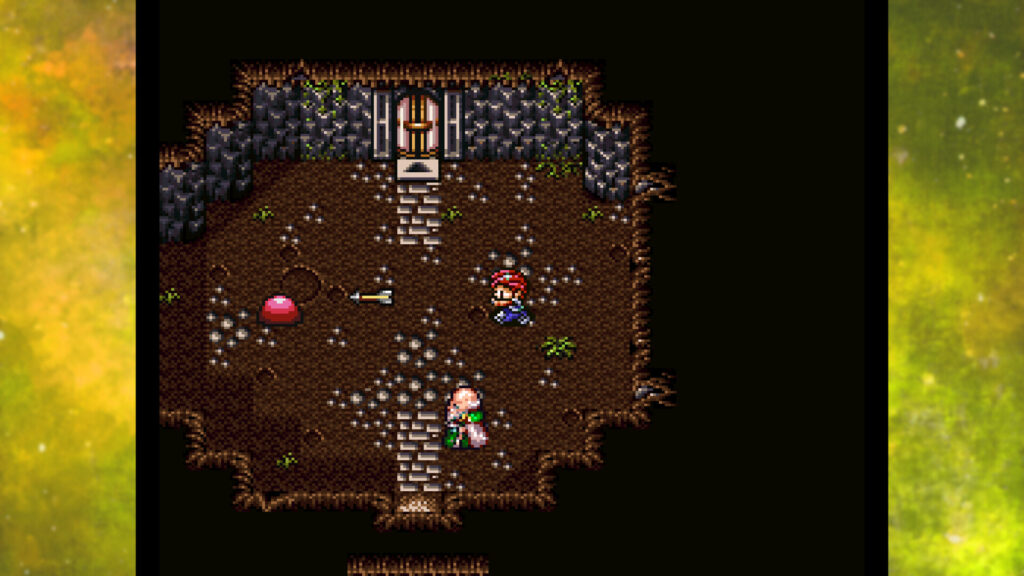
A collection of two of the fondest remembered JRPGs of the 1990s, whose moving storylines and memorable soundtracks touched the hearts of players around the world.
Source: Steam store page
Because the publisher explicitly frames II as the prequel, the order you pick changes the whole experience. Play I first, in release order, and the payoffs in II hit like a freight train. Play II first, in chronological order, and the narrative simply flows. Bundling both in one package is the cleanest possible answer to that eternal “which one first?” argument.
For what it’s worth, my pick is II. The reason is simple: it is dramatically more refined. The puzzle dungeons and the IP (item power) system in II are absurdly well built, and it still plays beautifully today. Speaking as a former anime-shop employee, there was a reason used copies of II always moved faster off the shelf.
The Game Boy Color and DS entries aren’t included
The series also includes Estpolis Denki: Yomigaeru Densetsu (Lufia: The Legend Returns) for Game Boy Color, released in September 2001, and Estpolis (Lufia: Curse of the Sinistrals) for Nintendo DS, released in February 2010 and published by Square Enix. Neither is part of this collection, which is exactly what the “I & II” in the title means.
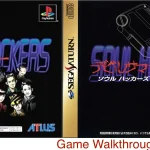
As for the legendary unreleased third entry, Estpolis Denki III: Ruin Chasers was in development for PlayStation, but the distributor that held the rights went bankrupt, development was halted, and it never shipped. Fans will inevitably ask whether this revival opens the door for III. There is no news on that front whatsoever.
What’s being changed? A full kanji script rewrite headlines the additions
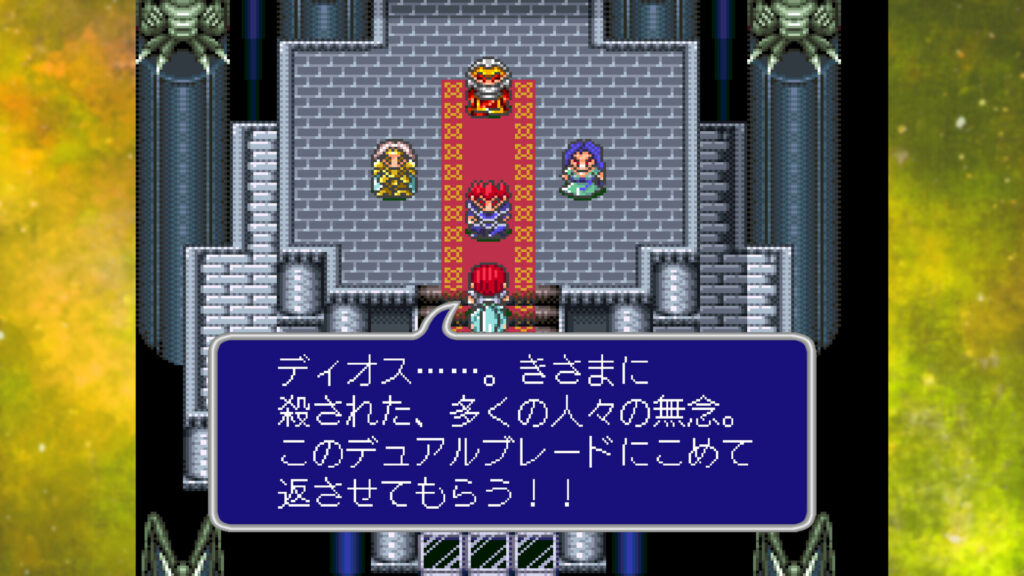
The biggest change in this port is the complete kanji rewrite of the script. The pixel art is preserved exactly as it was in the originals, and the modernization effort goes into the text instead.
Super Famicom RPGs couldn’t afford kanji in ROM, so dialogue defaulted to strings of hiragana. It has a certain charm, but long dramatic scenes become a slog to parse. Lufia is a series built to make you cry, which makes this particular fix far more consequential than it sounds.
The rewrite was handled by series planner Masahide Miyata himself. His comment on TAITO’s official site makes clear that this was not a mechanical find-and-replace job.
The fact that a game I made more than a quarter century ago still draws cheers from so many fans is, quite simply, everything a game creator could ask for. Given the chance to convert a script that leaned heavily on hiragana because of Super Famicom capacity limits into full kanji, I reread every line of dialogue in both Lufia 1 and Lufia 2. Honestly, plenty of those exchanges made me wince and think “wow, I was young” — but the memories of making them came flooding back, and it was a wonderful way to spend my time.
Source: TAITO official site
“I reread every line of dialogue.” That’s the whole pitch right there. When the person who wrote the text 30 years ago is the one revisiting it, the cadence and tone aren’t going to drift away from the original. The scariest thing about any retro revival is the fingerprints of someone who doesn’t know the material. That risk is off the table here.
The downside: the added features are still a black box
On the other hand, the specifics behind “various added features to make it easier to play” are completely unannounced as of September 21, 2026. Rewind? Save anywhere? Fast-forward? Nothing has been confirmed.
Rewind, quick save, and encounter-rate tweaks are the usual suspects in revivals like this, but guessing is all anyone can do at this stage. The only option is to wait for the next announcement. Keep expectations in check until then.
Why is Clear River Games involved? The Terranigma revival set this up
Clear River Games, one of the credited collaborators, is a Sweden-based publisher that has been steadily bringing retro titles back to modern hardware.
The most recent example is Terranigma. The 1995 Super Famicom action RPG was announced for a 31-years-later port in August 2026, and in September the release date was pinned to January 14, 2027. Key staff from Quintet are involved, as is manga artist Kamui Fujiwara, who handled the original character designs — a serious package that got retro RPG fans talking.
And right on its heels comes TAITO’s Lufia. Two of the definitive “RPGs that make you cry” from the back half of the Super Famicom era are returning to modern platforms back to back. 2027 is shaping up to be an unreasonable year.
The structure here is different from Terranigma, though. TAITO Corporation is the publisher on this one, with Clear River Games and Neverland Company listed under cooperation. This is not a Western publisher driving a revival from the outside; the rights holder itself is leading the charge.
TAITO has also been pushing older titles onto modern hardware through its Console Archives line, so the company is clearly committed to mining its back catalog. Viewed in that light, this announcement looks less like a one-off and more like another point on a line that’s been forming for a while.
What languages are supported? A breakdown by region
Language support varies by regional edition, which matters more than you’d think if you’re considering an import.
| Edition | Languages |
|---|---|
| Japanese edition | Japanese, English |
| Asian edition | Japanese, English, Korean, Chinese (Simplified / Traditional) |
| Western edition | Japanese, English, French, German, Spanish |
| Steam version | All supported languages |
The notable part is that every edition includes both Japanese and English. Import a Western copy and Japanese is still there; buy the Japanese release and English is still there. If a region-exclusive physical edition shows up later, language won’t be the thing that stops you.
And the Steam version carries every language at once. One purchase covers all of them, which makes it the obvious choice for anyone who wants to switch languages mid-playthrough or stay on the same page as friends abroad. The Western title is Lufia I & II The Sinistrals Saga — the series has gone by “Lufia” outside Japan for decades.
Since my plan is to load this onto a Steam Deck and play for an hour before bed, Steam is where I’m landing. Though the Switch 2 handheld mode is going to be hard to ignore.
Enjoying this article? Add us as a preferred source on Google.
Summary: everything confirmed about Lufia I & II so far
Lufia I & II The Sinistrals Saga is due in 2027 on Nintendo Switch 2, Nintendo Switch, PlayStation 5, and PC (Steam). TAITO Corporation is publishing, with Neverland Company and Clear River Games credited as collaborators.
The collection contains Estpolis Denki from June 1993 and Estpolis Denki II from February 1995. The pixel art is preserved, the script is being fully converted to kanji, and unspecified quality-of-life features are being added. Series planner Masahide Miyata handled the script work and says he reread every line of dialogue in both games.
Still unannounced: the exact release date, the price, the CERO rating, the specifics of the added features, PS4 and Xbox support, and whether physical editions exist. That’s the full picture as of September 21, 2026. Preorders are not a thing yet.
There’s no date and no price yet, but this project can already be judged on one fact: the original planner did the kanji rewrite himself. Preserve the pixel art, recover the information density that hiragana was flattening — as far as revivals go, it’s hard to think of a more precisely targeted fix. It means a pair of late-Super-Famicom tearjerkers can finally be read with adult eyes.
2027 puts Terranigma and Lufia in the same year. My backlog does not stand a chance.
Read Next

Nokko Oda
Leave a Reply