



Enjoying this article? Add us as a preferred source on Google.
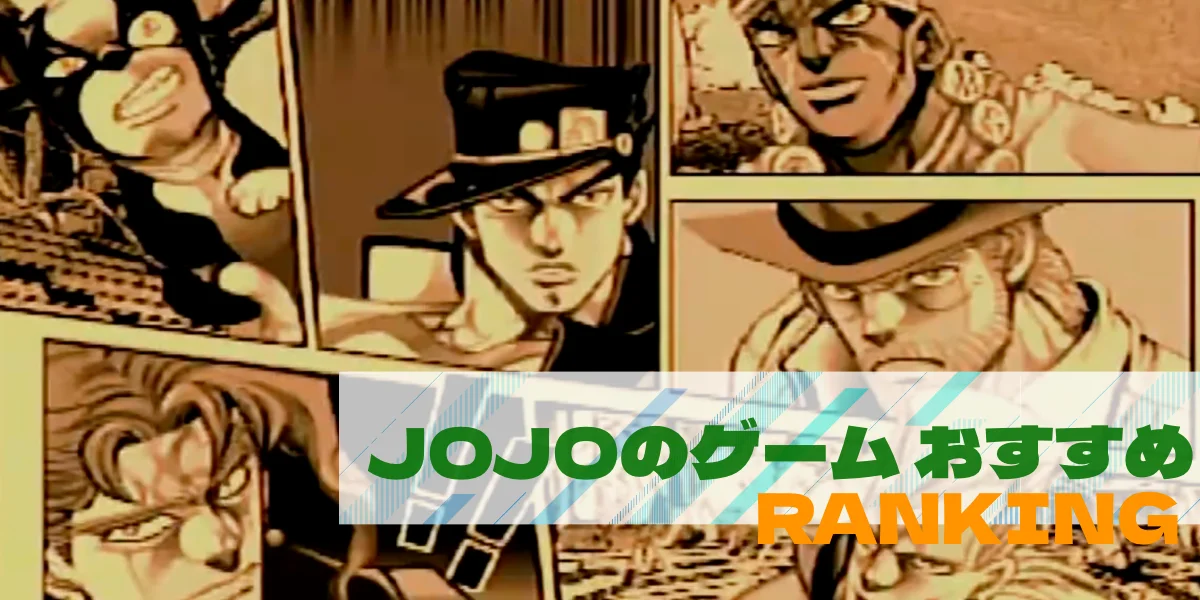
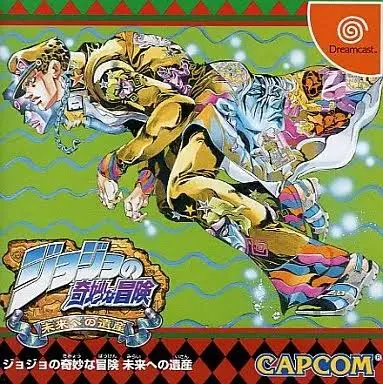
If you want one JoJo game that still holds up today, the answer is the Dreamcast version of JoJo’s Bizarre Adventure: Heritage for the Future. Released by Capcom on November 25, 1999, this single disc carried both of the CPS-3 arcade games home intact, and as a competitive fighter nothing in the series’ 27-year history has topped it yet.
That said, JoJo games are a scattered bunch. There’s Capcom’s 2D fighter, CyberConnect2’s 3D battle action, the single-player action titles of the PS2 era, and a 1993 Super Famicom RPG. The first thing that trips people up when they search for “best JoJo games” is figuring out which game covers which Part, and which hardware it actually runs on.
So for this piece I picked seven titles spanning retro to modern and scored each one out of 100 on four axes: Source Accuracy, Combat Design, Presentation and Stands, and Replay Value. The ranking is based on how good the game itself is, not on how hard the hardware is to track down.
Full disclosure: I’m the kind of person who still has a real Dreamcast hooked up to a CRT. Half the reason is this game. Nobody on my skate crew believed me when I told them, but that spacing battle you get when both players have their Stands out is something modern games still rarely pull off.
- All 7 games scored and compared on four 100-point axes
- No. 1 is the Dreamcast version of Heritage for the Future (total score 381)
- The only two you can buy on current hardware are All-Star Battle R and Eyes of Heaven
- Only 2 of the 7 are playable on current platforms (with a platform-by-platform chart)
These scores aren’t about deciding which game is “the best.” Do you want a fighter you can take seriously in competitive matches, do you want to relive the story, or do you just want the rush of trading Stand punches? Look at the axis that matches your own yardstick and ignore the rest.
All 7 Recommended JoJo Games Scored and Compared
Each game is scored out of 100 on four criteria. “Source Accuracy” measures how faithfully the game translates its Part and its episodes. “Combat Design” measures the depth of the battle or versus system. “Presentation and Stands” measures how satisfyingly the game puts the concept of a Stand on screen. “Replay Value” measures how much is left to do after the credits roll. Don’t just read the totals — pick the axis that matters to you.
| Title | Source Accuracy | Combat Design | Presentation and Stands | Replay Value |
|---|---|---|---|---|
| No. 1 Heritage for the Future (Dreamcast) | 95 | 98 | 96 | 92 |
| No. 2 All-Star Battle R | 96 | 88 | 94 | 93 |
| No. 3 Eyes of Heaven | 92 | 80 | 90 | 88 |
| No. 4 JoJo’s Bizarre Adventure (PlayStation) | 90 | 88 | 84 | 86 |
| No. 5 Golden Whirlwind | 88 | 78 | 82 | 76 |
| No. 6 Phantom Blood | 80 | 70 | 76 | 72 |
| No. 7 JoJo’s Bizarre Adventure (Super Famicom) | 82 | 62 | 70 | 68 |
What’s worth noticing is that the first and second place games swap which axes they win. The Dreamcast version takes combat and presentation; All-Star Battle R takes source accuracy and replay value. In other words, the right answer changes depending on whether you want a fighting game or you want all of JoJo in one box. And I’ll say this part up front too: only the No. 2 and No. 3 games are things you can simply go buy today.
No. 1: JoJo’s Bizarre Adventure: Heritage for the Future (Dreamcast) — the 2D fighting peak nobody has passed in 27 years
| Source Accuracy | Combat Design | Presentation and Stands | Replay Value | Total Score |
|---|---|---|---|---|
| 95 | 98 | 96 | 92 | 381 |
The Dreamcast version of JoJo’s Bizarre Adventure: Heritage for the Future launched on November 25, 1999 from Capcom. The headline is what’s on the disc. It contains both the original arcade JoJo’s Bizarre Adventure, which hit cabinets in December 1998, and its September 1999 sequel Heritage for the Future. The source material is Part 3, Stardust Crusaders. The hardware is Capcom’s CPS-3 board, the same foundation as the Street Fighter III games.
Why Combat Design scores a 98
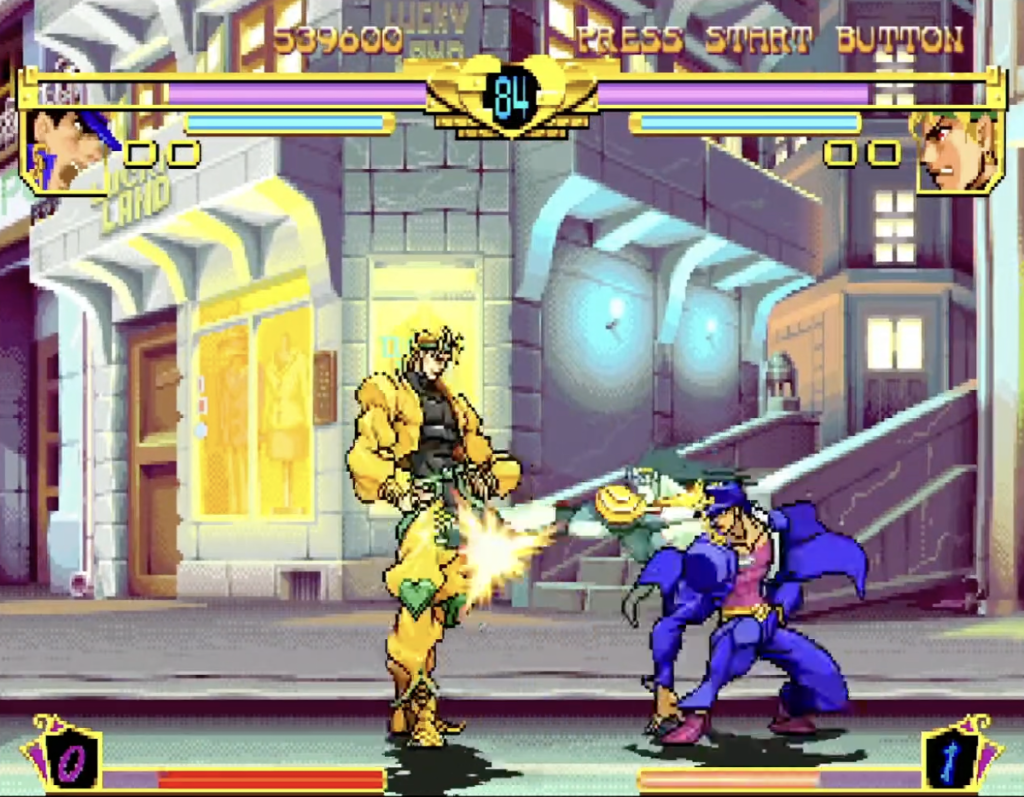
The core of this game is the Stand mode toggle. Press the S button and you shift into Stand mode, where your properties and your move list both change from your base form. While you’re in Stand mode, blocking or eating a Stand attack drains your Stand gauge, and when that gauge empties you’re forced back out into base mode. On top of that, letting your Stand get hit drains your health gauge, and Stand mode attacks chip the health of an opponent blocking in base mode. Capcom took the manga’s central concept and converted it into the mind games themselves. Looking back now, the fact that they nailed this in 1999 still seems insane to me.
The Dreamcast had headroom to spare when it came to pushing CPS-3 sprites, which is why this port doesn’t smear. Jotaro Kujo, Dio Brando, Noriaki Kakyoin, Joseph Joestar, Polnareff — it genuinely feels like panels from the manga got up and started moving. There are also playable characters added in Heritage for the Future itself, such as Vanilla Ice, so the roster is deeper than the first arcade game’s. That’s where the 96 for Presentation and Stands comes from.
The “for Matching Service” release even got online play working
On October 26, 2000, a “for Matching Service” version arrived with support for the Dreamcast’s network features. This is online fighting-game play from an era of thin pipes. By the standards of today’s rollback netcode it’s quaint, but keep in mind that JoJo had online matches running before the 20th century was over.
There was a high-definition take on this game, too: JoJo’s Bizarre Adventure: Heritage for the Future HD Ver. hit PlayStation 3 on August 21, 2012 and Xbox 360 on August 22, 2012, but both versions were delisted on September 4, 2014. Which means the only legitimate way to play this game now is to own the hardware and the disc. Keeping that Dreamcast wired to a CRT instead of selling it was, it turns out, probably the right call.
- A complete port putting both arcade games (December 1998 and September 1999) on one disc
- The S button Stand mode toggle and the Stand gauge turn a manga concept into a real versus system
- The October 26, 2000 “for Matching Service” version even supported online play
- You need real Dreamcast hardware. The HD Ver. (PS3 and Xbox 360) was delisted on September 4, 2014
- It only covers up to Part 3. If you want characters from Part 4 onward, go to All-Star Battle R
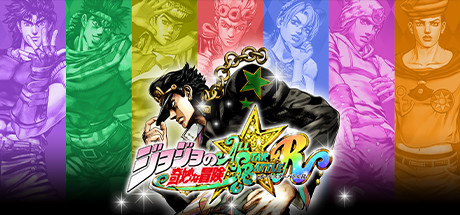
No. 2: JoJo’s Bizarre Adventure: All-Star Battle R — 50 characters and the top pick on current hardware
| Source Accuracy | Combat Design | Presentation and Stands | Replay Value | Total Score |
|---|---|---|---|---|
| 96 | 88 | 94 | 93 | 371 |
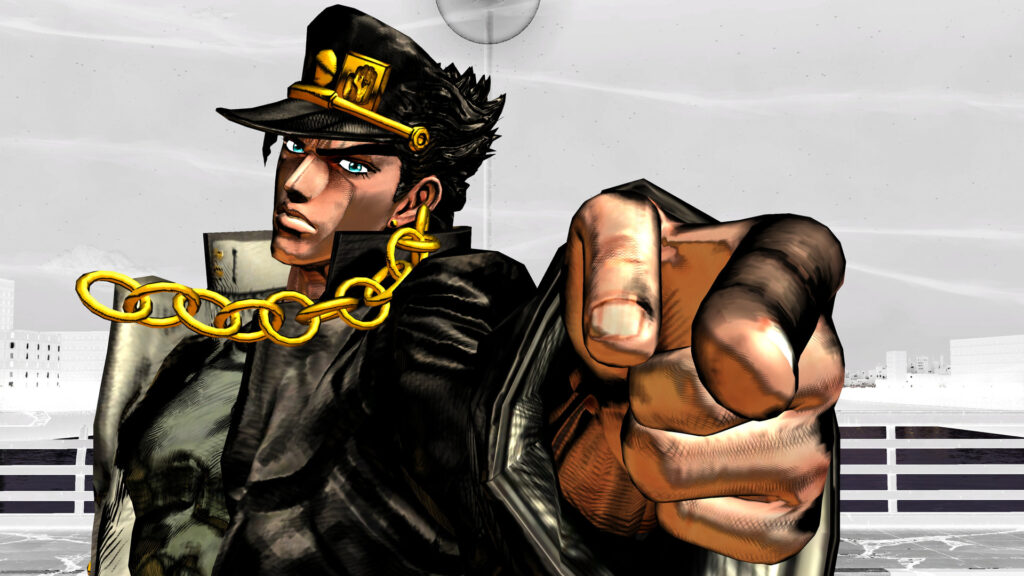
JoJo’s Bizarre Adventure: All-Star Battle R launched on September 1, 2022 (the Steam version followed on September 2). CyberConnect2 developed it and Bandai Namco Entertainment published it. It covers nearly every current platform — PlayStation 5, PlayStation 4, Nintendo Switch, Xbox Series X|S, Xbox One and Steam — and the standard edition runs 6,980 yen plus tax (about US$46; converted at 153 yen = US$1), with the digital version at the same price and the Steam version at an open price.
The 96 for Source Accuracy comes down to sheer volume: 50 characters
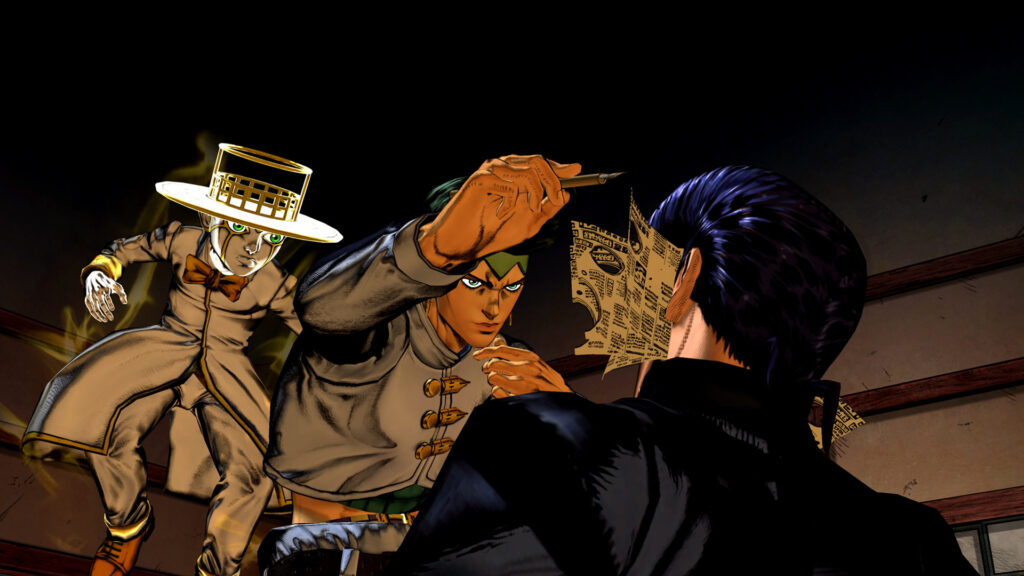
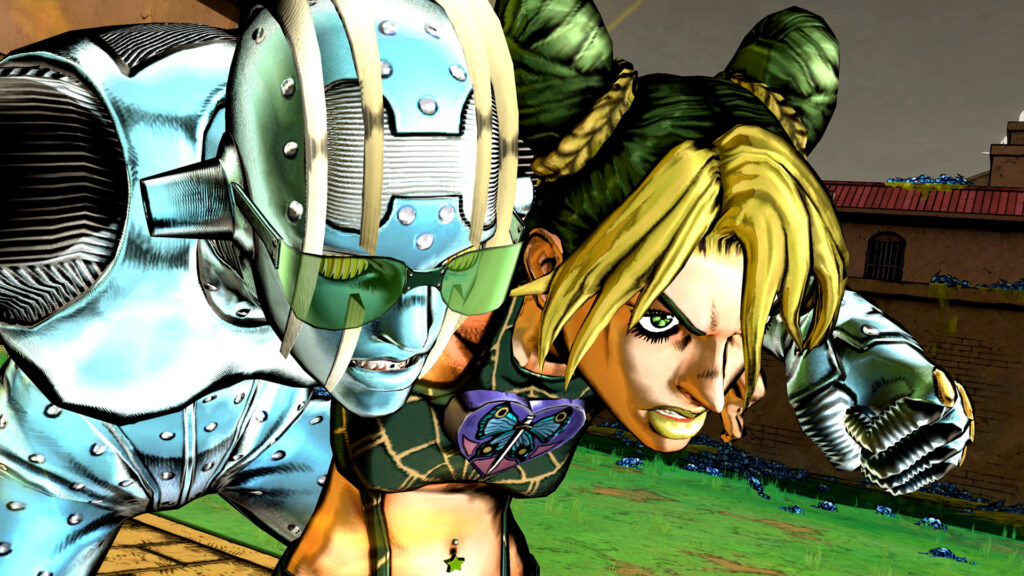
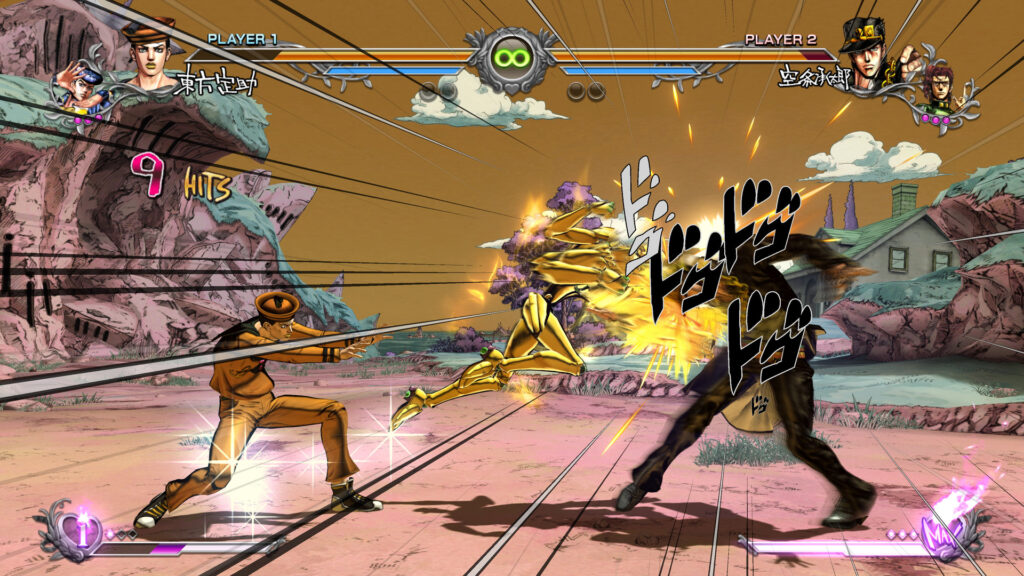
There are 50 playable characters. The game is built on JoJo’s Bizarre Adventure: All-Star Battle, released on PlayStation 3 on August 29, 2013 (developed by CyberConnect2, published by Bandai Namco Games, with roughly 40 playable characters including paid DLC), with the visuals and the game balance reworked. It’s a big deal that characters who were paid DLC in the original are available from the start here.
The single biggest change, though, is the voice work. Every character through Part 6 has been recast with their TV anime voice actors. If you came to JoJo through the anime, you get to play with the voices you already know, and from a source-accuracy standpoint that’s decisive. The pure satisfaction of throwing characters from across the entire series at each other is something the Dreamcast game simply can’t offer.
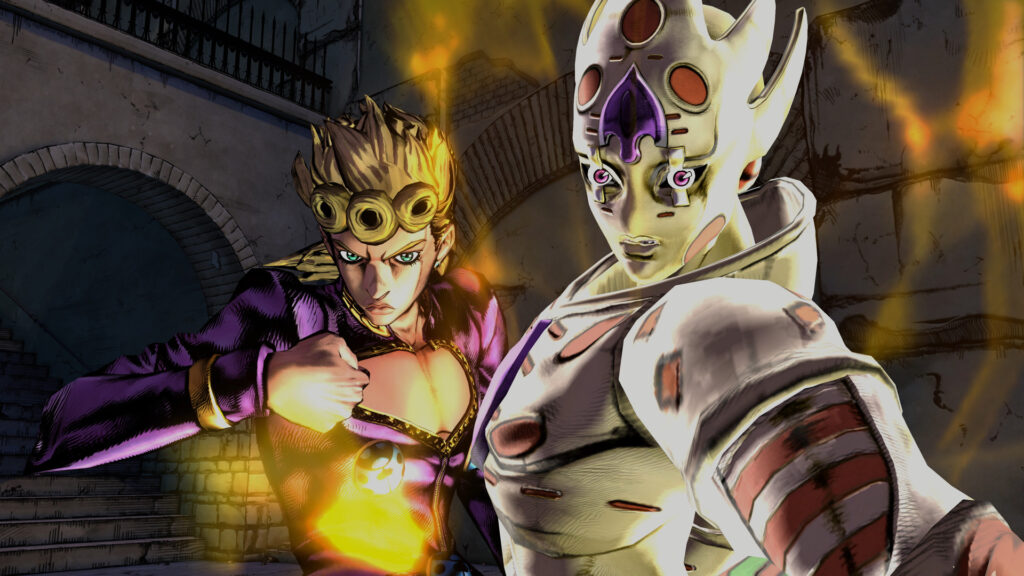
- 50 playable characters, letting you pit Part 1 through Part 6 against each other
- Every character through Part 6 has been recast with their TV anime voice actors
- Available on PS5, PS4, Switch, Xbox Series X|S, Xbox One and Steam for 6,980 yen plus tax (about US$46) standard edition
- Because it’s based on the 2013 PS3 All-Star Battle, the depth of its mind games falls a step short of the Dreamcast game
- There are several editions, and the price changes depending on whether the season pass is included
No. 3: JoJo’s Bizarre Adventure: Eyes of Heaven — the only game with an original story supervised by Hirohiko Araki
| Source Accuracy | Combat Design | Presentation and Stands | Replay Value | Total Score |
|---|---|---|---|---|
| 92 | 80 | 90 | 88 | 350 |
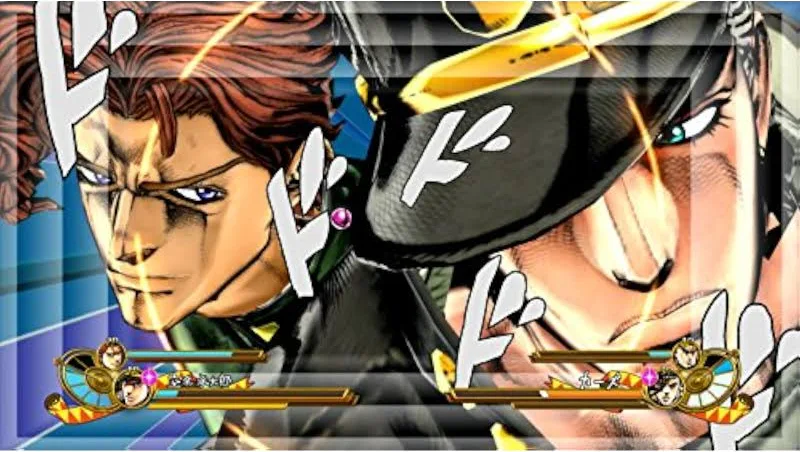
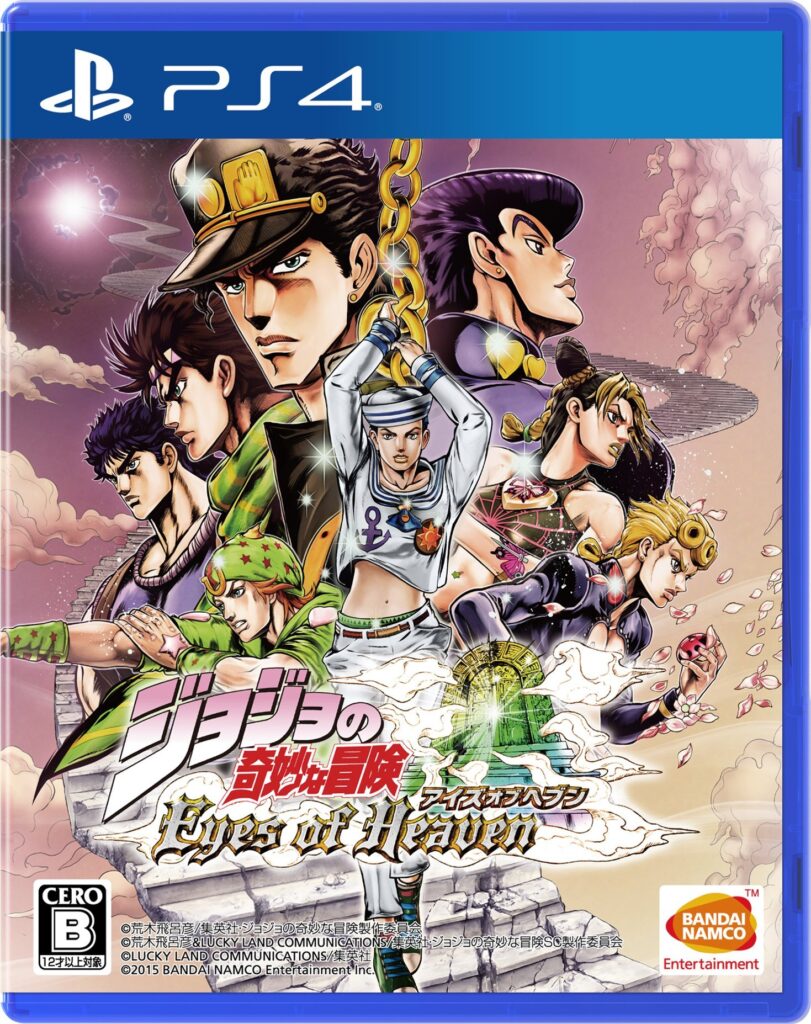
JoJo’s Bizarre Adventure: Eyes of Heaven arrived on December 17, 2015 for PlayStation 4 and PlayStation 3, published by Bandai Namco Entertainment and developed by CyberConnect2. It’s a two-on-two tag action game, and the original story that makes up its main mode was supervised by series creator Hirohiko Araki.
That’s exactly why it lands at No. 3. JoJo games almost always just re-enact the manga. This one hands you an entire story that isn’t in the manga but that the author signed off on. Watching the JoJos from across the generations team up across time is the kind of thing fans used to have to imagine for themselves, made official. The tag-battle structure makes sense too — pairs of characters firing Stands at each other is a great look.
Combat Design, on the other hand, gets an 80. It’s a 3D action game across wide arenas, so the density of the back-and-forth never reaches the Dreamcast game or All-Star Battle R. Buy it as a game you soak the story in, and you’ll be happy.
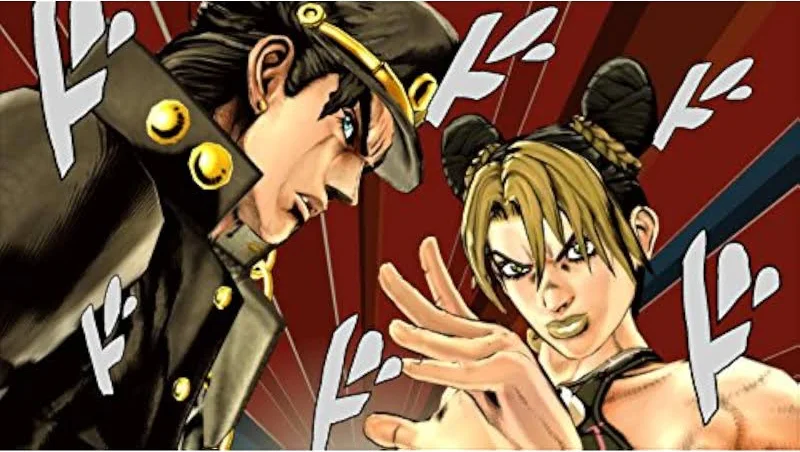
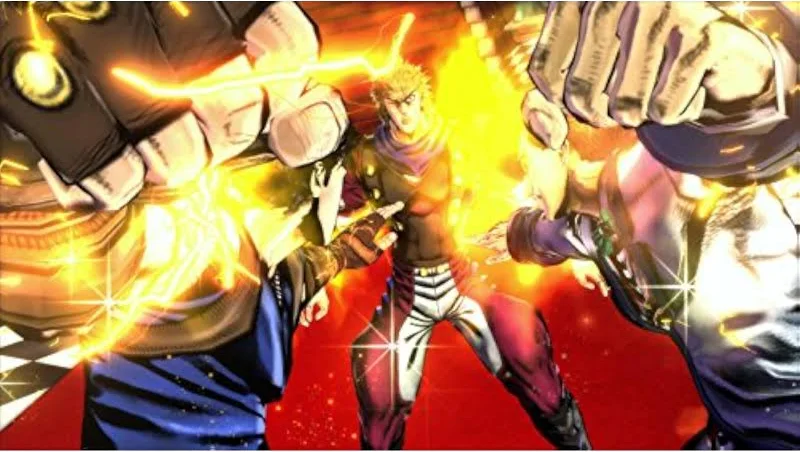
- The only JoJo game built around an original story supervised by Hirohiko Araki
- Two-on-two tag battles that let characters from different Parts fight side by side
- The PlayStation 4 version also runs on PlayStation 5 via backward compatibility
- As a 3D action game, its competitive mind games trail the top two titles
- It’s a PS3/PS4-generation release, so availability fluctuates over time
No. 4: JoJo’s Bizarre Adventure (PlayStation) — Super Story Mode makes it worth playing solo
| Source Accuracy | Combat Design | Presentation and Stands | Replay Value | Total Score |
|---|---|---|---|---|
| 90 | 88 | 84 | 86 | 348 |
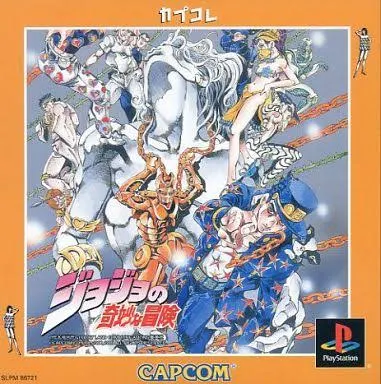
It may look like the same game, but the PlayStation version has a different personality. Capcom released it on October 14, 1999, a month ahead of the Dreamcast version, and its big selling point is that it adds a “Super Story Mode” with original scenarios.
The split is simple: the Dreamcast version brought the arcade fighter home as-is, while the PlayStation version added a path for playing alone at home. Because it’s structured so you fight your way along the road of Part 3, it actually has more legs if you don’t have anyone around to play against. I bought the PS version first and then went back and bought the Dreamcast one. Where exactly my part-time job money went that year, I can no longer reconstruct.
The hardware gap is real. The PlayStation doesn’t have the same headroom as the Dreamcast for 2D fighting sprites, so the DC version wins on visuals and performance. That’s what the 84 for Presentation and Stands is reflecting.
- “Super Story Mode,” with original scenarios, gives the single-player side real substance
- The underlying versus system is inherited from the arcade game, so the fighting-game skeleton is intact
- It launched on October 14, 1999, ahead of the Dreamcast version
- As a port, the Dreamcast version is more faithful. If you’re here to play matches, take the No. 1 pick
- You need real PlayStation hardware, and there’s no current-platform port
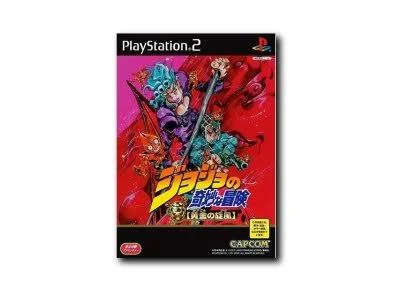
No. 5: JoJo’s Bizarre Adventure: Golden Whirlwind — a solo trip through Part 5 billed as a “Gold Experience Adventure”
| Source Accuracy | Combat Design | Presentation and Stands | Replay Value | Total Score |
|---|---|---|---|---|
| 88 | 78 | 82 | 76 | 324 |
JoJo’s Bizarre Adventure: Golden Whirlwind came out on July 25, 2002 for PlayStation 2 from Capcom. Capcom labeled the genre “Gold Experience Adventure.” It’s a single-player-only game based on Part 5, Golden Wind. A Best-edition reissue followed on September 20, 2007.
What you get is a single-player 3D action adventure with a battle system that has you switching between your base form and your Stand form as you fight. The playable cast is eight strong: Giorno Giovanna, Bruno Bucciarati, Leone Abbacchio, Guido Mista, Narancia Ghirga, Pannacotta Fugo, Trish Una and Jean Pierre Polnareff. The mode list is Super Story, Another Story, Gallery and Options. Part 5 is the arc where how a Stand ability gets used is the heart of the story, so this format suits the source material well.
There is no versus mode, though. The game committed fully to single player, so it’s not an option if you want something to play with friends. Honestly, this is a title where your verdict splits straight down the middle depending on how much you love Part 5.
- One of the very few games built around Part 5, Golden Wind
- A genre of its own, “Gold Experience Adventure,” where you swap between base form and Stand form in combat, with eight playable characters
- The Best-edition reissue from September 20, 2007 means used copies circulate in reasonable numbers
- Single-player only, with no versus mode
- You need real PlayStation 2 hardware, and there’s no current-platform port
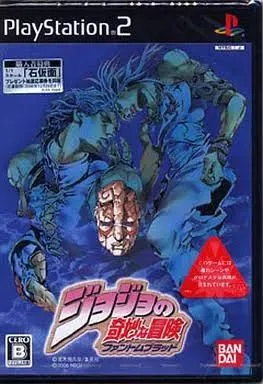
No. 6: JoJo’s Bizarre Adventure: Phantom Blood — the only game that lets you punch your way through Part 1 with Hamon
| Source Accuracy | Combat Design | Presentation and Stands | Replay Value | Total Score |
|---|---|---|---|---|
| 80 | 70 | 76 | 72 | 298 |
JoJo’s Bizarre Adventure: Phantom Blood launched on October 26, 2006 for PlayStation 2 from Bandai Namco Games, developed by Anchor Entertainment under the genre label “Hamon Overdrive Action.” It adapts Part 1, set in an era before Stands existed, which means this is a game about beating vampires to death with Hamon.
The interesting part is the breadth of the playable roster. Alongside the leads — Jonathan Joestar, Will A. Zeppeli, Dio Brando, Speedwagon — essentially everyone who fought in the manga is usable, right down to the mooks. The modes are STORY (with branching paths), CHAPTER, MUSEUM and OPTION, and MUSEUM holds Extra Battle, the 77-opponent gauntlet, and Dio Mode.
Almost nothing else covers Part 1 on its own. For anyone who wants to walk through pre-Stand JoJo, and to go through Zeppeli’s final moments one more time with their own hands, there is no substitute for this game.
- A rare full-scale adaptation of Part 1, Phantom Blood
- Nearly everyone who fought in the manga is playable, plus the 77-opponent gauntlet and Dio Mode
- A branching STORY mode that lets you retrace the path of Part 1 yourself
- The moment-to-moment feel of the action doesn’t match the higher-ranked games
- You need real PlayStation 2 hardware, and there’s no current-platform port
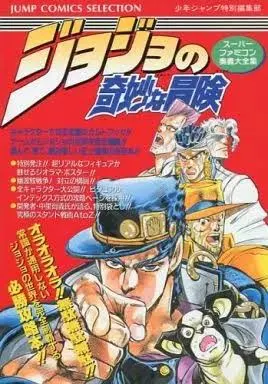
No. 7: JoJo’s Bizarre Adventure (Super Famicom) — the 1993 RPG that started it all
| Source Accuracy | Combat Design | Presentation and Stands | Replay Value | Total Score |
|---|---|---|---|---|
| 82 | 62 | 70 | 68 | 282 |
We close with the real retro pick. JoJo’s Bizarre Adventure released on March 5, 1993 for the Super Famicom from Cobra Team, as a role-playing game, co-developed with Winky Soft. The subject is Part 3, Stardust Crusaders. This was the very first JoJo video game.
Not a fighter, not an action game — an RPG. That feels strange by modern standards, but in 1993 an RPG was the orthodox choice for adapting a Jump manga. Combat is command-based, and picking a tarot card before a fight shifts your stats. There are special attacks like “Hirameki” and “Guts,” movement is side-scrolling shown with bust-up portraits only, and encounters are fixed rather than random — a genuinely peculiar construction. The 62 for Combat Design simply reflects that this was never a versus game to begin with.
Still, 27 years run forward from here. If you admire how polished the Dreamcast game is, it’s worth knowing that the starting point was this cartridge. And when I spotted one on a shelf in Akihabara, I can’t be the only person who did a double take at the price tag.
- Released March 5, 1993, with the historical weight of being the first JoJo video game
- The only way to experience Part 3 as an RPG, with a unique system where a pre-battle tarot card pick shifts your stats
- Published by Cobra Team and co-developed with Winky Soft, a lineup that could only have happened then
- There’s no versus component, and the game design is pure 1993
- You need real Super Famicom hardware, and there’s no current-platform port or digital release
Can You Play These 7 Classic JoJo Games on Current Hardware? A Platform-by-Platform Guide
Of the seven games covered here, only two are playable on current hardware. The other five, including the No. 1 Dreamcast version of Heritage for the Future, have no port or digital release, so you’ll need the original hardware.
1. Titles available through subscriptions or free
For the seven games in this article, we could not confirm any subscription-service availability as of our research date (September 2026). It’s safe to assume JoJo games are a buy-them-individually proposition. Subscription lineups do rotate, so if you’re a member it’s worth searching “JoJo” inside each service.
| Title | Subscription availability (as of September 2026) |
|---|---|
| All 7 games in this article | Not confirmed (individual purchase is the norm) |
2. Titles you can buy outright
These two are the ones you can buy on current hardware right now. If you’re just getting into JoJo games, your choice starts here.
| Title | Platforms | Notes |
|---|---|---|
| All-Star Battle R | PS5 / PS4 / Switch / Xbox Series X|S / Xbox One / Steam | Standard edition 6,980 yen plus tax (about US$46); Steam version at an open price |
| Eyes of Heaven | PS4 / PS3 | The PS4 version runs on PS5 via backward compatibility; availability varies over time |
3. Titles playable via remasters or remakes
Almost none of JoJo’s back catalog survives in remastered form. That’s the rough part compared with other franchises.
| Original title | Current status | Platforms |
|---|---|---|
| All-Star Battle (August 29, 2013 / PS3) | Back on current hardware as All-Star Battle R (September 1, 2022) with 50 characters | PS5 / PS4 / Switch / Xbox / Steam |
| Heritage for the Future HD Ver. (PS3 August 21, 2012 / Xbox 360 August 22, 2012) | Delisted on both platforms on September 4, 2014; no longer purchasable | PS3 / Xbox 360 |
4. Titles that are hard to get on current hardware
The remaining five all require original hardware. The fact that the No. 1 pick, the Dreamcast version, lands in this bucket is the biggest heartbreak in this whole article. Alternatives are listed alongside each.
| Title | What you need | Alternative |
|---|---|---|
| Heritage for the Future (Dreamcast, No. 1) | Dreamcast hardware plus the disc (the HD Ver. is delisted) | All-Star Battle R if you’re after versus play |
| JoJo’s Bizarre Adventure (PlayStation) | PlayStation hardware | Eyes of Heaven if you want a single-player story |
| Golden Whirlwind | PlayStation 2 hardware (the Best edition shipped September 20, 2007) | All-Star Battle R to play as Part 5 characters |
| Phantom Blood | PlayStation 2 hardware | All-Star Battle R to play as Part 1 characters |
| JoJo’s Bizarre Adventure (Super Famicom) | Super Famicom hardware plus the cartridge | Eyes of Heaven or All-Star Battle R for Part 3 |
The bottom line is this: if you’re buying your first one, just get All-Star Battle R. If, on the other hand, you’ve already been through the JoJo games once, the remaining five are the vein worth mining. The Dreamcast version in particular is polished enough that I’d tell you to touch it at least once, even at the cost of hunting down a console and a copy.
Enjoying this article? Add us as a preferred source on Google.
Best JoJo Games Ranked: Which One Should You Actually Buy?
Here’s the conclusion one more time. No. 1 is the Dreamcast version of JoJo’s Bizarre Adventure: Heritage for the Future (released November 25, 1999 by Capcom, containing both CPS-3 arcade games, with a “for Matching Service” version following on October 26, 2000). The design that converts a manga concept into a versus system through the Stand mode toggle and the Stand gauge has gone unbeaten for 27 years. The catch is that the HD Ver. (PS3 August 21, 2012; Xbox 360 August 22, 2012) was delisted on September 4, 2014, so playing it means owning the hardware.
For a first purchase on current hardware, No. 2, JoJo’s Bizarre Adventure: All-Star Battle R (released September 1, 2022, Steam September 2; developed by CyberConnect2, published by Bandai Namco Entertainment; 50 playable characters; standard edition 6,980 yen plus tax, about US$46) is the safe bet. The fact that every character through Part 6 has been re-recorded with their TV anime voice cast is a big deal too. If you want to soak in an original story supervised by the author, go with No. 3, Eyes of Heaven (December 17, 2015; PS4 and PS3; supervised by Hirohiko Araki; two-on-two tag battles).
If you’re digging into the retro side, the order to work through is No. 4, the PlayStation version of Heritage for the Future (October 14, 1999; adds Super Story Mode), No. 5, Golden Whirlwind (July 25, 2002; PS2; Capcom; Gold Experience Adventure; Part 5), No. 6, Phantom Blood (October 26, 2006; PS2; developed by Anchor Entertainment; Hamon Overdrive Action; Part 1), and finally No. 7, JoJo’s Bizarre Adventure (March 5, 1993; Super Famicom; published by Cobra Team and co-developed with Winky Soft; the first JoJo game ever).
The SpotGeeks editorial verdict is straightforward. JoJo games break into four lineages: Capcom’s 2D fighter (Heritage for the Future), CyberConnect2’s 3D battles (the All-Star Battle games and Eyes of Heaven), the single-player action titles (Golden Whirlwind and Phantom Blood), and the 1993 RPG. The question isn’t which one is best, it’s which Part you want to play and how. The one exception is pure fighting-game craft, where the 1999 Dreamcast release is still sitting on the throne.
…And that’s one more reason I can’t get rid of the CRT and the Dreamcast. Then again, a guy who’s been divorced twice isn’t really in a position to lecture anyone about floor space.
Read Next
Snicker Kitamura



Leave a Reply