



Enjoying this article? Add us as a preferred source on Google.
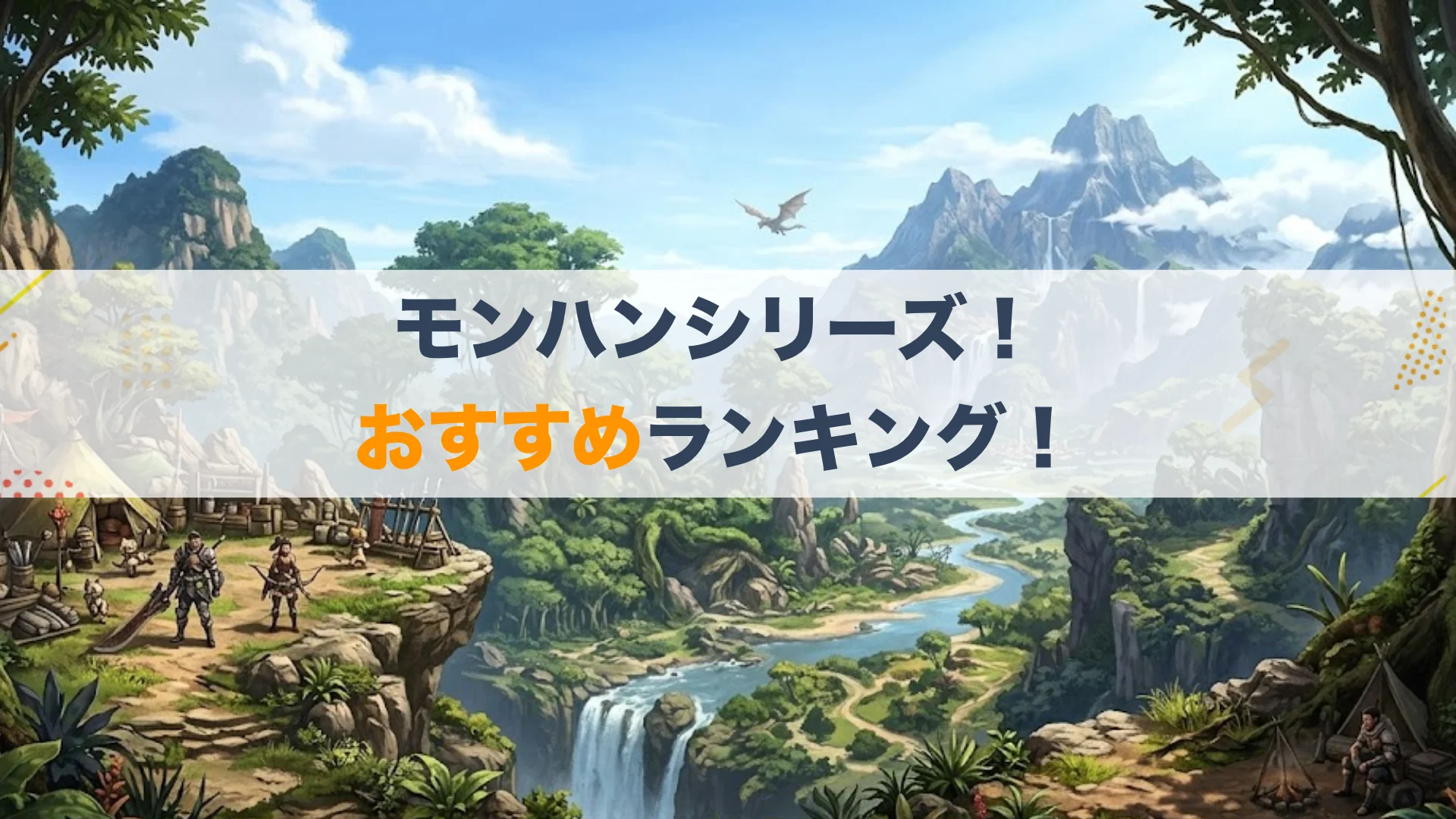
Which Monster Hunter game is the best one ever made? Hunters have been arguing about that question for more than 20 years. Is it Monster Hunter Freedom Unite, the PSP-era legend? Monster Hunter: World, the game that finally turned the series into a global phenomenon? Or the newest entry, Monster Hunter Wilds?
The SpotGeeks editorial team scored 10 major entries in the series across four axes — Accessibility, Graphics, Brutality, and Endgame Depth — out of 100 points each, then ranked them by total score. This is a franchise with 108 million units shipped series-wide (as of December 2024, per Capcom’s official figures), and we’re dissecting its appeal with hard numbers.
Whether you’re a newcomer thinking “I have no idea which game to start with” or a lapsed veteran looking to come back, this article should help you pick the right one. Don’t just read the scores — read what makes each game tick, too.
In our scoring, a higher “Brutality” number means a tougher game, and a higher “Endgame Depth” number means richer post-game content. PSP-era titles naturally score low on Graphics, but they put up numbers on Brutality and Endgame Depth that rival modern entries. Focus on the axis you personally care about most.
All 10 Games Compared: The SpotGeeks Scorecard, 100 Points per Axis
Let’s start with the full scorecard for all 10 games side by side. “Graphics” is judged by how the game looks to modern eyes in 2026, not by the standards of its release year.
| Title | Accessibility | Graphics | Brutality | Endgame Depth | Total Score |
|---|---|---|---|---|---|
| Monster Hunter World: Iceborne | 90 | 95 | 80 | 98 | 363 |
| Monster Hunter Rise: Sunbreak | 95 | 83 | 72 | 90 | 340 |
| Monster Hunter Wilds | 85 | 98 | 70 | 78 | 331 |
| Monster Hunter Generations Ultimate | 80 | 73 | 85 | 93 | 331 |
| Monster Hunter 4 Ultimate | 78 | 65 | 87 | 95 | 325 |
| Monster Hunter Generations | 82 | 70 | 78 | 85 | 315 |
| Monster Hunter Freedom Unite | 72 | 45 | 93 | 97 | 307 |
| Monster Hunter 3 Ultimate | 75 | 62 | 78 | 88 | 303 |
| Monster Hunter Portable 3rd | 80 | 55 | 68 | 90 | 293 |
| Monster Hunter (the original) | 60 | 38 | 83 | 75 | 256 |
Wilds takes the Graphics crown at 98 points, but Freedom Unite hits 97 on Endgame Depth — close to the highest mark of all 10 games. Sunbreak leads the series for Accessibility with a 95. Depending on which axis matters most to you, the game that clicks will be a different one.
No. 1: Monster Hunter World: Iceborne — The Culmination of the Series, and Its Summit
| Accessibility | Graphics | Brutality | Endgame Depth | Total Score |
|---|---|---|---|---|
| 90 | 95 | 80 | 98 | 363 |
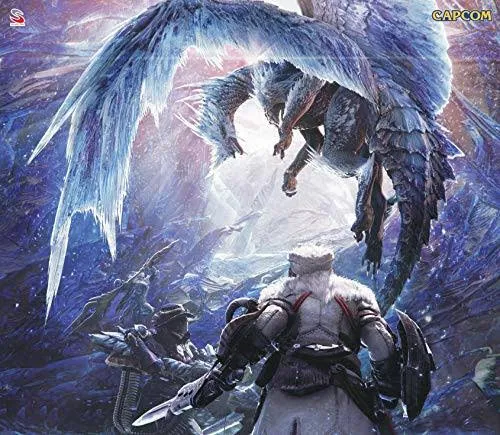
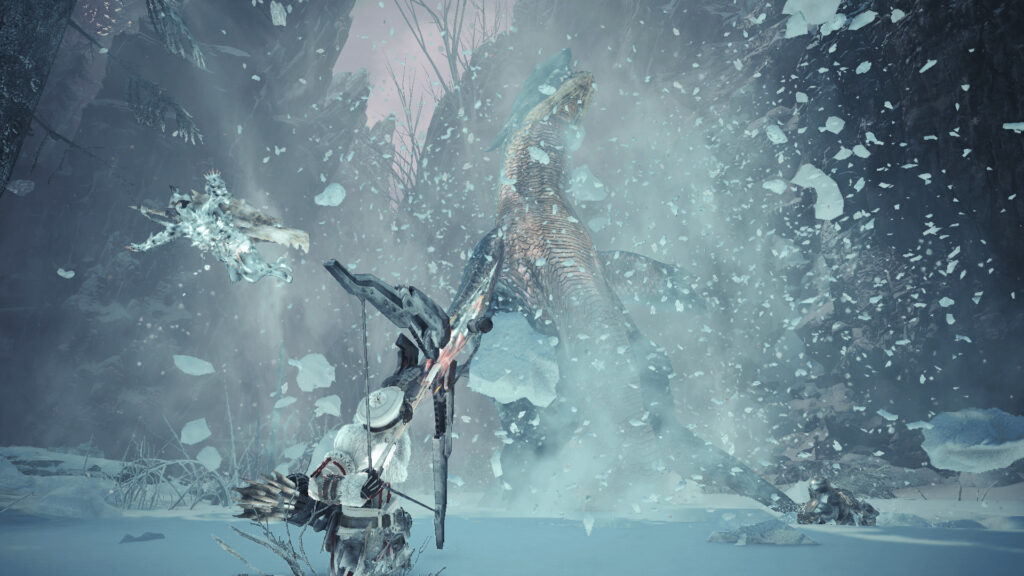
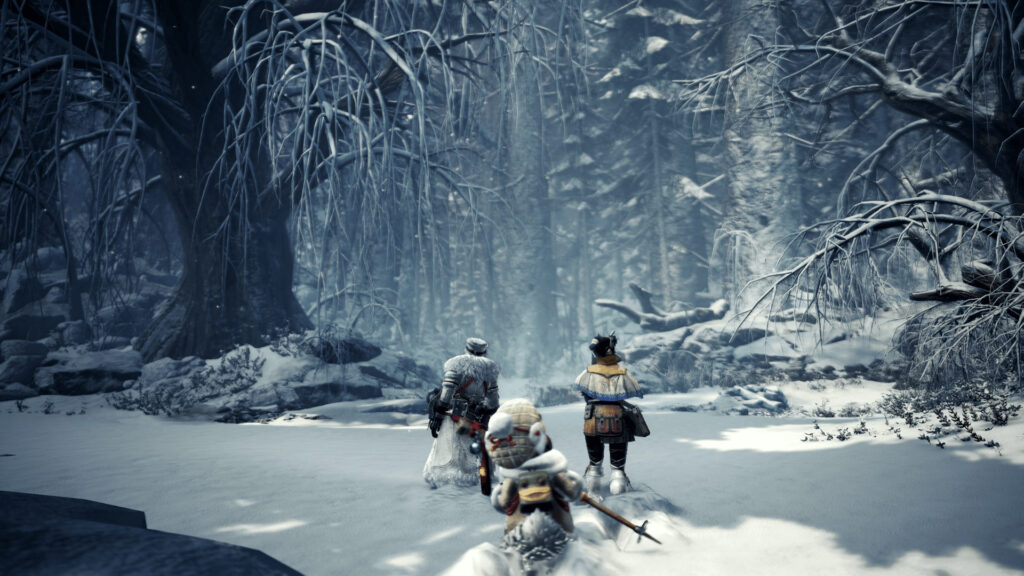
“We were convinced 2018’s Monster Hunter: World was the high-water mark — and then the Iceborne expansion went and topped it.” That’s the honest verdict from the SpotGeeks editorial team. Released in September 2019 on PS4, Xbox One and PC, Iceborne rewrote the series with an overwhelming amount of content: the G-rank tier known as Master Rank, the remote frozen frontier of Hoarfrost Reach, beefed-up Palico actions and more. Even 200-plus hours in, the density never runs dry — nothing else in the series has matched it since.
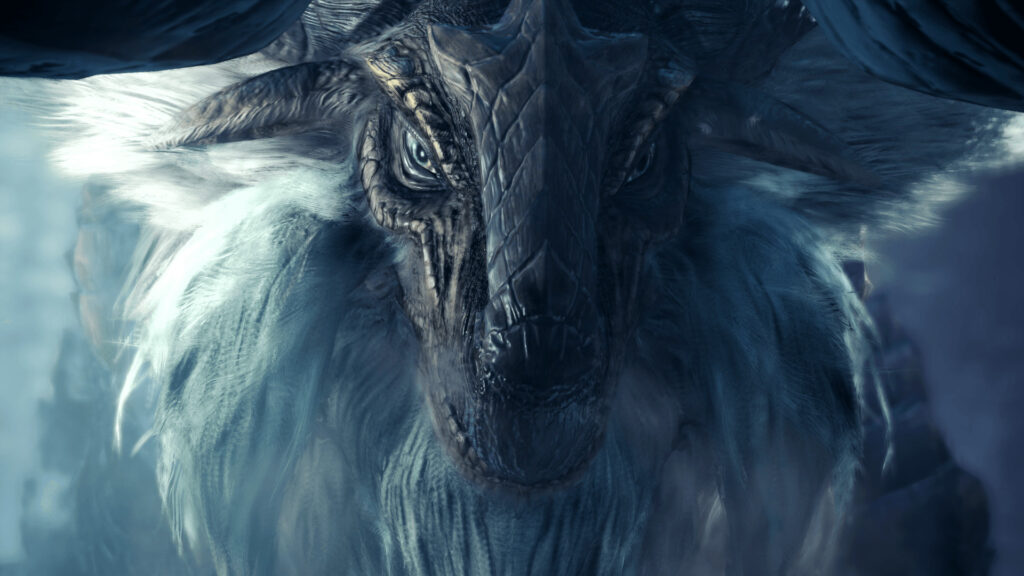
The moment you unlock Master Rank, monsters that melt even veteran hunters in a single hit are waiting for you. That feeling of having your “well, I cleared base World without breaking a sweat” confidence obliterated is genuinely addictive. Furious Rajang, Velkhana, Chaotic Gore Magala — the G-rank roster is about as brutal as this series has ever gotten.
As of 2026, used PS4 copies circulate for around 3,000 yen (about US$20, converted at roughly 153 yen to the dollar), and the Steam Master Edition drops into the 1,000-yen range (about US$7) during sales. With a 98 on Endgame Depth, the value here is absurd, and that makes it the best possible entry point for anyone who has never touched the series.
- Base World plus Iceborne makes a 300-hour playtime a realistic target
- Graphics second only to Wilds in the series, on PS4, Xbox and PC
- Around 3,000 yen used or on sale — the best value in the whole series
- Base World and Iceborne are sometimes sold separately (get the Master Edition)
- The online population has thinned out, so buy it expecting to play solo
No. 2: Monster Hunter Rise: Sunbreak — 95 for Accessibility, the Best Game on Switch
| Accessibility | Graphics | Brutality | Endgame Depth | Total Score |
|---|---|---|---|---|
| 95 | 83 | 72 | 90 | 340 |
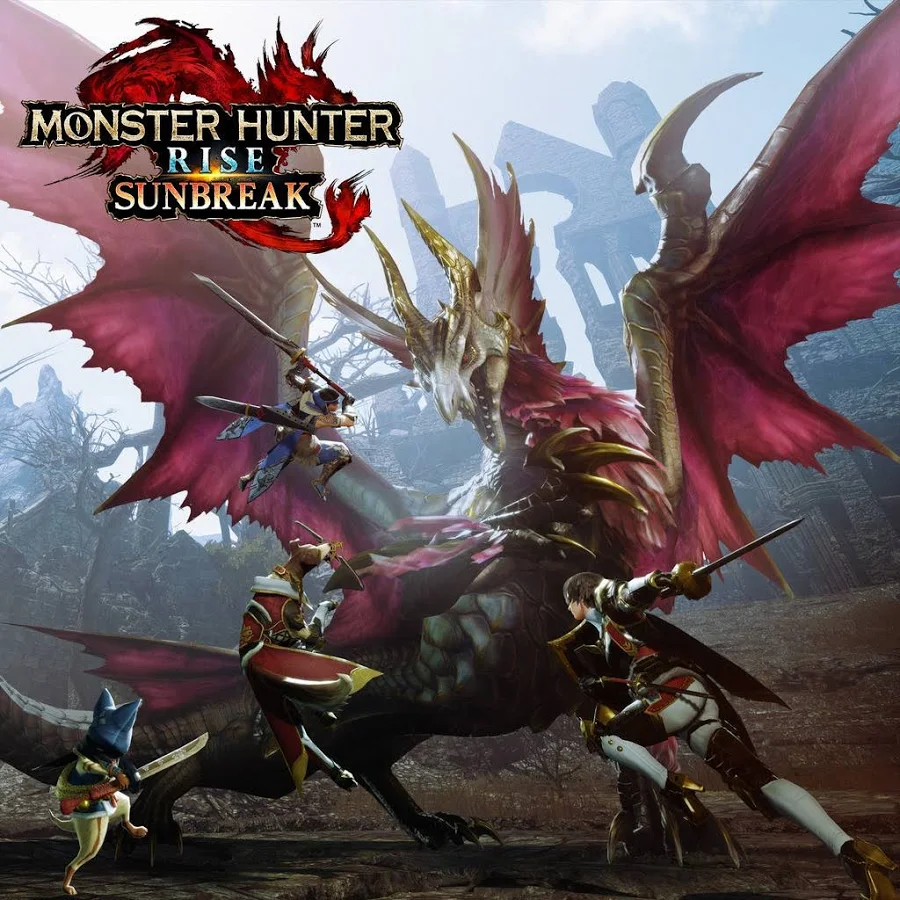
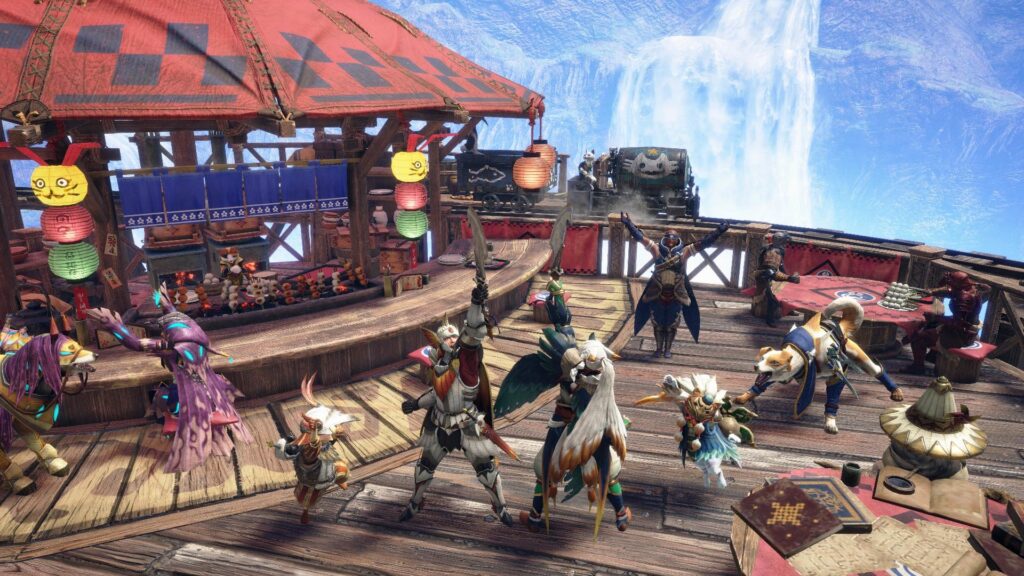
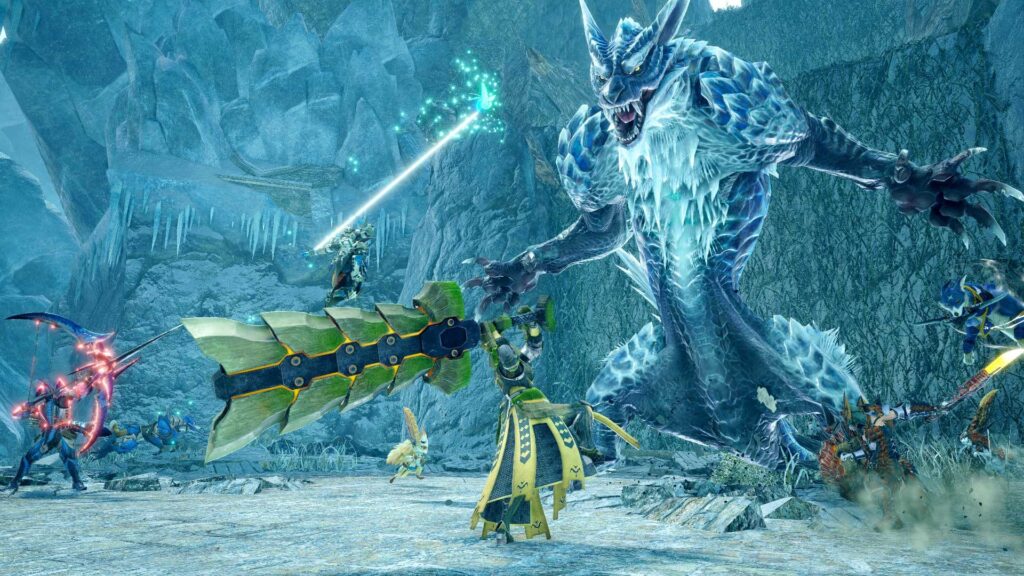
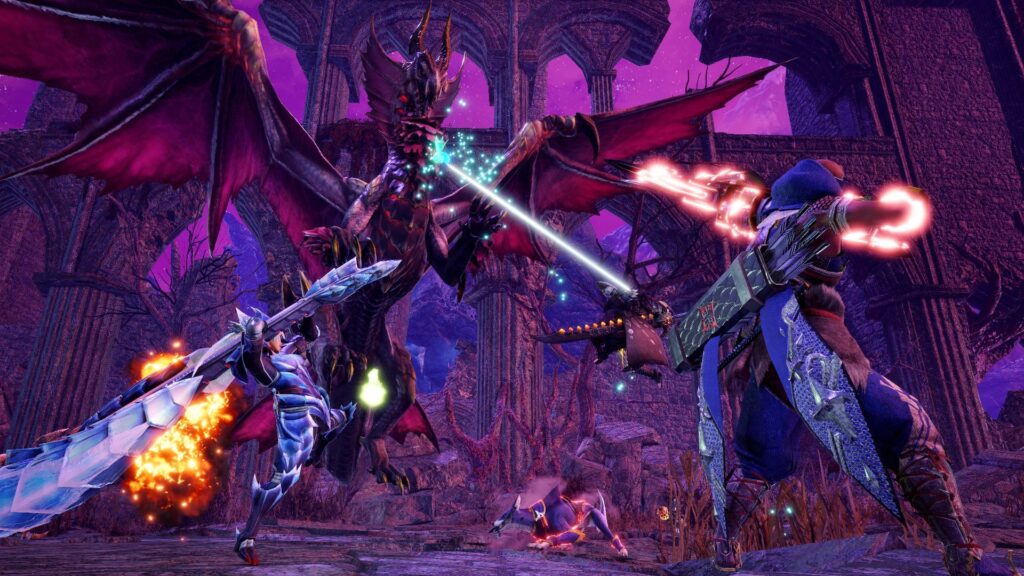
Monster Hunter Rise: Sunbreak launched on Nintendo Switch in June 2022, and with a 95 for Accessibility it’s the single best on-ramp the series has. The Wirebug turns traversal into a three-dimensional system that gives the combat a real sense of momentum, and the Follower system — which lets NPCs hunt alongside you — effectively functions as solo-player support. Even a complete Monster Hunter newcomer rarely gets stuck if they bring a Follower along.
The Switch version (the Rise + Sunbreak bundle) lists at 7,990 yen (about US$52) for the digital edition, tax included. Grab the Best Price release, or a used copy, and you can land it in the 4,000-yen range (about US$26). It’s also available on Steam and PS4/PS5, so platform flexibility is another point in its favor. The first time I set out with a Follower NPC, the reaction was immediate: “wait, this genuinely feels like playing co-op.” For solo hunters, that’s a lifeline.
The Afflicted monsters of Master Rank push back harder than a Brutality score of 72 suggests. The top difficulty tiers of the Anomaly Investigation quests in particular are designed to make even veteran hunters sweat. That 90 on Endgame Depth translates to a comfortable 150 to 200 hours of play.
- The most accessible game in the series — NPC Followers make solo play painless
- Available on Switch, Steam and PS4/PS5, so the platform is up to you
- The Rise + Sunbreak bundle packs in 150 to 200 hours of content
- Brutality is on the mild side; hardcore grinders will prefer Iceborne
- The Switch version’s visual scale is a step below World’s
[No. 3] Monster Hunter Wilds | Graphics 98 – The Newest Entry’s Overwhelming Visual Spectacle
| Accessibility | Graphics | Brutality | Replay Value | Total Score |
|---|---|---|---|---|
| 85 | 98 | 70 | 78 | 331 |
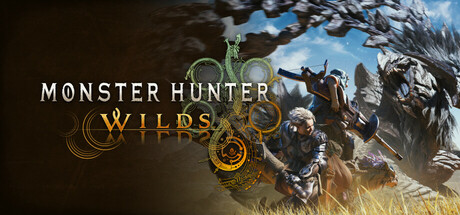
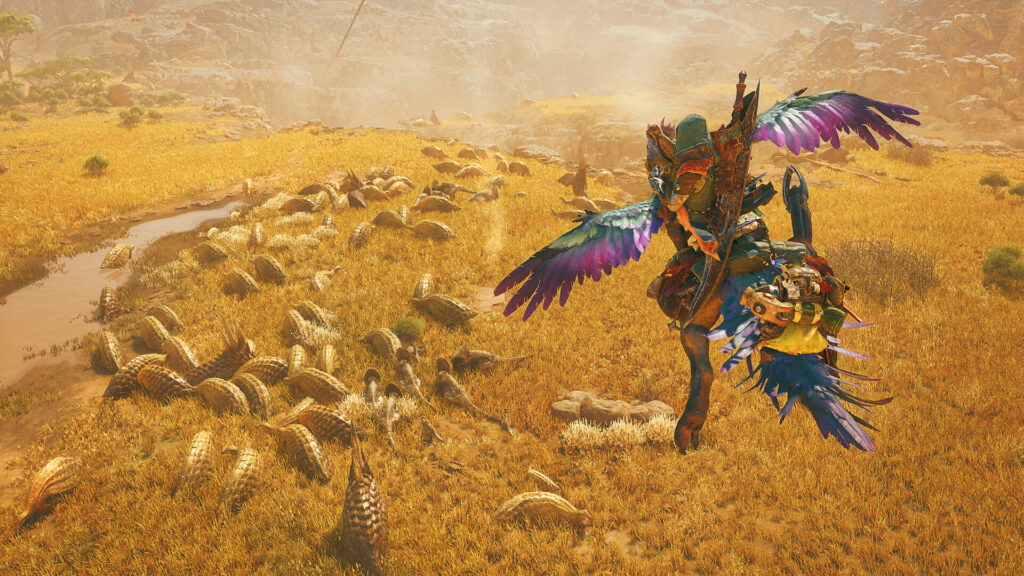
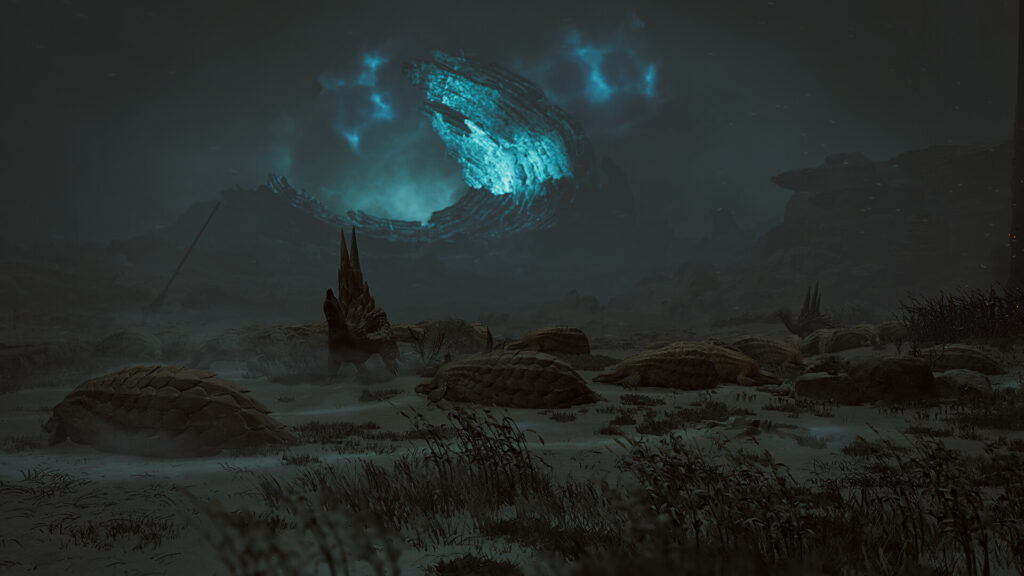
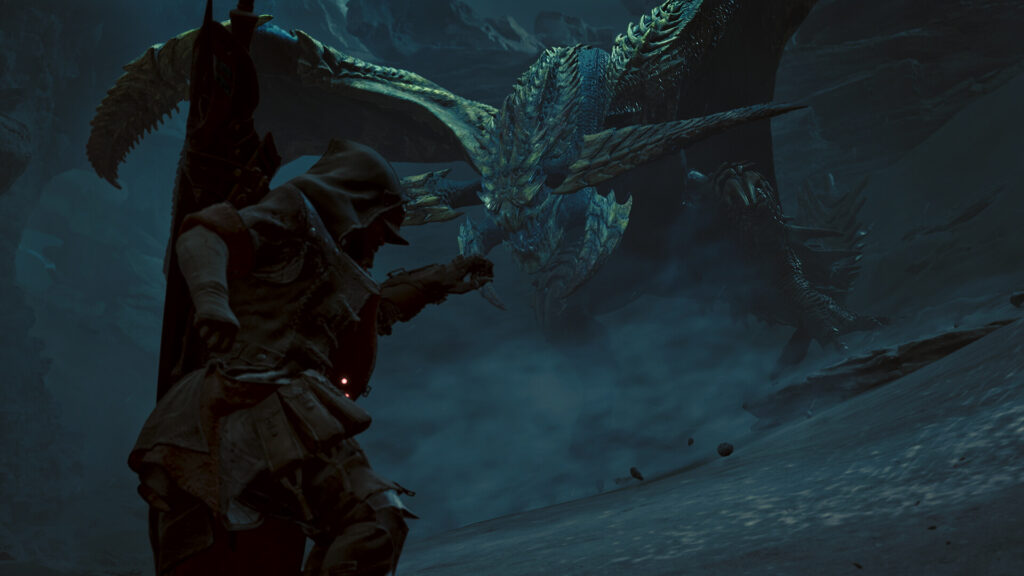
Released on February 28, 2025, Monster Hunter Wilds is the newest entry in the series, and it posted the highest graphics score we’ve ever handed out: 98. Available on PS5, Xbox Series X and Steam, it has already blown past 8 million copies sold (as of March 2025). The way the field shifts in real time with the weather and the time of day is genuinely next-generation stuff, and chasing a monster that’s gone berserk in the middle of a storm delivers a tension no other game in the series can match.
The reception, though, is complicated. The PS5 version sits at a strong 4.52 user rating, while the Steam version landed on “Mixed” (at launch). The loudest complaints were “not enough content for the price” and “too few monsters.” That said, as of May 2026 the steady stream of updates has fleshed the game out considerably, and at this point we can say flatly that it’s worth buying. The standard edition runs about US$65 (9,900 yen, digital edition, as of the February 2025 launch).
- The best-looking game in the series (it truly shines on PS5 and high-spec PCs)
- The weather and environment systems make hunts feel more alive than ever before
- As the newest title, future updates should push its replay value even higher
- The Steam version sits at “Mixed” and leans heavily on your PC specs
- At 9,900 yen (about US$65) it’s the priciest tier in the series. Waiting for a sale is a valid play
[No. 4] Monster Hunter Generations Ultimate | Replay Value 93 – The Culmination of the Hunter Arts System
| Accessibility | Graphics | Brutality | Replay Value | Total Score |
|---|---|---|---|---|
| 80 | 73 | 85 | 93 | 331 |
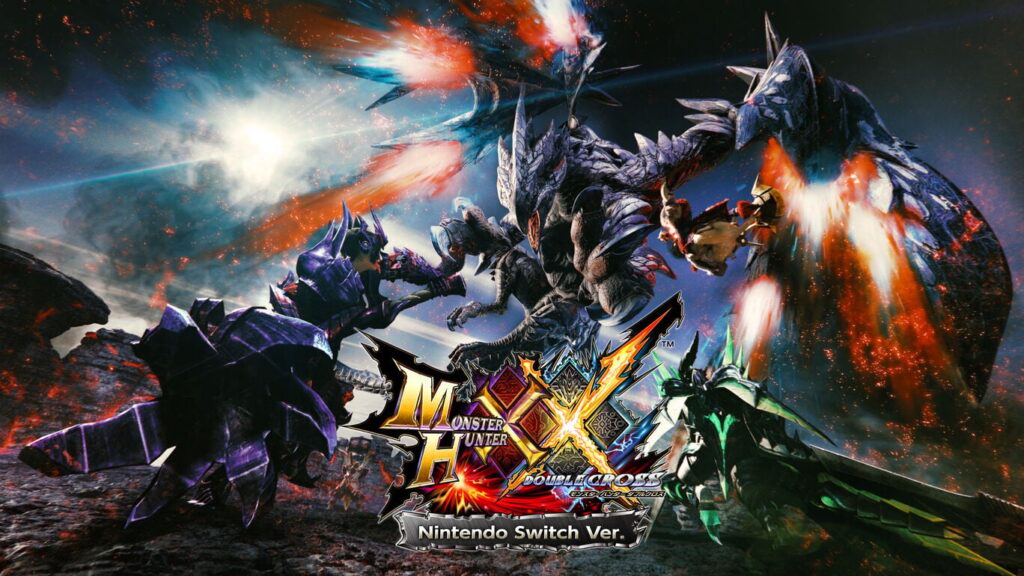
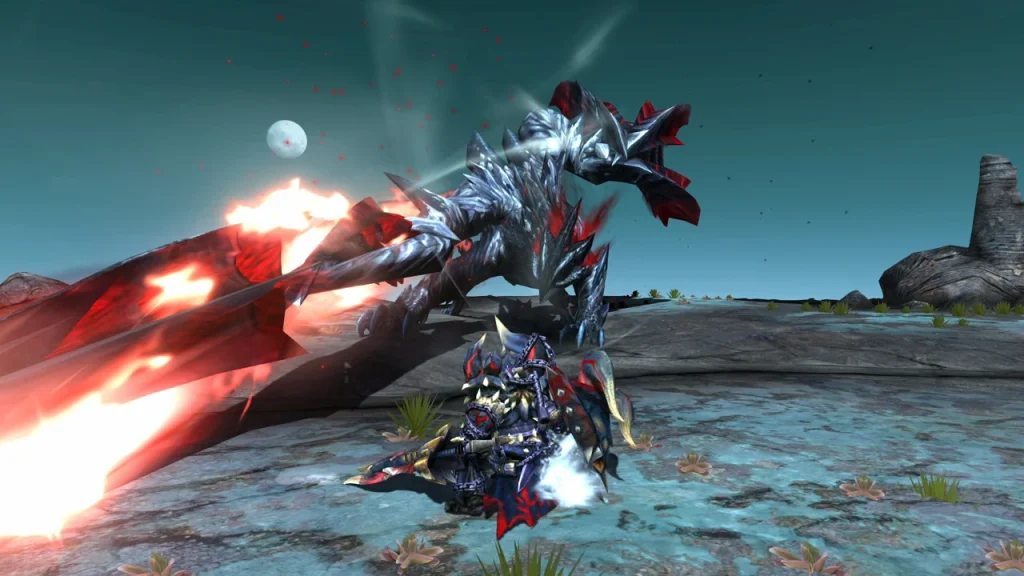
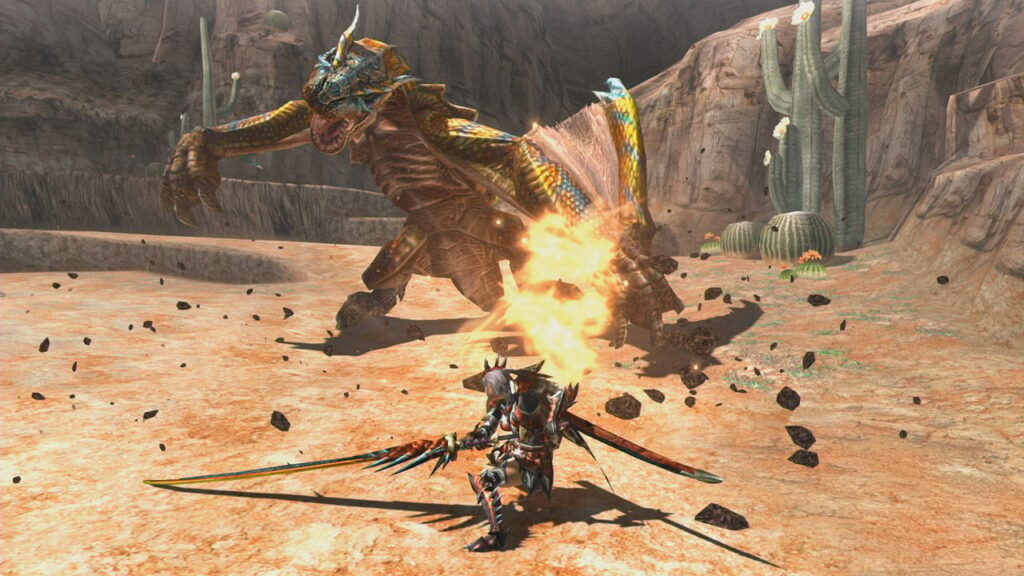
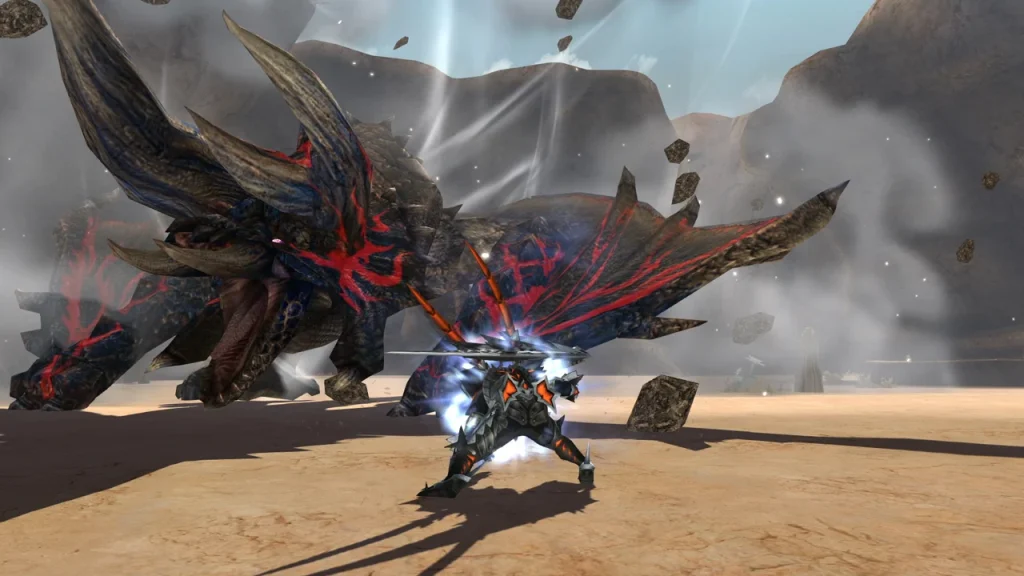
Monster Hunter Generations Ultimate ties Wilds at 331 points, but it lands at No. 4 because its accessibility score couldn’t quite reach Wilds’ 85. It launched on 3DS in 2017, with a Nintendo Switch version arriving later the same year. As the G-Rank expansion of Generations, its defining feature is the sheer freedom of its customization: six Hunter Styles combined with multiple Hunter Arts you can pick per weapon. That “hunt your way” experience has a charm the post-World games simply don’t offer.
The difficulty of G-Rank quests is exactly what an 85 on our brutality scale looks like, and the Deviant monsters in particular will stop any first-timer cold. I still remember squaring off against a Deviant Mizutsune for the first time and thinking, this thing is on an entirely different level. The Switch version runs at 1280×720 HD compared to the 3DS original, and players report it runs smoothly on Nintendo Switch 2 as well (as of May 2026).
- Styles plus Hunter Arts let you build a hunter that’s truly your own – nothing else does this
- The monster and quest counts are among the biggest in the entire series
- The Switch version brings it to HD, and it runs smoothly on Nintendo Switch 2
- G-Rank Gathering Hall quests are effectively balanced around multiplayer. Going solo takes serious commitment
- Players who started with World will need time to adjust to the older-generation systems
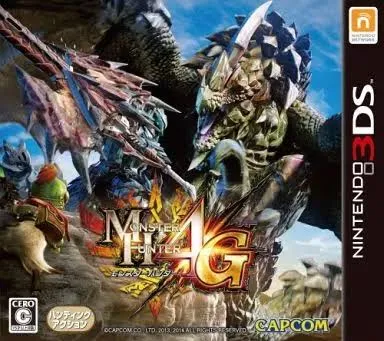
[No. 5] Monster Hunter 4 Ultimate | Replay Value 95 – The Mounting System That Made It the 3DS Masterpiece
| Accessibility | Graphics | Brutality | Replay Value | Total Score |
|---|---|---|---|---|
| 78 | 65 | 87 | 95 | 325 |
Released for the 3DS in October 2014, Monster Hunter 4 Ultimate is the masterpiece that first brought serious verticality and elevation changes into the series’ action. The mounting system built around that height difference was a revolution that floored longtime fans. Clambering onto a monster’s back and hammering away at it is an experience that still burns bright in my memory. The game shipped 4.2 million units worldwide (as of December 2023) and was the first in the series to cross a million sales in the West, making it a genuine international breakout.
The density of G-Rank quests is what props up that 95 in replay value, and the high-difficulty content behind that 87 brutality score is waiting like a reward for hunters who’ve sharpened their skills. The story is also one of the most polished in the series, with character writing that fans praise for being easy to get invested in. It runs on the 3DS, a platform you can still play on all by itself, so if you’ve got one lying around, this is the one game I’d tell you to grab right now.
- The mounting system revolutionized how three-dimensional the combat feels
- Replay value of 95, with one of the biggest G-Rank quest counts in the series
- A tightly written story that makes it easy to care about the characters
- 3DS exclusive, with no current-gen port, so you’ll need to prepare hardware
- The visual gap against modern consoles is huge. This isn’t the one to pick for graphics
[No. 6] Monster Hunter Generations | The Origin of Hunter Arts and Styles, and the Best 3DS Entry Point
| Accessibility | Graphics | Brutality | Replay Value | Total Score |
|---|---|---|---|---|
| 82 | 70 | 78 | 85 | 315 |
Launched for the 3DS on November 28, 2015, Monster Hunter Generations is the game that first implemented the Hunter Arts and Style systems that Generations Ultimate would later build on, and it was a revolution in its own right. The four Hunter Styles (Guild, Striker, Aerial and Adept) plus Prowler Mode smashed everything hunters thought they knew about the series. The four hub villages each have their own distinct atmosphere, too, which is a design choice that makes you grow attached to the cast.
Because there’s no G Rank, the endgame quest ceiling falls short of Generations Ultimate, but the content up through High Rank is plenty substantial on its own. Its accessibility score of 82 is near the top of the series, which makes it the ideal pick for a newcomer with a 3DS who wants to learn why hunting feels so good. Grabbing a used 3DS and a used copy together will only run you a few thousand yen, which is fantastic value.
- The origin of the Style and Hunter Arts systems, and the bridge to Generations Ultimate
- The four villages make the cast easy to connect with, and the story is a joy
- Cheap to pick up used, and a great 3DS-era introduction to Monster Hunter
- No G Rank, so replay value falls well short of Generations Ultimate
- 3DS exclusive, and copies are getting harder to find these days
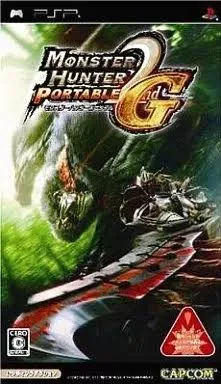
No. 7: Monster Hunter Freedom Unite | Brutality 93 – The PSP Legend That Took Over Japan
| Playability | Graphics | Brutality | Depth | Total Score |
|---|---|---|---|---|
| 72 | 45 | 93 | 97 | 307 |
Monster Hunter Freedom Unite (known in Japan as Monster Hunter Portable 2nd G) landed on PSP in March 2009. It hit a million sales in six days and ultimately shipped around 4.15 million copies, which works out to roughly one in every four PSP owners having a copy. It is no exaggeration to say this single game created Japan’s Monster Hunter boom. The 45 for graphics is purely a ceiling imposed by PSP hardware, and it says nothing about how complete the game itself is.
A 97 for depth and a 93 for brutality put it near the top of all ten entries here. The life-or-death duels with G-rank Rajang and Fatalis are still talked about today, and they remain the symbol of what “Monster Hunter difficulty” is supposed to feel like for countless hunters. This is also the game where Felyne comrades debuted. Hauling your PSP over to a friend’s place and hunting together over ad hoc wireless was a kind of memory that only that era could produce.
- Depth 97 and brutality 93 are among the highest in the series
- Debut of the Felyne comrade, and the foundation of Monster Hunter culture
- The one-of-a-kind experience of co-op hunting with friends on PSP
- PSP exclusive, so it is essentially unplayable on current hardware
- The game explains almost nothing, which means real burnout risk for newcomers
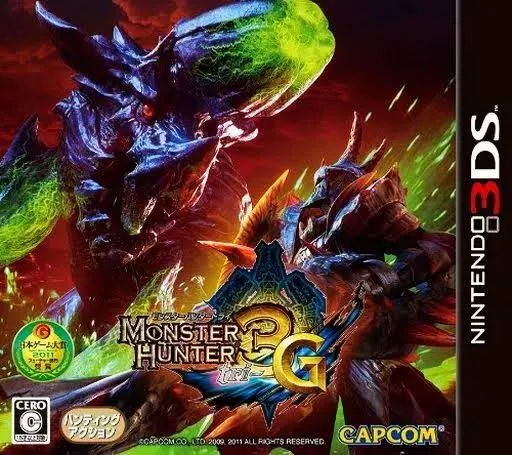
No. 8: Monster Hunter 3 Ultimate | Dropping Underwater Combat Made This the Definitive 3DS Monster Hunter
| Playability | Graphics | Brutality | Depth | Total Score |
|---|---|---|---|---|
| 75 | 62 | 78 | 88 | 303 |
Released for 3DS in December 2011, Monster Hunter 3 Ultimate is the G-rank version of the Wii’s Monster Hunter Tri. It cut the underwater combat that split opinion so sharply in Tri and focused entirely on ground-based action, and the consensus is that the game is dramatically more polished for it. Zinogre, Duramboros and Lagiacrus all made their debut here, and every one of them is still a fan favorite. The shock of meeting those monsters for the first time is hard to shake.
Because it arrived close to the 3DS launch window, the game leans hard on stereoscopic 3D, and the sense of depth in its field design squeezes real work out of the hardware. The G-rank quests earn a brutality score of 78, and a depth rating of 88 is more than respectable for an early 3DS Monster Hunter. The final boss waiting at the end of the village quest line is still a scene that 3 Ultimate players bring up years later.
- Cutting underwater combat left the action purer and sharper
- Debut game for Zinogre, Duramboros and Lagiacrus, a lineup stacked with fan favorites
- Outstanding field design built around stereoscopic 3D
- 3DS exclusive, and copies are hard to come by today
- The volume of endgame content sits a step below 4 Ultimate or Generations Ultimate
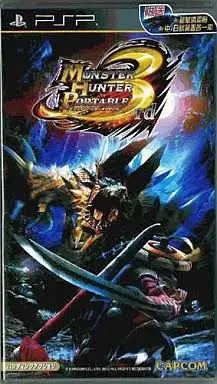
No. 9: Monster Hunter Portable 3rd | 4.9 Million Sold in Japan, With the Best Atmosphere and Soundtrack in the Series
| Playability | Graphics | Brutality | Depth | Total Score |
|---|---|---|---|---|
| 80 | 55 | 68 | 90 | 293 |
Monster Hunter Portable 3rd hit PSP in December 2010 and finished with 4.9 million copies sold in Japan, a historic number that stood as the series’ domestic record until Monster Hunter: World came along. Its warm, laid-back world built around the hot springs of Yukumo Village, and fields drawing on Asian motifs like bamboo groves and sacred peaks, give it an atmosphere nothing else in the series matches.
The soundtrack is widely rated as the best in the entire franchise, and this is the game where a lot of players first felt genuinely immersed in the world as a hunter. That said, a brutality score of 68 puts it in the lower half of the series, and with no G-rank there is no punishing endgame to chase. Ask around about which Monster Hunter has the best mood, music and world, though, and plenty of hunters still name Portable 3rd without hesitating.
- 4.9 million sold in Japan, the series’ domestic record right up until World
- Yukumo Village’s world and the soundtrack are still widely called the series’ best
- No G-rank means easy access, making it the ideal PSP-era entry point
- PSP exclusive, and it cannot be played on current hardware
- No G-rank and a brutality score of 68 will leave difficulty-hungry hunters wanting
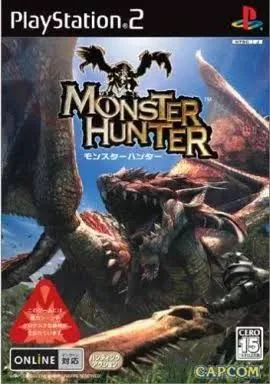
No. 10: Monster Hunter (the Original) | Where the 108-Million-Copy Journey Began
| Playability | Graphics | Brutality | Depth | Total Score |
|---|---|---|---|---|
| 60 | 38 | 83 | 75 | 256 |
The original Monster Hunter arrived on PS2 in March 2004, the first step of a franchise that has now moved 108 million copies. Jungles, deserts and swamps rendered in PS2-era graphics, weapon movesets you had to figure out by feel alone, and that rush the first time you finally brought down a Rathalos. Twenty years on, people are still telling those stories.
Graded by today’s standards it scores low, with 60 for playability and 38 for graphics, but that is exactly what it is: a modern yardstick applied to a 2004 game. The brutality rating of 83 factors in how little the game explains and how much trial and error it demands, and for players at the time it was a genuinely steep wall. For veteran hunters who want to experience the series’ history from the very beginning it is a worthwhile trip back to the source, but it is not the game to pick as your way in today.
- A genuinely valuable origin story for collectors tracing the series’ history
- Brutality 83, with a difficulty level that was the harshest of its day
- PS2 exclusive, and extremely hard to track down now
- By modern standards the controls and the lack of guidance are a serious barrier
Enjoying this article? Add us as a preferred source on Google.
Final Thoughts | Find the Monster Hunter That Matches How You Play
We have run all ten entries in this Monster Hunter ranking through four criteria: playability, graphics, brutality and depth. The overall winner, Monster Hunter World: Iceborne at 363 points, is the series’ high-water mark and the one game we can recommend to absolutely anyone without a second thought. If you are brand new, runner-up Monster Hunter Rise: Sunbreak is the best possible entry point. If you want the sharpest visuals, Wilds is there. And if you want a difficulty curve with real teeth, Freedom Unite and 4 Ultimate are waiting.
“Let’s go on a hunt,” the line the series is known for in Japan, is the single greatest catchphrase this franchise has carved into Japanese gaming culture. Whichever game you start with, the memories you make as a hunter are going to stay with you.
If you only pick one, make it Monster Hunter World: Iceborne. Graphics 95, depth 98, and a used price now sitting around US$20 (3,000 yen) make the value proposition overwhelming, and it is the one title we can hand to newcomers and returning hunters alike without hesitation. But for the generation that huddled together over PSPs to hunt, nothing is going to land harder than Freedom Unite’s brutality 93 and depth 97. A score can never outrank when and how you played something, and honestly, that is part of what makes Monster Hunter what it is.
Look at the scores in the category you care about most, and pick your perfect hunt.
Read Next
Snicker Kitamura


Leave a Reply