
Enjoying this article? Add us as a preferred source on Google.
“What’s the single best manga Shonen Jump ever ran?” Almost nobody can answer that question. So the SpotGeeks editorial team settled it with a four-axis scoring system: Story, Art, Characters, and Emotional Impact. The number one series in our all-time ranking is DRAGON BALL, and the one title a newcomer should pick up first is Demon Slayer: Kimetsu no Yaiba, complete in 23 volumes.
Since its debut in 1968, Weekly Shonen Jump has run on three pillars: friendship, effort, victory. Fist of the North Star tore open a brutal wasteland, DRAGON BALL drove kids around the world out of their minds, and ONE PIECE landed a Guinness World Record with more than 600 million copies in circulation globally. At this point “Jump” isn’t the name of a magazine. It’s the proper noun for an entire culture.
The problem is that there’s too much of it. Across nearly 60 years of history, the magazine has published well over 300 series. “Where do I even start?” turns out to be a surprisingly hard question. For this feature, the SpotGeeks editorial team combed through every series Jump has run from its founding to today, then scored and narrowed them down on four axes: Story, Art, Characters, and Emotional Impact.
The rankings factor in more than raw print numbers. They weigh cultural impact that outlives its era, plus the actual experience of reading the thing. What mattered most to us was this: how hard did it hit the readers of its time? Every series in the TOP 20 is a masterpiece you can’t go wrong with. So, where did your favorite land?
- All 20 series compared head-to-head using SpotGeeks’ own four-axis scoring (Story / Art / Characters / Emotional Impact)
- A ranking that spans the eras, from the 1968 launch through the 2020s
- An honest “why you should read it” and “what to watch out for” for every series, so you know before you commit
- Straight answers to the most common questions about Jump’s all-time rankings (FAQ)
We went with four axes to balance objective specs against the reading experience. A series with huge emotional impact and a series with standout characters appeal to different readers. Don’t just look at the total score. Pick by the axis that matters most to you.
[All-Time Shonen Jump Series] TOP 20 Popularity Ranking: Four-Axis Score Comparison
Each series was scored on four axes, Story, Art, Characters, and Emotional Impact, with 100 points possible per axis. Ranks 1 through 20 run from the highest total score down. Ties were broken by the editorial team’s overall assessment.
| Rank | Title | Story | Art | Characters | Emotional Impact | Total |
|---|---|---|---|---|---|---|
| #1 | DRAGON BALL | 95 | 100 | 97 | 95 | 387 |
| #2 | SLAM DUNK | 90 | 96 | 92 | 97 | 375 |
| #3 | ONE PIECE | 95 | 87 | 95 | 97 | 374 |
| #4 | NARUTO | 93 | 87 | 95 | 96 | 371 |
| #5 | JoJo’s Bizarre Adventure | 95 | 93 | 96 | 87 | 371 |
| #6 | Demon Slayer: Kimetsu no Yaiba | 88 | 98 | 87 | 98 | 371 |
| #7 | Jujutsu Kaisen | 87 | 96 | 88 | 88 | 359 |
| #8 | BLEACH | 83 | 97 | 92 | 83 | 355 |
| #9 | Yu Yu Hakusho | 88 | 82 | 95 | 88 | 353 |
| #10 | Haikyu!! | 85 | 88 | 90 | 88 | 351 |
| #11 | Rurouni Kenshin | 87 | 85 | 90 | 85 | 347 |
| #12 | Fist of the North Star | 83 | 85 | 88 | 88 | 344 |
| #13 | Gintama | 85 | 78 | 93 | 83 | 339 |
| #14 | My Hero Academia | 82 | 87 | 88 | 80 | 337 |
| #15 | The Promised Neverland | 88 | 83 | 82 | 82 | 335 |
| #16 | Captain Tsubasa | 78 | 72 | 85 | 87 | 322 |
| #17 | Kuroko’s Basketball | 78 | 80 | 85 | 78 | 321 |
| #18 | Kochikame | 72 | 70 | 90 | 82 | 314 |
| #19 | Hoshin Engi | 83 | 75 | 80 | 70 | 308 |
| #20 | The Prince of Tennis | 72 | 73 | 83 | 73 | 301 |
DRAGON BALL’s placement is overwhelming. Its inventive artwork, the stuff that built the foundation of action manga, is in a class of its own.
The Art axis is worth a closer look, too. DRAGON BALL is the only series to pull a perfect 100, and the number proves it is both the origin point and the summit of battle manga. Demon Slayer: Kimetsu no Yaiba, meanwhile, scored 98 on both Art and Emotional Impact, making it the highest-rated series in Jump history for sheer visual beauty and raw emotional pull.
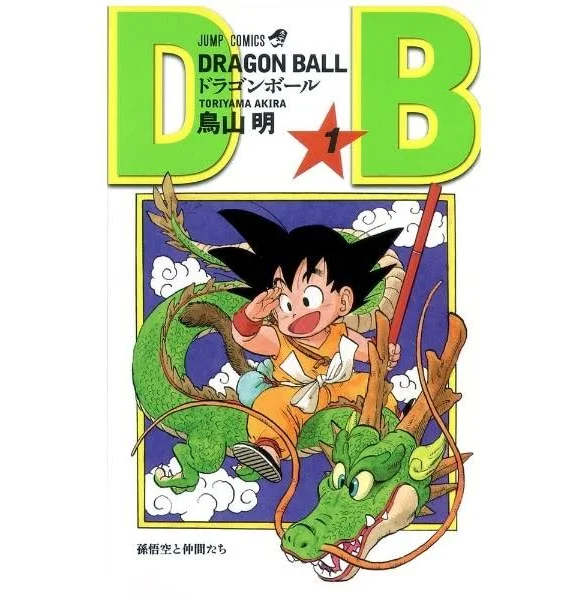
[#1] DRAGON BALL | The Origin of Battle Manga, a Legend at 260 Million Copies Worldwide
| Story | Art | Characters | Emotional Impact | Total Score |
|---|---|---|---|---|
| 95 | 100 | 97 | 95 | 387 |
Akira Toriyama’s 42-volume battle adventure ran from 1984 to 1995. It has moved more than 260 million copies worldwide, and it more or less single-handedly established the grammar of modern battle manga. Power-ups, transformations, quantified power levels: every one of those formats got handed down to the battle manga that followed, and both NARUTO and ONE PIECE are, at bottom, standing on the shoulders of the giant that is DRAGON BALL.
The stretch from the Saiyan Saga through the Frieza Saga is one of the greatest highlight reels in comics history. The first time I read the page where Goku awakens as a Super Saiyan over Krillin’s body after Frieza kills him, I physically shook. More than 30 years later, that same feeling is still there. How many series can say that? The fact that it wraps up cleanly in 42 volumes is a huge plus for anyone starting today.
✅ Why You Should Read It
- Complete in 42 volumes, a very manageable length
- The original text of originals for learning the “grammar” of battle manga
- The Goku/Vegeta character contrast still hasn’t aged a day
⚠ What to Watch Out For
- The tone shifts hard between the gag-comedy first half and the battle-focused second half
- Creator Akira Toriyama passed away in March 2024. There will be no sequel. The work has been fully canonized
Sign up for BOOK☆WALKER for free
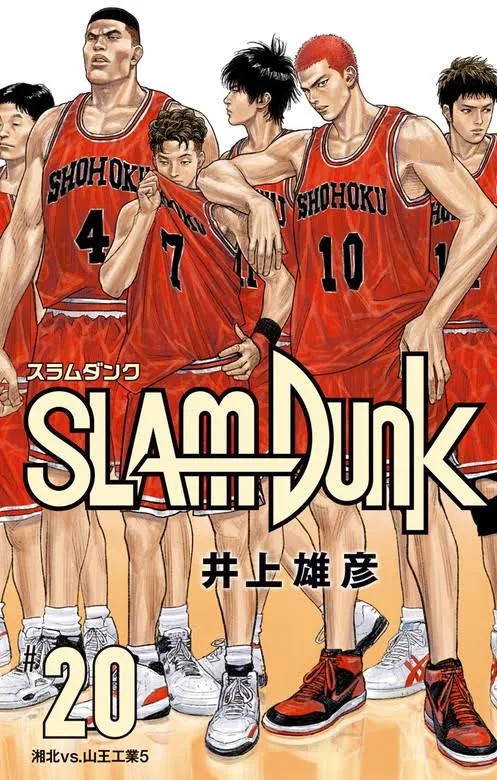
[#2] SLAM DUNK | A 97 on Emotional Impact, and the Gold Standard of Japanese Sports Manga
| Story | Art | Characters | Emotional Impact | Total Score |
|---|---|---|---|---|
| 90 | 96 | 92 | 97 | 375 |
Takehiko Inoue serialized this from 1990 to 1996. It has sold more than 185 million copies, and the 2022 film “THE FIRST SLAM DUNK” cleared 15.5 billion yen at the box office, proving the series is still pulling in new fans nearly 30 years after the manga ended.
That 96 on Art comes down to one thing: this is the ceiling for draftsmanship in sports manga. Beads of sweat, the shift of a player’s muscles, the instant the ball leaves the fingertips. No other cartoonist, past or present, comes to mind who can generate this much presence in black and white. The final 10 pages of the Sannoh Kogyo game are the definitive example of the act of turning a page working at full power. By making protagonist Hanamichi Sakuragi a complete beginner, Inoue lets the reader experience every step of the growth from Sakuragi’s exact vantage point.
✅ Why You Should Read It
- The finest art quality in the history of sports manga
- Complete in 31 volumes, and easy to get into by way of the film “THE FIRST SLAM DUNK”
- Carefully built so that people who’ve never played basketball can still enjoy it
⚠ What to Watch Out For
- If the early gag-comedy stretch isn’t your thing, tough it out to around volume 5
- The main story ends abruptly. The epilogue gets filled in by the film
Sign up for BOOK☆WALKER for free
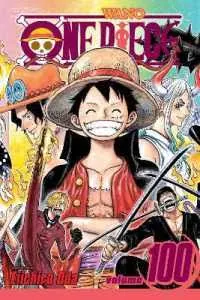
[#3] ONE PIECE | A Perfect Character Score and 600 Million Copies, Jump’s Highest Peak
| Story | Art | Characters | Emotional Impact | Total Score |
|---|---|---|---|---|
| 95 | 87 | 95 | 97 | 374 |
Eiichiro Oda’s seafaring adventure manga has been running since 1997. In March 2026 it passed 600 million copies in circulation worldwide and was certified by Guinness World Records as the most published comic series by a single author. It’s up to 114 collected volumes and still isn’t finished, yet the scale and the density haven’t slipped at all.
The biggest reason we put ONE PIECE at the top of Jump’s all-time list is the sheer number of characters and how deeply each one is developed. The Straw Hats obviously, but also Emperors like Big Mom and Kaido, and even no-name pirates, all of them have a past with blood running through it. The structural control it takes to render heavy themes like discrimination against giants, slavery, and national corruption inside the boundaries of a shonen manga is an achievement for the history books. Robin’s “I want to live” in Water 7, Ace’s death at Marineford. There is exactly one cartoonist on earth who could produce that many moments inside a single work.
Nearly 30 years into the serialization, readers still get floored by the “wait, that’s what that setup was for?” reveals. However many times we reread it at SpotGeeks, we find new foreshadowing every pass. That bottomless richness is what ONE PIECE is.
✅ Why You Should Read It
- Overwhelming scale: 600 million copies worldwide and a Guinness World Record
- Exquisitely engineered foreshadowing that pays off decades later
- A density of emotional payoffs that ranks with the very best in all of Jump
⚠ What to Watch Out For
- At 114-plus volumes and still unfinished, reading all of it takes serious time
- The early art is rough, and it can take a while to adjust to it
Sign up for BOOK☆WALKER for free
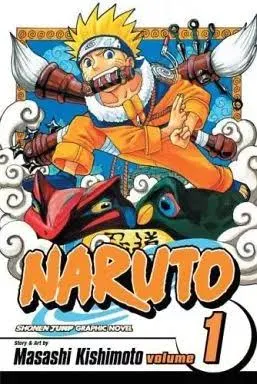
[#4] NARUTO | 250 Million Copies Worldwide, a Ninja Epic About Growth and Bonds
| Story | Art | Characters | Emotional Impact | Total Score |
|---|---|---|---|---|
| 93 | 87 | 95 | 96 | 371 |
Masashi Kishimoto ran this from 1999 to 2014. It’s a ninja battle manga in 72 volumes with more than 250 million copies in circulation worldwide. NARUTO’s real strength is how deeply it develops its villains. Itachi, Nagato, Jiraiya: by carefully laying out why each of these threats chose the path they did, the line between good and evil keeps blurring. Is there a single reader who got through Nagato’s philosophy of pain without crying?
It finished tied with Demon Slayer: Kimetsu no Yaiba at 371 points, but the Story axis broke the tie (93 to 88). The sheer volume of setups it plants and the precision with which it pays them off, plus the depth of its central theme of atonement for those who failed to protect their village, put NARUTO just barely on top. All 72 volumes are complete, so reading along with the anime is a great way to go.
✅ Why You Should Read It
- Villain development and emotional investment among the best in all of Jump
- Complete in 72 volumes, and it pairs beautifully with the anime
- The ninjutsu and chakra systems are intricate and reward close reading
⚠ What to Watch Out For
- Some arcs in the middle and late stretches lose momentum
- The final arc is divisive, and the ending is very much a matter of taste
Sign up for BOOK☆WALKER for free
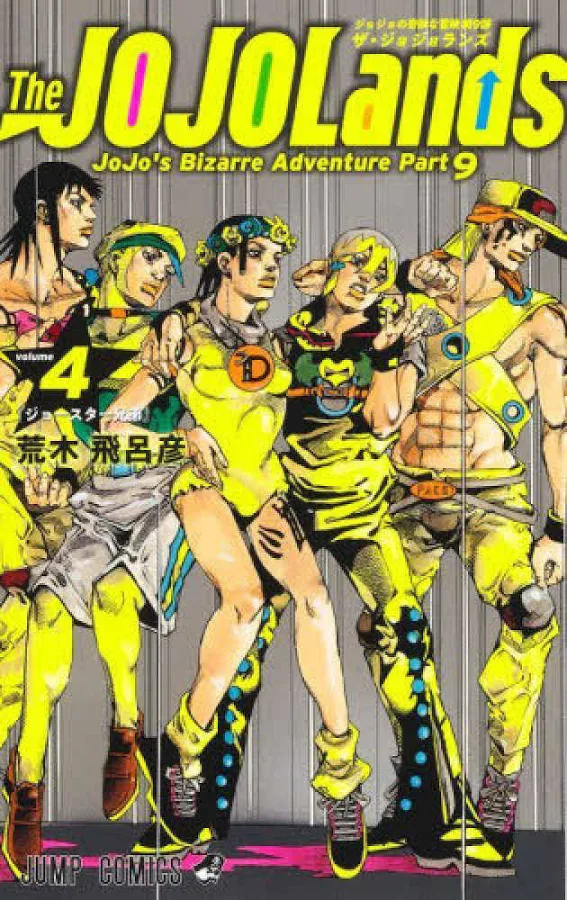
[No. 5] JoJo’s Bizarre Adventure | Story and Characters Both Above 95 – A World Unlike Anything Else
| Story | Art | Characters | Emotional Impact | Total Score |
|---|---|---|---|---|
| 95 | 93 | 96 | 87 | 371 |
Hirohiko Araki started this marathon in 1987, and he’s still serializing it today. More than 110 million copies in circulation. From Part 1 through Part 8, the protagonist is handed off across generations in a structure nobody had attempted before, and the genre shifts hard with each part: Part 1 is gothic horror, Part 4 is a slice-of-life mystery, Part 6 is science fiction.
Its single biggest contribution is the Stand battle, which stands as the finished form of the superpower fight. Wins and losses hinge not on raw power levels but on how a power is applied and how creatively the user thinks, and that framework fed directly into the Nen abilities of Hunter x Hunter and the cursed technique design of Jujutsu Kaisen. The way its poses, quotable lines, and Stand designs have soaked into the culture puts it in a category of its own among Jump titles.
✅ Why We Recommend It
- Every part switches genres, so it never gets stale
- The imagination behind Stand battles is unmatched in Jump
- Overwhelming cultural reach through its poses and famous lines
⚠ Things to Keep in Mind
- Part 1’s art style is a world away from modern manga and takes adjusting to
- It’s still running, so you’ll be waiting on the ending
Sign up for BOOK☆WALKER for free
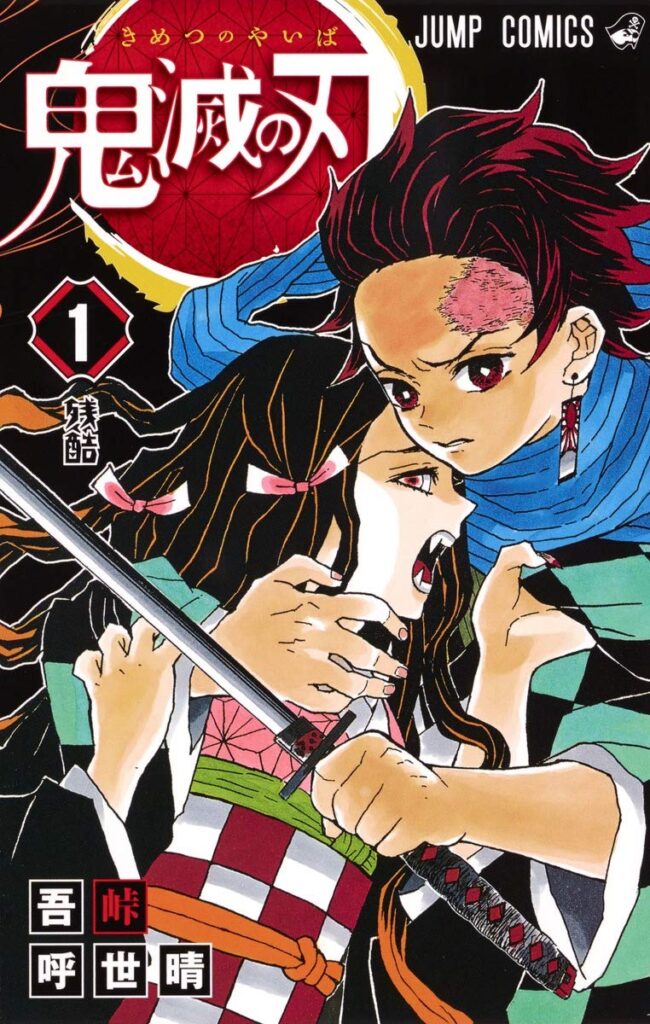
[No. 6] Demon Slayer: Kimetsu no Yaiba | Art and Emotional Impact at 98 – The Best Jump Manga of the Reiwa Era
| Story | Art | Characters | Emotional Impact | Total Score |
|---|---|---|---|---|
| 88 | 98 | 87 | 98 | 371 |
Koyoharu Gotouge serialized this from 2016 to 2020. It runs 23 volumes, has moved more than 220 million copies, and turned demon hunting into a full-blown social phenomenon. That 98 for art is the highest mark any title gets on this list, and it earns it: watercolor-like backgrounds, breathing-technique effects that flow across the page, and flashbacks for the demons themselves that are gorgeous enough to count as pure visual art.
The 98 for emotional impact comes down to one universal core: this is a story about family. It centers on the bond between Tanjiro and Nezuko while taking just as much care with the sorrow each demon carried in life. There aren’t many manga that make you cry after the villain goes down. And because it wraps up cleanly in 23 volumes, you can start today and sprint to the finish without worrying.
The anime’s momentum is staggering too. Demon Slayer: Kimetsu no Yaiba – Infinity Castle Chapter 1: Akaza Returns, released in July 2025, pulled in 117.9 billion yen worldwide, making it the first Japanese film ever to clear 100 billion yen at the global box office.
✅ Why We Recommend It
- 23 volumes, complete – the perfect length to finish in a short stretch
- Art and emotional impact rank among the best in Jump history
- Human drama deep enough that you feel for the demons too
⚠ Things to Keep in Mind
- The early volumes are light on fight scenes, which won’t be for everyone
- There’s a big cast, and it takes a while to keep the names and abilities straight
Sign up for BOOK☆WALKER for free
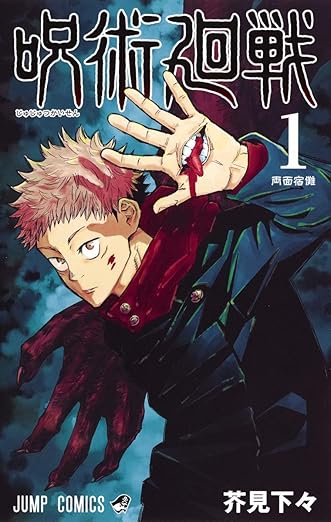
[No. 7] Jujutsu Kaisen | Art at 96 – 100 Million Copies and the Peak of Reiwa-Era Battle Manga
| Story | Art | Characters | Emotional Impact | Total Score |
|---|---|---|---|---|
| 87 | 96 | 88 | 88 | 359 |
Gege Akutami ran this from 2018 to 2024. Thirty volumes, north of 100 million copies in print, and one of the fastest climbs the Reiwa era has produced in a cursed-energy battle manga. That 96 for art comes straight out of how the fights convey motion. Satoru Gojo’s Limitless technique, Sukuna’s slashes – the way speed and mass come through on a black-and-white page is territory this series carved out for itself.
Under the brutal rule that sorcerers are disposable, major characters get written out without mercy, and that produces a tension no other battle manga can match. All 30 volumes are done, so you can binge the whole thing right now. Gojo and Sukuna, the series’ two heavyweights, are going to be talked about as icons of Reiwa-era Jump for a long time.
✅ Why We Recommend It
- 30 volumes, complete – the fastest title of the Reiwa era to hit 100 million copies
- The speed and force of its fight art are the best in Jump right now
- Ferociously distinct characters like Satoru Gojo and Sukuna
⚠ Things to Keep in Mind
- Major characters die off without mercy, so brace for emotional damage
- The late-run developments are divisive, and the ending splits readers hard
Sign up for BOOK☆WALKER for free
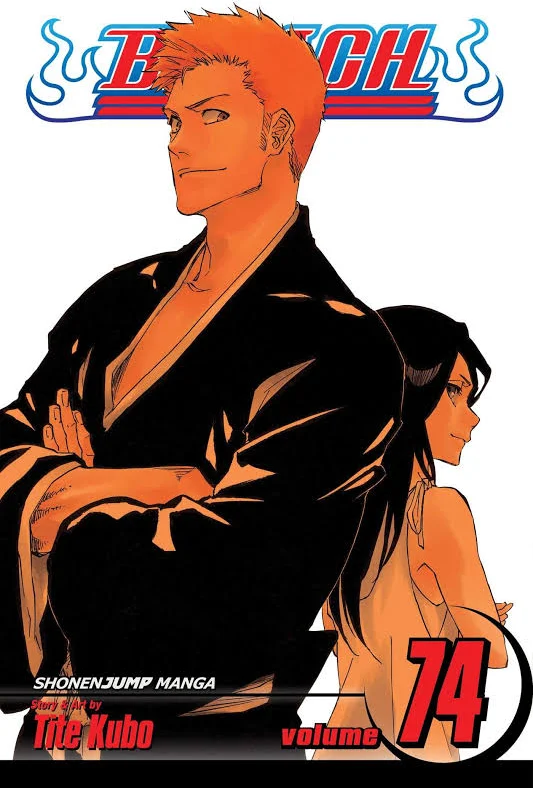
[No. 8] BLEACH | Art at 97 – The Soul Society Arc and the Summit of Beautiful Battle Manga
| Story | Art | Characters | Emotional Impact | Total Score |
|---|---|---|---|---|
| 83 | 97 | 92 | 83 | 355 |
Tite Kubo ran this from 2001 to 2016: 74 volumes of Soul Reaper action with over 130 million copies in print. Kubo’s art lives in the aesthetics of negative space. Page layouts built around emptiness, character silhouettes that pop even in monochrome – the pages read like fashion magazine spreads, refined to a degree that feels almost alien in the context of Jump manga. The sheer coolness of the character designs is top-tier across the entire Jump catalog.
The story peaks with the Soul Society arc in the first half, and honestly, it’s uneven after that. But the Soul Society arc alone makes the series worth reading. Ichigo and company storming Soul Society to stop Rukia Kuchiki’s execution delivers tension and character growth that hit the classic shonen beats while carrying Kubo’s signature beauty on top. It’s a masterpiece.
There’s movement on the anime side too. BLEACH: Thousand-Year Blood War – The Conflict, premiering July 25, 2026, finally brings the TV series to its conclusion. Once you finish the manga, chasing the animated version of the final arc is a fine way to keep going.
✅ Why We Recommend It
- The character designs are as cool as anything in Jump history
- The Soul Society arc (roughly volumes 1-20) is essential reading
- Soul Reapers, Hollows, and Quincies give the world building a distinctive sprawl
⚠ Things to Keep in Mind
- Past the midpoint, the pace sags under too many new enemies and rules
- 74 volumes is a lot. Reading through the Soul Society arc and deciding from there is a valid plan
Sign up for BOOK☆WALKER for free
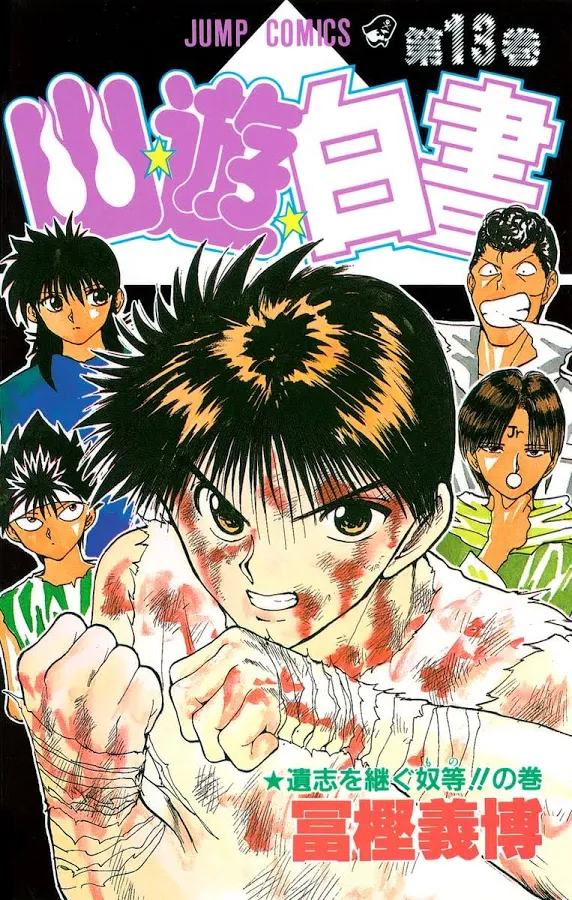
[No. 9] Yu Yu Hakusho | Characters at 95 – The 90s Oddity Yoshihiro Togashi Created
| Story | Art | Characters | Emotional Impact | Total Score |
|---|---|---|---|---|
| 88 | 82 | 95 | 88 | 353 |
Yoshihiro Togashi serialized this from 1990 to 1994: 19 volumes of spirit detective work with more than 50 million copies sold in collected editions. A live-action Netflix adaptation landed in 2022 and pulled in a new generation of fans. The chemistry between Yusuke, Kuwabara, Kurama, and Hiei still gets cited as Jump’s ideal party composition.
The Dark Tournament arc deserves special mention for how well it’s constructed. A run of back-to-back one-on-one fights against overwhelming opponents kept Jump readers of the era glued to every weekly chapter. Nineteen volumes is a manageable length, which is a big plus for anyone picking it up now. That said, the closing Demon World arc moves fast, so go in expecting the emotional high point to land somewhere between the Dark Tournament and the Chapter Black arc.
✅ Why We Recommend It
- At 19 volumes, it’s one of the most approachable classics of Jump’s golden age
- The balance among the four party members is among the best in Jump history
- The Dark Tournament arc is a landmark in the history of battle manga
⚠ Things to Keep in Mind
- The final Demon World arc rushes and ends like a cancellation
- The 90s art style takes some getting used to early on
Sign up for BOOK☆WALKER for free
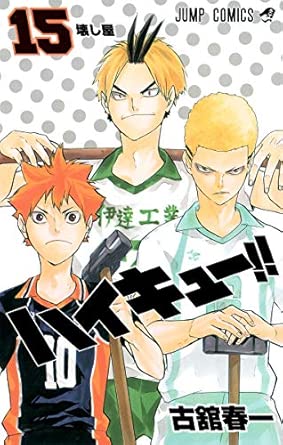
[No. 10] Haikyu!! | Everyone Is the Main Character – The Definitive Volleyball Manga
| Story | Art | Characters | Emotional Impact | Total Score |
|---|---|---|---|---|
| 85 | 88 | 90 | 88 | 351 |
Haruichi Furudate serialized this from 2012 to 2020. Forty-five volumes, more than 70 million copies in circulation as of December 2024, and sales that keep climbing steadily even after the ending. Its greatest strength is that opponents are never treated as cannon fodder: Nekoma, Inarizaki, Fukurodani and the rest all get their own convictions and their own drama. That structure – everyone is the main character – is what Haikyu!! is really about.
It’s drawn so that readers who have never played a set of volleyball naturally pick up what a block, a libero, and a serve actually mean, which makes it an ideal entry point into sports manga. As a school-club story it sits alongside SLAM DUNK at the very top of Jump’s output, and with all 45 volumes finished, you can binge the whole run today.
✅ Why We Recommend It
- An ensemble structure that makes you care about every character, rival teams included
- Careful sports storytelling that works even if you’ve never touched a volleyball
- 45 volumes complete, anime finished too – safe to binge start to end
⚠ Things to Keep in Mind
- A single match can span several volumes, so the pacing can feel slow
- There’s no fighting, so readers here for action may come away wanting more
Sign up for BOOK☆WALKER for free
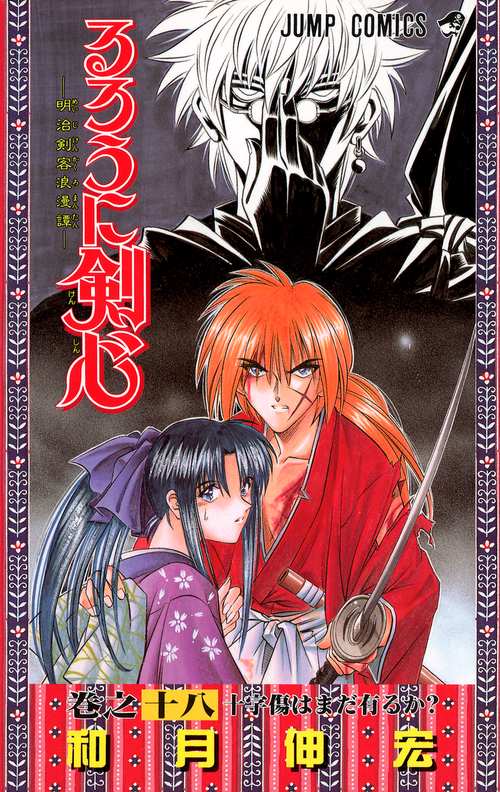
[No. 11] Rurouni Kenshin | The Vow Never to Kill and the Tension It Creates – A Meiji-Era Swordsman Masterpiece
| Story | Art | Characters | Emotional Impact | Total Score |
|---|---|---|---|---|
| 87 | 85 | 90 | 85 | 347 |
Nobuhiro Watsuki serialized this from 1994 to 1999. Twenty-eight volumes, with domestic circulation topping 70 million copies as of May 2026. Building a hero around a self-imposed vow never to kill was a genuinely strange swing for Jump at the time. The Kyoto arc is so well built that it can be cited again and again as the textbook example of a Jump manga where setup, development, turn, and conclusion all click perfectly. The clash between the villain Makoto Shishio’s logic – the weak die, the strong are justice – and Kenshin’s philosophy of sparing lives produced drama that reaches past any simple good-versus-evil framing.
✅ Why We Recommend It
- The Kyoto arc is a textbook case of shonen story structure done right
- The no-killing restriction gives every fight a distinct kind of tension
- 28 volumes complete, and the Meiji setting doubles as a history lesson
⚠ Things to Keep in Mind
- The Jinchu arc in the back half is heavy going and divides readers
- Because of issues involving the author, check digital availability before you buy
Sign up for BOOK☆WALKER for free
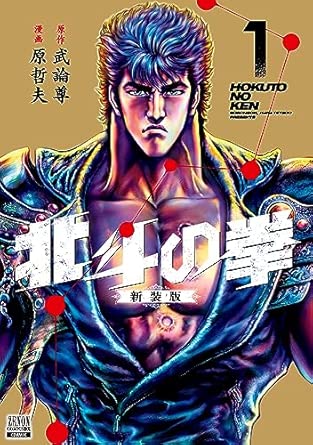
[No. 12] Fist of the North Star | The face of Jump’s golden age, and a story about men surviving a post-nuclear world
| Story | Art | Characters | Emotional Impact | Total Score |
|---|---|---|---|---|
| 83 | 85 | 88 | 88 | 344 |
Written by Buronson and drawn by Tetsuo Hara, this ran from 1983 to 1988. It’s a 27-volume martial arts manga set in a world after nuclear war, and it carried Jump through its golden age. “You are already dead” is one of the most famous lines any manga has ever produced in Japanese, and its name recognition ranks among the highest in Jump history.
The story hangs on the fates of three brothers, Kenshiro, Raoh, and Toki, and it drove the idea of a masculine code of honor straight into the heart of shonen manga. Raoh’s death in particular, with his declaration that he has not a single regret in his life, stands as one of the great villain exits in the history of the medium. The art shows its age next to modern manga, but the sheer dynamism has not faded one bit.
✅ Why We Recommend It
- An enduring classic that propped up Jump’s golden age, complete at 27 volumes
- Raoh and the rest of the cast define what a “real man” character looks like
- No Jump title has seeped further into the culture through its lines and iconic scenes
⚠ Things to Keep in Mind
- The ’80s art style and graphic violence can be a hard sell for modern readers
- The villain lineup changes in the back half, and the pacing shifts with it
Sign up for BOOK☆WALKER for free
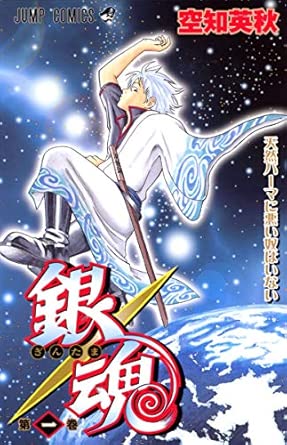
[No. 13] Gintama | 93 for characters, and a one-of-a-kind series that swings between comedy and drama at will
| Story | Art | Characters | Emotional Impact | Total Score |
|---|---|---|---|---|
| 85 | 78 | 93 | 83 | 339 |
Hideaki Sorachi serialized this from 2004 to 2019. It’s a 77-volume Edo-period parody comedy that has sold more than 73 million copies worldwide. Nothing in the Jump catalog executes the cycle of making you laugh in a gag chapter and then cry in a serious one better than Gintama does.
That 93 for characters comes down to how lovable the dynamic is between the central trio of Gintoki, Kagura, and Shinpachi. In the slice-of-life chapters they bounce off each other like a stand-up comedy act, and in full-blown dramatic arcs like the Shinsengumi Crisis and Yoshiwara in Flames they show the resolve of adults who know what’s at stake. That enormous tonal range is exactly what makes Gintama work, and it’s the reason a 77-volume marathon never gets stale.
✅ Why We Recommend It
- The swing between comedy and drama is about as wide as it gets in all of Jump
- The banter between characters stays funny across every single volume
- The density of parody and meta humor gives adult readers plenty to chew on
⚠ Things to Keep in Mind
- At 77 volumes, it’s a serious time commitment
- A lot of the parody leans on period references, so some chapters won’t land without the background knowledge
Sign up for BOOK☆WALKER for free
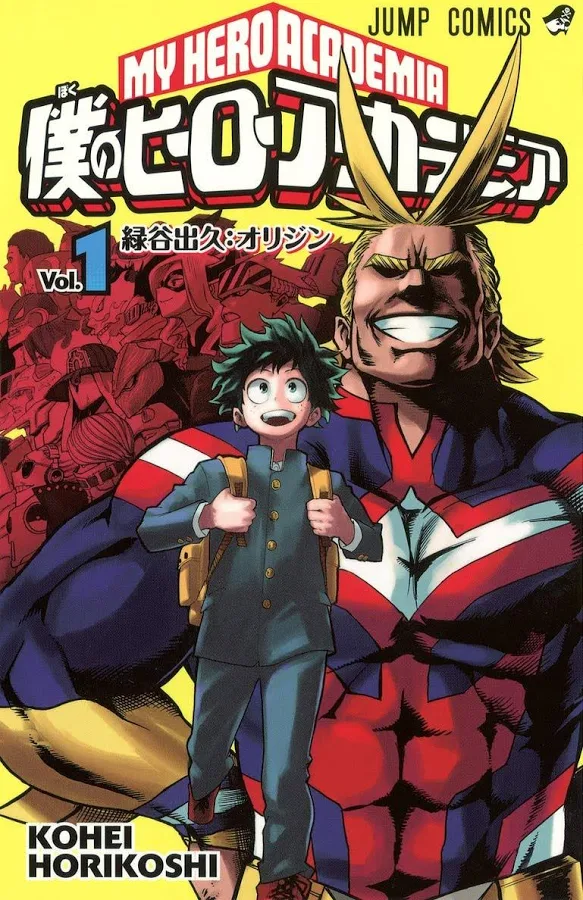
[No. 14] My Hero Academia | A textbook coming-of-age story set in a world built around heroes
| Story | Art | Characters | Emotional Impact | Total Score |
|---|---|---|---|---|
| 82 | 87 | 88 | 80 | 337 |
Kohei Horikoshi serialized this from 2014 to 2024. It’s a 42-volume superpowered hero manga with more than 100 million copies in print. The story of Izuku Midoriya, a Quirkless kid clawing his way up in a society run by heroes, is the classic Jump coming-of-age arc updated for the modern era.
The relationship between All Might and Deku, master and student, sits at the story’s core. The moment the baton gets passed, with the charge to become the symbol of the next era, hits every beat of a classic Jump tearjerker and hits them carefully. The cast is huge, and the fact that every member of Class 1-A gets their own Quirk and their own growth is a big part of the appeal. It wrapped up at 42 volumes, and it’s enormously popular in America too.
✅ Why We Recommend It
- A classic growth story told in the unique setting of a hero-driven society
- Complete at 42 volumes, hugely popular overseas, and easy to find in English
- An ensemble structure where every member of Class 1-A gets a Quirk and a moment to shine
⚠ Things to Keep in Mind
- Opinions are split on how the ending plays out
- There are so many characters that keeping names and powers straight takes a while early on
Sign up for BOOK☆WALKER for free
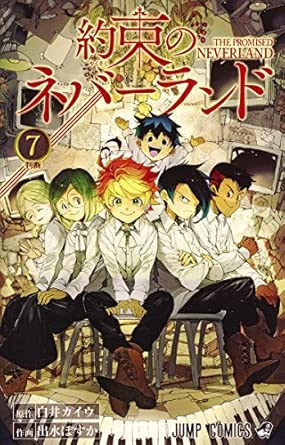
[No. 15] The Promised Neverland | 88 for story, and a masterclass in escape-thriller suspense
| Story | Art | Characters | Emotional Impact | Total Score |
|---|---|---|---|---|
| 88 | 83 | 82 | 82 | 335 |
Written by Kaiu Shirai and drawn by Posuka Demizu, this ran from 2016 to 2020. It’s a 20-volume escape thriller with more than 42 million copies in print worldwide. A premise in which orphanage kids discover they’re being raised as food for demons and start plotting their escape was wildly out of step with anything else Jump was running.
That 88 for story comes from the gut-punch twist at the end of chapter one and the smart cat-and-mouse plotting of the escape plan that follows. In terms of how tightly the opening act is constructed, it’s among the very best of the 20 titles on this list. The contrast between the intellects and personalities of Emma, Norman, and Ray is beautifully drawn, and the whole thing has the power to leave you physically unable to stop turning pages.
✅ Why We Recommend It
- Complete at 20 volumes, so it’s a compact classic you can knock out quickly
- The shock of chapter one and the brainy suspense of the early arc are outstanding
- It feels refreshingly unlike anything else in Jump
⚠ Things to Keep in Mind
- The back half is deeply divisive, and plenty of readers feel a steep drop-off from the opening arc
- Not for anyone who doesn’t get along with dark suspense
Sign up for BOOK☆WALKER for free
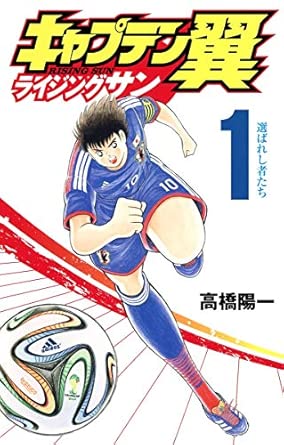
[No. 16] Captain Tsubasa | 87 for emotional impact, and the sports manga pioneer that changed Japanese soccer
| Story | Art | Characters | Emotional Impact | Total Score |
|---|---|---|---|---|
| 78 | 72 | 85 | 87 | 322 |
Yoichi Takahashi launched this in 1981. It has more than 80 million copies in print, and a huge share of the soccer players who define modern Japan, including Keisuke Honda, Shunsuke Nakamura, and Takefusa Kubo, have named it as the reason they started playing in the first place. In terms of raw social impact, its role in lifting up Japan’s entire soccer culture puts it in the top tier of manga history.
The contrast between the personalities of Tsubasa Ozora, Kojiro Hyuga, and Genzo Wakabayashi created the blueprint for the sports-manga rivalry. Viewed with modern eyes, the art and the flow of the matches are clearly of their era, but Tsubasa’s philosophy that the ball is your friend hasn’t lost an ounce of its shine.
✅ Why We Recommend It
- A historic work that laid the foundation for Japanese soccer culture
- The series that established the rivalry dynamic and the hot-blooded sports formula
- Read all over the world, with editions available in plenty of languages
⚠ Things to Keep in Mind
- The ’80s art style can be a hard sell for modern readers
- Sequel series are still running, so the story isn’t finished
Sign up for BOOK☆WALKER for free
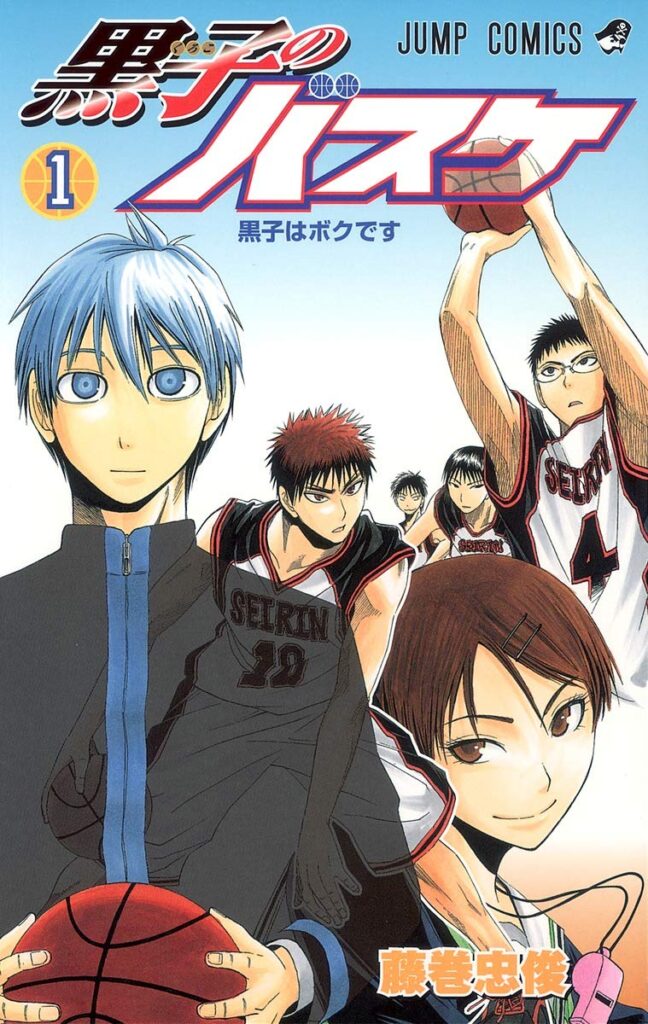
[No. 17] Kuroko’s Basketball | The rush of fantasy basketball, and an underrated gem with a beloved cast
| Story | Art | Characters | Emotional Impact | Total Score |
|---|---|---|---|---|
| 78 | 80 | 85 | 78 | 321 |
Tadatoshi Fujimaki serialized this from 2008 to 2014. It’s a 30-volume basketball manga, and its signature move is the satisfying structure of knocking off the prodigies known as the Generation of Miracles one by one. Every one of those players wields a superhuman ability, like the Phantom Sixth Man or the Perfect Copy, and this brand of fantasy basketball entertains in a completely different direction from the grounded realism of SLAM DUNK or Haikyu!!
Tetsuya Kuroko, a character built on the idea that being invisible is itself a weapon, is a genuinely original concept, and that idea alone makes the series worth reading. It’s complete at 30 volumes, so it’s an easy one to enjoy in a compact package.
✅ Why We Recommend It
- Complete at 30 volumes, with the thrill of fantasy basketball front and center
- The concept behind Kuroko as a character is genuinely inventive
- The Generation of Miracles members are hugely popular in their own right
⚠ Things to Keep in Mind
- The staging leans more toward superpower battles than realistic basketball, which won’t be for everyone
- You can more or less see where each game is headed
Sign up for BOOK☆WALKER for free
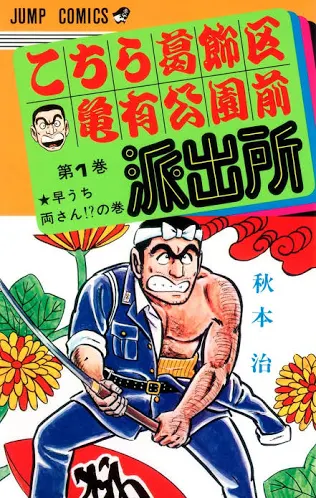
[No. 18] KochiKame: Tokyo Beat Cops | 90 for characters, and a national comedy institution that ran for 40 years
| Story | Art | Characters | Emotional Impact | Total Score |
|---|---|---|---|---|
| 72 | 70 | 90 | 82 | 314 |
Osamu Akimoto kept this running for 40 straight years, from 1976 to 2016, across 201 volumes of national-treasure comedy. It holds the Guinness World Record for the most volumes published for a single manga series, and in terms of sheer presence in Japanese manga history, it doesn’t take a back seat to anything else on this list.
The reckless energy and charisma of lead character Kankichi Ryotsu are unlike anything else out there, and even as a self-contained gag manga, it doubles as a time capsule of the Showa and Heisei eras, chronicling 40 years of cultural change. Part of the fun is that which episodes hit hardest depends entirely on when you grew up.
✅ Why We Recommend It
- Every chapter is self-contained, so you can jump in at any volume
- A record of the Showa and Heisei eras that captured 40 years of change
- Kankichi Ryotsu carries all 201 volumes on sheer force of personality
⚠ Things to Keep in Mind
- 201 volumes is an absurd amount, so go in relaxed and accept that reading all of it is basically impossible
- Lots of topical humor and dated trend references, so mileage varies by generation
Sign up for BOOK☆WALKER for free
[No. 19] Hoshin Engi | A sprawling fantasy that boldly rebuilds Chinese mythology from the ground up
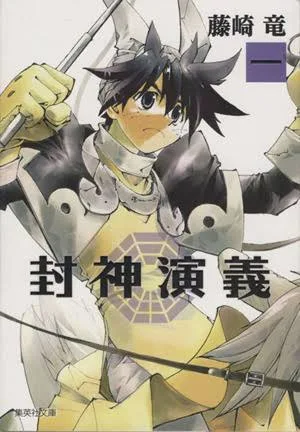
| Story | Art | Characters | Emotional impact | Total score |
|---|---|---|---|---|
| 83 | 75 | 80 | 70 | 308 |
Ryu Fujisaki serialized this one from 1996 to 2000. It runs 23 volumes, and it’s a mythological fantasy manga that takes wild liberties with the Chinese classical novel Investiture of the Gods. The combat system, built around a huge variety of weapons and tools called “paopei,” is genuinely inventive, and the series was a trailblazer for tackling Chinese mythology, a subject you almost never saw in Japanese shonen manga.
The appeal comes down to Taikobo, a delightfully breezy protagonist, and the sheer richness of villains like Shinkohyo and Bunchu. The enormous scale of the world and the cosmic-level turn the story eventually takes are why people still talk about it today as the series that embodied “Jump-sized ambition” in the ’90s.
✅ Why we recommend it
- A one-of-a-kind world built on Chinese mythology, complete at 23 volumes
- The paopei system gives its power battles a totally distinctive spin
- A vast world setting and a finale that escalates to cosmic scale
⚠ Things to keep in mind
- The pacing suddenly accelerates near the end and feels rushed
- Without some grounding in Chinese mythology, the flood of proper nouns can be disorienting
[No. 20] The Prince of Tennis | Characters 83 – the pioneer of sports fantasy that left tennis behind
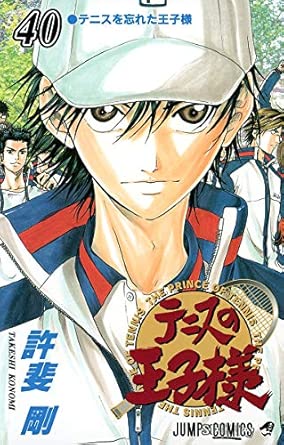
| Story | Art | Characters | Emotional impact | Total score |
|---|---|---|---|---|
| 72 | 73 | 83 | 73 | 301 |
Takeshi Konomi serialized it from 1999 to 2008 (the sequel, The New Prince of Tennis, wrapped up in August 2026). It’s a tennis manga about Ryoma Echizen, a prodigy middle schooler chasing a national title, and it’s famous for the point where it starts serving up “superhuman play” that leaves the physical limits of tennis in the dust.
That 83 in Characters is earned by the enormous popularity of its wildly distinct rival players. Kunimitsu Tezuka, Shusuke Fuji, Keigo Atobe – every team’s marquee character has a fan base of their own, and the musical adaptation became a massive hit too. It has to be the first Jump series that transcended the sport itself and functioned as pure character content.
✅ Why we recommend it
- So many vividly drawn rival characters that everyone finds a favorite
- A deep bench of media spin-offs, musicals included, so there’s plenty to enjoy
- The original blueprint for sports crossed with character-driven content
⚠ Things to keep in mind
- From the midpoint on, the staging drifts further and further from real tennis
- Reading the whole series including the sequel The New Prince of Tennis is a serious time commitment (the sequel ended in August 2026)
Frequently asked questions about the all-time Jump ranking (FAQ)
To close things out, here are straight answers to the questions people tend to have when they go looking for Jump popularity rankings.
What is the most popular Jump manga of all time?
Under this article’s 4-axis scoring, DRAGON BALL takes the No. 1 spot on total score. It’s the origin point that wrote the grammar of battle manga, and 260 million copies worldwide is proof of its universality. That said, what “popular” means shifts depending on whether you measure by polls, sales, or memories – which is exactly why you should use the comparison table up top and pick based on the axis that matters to you.
Which series is No. 1 of all time in copies published?
By copies published, ONE PIECE is the all-time No. 1. It cleared 600 million copies worldwide in March 2026 and holds the Guinness World Record for the most published copies of a comic series by a single author. It also lands at No. 3 in our scoring – Jump’s flagship in every sense of the word.
Which currently running series are popular right now?
Within the TOP 20, the series whose main storylines are still running are ONE PIECE and JoJo’s Bizarre Adventure. The New Prince of Tennis, the sequel to The Prince of Tennis, concluded in the September issue of Jump SQ. released in August 2026, closing the book on roughly 27 years of series history. Popularity among the current lineup shifts day to day based on chapter placement and volume sales, so this article evaluates the immovable classics on an all-time axis instead.
Does this article cover character popularity rankings?
This is an all-time popularity ranking of series, not a popularity poll for individual characters. If you want character rankings, check each series’ official popularity polls or voting-site results. Once you’ve done that, if the question becomes “which series with my favorite character should I reread first,” the scoring table at the top should give you something to go on.
Where should newcomers start?
We’d point you first at Demon Slayer: Kimetsu no Yaiba, complete in 23 volumes, or the original itself, DRAGON BALL, at 42 volumes. The great strength of a finished series is that you can run all the way to the finish line without worrying. If you want to feel the heat of an ongoing series, go to ONE PIECE – there are a lot of volumes, but the world runs that much deeper for it.

Enjoying this article? Add us as a preferred source on Google.
Conclusion | The TOP 20 all-time Shonen Jump series ranking [The SpotGeeks verdict]
The most striking thing to come out of this scoring pass was just how much “is it finished or not” changes the reading experience. DRAGON BALL, SLAM DUNK, NARUTO, Demon Slayer: Kimetsu no Yaiba, YuYu Hakusho, Rurouni Kenshin – most of the top entries are complete, so you can start today and sprint to the finish line without hesitation. ONE PIECE and JoJo, on the other hand, muscle into the upper ranks precisely because their scale is still unfolding in real time. “Start with something finished, or feel the rush of something ongoing” is a call each reader has to make.
Here’s the “best in class” breakdown by scoring axis. If story is what you care about: ONE PIECE, NARUTO, JoJo. If art is what you care about: BLEACH, Demon Slayer: Kimetsu no Yaiba, Jujutsu Kaisen. If characters are what you care about: ONE PIECE, JoJo, YuYu Hakusho. If emotional impact is what you care about: SLAM DUNK, Demon Slayer: Kimetsu no Yaiba, NARUTO. Choose based on what you’re actually after and you’ll get a much richer read out of it.
Jump will surely keep producing new classics. But survey the last 60 years of accumulated work and there’s no question that the 20 series in this TOP 20 are universal masterpieces – the kind that make you think “man, manga rules” no matter what era you read them in. If there’s one on here you haven’t read yet, that’s exactly where to start.
SPOTGEEKS VERDICT
After scoring the all-time Shonen Jump lineup across 4 axes – story, art, characters, and emotional impact – the podium settled as No. 1 DRAGON BALL (387 points), No. 2 SLAM DUNK (375 points), and No. 3 ONE PIECE (374 points). DRAGON BALL’s perfect 100 for art and Demon Slayer: Kimetsu no Yaiba’s 98s for both art and emotional impact are the standout numbers that define this whole scoring run. If you’re stuck on where to begin, just grab anything sitting in the No. 1 through No. 5 slots. There isn’t a dud in the bunch.
All 20 of these are worth your time. 60 years of Jump packs exactly that much density.
Read Next
Snicker Kitamura




Leave a Reply