
Enjoying this article? Add us as a preferred source on Google.
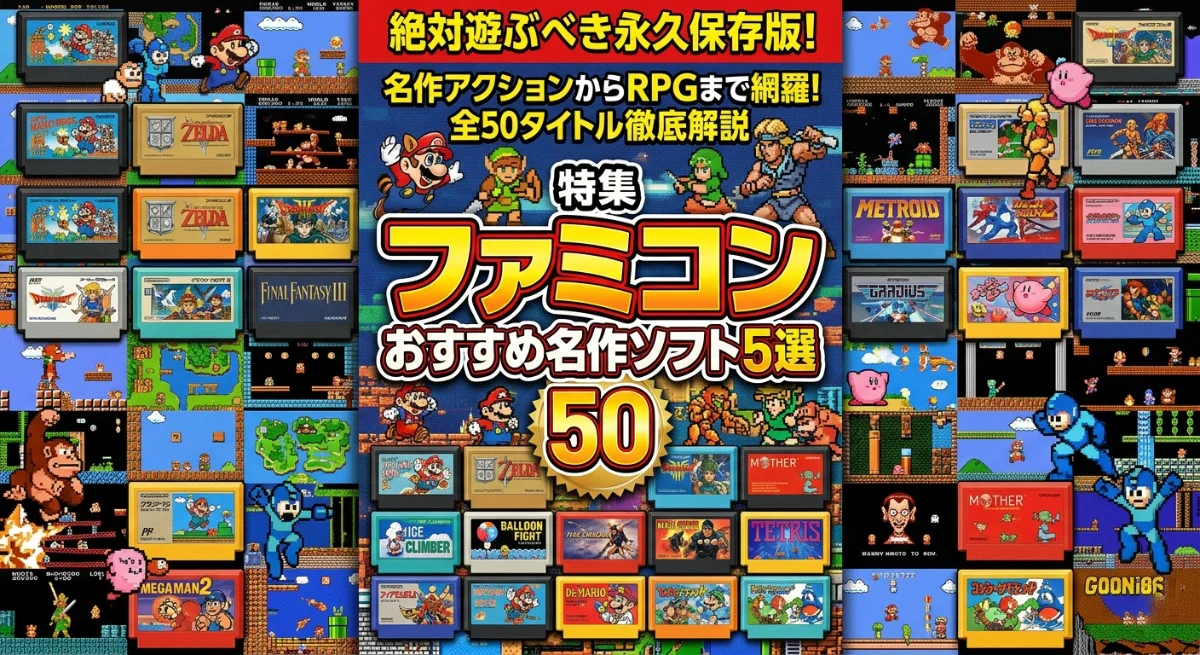
The Famicom (NES) launched in 1983. More than 40 years later, the games we still call classics are holding their value on the used market, and when someone streams one, younger viewers pile into the chat with “wait, this actually rules.” So what exactly is it that makes fun survive four decades? The answer is packed inside those Famicom cartridges.
In this feature we’ve picked 50 Famicom classics that are still genuinely fun to play today, sorted by genre. RPGs, action, shooters, adventure, sports, puzzle — the whole spread is covered. If you’re asking “where do I even start?” or “just show me the best in my genre,” this is built to be used as-is.
We’ve also noted used-market prices throughout. Some carts go for 100 yen a pop; others are premium titles whose Mandarake trade-in reference prices run into the tens of thousands of yen. There’s plenty here for the collector mindset, too.
Whether you’ve never touched a Famicom or you still remember the exact smell of your childhood living room — start with your genre and go from there.
The “brutal is the point” design philosophy these Famicom classics proved out passed its DNA straight down to the modern Soulslike genre. That specific tension of dying and starting over in Ninja Gaiden or Castlevania is still alive inside Elden Ring and Sekiro today.
What kind of machine was the Famicom?
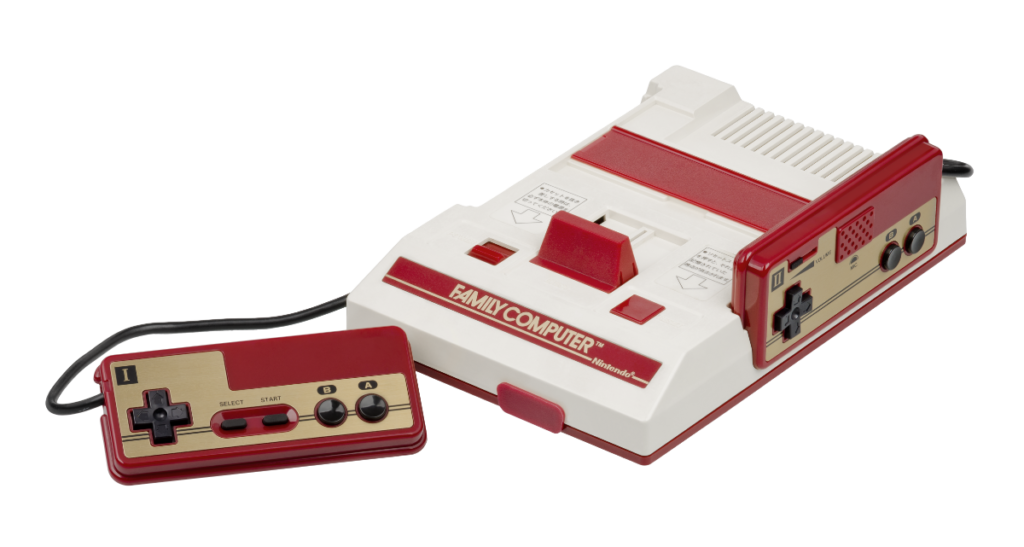
The Famicom is the home console Nintendo released on July 15, 1983. It arrived at a list price of 14,800 yen, and the launch was rocky enough that early units had to be recalled over a hardware fault — but Super Mario Bros. (1985) blew the doors open and put the machine in living rooms nationwide. Lifetime domestic shipments landed at roughly 19.35 million units. ▶ Nintendo Hardware and Software Shipment Figures
The Famicom’s real value, though, lives in its software lineup. Across roughly a decade from 1983 to 1994, more than 1,000 games shipped for it, and in every genre — RPG, action, shooter — titles appeared that became the blueprint every later game would copy. Dragon Quest, Final Fantasy, Castlevania, Mega Man: every one of those franchises started here.
You’ve got two routes: original hardware plus cartridges, or Nintendo Switch Online (from 240 yen a month). On Switch, over 100 Famicom titles are included in the subscription. If you insist on physical play, a clone console like the Retro Freak makes life easy. ▶ Nintendo Switch Online Official
🎮 Play them right now on modern hardware: the full Switch and Steam availability list (2026 edition)
No Famicom in the closet? No problem. Of the 50 games in this feature, more than 20 are playable on current hardware today. Between Nintendo Switch Online (from 306 yen a month) and the various publisher collections from Konami, Capcom and Square Enix, you need neither the console nor the carts.
🟢 Titles playable on Nintendo Switch Online (from this feature)
If you’re already subscribed to Nintendo Switch Online, there’s no extra charge — you’re playing the Famicom versions as they shipped.
| Title | Genre | Notes |
|---|---|---|
| Super Mario Bros. | Action | NSO base plan |
| Super Mario Bros. 2 (The Lost Levels) | Action | NSO base plan |
| Super Mario Bros. 3 | Action | NSO base plan |
| The Legend of Zelda | Adventure | NSO base plan (Famicom Disk System version) |
| Zelda II: The Adventure of Link | Adventure | NSO base plan (Famicom Disk System version) |
| Metroid | Adventure | NSO base plan (Famicom Disk System version) |
| Gradius | Shooter | NSO base plan |
| TwinBee | Shooter | NSO base plan |
| Battle City | Shooter | NSO base plan |
| MOTHER (EarthBound Beginnings) | RPG | NSO base plan |
| Fire Emblem: Shadow Dragon and the Blade of Light | RPG | NSO base plan |
| Final Fantasy III | RPG | NSO base plan |
| Ice Climber | Action | NSO base plan |
| Balloon Fight | Puzzle | NSO base plan |
| Dr. Mario | Puzzle | NSO base plan |
| Mappy | Puzzle | NSO base plan |
| Pac-Man | Puzzle | NSO base plan (added April 2026) |
| Excitebike | Other | NSO base plan |
| Clu Clu Land | Other | NSO base plan |
🔵 Titles playable via Switch / PS4 / Steam collections (sold separately)
These are available to buy and play through publisher anniversary collections and re-release bundles. Pick this route if you want to own the thing outright.
| Title | Collection | Platforms |
|---|---|---|
| Castlevania | Castlevania Anniversary Collection | Switch / PS4 / Steam |
| Mega Man 2 / Mega Man 3 | Mega Man Legacy Collection | Switch / PS4 / Steam |
| Contra | Contra Anniversary Collection | Switch / PS4 / Steam |
| Gradius / Salamander | Arcade Classics Anniversary Collection | Switch / PS4 / Steam |
| River City Ransom (Downtown Nekketsu Monogatari) | Double Dragon & Kunio-kun: Retro Brawler Bundle | Switch / PS4 / Steam |
| Final Fantasy I–III | Final Fantasy Pixel Remaster (sold individually) | Switch / PS4 / Steam |
🗡️ RPG division (10 games) — this is where the Japanese RPG begins
We scored each game out of 100 across four axes: accessibility, difficulty, replay depth and emotional punch. Higher difficulty means harder. “Emotional punch” is our combined read on nostalgia, gut impact and immersion.
| Title | Accessibility | Difficulty | Replay Depth | Emotional Punch | Total Score |
|---|---|---|---|---|---|
| Dragon Quest III | 88 | 52 | 95 | 98 | 333 |
| Dragon Quest IV | 88 | 48 | 90 | 95 | 321 |
| Final Fantasy III | 80 | 65 | 92 | 88 | 325 |
| MOTHER | 85 | 55 | 82 | 98 | 320 |
| Fire Emblem: Shadow Dragon and the Blade of Light | 65 | 82 | 88 | 80 | 315 |
| Megami Tensei II | 55 | 88 | 85 | 78 | 306 |
| Metal Max | 68 | 58 | 85 | 82 | 293 |
| Dragon Quest II | 75 | 72 | 80 | 90 | 317 |
| Final Fantasy I | 78 | 65 | 75 | 85 | 303 |
| Lagrange Point | 60 | 62 | 80 | 75 | 277 |
RPGs in the Famicom era were built on the assumption that they’d be hard. Strategy guides flew off shelves, and swapping intel at school was the accepted way to make progress. Which is exactly why beating one delivered a payoff that modern games still can’t touch.
No. 1Dragon Quest III: And Then Into the Legend… (1988)
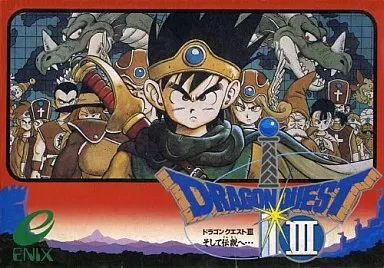
The summit of the Japanese RPG. So many kids skipped school on launch day that it birthed the phrase “the Dragon Quest social phenomenon.” The class-change system and free-form party building mean you can run it again and again. And the truth behind that “legend” revealed at the end of the story still raises goosebumps today. ▶ Dragon Quest Official Site
💰 Used price (cart only, rough guide): approx. ¥1,500–3,000
No. 2Dragon Quest IV: Chapters of the Chosen (1990)
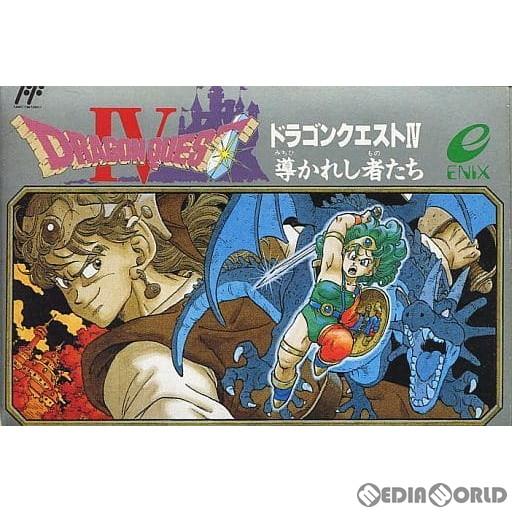
An ambitious entry structured as a five-chapter anthology. You control a different protagonist in each chapter, and everyone converges in the finale — a revolutionary shape for its day. The AI tactics you assign to party members were fresh too, and commands like “Fight Wisely” and “Focus on Healing” are still quoted decades later.
💰 Used price (cart only, rough guide): approx. ¥1,000–2,500
No. 3Final Fantasy III (1990)
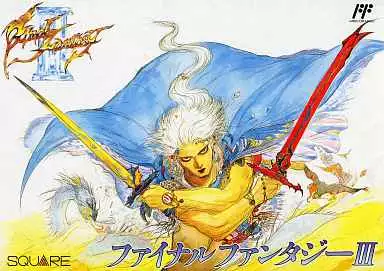
The game that took the job system to its finished form, and one of the series’ high-water marks. All four characters can switch jobs, which blows the strategic range wide open. Nobuo Uematsu’s soundtrack belongs in the canon too — “Crystal Tower” and “The Cloud of Darkness” still hit hard. Currently available on Nintendo Switch Online.
💰 Used price (cart only, rough guide): approx. ¥2,000–5,000
🟢 Nintendo Switch Online 🔵 Switch / Steam (Final Fantasy Pixel Remaster)
No. 4MOTHER (1989)
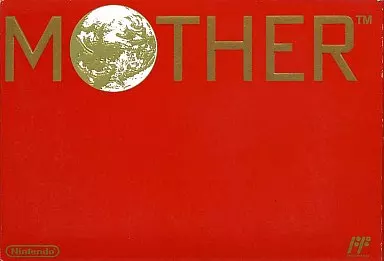
An oddball RPG set in contemporary America, with Shigesato Itoi handling game design. You fight robots instead of dragons, swinging a baseball bat and a frying pan instead of swords. The psychic PSI system, the peculiar dialogue and the whole tone of the world deliver an experience no other RPG matches. This is the starting point for MOTHER 2.
💰 Used price (cart only, rough guide): approx. ¥2,000–6,000
🟢 Playable on Nintendo Switch Online (from 306 yen a month)
No. 5Fire Emblem: Shadow Dragon and the Blade of Light (1990)
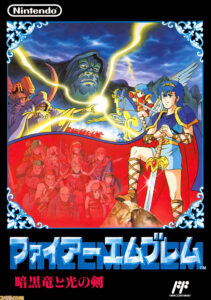
The game that established the strategy RPG as a genre. Permadeath — lose a unit and it’s gone forever — cranks the tension to its absolute limit. The origin point of an FE series that’s now a global franchise sits right here. ▶ Fire Emblem Official
💰 Used price (cart only, rough guide): approx. ¥500–2,000
No. 6Digital Devil Story: Megami Tensei II (1990)
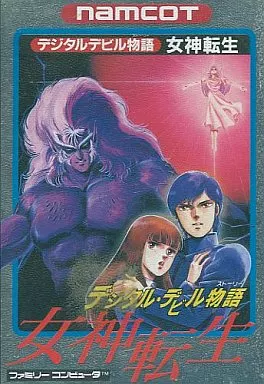
The bedrock of the series, where demon fusion and the negotiation system were fully worked out. Setting the story in modern Tokyo and letting you talk demons into joining your party was a genuine shock to the industry at the time. The labyrinthine dungeon design still lands squarely in the “brutal” category, but that’s precisely the appeal.
💰 Used price (cart only, rough guide): approx. ¥3,000–8,000
No. 7Metal Max (1991)
A post-apocalyptic RPG about tearing across a ruined world in a tank. The sheer amount of freedom is absurd — the go-anywhere, open-world-adjacent design was well ahead of its time. That “I can actually do anything here” feeling is what makes it.
💰 Used price (cart only, rough guide): approx. ¥1,000–3,000
No. 8Dragon Quest II: Luminaries of the Legendary Line (1987)
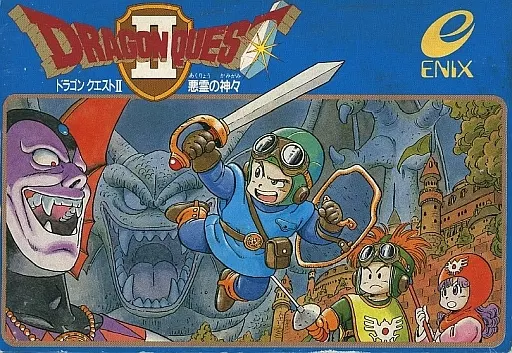
The second entry, sending a three-person party across a vastly larger world. The high-difficulty stretch known as the road to Rhone has been called the most miserable journey in gaming history, and the spec sheet backs that up. Surviving it delivers a payoff in a class of its own.
💰 Used price (cart only, rough guide): approx. ¥800–2,000
🔶 HD-2D remake available (Switch/PS5/Steam, out now)
No. 9Final Fantasy I (1987)
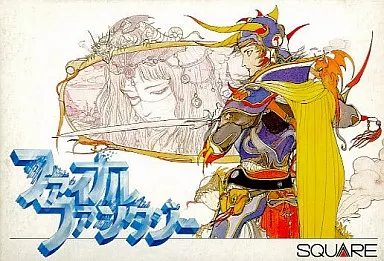
Square’s debut RPG, made with the whole company riding on it. Freely picking your four Warriors of Light to assemble a party, plus a combat system that felt close to seamless, won it strong praise. The famous story goes that it was built on the resolve that if the company was going down, it would at least go down having made the best game it could.
💰 Used price (cart only, rough guide): approx. ¥3,000–7,000
🔵 Switch / PS4 / Steam (included in Final Fantasy Pixel Remaster)
No. 10Lagrange Point (1991)
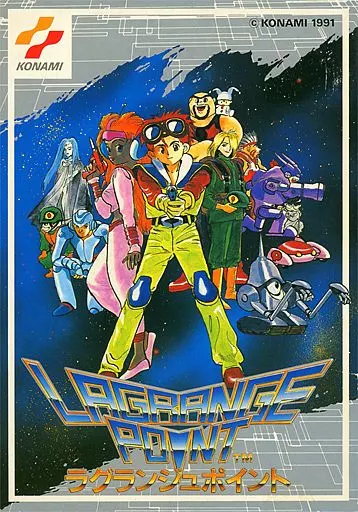
A sci-fi RPG developed by Konami. It packs a special sound chip called the VRC7, so what comes out of the speakers is FM synthesis you’d swear couldn’t be a Famicom. The distinctive space-colony setting has kept it alive as a cult classic, and it can command premium prices on the used market.
💰 Used price (cart only, rough guide): approx. ¥3,000–8,000
💰 Used price (cart only, rough guide): approx. ¥5,000–15,000
⚡ Action (12 Titles) — 8-Bit Action That Still Hits Hard
Every game is scored out of 100 across four categories: Accessibility, Difficulty, Depth, and Nostalgia. A higher Difficulty number means a harder game. Nostalgia is a combined measure of sentimental pull, emotional impact, and immersion.
| Title | Accessibility | Difficulty | Depth | Nostalgia | Total Score |
|---|---|---|---|---|---|
| Super Mario Bros. 3 | 90 | 55 | 90 | 98 | 333 |
| Castlevania | 70 | 82 | 85 | 92 | 329 |
| Mega Man 2 | 75 | 78 | 88 | 92 | 333 |
| Ghosts ‘n Goblins | 48 | 98 | 75 | 88 | 309 |
| Ninja Gaiden | 65 | 80 | 82 | 85 | 312 |
| Contra | 80 | 72 | 78 | 88 | 318 |
| River City Ransom | 82 | 55 | 80 | 85 | 302 |
| Super Mario Bros. | 92 | 48 | 80 | 98 | 318 |
| Mega Man 3 | 75 | 68 | 82 | 85 | 310 |
| Ice Climber | 80 | 62 | 68 | 78 | 288 |
| Super Mario Bros. 2 (Japanese version) | 82 | 62 | 75 | 85 | 304 |
| Captain Tsubasa II | 78 | 55 | 70 | 80 | 283 |
Famicom action games are all about memorization. You learn the pattern, you drill it, and you inch a little further each time. That loop is exactly what a lot of modern games have quietly stopped asking for.
#1Super Mario Bros. 3 (1988)
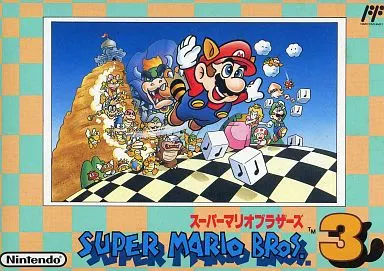
This is one of the greatest action games the Famicom ever produced, full stop. Eight worlds, a wardrobe of transformation power-ups, and level design that never repeats a trick — it plays like Nintendo emptying its entire notebook at once. More than 17 million copies sold worldwide. Boot it up today and not a single thing about it feels dated.
💰 Used market (cart only, rough guide): approx. ¥800–2,000
🟢 Playable on Nintendo Switch Online (from 306 yen/month)
#2Castlevania (1986)
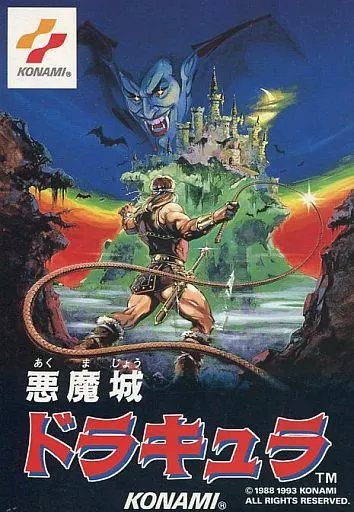
Konami’s high-water mark for the side-scrolling action game. A whip as your primary weapon, Dracula’s castle laid out as a gauntlet of committed, deliberate combat, and “Vampire Killer” — a track so good it left its fingerprints on Nobuo Uematsu. Mandarake’s reference buyback price for the Famicom Disk System version runs around 5,000 yen; the cartridge release climbs into the tens of thousands. It has earned every yen.
💰 Used market (cart only, rough guide): ROM version approx. ¥25,000+ / FDS version approx. ¥5,000+
🔵 Available on Switch / PS4 / Steam (included in a collection)
#3Mega Man 2 (1988)
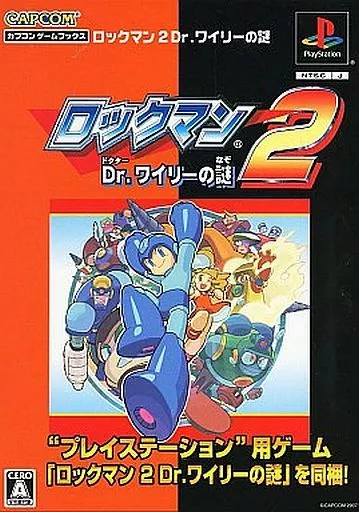
Ask a room full of Mega Man fans to name the best one and this is the answer you’ll hear most. Eight bosses you can tackle in any order you like, and a soundtrack that is arguably the finest on the console. Air Man in particular tormented an entire generation of Japanese kids so thoroughly that he later got his own hit song about how impossible he is to beat. ▶ Mega Man official site (Capcom) Mandarake reference buyback price (complete in box): 7,000–10,000 yen.
💰 Used market (cart only, rough guide): approx. ¥10,000–20,000 (complete copies top ¥30,000)
🔵 Available on Switch / PS4 / Steam (included in a collection)
#4Ghosts ‘n Goblins (1986)
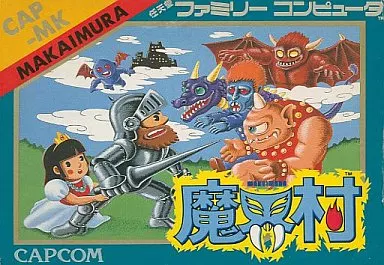
Too hard. Wildly unfair. And that’s the point. Making you clear the entire game a second time before it will show you an ending is a genuinely sadistic piece of design, and it left scars on the kids who tried. But nothing else on the system delivers the high that comes with finishing that second loop.
💰 Used market (cart only, rough guide): approx. ¥1,000–4,000
#5Ninja Gaiden (1988)
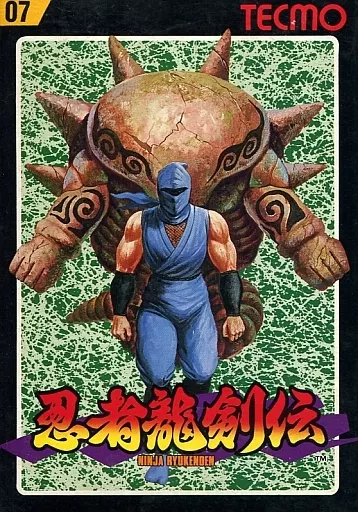
Tecmo’s brutally demanding action showcase. Clinging to walls and scrambling up them — the wall-cling maneuver is the game’s signature move, and nothing else played like it at the time. The dramatic three-act story, told through cinematic cutscenes, is still held up as some of the best presentation on the Famicom. Mandarake reference buyback price: 4,000 yen.
💰 Used market (cart only, rough guide): approx. ¥3,000–6,000
#6Contra (1988)
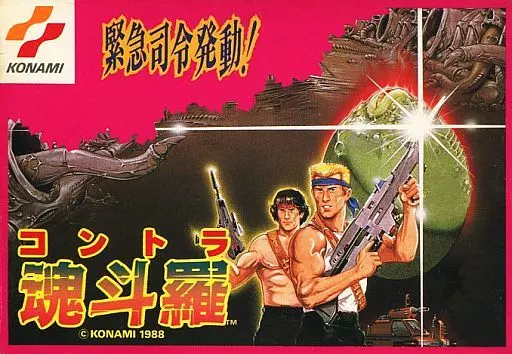
Konami’s two-player run-and-gun. Bullets flying in every direction, a deep weapon roster, and the birthplace of the 30-lives code better known as the Konami Code. Playing it solo is fine. Playing it on the couch with a friend is correct.
💰 Used market (cart only, rough guide): approx. ¥3,000–35,000 (mint complete copies clear ¥30,000)
🔵 Available on Switch / PS4 / Steam (included in a collection)
#7River City Ransom (1989)
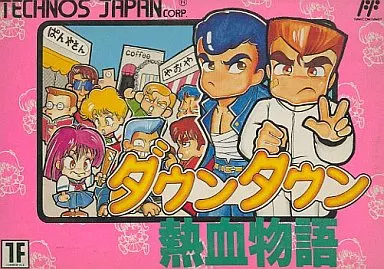
The high point of Technos Japan’s Kunio-kun series. Roaming a town freely and picking fights wherever you wandered was a genuinely novel structure back then. It carries a very specific after-school mood — the kind of game that makes you want to text an old friend about it. Some people call it a spiritual ancestor of Animal Crossing, and honestly, they’re not wrong.
💰 Used market (cart only, rough guide): approx. ¥500–1,500
🔵 Available on Switch / PS4 / Steam (included in a collection)
#8Super Mario Bros. (1985)
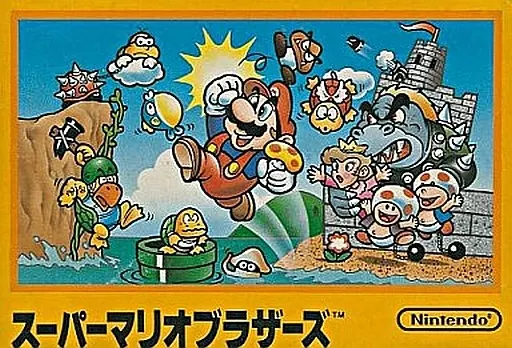
It hardly needs saying: this is one of the most important games ever made. The feel of the jump, the craft in every course, the thrill of stumbling onto a hidden warp — forty years on, World 1-1 is still holy ground for gamers everywhere.
💰 Used market (cart only, rough guide): approx. ¥500–2,000
🟢 Playable on Nintendo Switch Online (from 306 yen/month)
#9Mega Man 3 (1990)
The third entry added the slide and Rush, the robot dog, and the series got noticeably richer for it. Boss order is more freely arranged here than anywhere else in the run, and the balance is widely regarded as the most polished the NES-era games ever achieved.
💰 Used market (cart only, rough guide): approx. ¥2,000–5,000
🔵 Available on Switch / PS4 / Steam (included in a collection)
#10Ice Climber (1984)
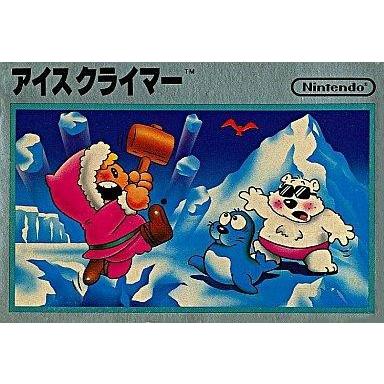
One of Nintendo’s earliest efforts, and the simplicity still shines: smash upward through the ice and reach the summit. The two-player mode is a riot, which is why it holds up as a game to pull out with a sibling or a friend even now.
💰 Used market (cart only, rough guide): approx. ¥200–800
🟢 Playable on Nintendo Switch Online (from 306 yen/month)
#11Super Mario Bros. 2, Japanese version (1986)
The Japanese Mario 2 is the notorious “other” Mario 2 — a remixed, cranked-up take on the original’s course design, released in the West years later as The Lost Levels. Clearing all 20 courses is a badge of honor, and the hidden stages give you a reason to keep digging. It’s still the right game to move on to once you’ve finished the first one.
💰 Used market (cart only, rough guide): approx. ¥300–1,000
#12Captain Tsubasa II: Super Striker (1990, Japan only)
Tecmo’s soccer RPG. You take shots by picking commands from a menu, and every goal plays out as a full animated set piece — it rewired what a soccer game could even be. The story built around the Tsubasa–Misaki–Hyuga rivalry (and friendship) hits surprisingly hard, too.
💰 Used market (cart only, rough guide): approx. ¥500–1,500
🚀 Shoot-‘Em-Ups (8 Titles) — The Age of Wall-to-Wall Bullets
Every game is scored out of 100 across four categories: Accessibility, Difficulty, Depth, and Nostalgia. A higher Difficulty number means a harder game. Nostalgia is a combined measure of sentimental pull, emotional impact, and immersion.
| Title | Accessibility | Difficulty | Depth | Nostalgia | Total Score |
|---|---|---|---|---|---|
| Gradius | 72 | 70 | 78 | 92 | 312 |
| Salamander (Life Force) | 75 | 65 | 75 | 88 | 303 |
| Star Soldier | 78 | 68 | 70 | 82 | 298 |
| Hector ’87 (Starship Hector) | 72 | 75 | 68 | 78 | 293 |
| 1942 | 78 | 68 | 65 | 78 | 289 |
| TwinBee | 82 | 55 | 78 | 85 | 300 |
| Space Harrier | 78 | 60 | 75 | 82 | 295 |
| Battle City | 80 | 55 | 62 | 75 | 272 |
Most Famicom shooters were arcade conversions, and that was the whole pitch: the arcade, in your living room. The best of them are still the games shmup diehards argue about today.
#1Gradius (1986)
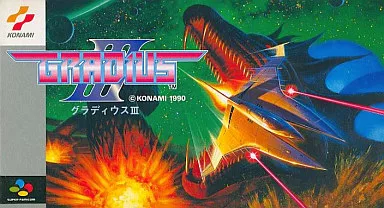
Konami’s cornerstone of the horizontal shooter. Building out the Vic Viper as you go, spending your power meter on exactly the upgrade you want, rewrote the rules for what a shmup could be. The Moai stage, the volcano stage, the organic stage — people are still talking about those set pieces. Mandarake reference buyback price: around 600 yen, which is absurdly cheap for something this good.
💰 Used market (cart only, rough guide): approx. ¥500–1,000
🟢 Nintendo Switch Online 🔵 Also purchasable on Switch / Steam (collection)
#2Salamander (1987)
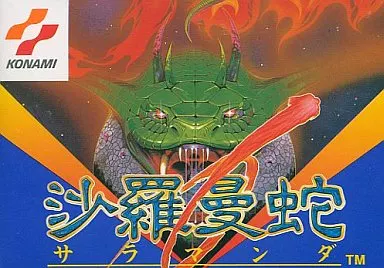
A Gradius spin-off that greedily gives you both horizontal and vertical stages in one package. It’s an arcade conversion, and it supports simultaneous two-player. If you liked Gradius, this one isn’t optional — go play it.
💰 Used market (cart only, rough guide): approx. ¥2,000–5,000
🔵 Available on Switch / PS4 / Steam (included in a collection)
#3Star Soldier (1986)
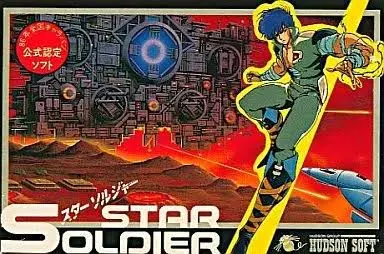
Hudson’s vertical shooter, forever tied to Master Takahashi and his legendary “16 shots per second.” Making it a headline event at the summer Caravan tournaments — Japan’s traveling national competition circuit — turned it into a fixation for an entire generation of kids.
💰 Used market (cart only, rough guide): approx. ¥300–1,000
#4Hector ’87 (1987)
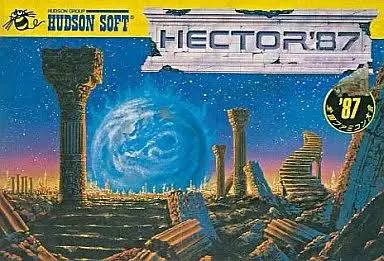
A vertical shooter developed by Hudson, released overseas as Starship Hector. Switching between ground-strike and air-to-air fire is the hook, and the power-up variety keeps it interesting. It’s counted alongside Gradius and Star Soldier as one of the big three Famicom shooters.
💰 Used market (cart only, rough guide): approx. ¥500–2,000
#51942 (1985)
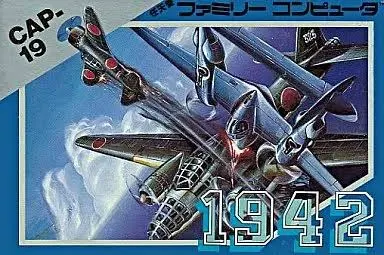
Capcom’s arcade conversion. A vertical shooter modeled on the Pacific theater of World War II, and the loop-the-loop evasive roll feels fantastic every single time you pull it off. Mandarake reference buyback price: 5,000 yen.
💰 Used market (cart only, rough guide): approx. ¥3,000–6,000
#6TwinBee (1985)
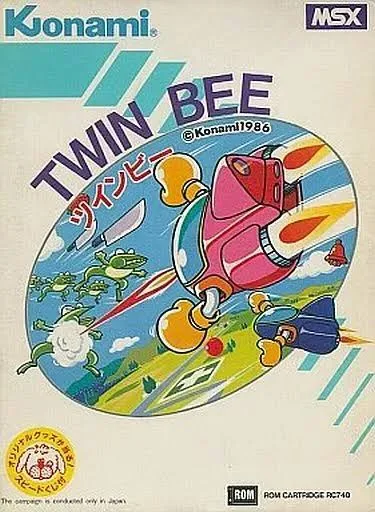
Konami’s pioneer of the cute-’em-up. Shooting clouds to pop out bells, then juggling those bells to bank the power-up you actually want, is a genuinely addictive little system. Two players, side by side, is how this one is meant to be played.
💰 Used market (cart only, rough guide): approx. ¥300–1,000
🟢 Playable on Nintendo Switch Online (from 306 yen/month)
#7Space Harrier (1985, FDS/cartridge versions)
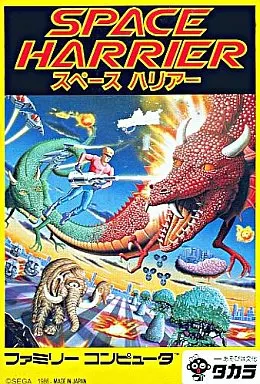
Sega’s arcade hit, squeezed onto the Famicom. Tearing through that vast pseudo-3D space was genuinely shocking at the time. The conversion has obvious limits, but the sheer nerve of attempting it at all is what makes this version worth seeking out.
💰 Used market (cart only, rough guide): approx. ¥500–2,000
#8Battle City (1985)
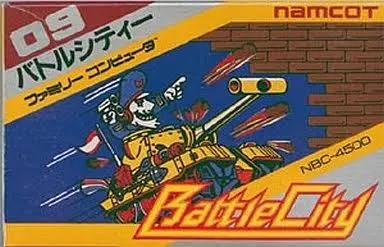
Namco’s tank-based action shooter. Defend your base while blowing up the enemy tanks — that’s the whole rule set, and the co-op is a blast. Getting through all 35 stages is an accomplishment in its own right.
💰 Used market (cart only, rough guide): approx. ¥200–800
🟢 Playable on Nintendo Switch Online (from 306 yen/month)
🗺️ Adventure & Exploration (6 Games) — The Pure Joy of Puzzles and Discovery
Every game is scored out of 100 across four categories: Accessibility, Difficulty, Depth, and Nostalgia. A higher Difficulty number means a harder game. Nostalgia is a combined measure of sentimental pull, emotional impact, and immersion.
| Title | Accessibility | Difficulty | Depth | Nostalgia | Total Score |
|---|---|---|---|---|---|
| The Legend of Zelda | 72 | 68 | 95 | 98 | 333 |
| Zelda II: The Adventure of Link | 58 | 85 | 88 | 88 | 319 |
| Metroid | 65 | 78 | 90 | 92 | 325 |
| Sweet Home | 72 | 68 | 75 | 90 | 305 |
| The Portopia Serial Murder Case | 70 | 60 | 62 | 85 | 277 |
| Famicom Detective Club Part II | 75 | 55 | 68 | 88 | 286 |
No. 1The Legend of Zelda (1986)
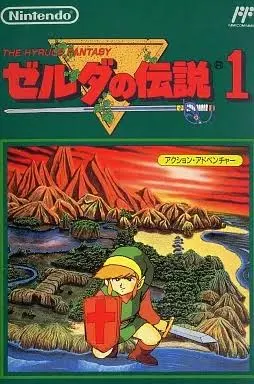
This is the monument that invented the action-adventure genre as we know it. Open-ended exploration, secret doors, bombable walls hiding entire dungeons — this is the game that taught us that “the thrill of finding a place you’ve never been” is the beating heart of the medium. ▶ The Legend of Zelda official site Mandarake reference buyback price: 1,200-5,000 yen (with box, manual, and dungeon map).
💰 Used price (cart only, rough guide): approx. ¥1,200-5,000 (complete-in-box)
🟢 Playable on Nintendo Switch Online (from 306 yen/month)
No. 2Zelda II: The Adventure of Link (1987)
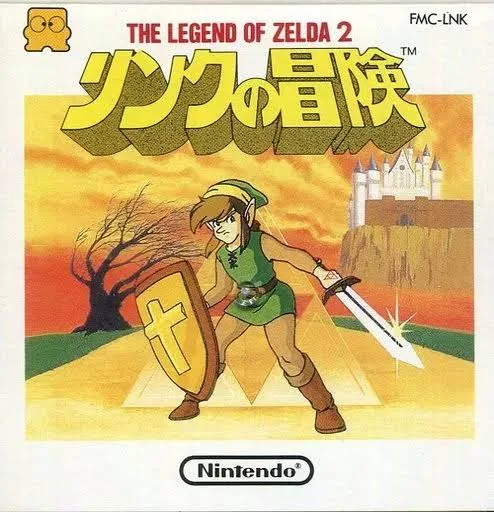
The black sheep of the Zelda family. Its odd hybrid design — side-scrolling combat bolted onto a top-down overworld — left a whole generation of kids scratching their heads. But beat it, and the sense of accomplishment might be the biggest in the entire series.
💰 Used price (cart only, rough guide): approx. ¥500-2,000
🟢 Playable on Nintendo Switch Online (from 306 yen/month)
No. 3Metroid (1986)
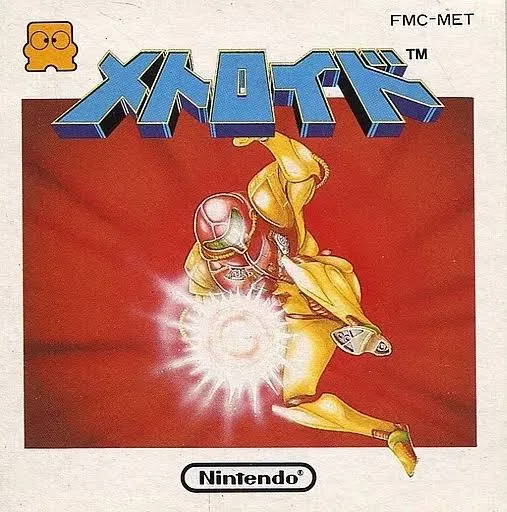
A lonely crawl through an alien fortress, and one of the two games that gave the “Metroidvania” genre its name. The reveal that bounty hunter Samus Aran was a woman under the armor floored absolutely everyone back then. Mandarake reference buyback price: 2,000-5,000 yen (FDS version).
💰 Used price (cart only, rough guide): FDS version approx. ¥2,000-5,000
🟢 Playable on Nintendo Switch Online (from 306 yen/month)
No. 4Sweet Home (1989)
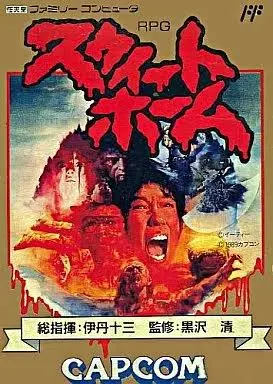
Capcom’s RPG tie-in with the horror film of the same name. Five characters walk into a derelict mansion and have to find their way back out. Permadeath when a character falls, unique tools for every member of the party — this is the game widely credited as the blueprint for the Resident Evil series. Complete copies can command serious collector prices on the used market.
No. 5The Portopia Serial Murder Case (1985)
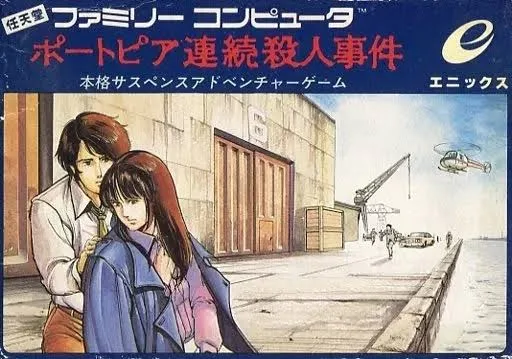
A command-driven adventure adapted from Yuji Horii’s original computer game. The gut-punch twist — “Yasu did it” — is one of the most famous moments in the history of Japanese games. As a distillation of what the text adventure can do, it still holds up.
💰 Used price (cart only, rough guide): approx. ¥300-800
No. 6Famicom Detective Club Part II: The Girl Who Stands Behind (1989)
Nintendo’s mystery adventure for the Famicom Disk System. It splices schoolyard-ghost-story dread into a straight whodunit, and the blend is masterful. For a lot of kids, this was the first proof that a video game could genuinely scare you.
💰 Used price (cart only, rough guide): approx. ¥1,000-5,000 (FDS version)
🟣 Full Switch remake available (released 2021)
⚽ Sports (7 Games) — Rivalries, Shouting Matches, and Muscle Memory
Every game is scored out of 100 across four categories: Accessibility, Difficulty, Depth, and Nostalgia. A higher Difficulty number means a harder game. Nostalgia is a combined measure of sentimental pull, emotional impact, and immersion.
| Title | Accessibility | Difficulty | Depth | Nostalgia | Total Score |
|---|---|---|---|---|---|
| Pro Yakyuu Family Stadium (Famista) | 90 | 52 | 85 | 95 | 322 |
| Mike Tyson’s Punch-Out!! | 82 | 78 | 72 | 92 | 324 |
| Captain Tsubasa | 85 | 58 | 72 | 90 | 305 |
| Tecmo Super Bowl | 82 | 55 | 68 | 85 | 290 |
| Super Dodge Ball | 85 | 50 | 68 | 82 | 285 |
| Derby Stallion | 68 | 50 | 60 | 80 | 258 |
| Family Tennis | 82 | 52 | 62 | 72 | 268 |
No. 1Pro Yakyuu Family Stadium (1986)
Namco’s definitive baseball game, and the one everyone still calls “Famista.” Real player names, and a template that basically defined what a baseball video game is supposed to feel like. This is the game behind that after-school ritual that always started with “okay, who’s batting first?” ▶ Bandai Namco Entertainment official
💰 Used price (cart only, rough guide): approx. ¥200-800
No. 2Mike Tyson’s Punch-Out!! (1987)
The boxing game Nintendo built around a licensing deal with American heavyweight Mike Tyson. It still gets praised as a “fighting puzzle game,” because winning means reading each larger-than-life opponent’s tells and punishing them. The Tyson fight itself is one of the hardest walls ever put in a video game.
💰 Used price (cart only, rough guide): approx. ¥1,000-5,000
No. 3Captain Tsubasa (1988)
Tecmo’s famous pioneer of the soccer RPG. You move up the pitch and resolve every duel through menu commands. The theatrical framing that turned each match into a story became the defining trait of the whole series.
💰 Used price (cart only, rough guide): approx. ¥200-800
No. 4Tecmo Super Bowl (1991)
The gold standard for NFL football at the time. A deep playbook and a level of polish rare for the era, and it’s still spoken about overseas as one of the greatest retro sports games ever made.
💰 Used price (cart only, rough guide): approx. ¥500-2,000
No. 5Super Dodge Ball (1987)
The sports entry in Technos Japan’s Kunio-kun line. The charm is in how gleefully weird it is — a dodgeball game with RPG-style special-move cutscenes. Two-player matches get vicious.
💰 Used price (cart only, rough guide): approx. ¥200-800
No. 6Derby Stallion (1991)
A horse breeding and training simulation. It pulled real pedigree data into the mix and sold players on the deep satisfaction of raising a champion. An absurd number of people became lifelong horse racing fans because of this game.
💰 Used price (cart only, rough guide): approx. ¥500-2,000
No. 7Family Tennis (1988)
Namco’s tennis game. The snappy rhythm of a good rally and a design anyone can pick up with family or friends still hasn’t aged a day. It earns the “Family” in the title.
💰 Used price (cart only, rough guide): approx. ¥200-800
🧩 Puzzle & Tabletop (5 Games) — Put That Brain to Work
Every game is scored out of 100 across four categories: Accessibility, Difficulty, Depth, and Nostalgia. A higher Difficulty number means a harder game. Nostalgia is a combined measure of sentimental pull, emotional impact, and immersion.
| Title | Accessibility | Difficulty | Depth | Nostalgia | Total Score |
|---|---|---|---|---|---|
| Dr. Mario | 85 | 65 | 78 | 88 | 316 |
| Mappy | 80 | 62 | 80 | 85 | 307 |
| Balloon Fight | 82 | 55 | 72 | 80 | 289 |
| Pac-Man | 85 | 58 | 68 | 85 | 296 |
| The Tower of Babel | 70 | 72 | 65 | 72 | 279 |
No. 1Dr. Mario (1990)
Nintendo’s falling-block puzzler, polished to a level that stands beside Tetris — dead simple on the surface, bottomless underneath. Clearing viruses with colored capsules creates a rhythm all its own, nothing like Tetris. Two-player mode is ruthless.
💰 Used price (cart only, rough guide): approx. ¥300-1,000
🟢 Playable on Nintendo Switch Online (from 306 yen/month)
No. 2Mappy (1984)
A port of the Namco arcade hit. You bounce doors into thieving cats in what’s really an action-puzzle game at heart, and that one-of-a-kind design still shines. Complete copies with box and manual have gone for as much as 9,000 yen at Mandarake.
💰 Used price (cart only, rough guide): approx. ¥500-2,000 (up to ¥9,000 complete-in-box)
🟢 Playable on Nintendo Switch Online (from 306 yen/month)
No. 3Balloon Fight (1984)
An aerial brawler built around balloons, developed under Nintendo’s Shigeru Miyamoto. That floaty, momentum-heavy handling is genuinely addictive. The rules are simple enough that anyone can jump in.
💰 Used price (cart only, rough guide): approx. ¥200-800
🟢 Playable on Nintendo Switch Online (from 306 yen/month)
No. 4Pac-Man (1984)
Namco’s arcade emperor makes the jump to the Famicom. Memorize how the four ghosts move, then chase the high score. Mandarake reference buyback price: around 3,200 yen. One of the most recognizable games ever made, anywhere on earth.
💰 Used price (cart only, rough guide): approx. ¥800-3,500
🟢 Playable on Nintendo Switch Online (from 306 yen/month)
No. 5The Tower of Babel (1986)
Namco’s action-puzzler. Its structure — shove blocks around, stack them, and climb toward the top of the tower — left a deep mark on the puzzle games that followed. Solving each floor demands real logical planning, and it rewards you for it.
💰 Used price (cart only, rough guide): approx. ¥500-2,000
🏎️ Other Classics (4 Games)
Every game here is scored out of 100 across four categories: Accessibility, Difficulty, Depth, and Nostalgia. A higher Difficulty number means a harder game. Nostalgia is a composite of memory, emotional punch, and sheer immersion.
| Title | Accessibility | Difficulty | Depth | Nostalgia | Total Score |
|---|---|---|---|---|---|
| Excitebike | 88 | 58 | 68 | 90 | 304 |
| Dig Dug | 85 | 55 | 70 | 88 | 298 |
| Clu Clu Land | 80 | 62 | 65 | 82 | 289 |
| Final Fantasy II | 70 | 72 | 88 | 82 | 312 |
No. 1Excitebike (1984)
Nintendo’s racer, designed by Shigeru Miyamoto. The premise could not be simpler: grab the boost items scattered around the track and push your speed as far as you dare without wiping out. What was genuinely unthinkable for 1984 was the “Design Mode,” which let you build your own courses — an idea decades ahead of its time.
💰 Used price (cart only, rough guide): approx. ¥200–800
🟢 Playable on Nintendo Switch Online (from ¥306/month)
No. 2Dig Dug (1982; Famicom version 1984)
Namco’s arcade hit, brought home. You tunnel through the dirt and take out enemies with an air pump — a design nobody has ever quite duplicated. That satisfying rhythm of inflating a monster until it pops is something my hands still remember.
💰 Used price (cart only, rough guide): approx. ¥200–800
No. 3Clu Clu Land (1984)
Another Miyamoto joint, this one built around momentum and rotation. You swing your character around posts, dodge holes, and collect gold bars — and inside that simplicity is some seriously craftsman-grade game design. It is still playable on Switch Online today.
💰 Used price (cart only, rough guide): approx. ¥200–800
No. 4Final Fantasy II (1988)
The single most experimental entry in the entire series. It threw out levels completely and replaced them with a proficiency system, where stats grow based on what your characters actually do in battle. Tellingly, the deeper someone is into Final Fantasy, the more likely they are to rate II highly.
💰 Used price (cart only, rough guide): approx. ¥1,500–4,000
🔵 Switch / PS4 / Steam (included in the FF Pixel Remaster line)
🔶 Famicom Classics Reborn: Remakes and Remasters (2026 Update)
Out of those 50 classics, here are the major titles that have been remade or remastered for modern hardware in the 2020s. If you want an experience that goes beyond the original cartridge, starting with one of these contemporary versions is a perfectly good call.
Dragon Quest III HD-2D Remake (released November 14, 2024)
| Platforms | Nintendo Switch / PS5 / Xbox Series X|S / Steam (PC) |
| Price | ¥7,678 (tax included, physical edition) |
| Why it matters | A total visual overhaul in the “HD-2D” style (pixel art layered over 3D CG). The original class-change system carries over intact, and there are new story beats and new dungeons on top. |
If you never played the Famicom version, there is no shame in jumping straight into this remake. Honestly, it is the best possible way to experience the origin point of the Japanese RPG at a modern standard.
Dragon Quest I & II HD-2D (released October 30, 2025)
| Platforms | Nintendo Switch / PS5 / Xbox Series X|S / Steam (PC) |
| Games included | Dragon Quest I plus Dragon Quest II: Luminaries of the Legendary Line (two games in one package) |
| Why it matters | Unified with the same HD-2D look as DQ3. You get to survive the notorious road to Rhone in full HD-2D. |
Final Fantasy Pixel Remaster (FF I–VI; Switch and PS4 versions released 2023)
| Platforms | Nintendo Switch / PS4 / Steam (PC) |
| Games included | FF I–VI, each sold individually |
| Why it matters | The beauty of the original pixel art, rebuilt for modern resolutions. Remastered soundtracks supervised by Nobuo Uematsu, plus UI improvements that make everything far easier to play. |
FF I, II, and III — all covered in this article — are available on current hardware through the Pixel Remaster line. If you are finally getting around to the old Final Fantasy games for the first time, this is the door to walk through.
Famicom Detective Club: The Girl Who Stands Behind (Switch version released May 14, 2021)
| Platform | Nintendo Switch |
| List price | ¥3,278 (tax included, digital edition) |
| Why it matters | A ground-up remake with full voice acting and full animation. Its predecessor, The Missing Heir, launched the same day. It stays faithful to the original scenario while bringing it back to life with modern presentation — a genuine gem. |
The Full List: All 50 Famicom Classics at a Glance
| Genre | Title | Year | Publisher |
|---|---|---|---|
| RPG | Dragon Quest III | 1988 | Enix |
| RPG | Dragon Quest IV | 1990 | Enix |
| RPG | Final Fantasy III | 1990 | Square |
| RPG | Mother (EarthBound Beginnings) | 1989 | Nintendo |
| RPG | Fire Emblem: Shadow Dragon and the Blade of Light | 1990 | Nintendo |
| RPG | Megami Tensei II (Digital Devil Story: Megami Tensei II) | 1990 | Namco |
| RPG | Metal Max | 1991 | Data East |
| RPG | Dragon Quest II | 1987 | Enix |
| RPG | Final Fantasy I | 1987 | Square |
| RPG | Lagrange Point | 1991 | Konami |
| Action | Super Mario Bros. 3 | 1988 | Nintendo |
| Action | Castlevania | 1986 | Konami |
| Action | Mega Man 2 | 1988 | Capcom |
| Action | Ghosts ’n Goblins | 1986 | Capcom |
| Action | Ninja Gaiden | 1988 | Tecmo |
| Action | Contra | 1988 | Konami |
| Action | River City Ransom | 1989 | Technos Japan |
| Action | Super Mario Bros. | 1985 | Nintendo |
| Action | Mega Man 3 | 1990 | Capcom |
| Action | Ice Climber | 1984 | Nintendo |
| Action | Super Mario Bros. 2 (The Lost Levels) | 1986 | Nintendo |
| Action | Captain Tsubasa II | 1990 | Tecmo |
| Shooter | Gradius | 1986 | Konami |
| Shooter | Salamander (Life Force) | 1987 | Konami |
| Shooter | Star Soldier | 1986 | Hudson |
| Shooter | Hector ’87 (Starship Hector) | 1987 | Hudson |
| Shooter | 1942 | 1985 | Capcom |
| Shooter | TwinBee | 1985 | Konami |
| Shooter | Space Harrier | 1985 | Sega |
| Shooter | Battle City | 1985 | Namco |
| Adventure | The Legend of Zelda | 1986 | Nintendo |
| Adventure | Zelda II: The Adventure of Link | 1987 | Nintendo |
| Adventure | Metroid | 1986 | Nintendo |
| Adventure | Sweet Home | 1989 | Capcom |
| Adventure | The Portopia Serial Murder Case | 1985 | Enix |
| Adventure | Famicom Detective Club Part II | 1989 | Nintendo |
| Sports | Pro Yakyuu Family Stadium (R.B.I. Baseball) | 1986 | Namco |
| Sports | Mike Tyson’s Punch-Out!! | 1987 | Nintendo |
| Sports | Captain Tsubasa | 1988 | Tecmo |
| Sports | Tecmo Super Bowl | 1991 | Tecmo |
| Sports | Super Dodge Ball | 1987 | Technos Japan |
| Sports | Derby Stallion | 1991 | ASCII |
| Sports | Family Tennis | 1988 | Namco |
| Puzzle | Dr. Mario | 1990 | Nintendo |
| Puzzle | Mappy | 1984 | Namco |
| Puzzle | Balloon Fight | 1984 | Nintendo |
| Puzzle | Pac-Man | 1984 | Namco |
| Puzzle | Babel no Tou (The Tower of Babel) | 1986 | Namco |
| Other | Excitebike | 1984 | Nintendo |
| Other | Dig Dug | 1984 | Namco |
| Other | Clu Clu Land | 1984 | Nintendo |
| RPG | Final Fantasy II | 1988 | Square |
Enjoying this article? Add us as a preferred source on Google.
✅ The SpotGeeks Verdict
Picking these 50 drove home something I had half-forgotten: an enormous number of Famicom games didn’t just play in a genre, they invented its blueprint. Dragon Quest and Final Fantasy for RPGs. Mario and Mega Man for action. Gradius for shooters. The only reason those series are still running today is that the originals were built that well from the start.
Track down used carts and play them on real hardware, or just fire them up on Nintendo Switch Online — either path is valid. If you are buying your very first one, I will push you hard toward Super Mario Bros. 3 or Dragon Quest III. Grab both and you are still looking at somewhere between a few hundred yen and ¥2,000 on the used market. That this much greatness costs this little is something to be grateful for. Go play them.
And if the titles carrying premium price tags have caught your eye, pair this with our ranking of the best retro mini consoles, where we also compare values based on Mandarake’s buyback prices.
Read Next
Snicker Kitamura
Leave a Reply