



Enjoying this article? Add us as a preferred source on Google.
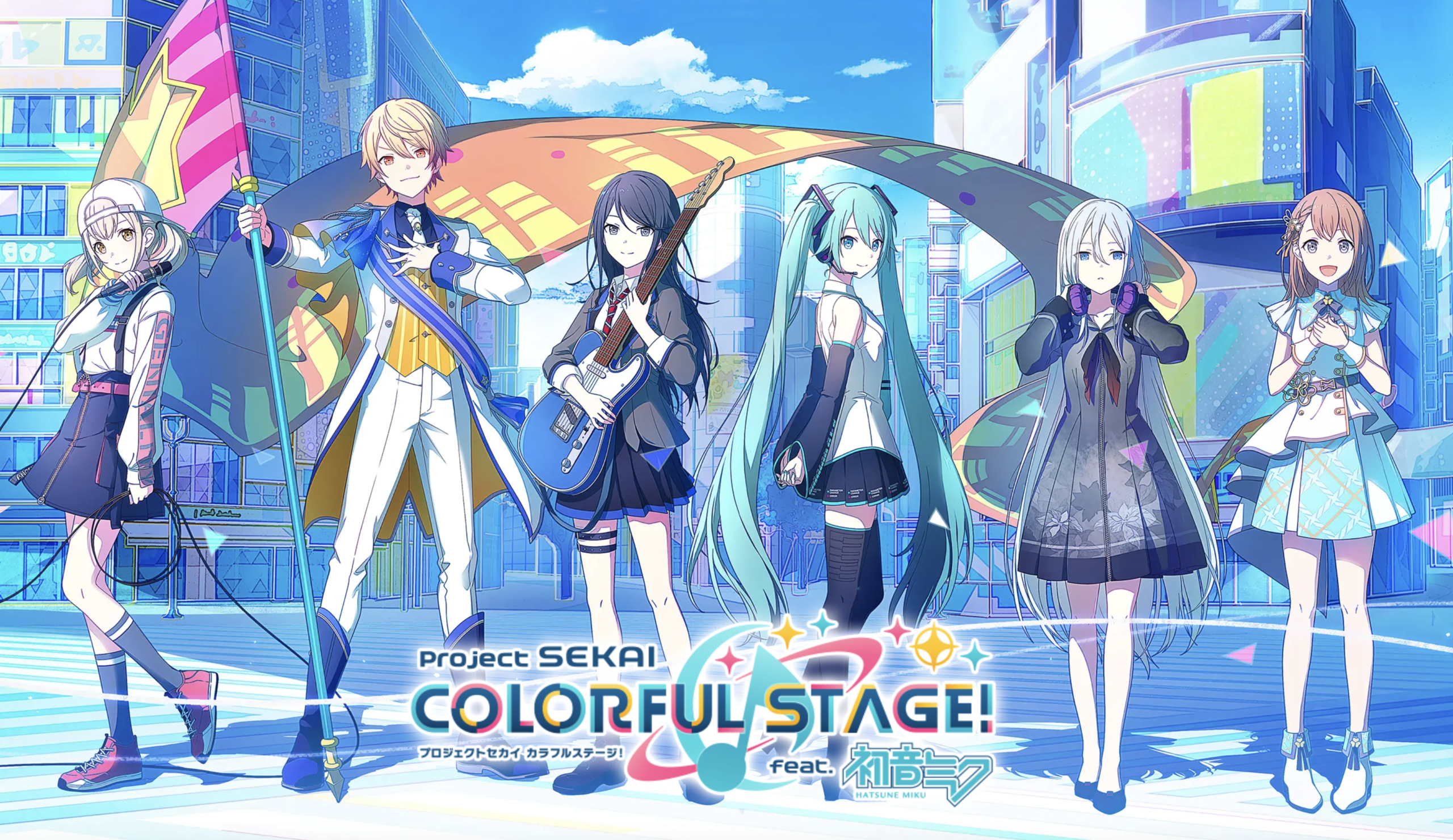
The main stories for every unit in Hatsune Miku: Colorful Stage! — known in Japan as Project Sekai Colorful Stage! feat. Hatsune Miku — will reach a conclusion, targeted for early 2028. The news came during the official livestream “Project Sekai Broadcasting Station 6th Anniversary Special,” which aired September 24.
The story itself isn’t ending, though. Once the main story concludes, the narrative continues along two tracks: “After Stories” and “Another Stories.” So this isn’t a shutdown notice. It’s a preview of how a chapter closes. Confuse those two and the entire read falls apart.
Dropping this at the six-year mark carries weight. When a mobile game reaches for the word “conclusion” on its own initiative, there are only two explanations: a service shutdown looming, or a deliberate decision to rebuild the narrative structure. For Project Sekai, it’s unambiguously the latter. The same stream also confirmed 12 new songs arriving between September 30 and October 11 — there is zero sign of the content pipeline slowing down.
Six years on from the September 30, 2020 launch. A team willing to commit to “folding up” its main story is a genuine rarity among Japan’s mobile rhythm games.
When does Project Sekai’s main story conclude?
The main stories for each unit will conclude, targeted for early 2028.
The qualifier matters: this is a conclusion, not a stopping point. Story development carries on afterward, handed off to two tracks — After Stories and Another Stories. All that ends is the main-story container in its current form.
Flip that around and it means every unit’s main arc lands before the start of 2028. Leo/need, MORE MORE JUMP!, Vivid BAD SQUAD, Wonderlands×Showtime, Nightcord at 25:00 — each one gets a resolution placed on the problems it has been carrying, one after another. For players who’ve followed this for years, the next year and change is the main event.
What will the “After Stories” actually depict?
The After Stories sit on the direct continuation of the story so far, following each unit as its characters move toward advancing a grade and graduating.
The moment the words “grade advancement” and “graduation” came from official channels, time in Project Sekai was confirmed to be moving. In any school-set property, the biggest forbidden move is letting time advance. Push the grades up and eventually everybody graduates. The team walked into that knowing it, which means they’ve made their peace with it.
That design runs head-on into the standard mobile-game playbook of operating characters as a perpetual motion machine frozen in place. But what Project Sekai has spent six years building is the growth of high schoolers wrestling with true-to-life problems. A work about growth that keeps time stopped forever eventually becomes a lie. Reading the early-2028 conclusion as a decision to avoid that lie is the only interpretation that fits.
…Picturing a future where my favorites graduate honestly stopped my breath for a second. Wasn’t the whole point of 2D that nothing changes and you’re safe? Seriously.
“Another Stories” dig into the underside of the narrative
The Another Stories are planned to depict the underside of the story told so far, along with events that occurred in the gaps between individual episodes.
This one expands without moving the timeline forward. Because the structure fills in the spaces between existing episodes, it also works as an entry point for new players. For a work with six years of accumulation behind it, choosing to dig into the past is asset reuse in its purest form.
Move into the future with After, dig into the past with Another. That’s the reason for splitting into two tracks. With only one of them, every past episode would feel impossibly distant the instant time started moving. There’s no other word for it: the structure is smart.
What’s coming for the 6th anniversary? 12 songs and an original from Tatsuya Kitani
Twelve songs arrive between September 30 and October 11.
Among them, September 30 brings “Emerald,” an original track written for the game by Tatsuya Kitani. Project Sekai’s commissioned-song slot has taken over the conversation every single time it appears, and placing this one on day one of the anniversary is an aggressive play.
Scattering 12 songs across 12 days is an unusual density even by anniversary-event standards. Pairing a heavy announcement like “the main story is wrapping up” with that kind of volume in the same livestream has to be deliberate. What’s being folded up is only the narrative container; the content is not easing off — and they’re proving it with numbers.
Enjoying this article? Add us as a preferred source on Google.
Summary: Project Sekai isn’t ending — it’s folding up and rebuilding
Here’s the full breakdown of the announcement.
| Item | Details |
|---|---|
| Where it was announced | “Project Sekai Broadcasting Station 6th Anniversary Special,” streamed September 24 |
| Conclusion timing | Each unit’s main story concludes, targeted for early 2028 |
| What follows the conclusion | After Stories (a continuation heading toward grade advancement and graduation) / Another Stories (the story’s underside and the gaps between episodes) |
| New songs | 12 tracks between September 30 and October 11 |
| Original track | Tatsuya Kitani’s “Emerald” (September 30) |
None of this has anything to do with a service shutdown. That the word “conclusion” still shook up timelines anyway is proof of how deeply Project Sekai’s main story had worked its way into players’ daily lives.
A mobile game declaring that it will conclude its story is close to a gamble. It takes on the risk that people walk away once the book closes. Rolling that out at the six-year mark, and pairing it with the sheer volume of 12 new songs, is a seriously shrewd bit of staging. The two-track design — advance time in After, excavate the past in Another — amounts to a practical answer for keeping the assets in circulation without freezing the characters. The question is how seriously “graduation” gets depicted. Hedge on that and this announcement loses all its meaning.
To keep it from ending, end it once. In year six, Project Sekai made its hardest call yet.
Read Next

Nokko Oda






Leave a Reply