





Enjoying this article? Add us as a preferred source on Google.
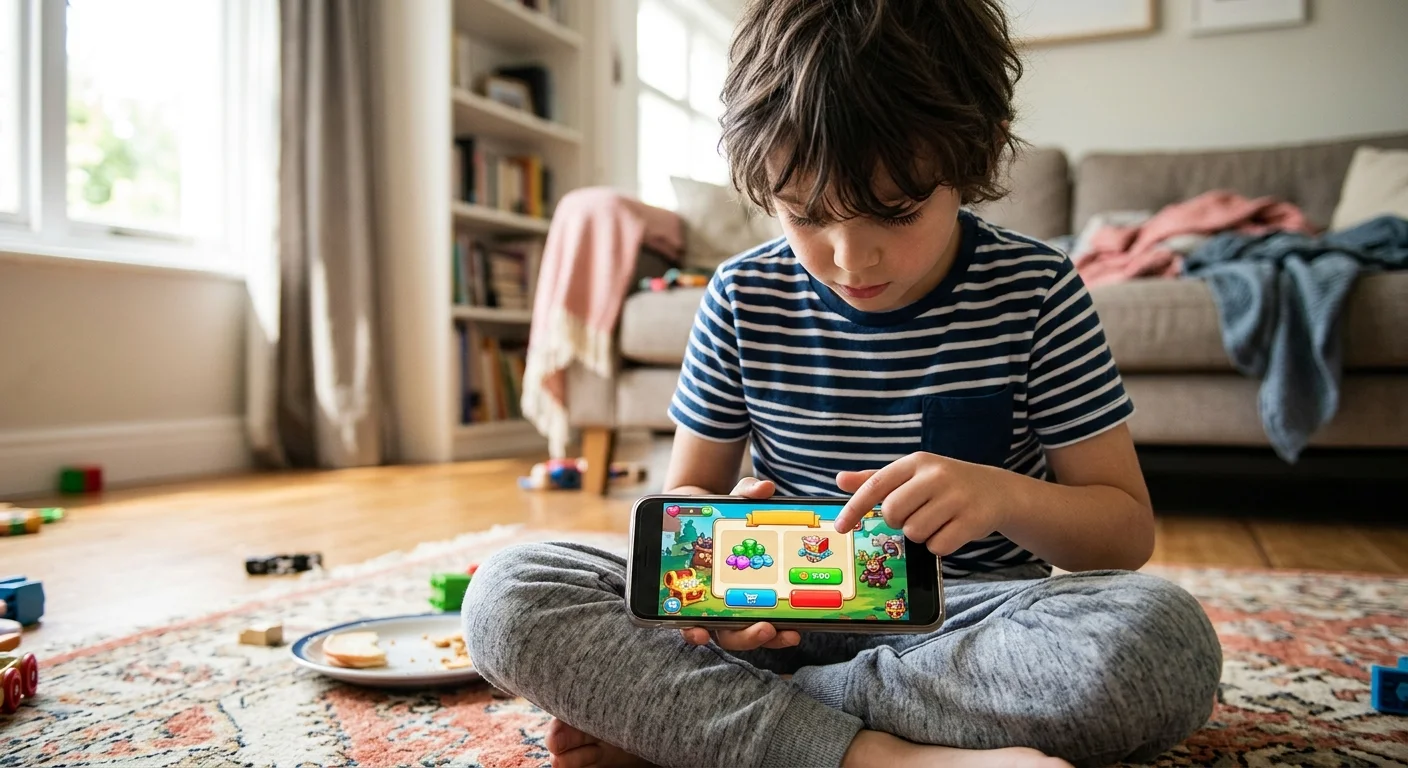
PEGI, Europe’s game ratings body, is raising the age ratings on games that are already on sale. The targets are digital-only games currently classified PEGI 3, 7, or 12 that include paid random items such as loot boxes. Those will be updated to PEGI 16 with a “Paid random items” descriptor attached.
The updates begin in October 2026 and will roll out across every storefront that uses PEGI ratings. The process is expected to take a while to finish, and publishers will need to correct the listings on their store pages and bring future marketing materials in line with the new ratings.
Put plainly: a free-to-play title that has sat on the shelf as “suitable for everyone” for years will suddenly move to the 16-and-up shelf one day. And not a single line of the game will have changed. So what’s PEGI’s reasoning behind a move that looks this blunt?
The short answer is that this is retroactive application of the new criteria PEGI introduced in June 2026. When the standard changes but the old labels stay put, two games with identical content end up carrying different age markings depending on how they were filed. Flattening that distortion is the whole point of this update.
What actually changes in PEGI’s ratings update?
Digital-only games containing paid random items move up from PEGI 3, 7, or 12 to PEGI 16, with a “Paid random items” descriptor added.
The crucial thing here is that the bump has nothing to do with violence or sexual content. What’s being assessed is the monetization mechanic itself. In June 2026, PEGI introduced several new classification categories built around “interactive risks,” and every title submitted since then has been classified under a broader standard that weighs both content and functionality — in-game purchases, paid random items, communication features, and mechanics designed to keep players coming back.
| Item | Details |
|---|---|
| Scope | PEGI 3 / 7 / 12 digital-only games that contain paid random items |
| After the update | PEGI 16 plus the “Paid random items” descriptor |
| Start | Rolling out from October 2026 (completion will take time) |
| Coverage | Every storefront that uses PEGI ratings |
| New criteria introduced | June 2026. Classification overhauled to assess both content and functionality |
| What publishers must do | Update store pages and refresh future marketing materials |
Laid out in a table, what’s happening is simple. They built a new ruler, so they’re re-measuring the old results. That’s it.
Why is PEGI re-measuring games that are already out?
Because online games stay on sale and in active operation for years, and over time the ratings stop being consistent with one another. PEGI director Dirk Bosmans has spelled out the reasoning.
Online games can remain available and updated for a very long period of time. To avoid that our age ratings over time become inconsistent, we decided to perform this update
Source:PEGI
He goes on to say that the update means older games will reflect PEGI’s current standards if they remain popular into the future. It’s an answer to a structural problem: the longer a title lives, the longer it hangs onto an outdated label.
Personally, I think this is a fairly honest call. If PEGI had written new criteria and applied them only to titles submitted from that point forward, the workload on their end would have been light. But do that and a free-to-play game that’s been running for a decade stays PEGI 3 forever. For a parent who trusts the age marking on the shelf before handing a game to their kid, that’s an unacceptable outcome. Although, as someone who used to pour money into old mobile games, having them abruptly relocated to the 16-and-up shelf is a little awkward.
What does this mean for players in Japan?
PEGI is a European ratings body, operating separately from CERO, which handles ratings in Japan. This update applies to storefronts that use PEGI ratings, so domestic age classifications in Japan won’t shift in lockstep with it.
That said, I don’t expect the impact to be exactly zero. For titles that become PEGI 16 in Europe, store search filters and age-gate behavior will change. And where operators use the same assets globally, players in Japan will see the ratings displayed on trailers and banners swapped out too.
The other thing worth sitting with is the wording of the descriptor. “Paid random items” now functions as a warning label sitting in the same row as violence and fear. The fact that we’ve entered an era where gacha mechanics get flagged the same way as content-based risks is worth recording in the history of game ratings.
Enjoying this article? Add us as a preferred source on Google.
How should we read this update?
To recap: digital-only games rated PEGI 3, 7, or 12 that contain paid random items are being updated to PEGI 16 with a descriptor attached. It starts in October 2026, applies to every storefront using PEGI ratings, and will take time to complete. Publishers need to bring their store pages and future marketing materials in line with the new ratings.
The upside is that the gap between the standard and the label gets closed. The downside is that because the update is rolling, there will be a stretch where comparable titles sit side by side at PEGI 12 and PEGI 16. During that transition, store listings get harder to take at face value.
Raising a rating without touching a line of the game looks, at first glance, like moving the goalposts after the fact. But what PEGI is re-measuring isn’t content, it’s monetization, and all it has done is apply its June 2026 criteria to the back catalog. Credit where it’s due: the body refused to leave the “the longer a game stays on sale, the longer it keeps its outdated label” problem alone.
Gacha is now a warning label sitting in the same row as violent content. That’s not a small story.
Read Next
Nokko Oda









Leave a Reply