
Enjoying this article? Add us as a preferred source on Google.
“Tengai Makyou II,” “Ys I & II,” “Castlevania: Rondo of Blood” — if just hearing those names makes your chest tighten a little, you’re not alone. The PC Engine, launched in 1987 as a joint venture between NEC Home Electronics and Hudson Soft (and known in the West as the TurboGrafx-16), was a genuine revolution: the first home console with a CD-ROM drive, 16-bit-class graphics muscle, and fully voiced games starring big-name voice actors. It flipped the entire game industry on its head.
In an era when the Famicom ruled everything, the PC Engine planted flag after flag in shooters, RPGs, and adventure games. Across its full library of 658 titles, there are games I can still look you in the eye and call masterpieces today.
In this article, I’ve drawn on decades of loving this machine to hand-pick and rank the 50 games that are genuinely worth your time. Shooters, action, RPGs, adventures — every genre is covered, and whether you’re a newcomer or a veteran, there’s a game in here with your name on it.
- [TOP 10] The 10 PC Engine classics you absolutely must play
- Shooter division: bullet-storm brilliance in every direction
- Action division: old-school challenge meets a graphical leap
- RPG & adventure division: the emotional epics born from CD storage
- Can you play these 50 PC Engine classics on modern hardware? The complete guide
I’ll also give you the full rundown on the PC Engine mini, original hardware, and emulators at the end. Whether you’re chasing the games of your childhood or touching a PC Engine for the very first time, read on to the end.
What Was the PC Engine, Anyway? — The Revolutionary Machine of Retro Gaming History
The PC Engine arrived on October 30, 1987. The home console market at the time was essentially a Famicom monopoly, but the PC Engine paired an 8-bit CPU with 16-bit-class graphics processing in a unique architecture that ran rings around Nintendo’s machine visually.
Then in 1988 came the world’s first home console CD-ROM system: the CD-ROM² drive. That one revolution poured voice acting, animation, and full orchestral soundtracks into games — and the player experience shifted into a completely different dimension.
📖 PC Engine Basic Specs
CPU: HuC6280 (8-bit, 7.16MHz) / Graphics: 16-bit-class HuC6270 / Launch: October 30, 1987 / Total library: 658 titles / Media: HuCARD, CD-ROM², SUPER CD-ROM², Arcade Card, and more
Top-tier publishers — Hudson, Konami, Namco, Irem — all rallied around the machine, delivering high-quality arcade ports, original epics, and gorgeous anime cutscenes. Experience after experience emerged that you simply couldn’t get anywhere else.
[No. 1–10] The Absolute Must-Play PC Engine Classics: The TOP 10
No. 1: Tengai Makyou II: Manji Maru (1992 / Hudson)
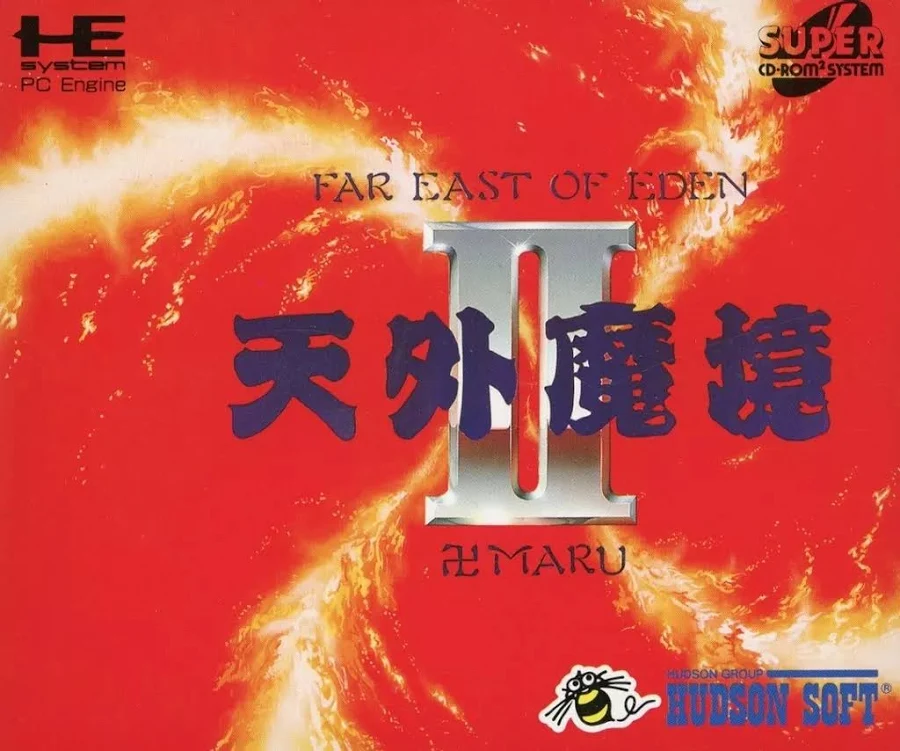
Ask fans to name the single greatest PC Engine game, and this is the answer you’ll hear most often. Set in “Jipang,” a fantasy vision of Warring States-era Japan, this RPG (part of the Far East of Eden series) follows Manjimaru Amano, a hero blessed by the Fire Bird, as he battles the sinister Root Clan.
Fully voiced anime cutscenes, a story event every thirty minutes, and a staggering runtime of over 60 hours — the fact that all of this existed in 1992 is astonishing even now. The soundtrack, composed by Ryuichi Sakamoto, hasn’t aged a day. This is the game that defines the PC Engine, and the summit of the Japanese-style RPG.
No. 2: Ys I & II (1989 / Hudson)
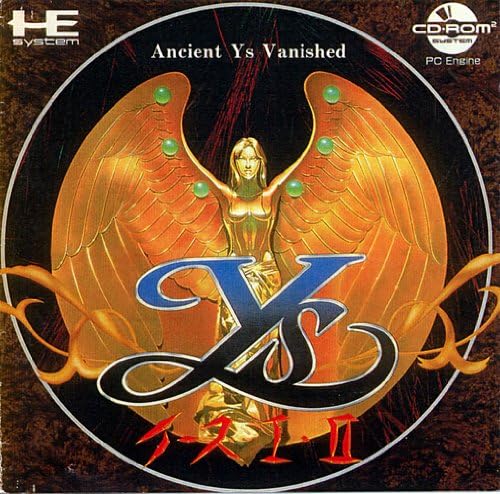
The legendary action RPG that showed the world what CD-ROM² could do. A port of Falcom’s PC-8801 classic “Ys” rebuilt for CD-ROM, it floored players of the era with a fully rearranged soundtrack, fully voiced event scenes, and a dramatic animated opening.
The anguished cry of “Feena!!” in the final scene is a moment so famous that virtually every retro gaming fan knows it. Plenty of people can still be moved to tears by the soundtrack alone. You cannot tell the story of CD-ROM² without this historic masterpiece.
No. 3: Castlevania: Rondo of Blood (1993 / Konami)
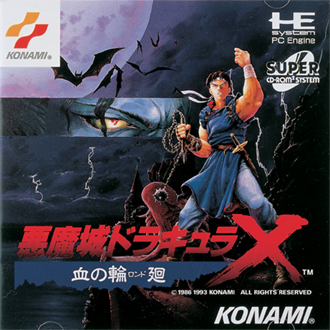
Konami threw everything it had at this one — the pinnacle of PC Engine action games. Its pixel art was said to outclass even the Super Famicom, and its fully voiced story sequences, branching stage routes, and best-in-class music hit you as a perfect three-piece combo.
Richter Belmont’s whip work and the decadent atmosphere of Dracula’s castle mesh flawlessly. It later received a follow-up and remaster on PSP as “Castlevania: The Dracula X Chronicles.” This is the absolute peak of action gaming on the PC Engine.
No. 4: Snatcher (1992 / Konami)
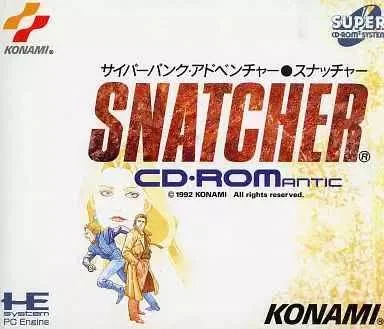
A cyberpunk adventure directed by Hideo Kojima. Set in “Neo Kobe City,” it follows detective Gillian Seed as he hunts “Snatchers” — insidious androids that kill humans and take their place.
A world dripping with Blade Runner homages, fully voiced dialogue, and a mystery plot that grabs you by the collar. As an adventure game its craftsmanship is almost unfairly high — so polished you’d never guess it came out of the early ’90s. It’s the origin point of Kojima’s game design, and one of his finest works, full stop.
No. 5: Tokimeki Memorial (1994 / Konami)
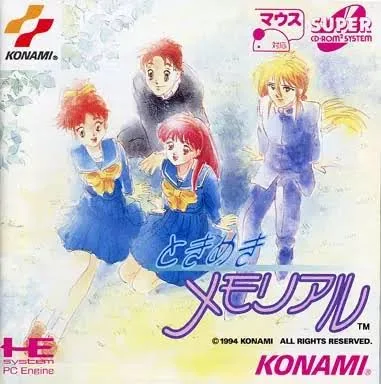
The legendary title that single-handedly established the dating sim genre. A pioneering romance simulation adventure spanning three years of high school, in which you build yourself up in hopes of receiving a confession of love from Shiori Fujisaki.
The PC Engine version ran on SUPER CD-ROM² with full voice acting, and the impact at the time was on another level. With Konami’s all-star voice cast and meticulous stat-management gameplay fused into one package, it’s still talked about to this day.
No. 6: Ys IV: The Dawn of Ys (1993 / Hudson)
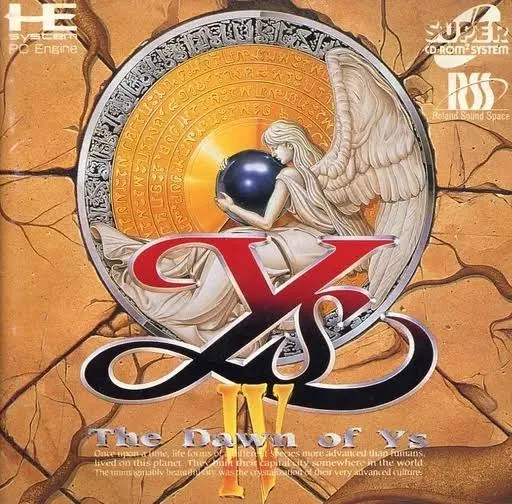
An original action RPG positioned as the grand finale of Ys on the PC Engine. Chronicling the adventures of a young Adol Christin, it won legions of fans with a scope and soundtrack quality that surpassed its predecessor.
The dreamlike world of the “Forest of Celceta,” a combat system with real velocity to it, and a tear-jerking finale — it fires on all three cylinders. If you ask me which PC Engine Ys is the best, this is the one.
No. 7: Gradius II GOD OF WAR (1992 / Konami)
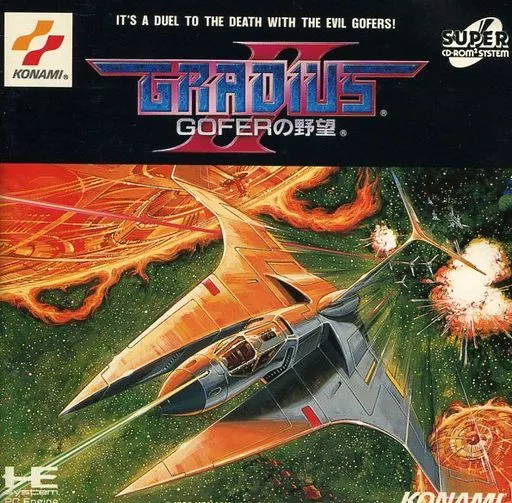
A near-perfect home port of the arcade Gradius II, and a shooter for the ages. The death struggle against the Bacterian forces, the selectable power-up system, the gorgeously designed bosses — every element is first class.
Fans still call the PC Engine version a “miracle port” for its accuracy, and many will tell you the arranged soundtrack actually beats the original. It’s the perfect symbol of the honeymoon between Konami and the PC Engine.
No. 8: Tengai Makyou: Ziria (1989 / Hudson)
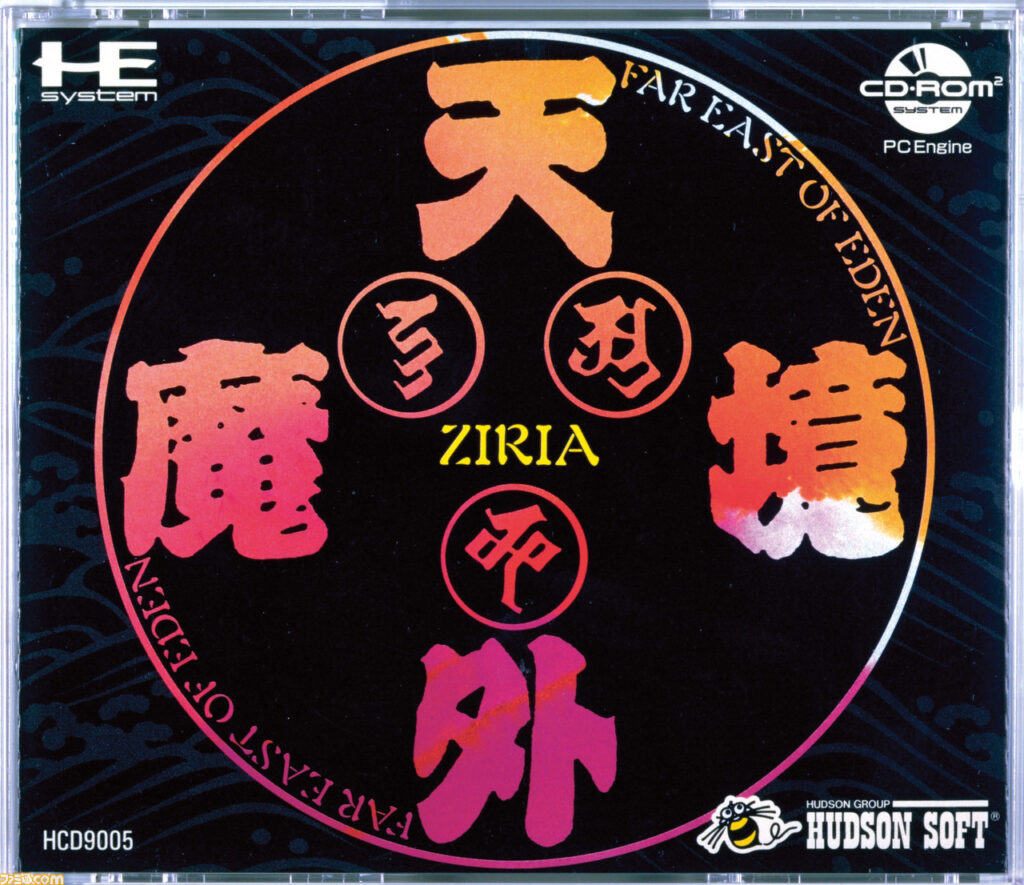
The trailblazer of CD-ROM² software, and the foundation stone of the Japanese-style fantasy RPG. Delivering a voiced animated opening, CD-quality music, and fully voiced events in 1989 was nothing short of shocking at the time.
Viewed today it feels like a warm-up act for Tengai Makyou II, but its influence on the history of Japanese RPGs is impossible to overstate. This is the historic title where, I’d argue flatly, Japanese RPGs changed forever.
No. 9: Linda³ (Linda Cube) (1995 / Alfa System)
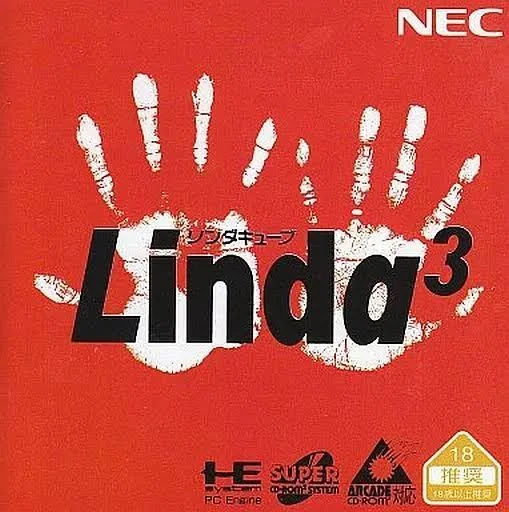
A shockwave of a dark fantasy RPG from NEC. Built around the unique premise of capturing animals to load onto a Noah’s Ark, it fuses that hook with raw violence and psychologically twisted human drama — a mature-audiences oddity of the highest order.
Born from the unlikely pairing of director Shoji Masuda and character designer Jun Suemi, it has been passed down for years as “the dangerous masterpiece.” Its transgressive, “wait, is a game allowed to do this?” imagery is still burned into players’ memories.
No. 10: Jaseiken Necromancer (1988 / Hudson)
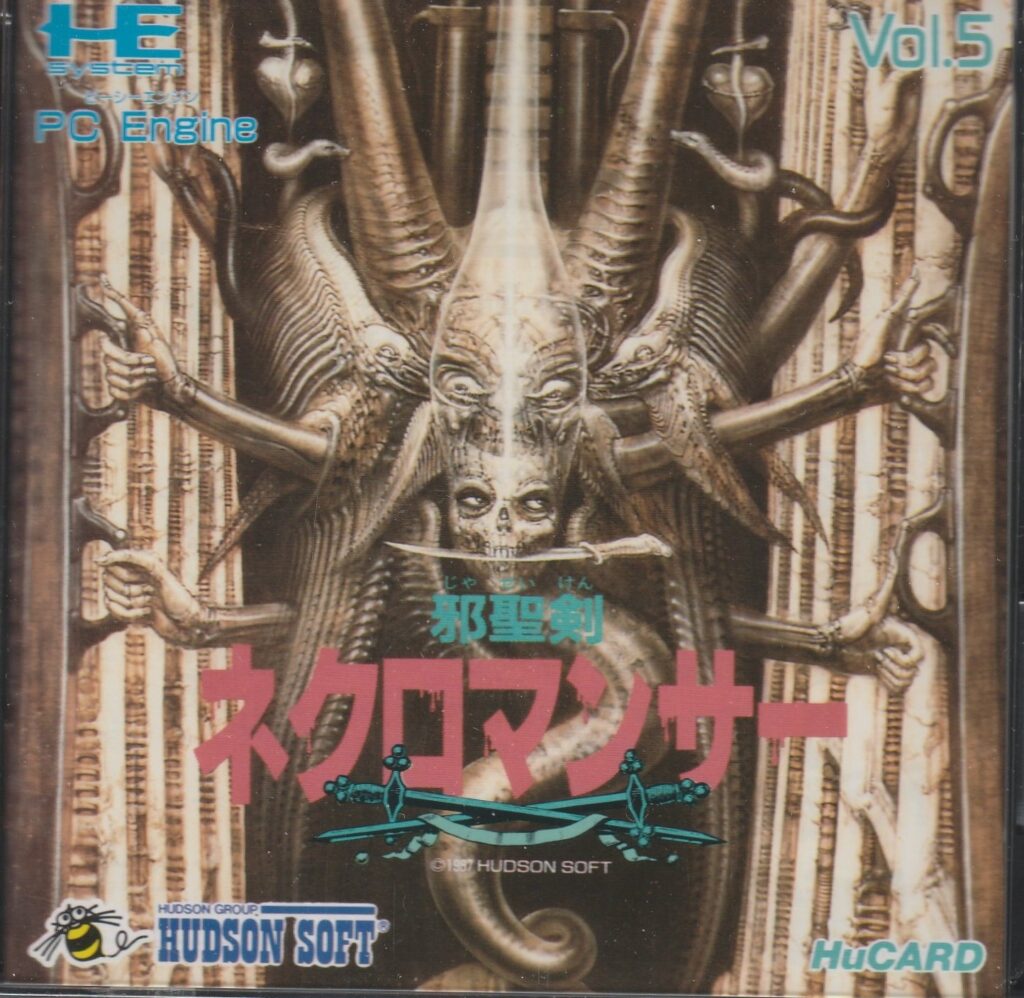
The very first CD-ROM² title, and the first fully voiced RPG on any home console. A dark fantasy RPG pitting you against the evil sorcerer Necromancer, its CD-powered soundtrack and voice work are still remembered as one of the great shocks of the era.
[No. 11–20] Shooter Division: The Bullet-Storm Masterpieces the PC Engine Was Famous For
The PC Engine was a treasure trove of shooters. Multi-layered parallax scrolling powered by the hardware’s graphics muscle and screens packed wall-to-wall with sprites had the gamers of the day in a frenzy.
| Rank | Title | Year | Highlights |
|---|---|---|---|
| No. 11 | R-Type I & II | 1988 | A near-perfect port of arcade R-Type. The looming menace of the giant warship Dobkeratops is the stuff of legend |
| No. 12 | Cho Aniki (1992) | 1992 | The one and only shooter where impossibly muscled men lay down curtains of fire. A stone-cold cult favorite |
| No. 13 | Super Star Soldier | 1990 | The benchmark for PC Engine shooters. Impeccable balance of exhilaration and difficulty |
| No. 14 | Winds of Thunder | 1993 | Weighty, muscular graphics and a heavy metal soundtrack. A supremely polished horizontal shooter for those in the know |
| No. 15 | Gunhed | 1989 | A vertical shooter tied to the film “GUNHED” that stands tall as a game in its own right |
| No. 16 | Soldier Blade | 1992 | The textbook orthodox vertical shooter. A straight-A masterpiece that nails both speed and exhilaration |
| No. 17 | Super Darius | 1990 | A full port of arcade Darius with CD audio. The sea-creature bosses make a massive impression |
| No. 18 | Dragon Spirit | 1988 | You play as a dragon. Power-ups grow you extra heads until you’re basically King Ghidorah — a shooter with romance in its soul |
| No. 19 | Star Parodier | 1992 | The evolved descendant of Star Force. A vertical shooter classic also included on the PC Engine mini |
| No. 20 | Sylphia | 1993 | A vertical shooter with strikingly dimensional background art and wonderfully weird enemy designs |
On R-Type, the King of the Genre
R-Type I & II at No. 11 is the game that announced the PC Engine’s technical prowess to the world — a near-perfect arcade port pulled off in 1988, of all years. The organic, pixel-drawn horror of the giant “Bydo Organ” boss stunned players and proved once and for all that this machine was no Famicom. A true classic.
[No. 21–35] Action Division: Old-School Challenge Meets a Graphical Leap
| Rank | Title | Year | Genre & Highlights |
|---|---|---|---|
| No. 21 | Ghouls ‘n Ghosts | 1990 | SuperGrafx exclusive. A brutally hard arcade port that pushed the hardware to its absolute limit |
| No. 22 | Youkai Douchuuki | 1988 | Namco’s Japanese-folklore side-scroller. Its inventive tour-of-hell world is beloved to this day |
| No. 23 | Genpei Toumaden | 1990 | A port of Namco’s Japanese-style action game that mixes side-view, top-down, and big-sprite stage types |
| No. 24 | Splatterhouse | 1990 | Horror side-scrolling action. Its gore was shocking for the era. Also included on the PC Engine mini |
| No. 25 | PC Genjin (Bonk’s Adventure) | 1989 | The mascot side-scroller that came to symbolize the PC Engine. Tough as nails, and just as addictive |
| No. 26 | Kato-chan & Ken-chan | 1987 | A gag action game starring comedians Cha Kato and Ken Shimura. The fart attacks alone make it a licensed-game classic |
| No. 27 | Bravoman | 1990 | Namco’s comedic side-scroller. Stretching arms and legs make for gloriously absurd action |
| No. 28 | Kiki Kaikai | 1990 | Top-down action starring shrine maiden Sayo-chan busting yokai. A perfect blend of Japanese flavor and pure action |
| No. 29 | Ninja Spirit | 1988 | A port of the arcade ninja action game. Filling the screen with shadow-clone ninjutsu never stops feeling great |
| No. 30 | Bikkuriman World | 1987 | An action game that carried the PC Engine’s early days. A fine licensed reskin of Wonder Boy |
| No. 31 | The Kung Fu | 1987 | Big-sprite action from Hudson. Characters this huge moving this smoothly was jaw-dropping for the time |
| No. 32 | Seirei Senshi Spriggan | 1991 | A vertical shooter built around combining four elemental spirit orbs. Flashy effects and a world all its own |
| No. 33 | Fantasy Zone | 1988 | Sega’s classic horizontal shooter ported to the PC Engine. Adorable graphics hiding a spine of pure challenge |
| No. 34 | Bomberman ’93 | 1992 | Bomberman perfected, with five-player simultaneous battles. The mind games of bombs and blast radii still hold up |
| No. 35 | Bomberman ’94 | 1993 | The evolved Bomberman with rideable companions. Included on the PC Engine mini, so you can play it today |
[No. 36–50] RPG, Adventure & More: The Emotional Epics Born from CD Storage
| Rank | Title | Year | Genre & Highlights |
|---|---|---|---|
| No. 36 | Neutopia | 1989 | A fine action RPG often called “the PC Engine’s Zelda.” Rich dungeon crawling and puzzle solving |
| No. 37 | Neutopia II | 1991 | More varied attacks and beefed-up healing over the original. A highly regarded, well-crafted sequel |
| No. 38 | Dungeon Explorer | 1989 | A top-down action RPG supporting up to five players at once. A historic pioneer of multiplayer gaming |
| No. 39 | The Legend of Xanadu | 1994 | An action RPG based on Falcom’s series, expanded with a meaty PC Engine-exclusive scenario |
| No. 40 | Momotaro Densetsu II | 1990 | The sequel to the Japanese folklore comedy RPG. Its expanded party system and sense of humor won over players of all stripes |
| No. 41 | Tengai Makyou: Fuun Kabuki Den | 1993 | A Tengai Makyou side story. An RPG set in the world of kabuki, packed with unforgettable characters |
| No. 42 | Ginga Ojousama Densetsu Yuna | 1992 | A fusion of bishoujo adventure and RPG. With its lavish voice cast, it’s the poster child of PC Engine bishoujo games |
| No. 43 | Cobra: The Legend of the Black Dragon King | 1989 | A sci-fi adventure based on the hit manga “Cobra,” fully loaded with a stellar voice cast on CD audio |
| No. 44 | Record of Lodoss War | 1991 | The hit light novel series turned adventure game, polished with animation and full voice acting |
| No. 45 | Dragon Slayer: The Legend of Heroes | 1994 | Falcom’s RPG rebuilt for the PC Engine. A satisfying serving of classic, traditional fantasy |
| No. 46 | Nectaris | 1989 | A masterpiece of hex-map strategy. A battle of wits so pure it’s been dubbed “the PC Engine’s shogi” |
| No. 47 | Gradius | 1991 | Konami’s signature shooter, faithfully ported to the PC Engine. The origin of the selectable power-up system lives here |
| No. 48 | Ys III: Wanderers from Ys | 1991 | The series’ pivot from top-down action to side-scrolling ARPG, with striking parallax scrolling effects |
| No. 49 | Fighting Street | 1988 | The PC Engine port of the original Street Fighter. The Hadoken and Shoryuken were born right here |
| No. 50 | Aldynes | 1991 | A late-era robot vertical shooter with the finest graphics of any shooter on the hardware |
Can You Play These 50 PC Engine Classics on Modern Hardware? The Complete Platform-by-Platform Guide
✅ The Verdict
Of the 50 games featured here, roughly 22 are playable right now in 2026 on the PC Engine mini. For everything else, secondhand original hardware or emulation is the realistic route. PC Engine titles are not offered on Nintendo Switch Online.
1. Titles Playable on the PC Engine mini (Konami, released 2020)
The PC Engine mini is Konami’s official retro console, released in March 2020, packing 50 titles in total — 26 from the Japanese library plus 24 from the overseas library. If you’re starting from zero today, this is by far the easiest way in.
| Title | Version Included |
|---|---|
| Tengai Makyou II: Manji Maru | Japanese version |
| Ys I & II | Japanese version |
| Snatcher | Japanese version |
| Castlevania: Rondo of Blood | Japanese version |
| Tokimeki Memorial | Japanese version |
| Cho Aniki | Japanese version |
| Gradius II GOD OF WAR | Japanese version |
| Jaseiken Necromancer | Japanese version |
| Super Star Soldier | Japanese version |
| Super Darius | Japanese version |
| Star Parodier | Japanese version |
| PC Genjin (Bonk’s Adventure) | Japanese version |
| Neutopia | Japanese version |
| Neutopia II | Japanese version |
| Ghouls ‘n Ghosts | Japanese version |
| Gradius | Japanese version |
| Dungeon Explorer | Japanese version |
| Nectaris | Japanese version |
| Splatterhouse | Japanese version |
| Fantasy Zone | Japanese version |
| Bomberman ’94 | Japanese version |
| R-Type I (included as MILITARY MADNESS) | Overseas version (TurboGrafx-16) |
| Soldier Blade | Overseas version (TurboGrafx-16) |
2. Titles Playable via Remasters and Ports
| Title | Platform | Notes |
|---|---|---|
| Ys series (I–IV) | Steam / PS4 / Switch | Falcom’s remakes, including “Ys I & II Chronicles,” are available on Steam |
| Castlevania: Rondo of Blood lineage | Nintendo Switch / Steam | Related titles playable via “Castlevania Dominus Collection” and similar releases |
| R-Type series | Steam / PS4 / Switch | “R-Type Dimensions EX” brings I & II to modern platforms (around 1,500 yen each) |
| Gradius series | PS3 (Game Archives) | Available on the PlayStation Store (service still running) |
| Linda³ (Linda Cube Again) | PS3 (PSone Classics) | The PlayStation version is available on the PlayStation Store |
3. Titles That Are Hard to Get on Modern Hardware — and Your Alternatives
| Title | Status | Alternatives & Successors |
|---|---|---|
| Tengai Makyou: Ziria | Wii Virtual Console release discontinued | Experience the world via Tengai Makyou II (included on the PC Engine mini) |
| Ys IV: The Dawn of Ys | No digital release | “Ys: Memories of Celceta” (PS4/Switch/Steam) remakes the same episode |
| Tokimeki Memorial | Playable today on the PC Engine mini | — |
| Tengai Makyou II: Manji Maru | Playable today on the PC Engine mini | — |
| Ginga Ojousama Densetsu Yuna / The Legend of Xanadu, etc. | No digital release — secondhand hardware only | Original PC Engine hardware plus secondhand software (available via Suruga-ya, Yahoo! Auctions, and similar) |
For anything not included on the PC Engine mini, the surest route is to buy the HuCARD or CD-ROM secondhand — from Japanese retro game shops, Suruga-ya, or Yahoo! Auctions — and play on original hardware. On the emulation side, “Ootake” (Windows, highly accurate) and “Mednafen” (multi-platform) both remain in active development as of 2026.

Enjoying this article? Add us as a preferred source on Google.
Final Thoughts: 50 PC Engine Classics — It’s Never Too Late to Discover Retro Gaming Royalty
There you have it — 50 PC Engine masterpieces across every genre. These games, released between 1987 and 1999, have crossed more than 35 years of gaming history, and I can still say with a straight face that every one of them is a blast.
The RPG craftsmanship of “Tengai Makyou II: Manji Maru,” the CD-audio magic of “Ys I & II,” the exquisite pixel art of “Castlevania: Rondo of Blood” — these were all built at the bleeding edge of their era’s technology, and that’s exactly why they haven’t lost an ounce of their shine.
Here in 2026, 22 of these games are one PC Engine mini away. My strong recommendation: start with “Tengai Makyou II” or “Ys I & II” on the mini and go from there.
The PC Engine was the revolutionary machine that rewrote what games could express — through voice, animation, and music. So much of what modern games take for granted was born from its CD-ROM² drive. If you’re touching it for the first time, start with “Tengai Makyou II: Manji Maru” or “Ys I & II.” Both are playable on the current PC Engine mini, and those two games alone will tell you exactly why this machine is still so beloved.
A retro masterpiece is still a masterpiece today.
Read Next
Snicker Kitamura

Leave a Reply