
Enjoying this article? Add us as a preferred source on Google.
Ask someone to recommend a great game, and plenty of people will point to gorgeous graphics or a satisfying combat loop. But the thing you truly can’t shake years later? Nine times out of ten, it’s the story.
I’m in my mid-40s and have been chasing games since the Dreamcast and PC Engine days. Honestly, when I was younger, I was dazzled by every leap in graphics. But the older I get, the more painfully obvious it becomes: what sticks in my heart and never leaves is always a well-crafted story.
In this article, the SpotGeeks editorial team picks eight games based on one thing and one thing only — a genuinely great story — and puts them head-to-head with our own four-category scoring system. Our No. 1 pick is Hironobu Sakaguchi’s Xbox 360 masterpiece, Lost Odyssey. Why does it take the crown, and what sets it apart from the other classics? Let’s dig in.
If you’ve already played these, this list should make you want to revisit them with fresh eyes. And if you haven’t picked any of them up yet, consider it a road map for choosing your next game.
Each game is scored in four categories — Story, Characters, Presentation & World, and Emotional Impact — out of 100 points apiece. Beyond the totals, your best pick will depend on which category matters most to you. Let’s start with the big picture.
8 Best Story-Driven Games: Score Comparison at a Glance
We scored all eight games on this list across four categories, each out of 100. “Emotional Impact” measures how strong the afterglow is once the credits roll. High totals matter, of course, but try picking based on the category you care about most.
| Title | Story | Characters | Presentation & World | Emotional Impact |
|---|---|---|---|---|
| 1. Lost Odyssey | 95 | 90 | 88 | 99 |
| 2. The Last of Us | 93 | 95 | 88 | 90 |
| 3. NieR:Automata | 92 | 87 | 93 | 88 |
| 4. Final Fantasy VII | 94 | 89 | 80 | 92 |
| 5. Persona 5 | 85 | 94 | 92 | 78 |
| 6. Danganronpa: Trigger Happy Havoc | 90 | 88 | 75 | 88 |
| 7. 428: Shibuya Scramble | 91 | 82 | 70 | 92 |
| 8. Undertale | 88 | 90 | 68 | 82 |
Look at the totals alone and you’ll see Lost Odyssey sits a clear head above the pack. Its 99 in Emotional Impact stands out in particular among these eight games, and that single score is what clinched the overall top spot. On the other hand, each game has a distinct strength: The Last of Us wins on character appeal, while Persona 5 shines when it comes to world-building.
No. 1: Lost Odyssey — Hironobu Sakaguchi’s Story of Loss That Will Make Grown-Ups Cry
| Story | Characters | Presentation & World | Emotional Impact | Total Score |
|---|---|---|---|---|
| 95 | 90 | 88 | 99 | 372 |
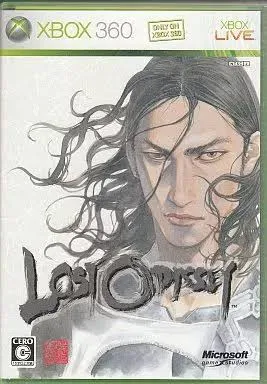
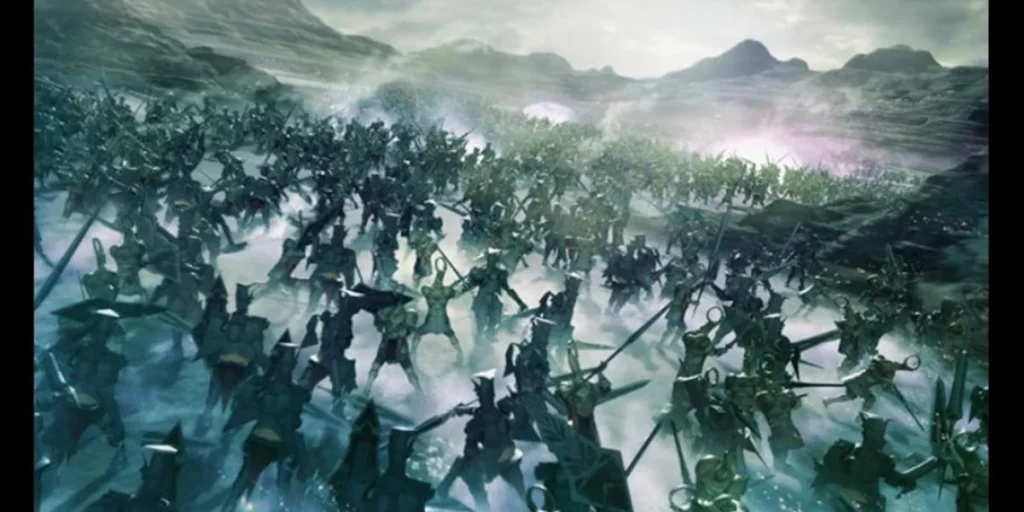
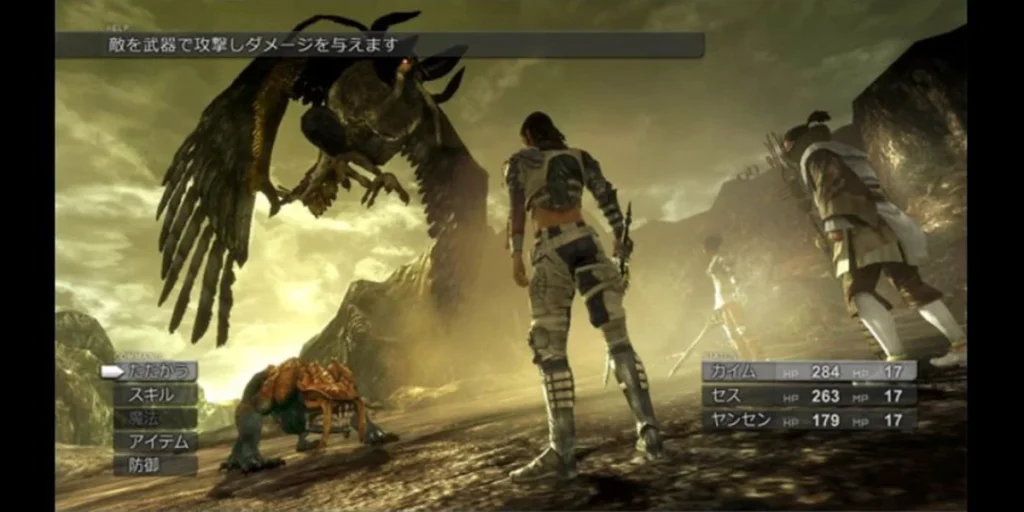
Lost Odyssey is an Xbox 360-exclusive RPG released by Microsoft on December 6, 2007. It was developed by Mistwalker and feelplus. With Final Fantasy creator Hironobu Sakaguchi serving as executive producer, it drew plenty of attention as a brand-new IP made exclusively for the Xbox 360.
I’m a self-proclaimed Xbox 360 guy, and honestly, I still remember the shock of first discovering this game. As the immortal protagonist Kaim gradually recovers his “thousand years of memories,” the game drops in short-story segments known as “A Thousand Years of Dreams,” and they hit like a truck. When I learned those stories were written by Akutagawa Prize-winning author Kiyoshi Shigematsu, I remember thinking, well, no wonder they cut so deep.
The music is by Nobuo Uematsu and the character designs are by Takehiko Inoue of Vagabond fame, so there are zero compromises on the presentation front. The battle system itself, despite its wide range of motion, is a pretty traditional turn-based command RPG. But the consistent theme of “the loss and memories an immortal carries,” along with the sheer quality of the short stories woven throughout, leaves an aftertaste unlike any other RPG. It might sound funny coming from a guy with two divorces under his belt, but few games teach you the ache of losing something quite like this one.
If I had to name a drawback, the combat pacing is a bit old-school, and players used to today’s faster games may find some stretches drag. Also keep in mind that simply getting your hands on an Xbox 360 is getting harder these days. Even so, for players who want to get absolutely wrecked by a story, it’s still a top contender.
- The short-story segments, “A Thousand Years of Dreams,” by Kiyoshi Shigematsu are stunningly well done
- A richly crafted world from the dream team of Hironobu Sakaguchi, Nobuo Uematsu and Takehiko Inoue
- The consistent theme of “immortality and loss” makes the ending hit that much harder
- Traditional turn-based command combat with somewhat old-school pacing
- Xbox 360 consoles are getting harder to find, which raises the barrier to playing
No. 2: The Last of Us — A Landmark Survival Tale of Love and Loss
| Story | Characters | Presentation & World | Emotional Impact | Total Score |
|---|---|---|---|---|
| 93 | 95 | 88 | 90 | 366 |
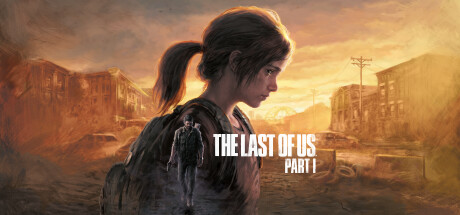
The Last of Us is a PlayStation 3-exclusive title released by Sony Computer Entertainment on June 14, 2013 (June 20 in Japan). It was developed by Naughty Dog. Coming from the studio that made its name with the Uncharted series, this all-new original IP was a huge talking point at the time.
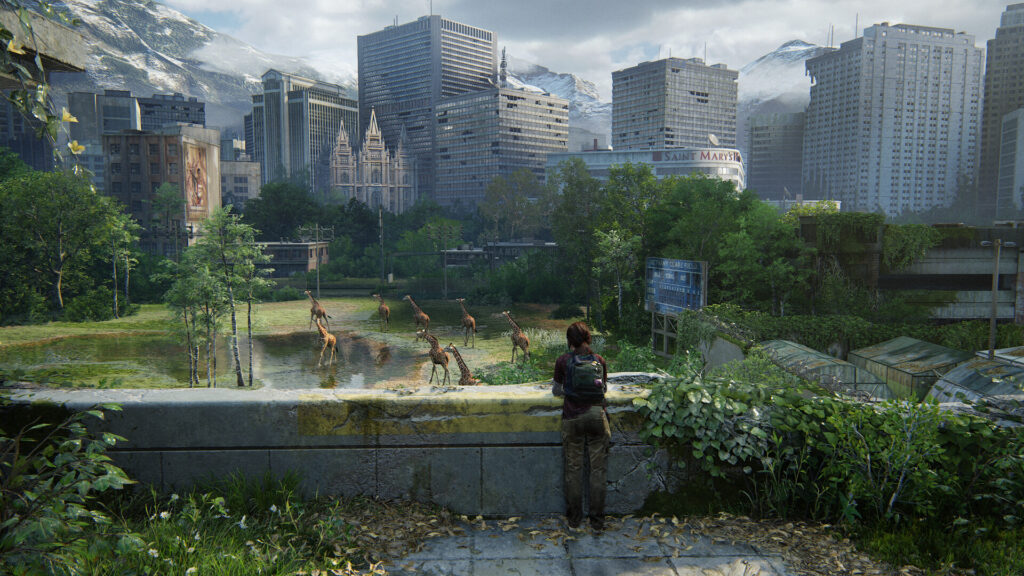
The game director was Bruce Straley, and the creative director was Neil Druckmann. The story follows Joel as he escorts a young girl named Ellie across a world ravaged by a pandemic, and the way it portrays the bond between Joel and Ellie is incredibly rich. Watching her go from someone he’s merely protecting to something like a surrogate daughter, it’s fair to call this a top-tier human drama dressed up as a survival action game.
The game has won more than 240 Game of the Year awards worldwide, and took top honors at major ceremonies like the BAFTAs, the D.I.C.E. Awards and the Game Developers Choice Awards. The SpotGeeks editorial team agrees: very few games have swept the awards circuit quite like this.
As for drawbacks, the survival horror elements are pretty heavy, and the midgame, where you grind through exploration and combat, can feel a bit sluggish at times. There are also plenty of shocking twists, so it may be too heavy if you’re after something emotionally light. Even so, if you want to cry over the bond between characters, this one is guaranteed to land.
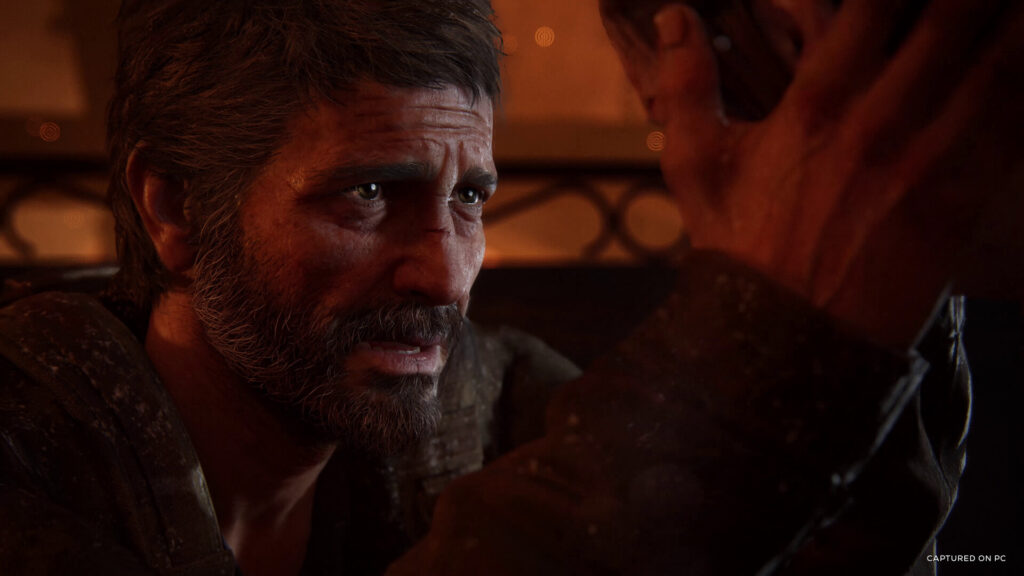
- A breathtaking portrayal of Joel and Ellie’s surrogate father-daughter relationship
- A track record of more than 240 Game of the Year awards
- A seamless blend of survival action and human drama
- Midgame exploration and combat sections can feel a bit slow
- Lots of shocking twists and some emotionally heavy scenes
No. 3: NieR:Automata — A Story Told Across Three Playthroughs That Confronts the Meaning of Existence
| Story | Characters | Presentation & World | Emotional Impact | Total Score |
|---|---|---|---|---|
| 92 | 87 | 93 | 88 | 360 |
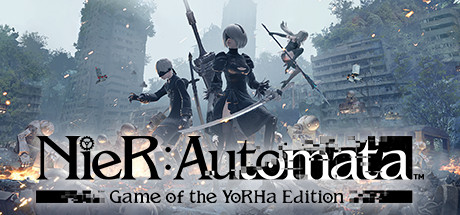
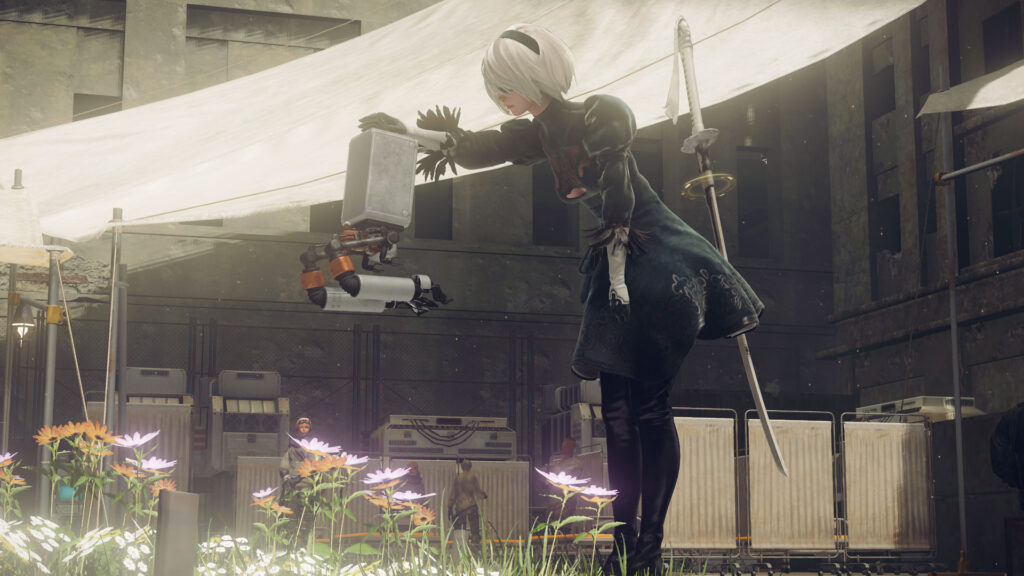
NieR:Automata was released by Square Enix for PS4 on February 23, 2017 (the Steam version followed on March 17 of the same year, for overseas markets). It was developed by PlatinumGames. It’s a follow-up to the previous entry, NieR Replicant/Gestalt, and the switch to PlatinumGames as the development studio was big news in its own right.
It’s an action RPG where you control the androids 2B and 9S, but its defining feature is a structure that has you play through the same story three times from different perspectives. Each of the first, second and third playthroughs reveals completely different information, and that design, which has players actively piece together the full picture themselves, is something you rarely see in other RPGs. According to Square Enix, worldwide sales have topped 10 million units, proof that this is far more than a cult hit.
The catch is that, because it’s built around multiple playthroughs, the true meaning of its themes doesn’t fully come across in the first run. If you quit the moment you think “that felt kind of unresolved,” you’ll never reach what makes this game truly incredible. Go in knowing it takes the patience to stick with it for all three runs.
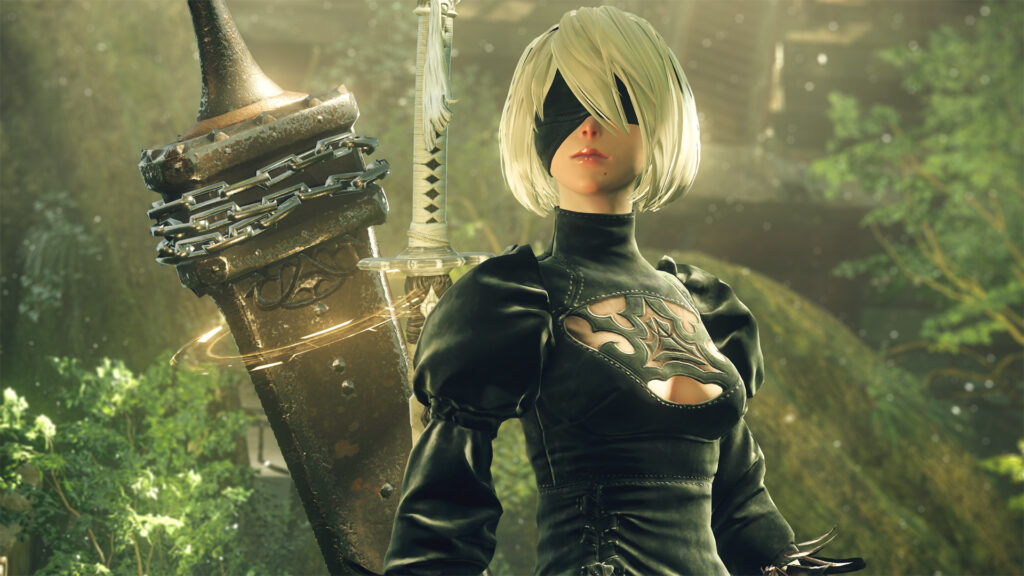
- A one-of-a-kind way of revealing information across three playthroughs
- A track record of more than 10 million copies sold worldwide
- A seamless blend of action and philosophical themes
- The first playthrough alone doesn’t fully convey the story’s true meaning
- Built around multiple playthroughs, so it takes a real time commitment
#4: Final Fantasy VII | 29 Years Later, the Tale of Fate That Made RPG History Still Hasn’t Faded
| Story | Characters | Presentation & World | Emotional Impact | Total Score |
|---|---|---|---|---|
| 94 | 89 | 80 | 92 | 355 |
Final Fantasy VII launched on PlayStation on January 31, 1997, from Square (now Square Enix). It was directed by Yoshinori Kitase, with character designs by Tetsuya Nomura. It was the first game in the series to go all-in on fully 3D CG fields and FMV cutscenes, and it’s historic for another reason too: it was Square’s first big move onto the PlayStation.
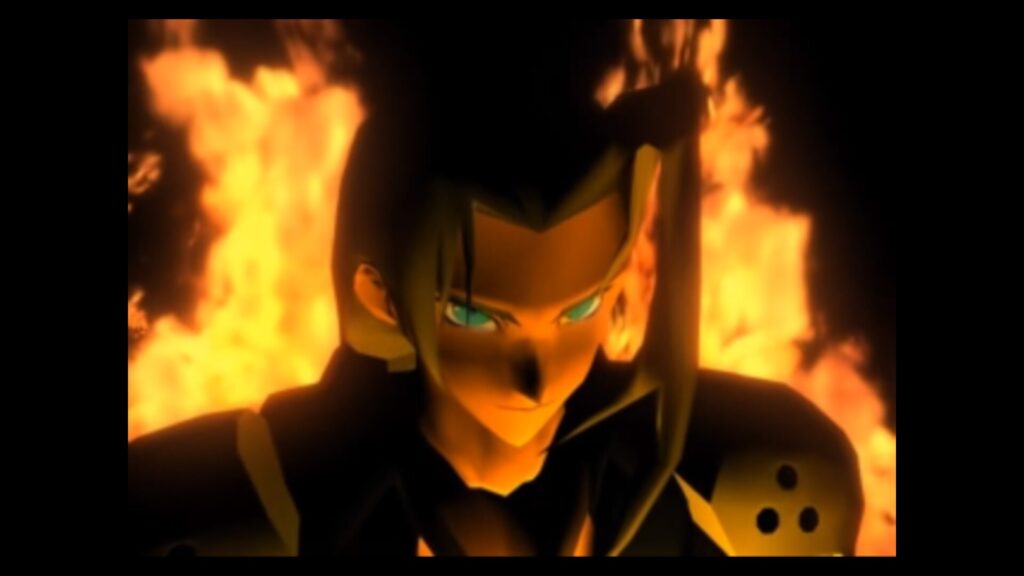
The fateful story of hero Cloud Strife, his nemesis Sephiroth, and Aerith still hasn’t lost its shine nearly 29 years after release. The game shipped 3.28 million copies in Japan and more than 15.6 million worldwide, making it one of the best-selling entries in the franchise. For a PS1-generation player like me, just hearing that music brings the shock of those days rushing right back. This is a title that gets passed down from one generation to the next, no question.
The catch: these graphics are more than 27 years old, and by today’s standards there’s no denying the character models look rough. Some players will stumble on that before they ever get pulled into the story. But the sheer polish of the meticulously crafted script more than makes up for the gap. And with a Steam version now available, the barrier to entry is far lower than it used to be.
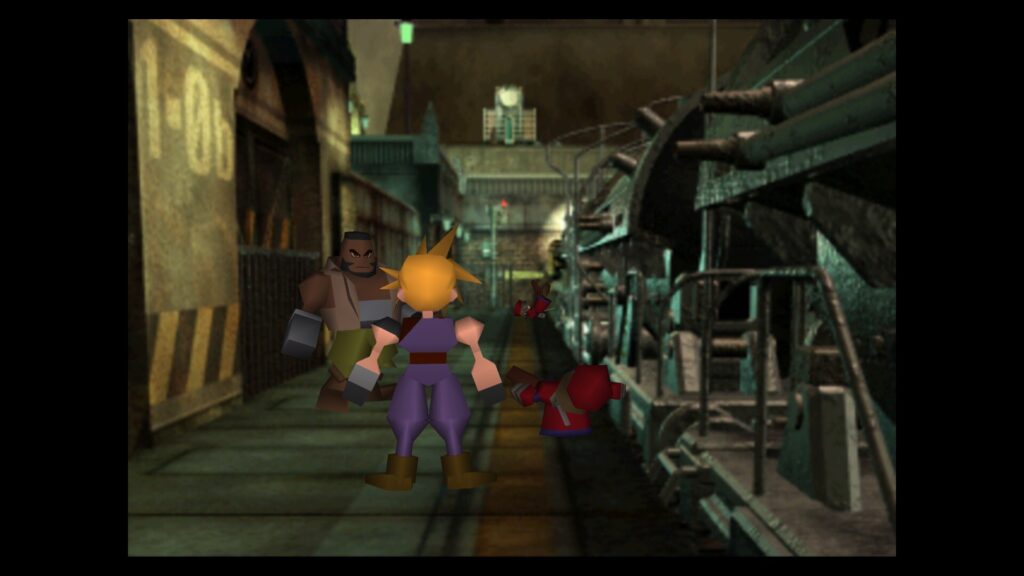
- A tale of fate centered on Cloud, Sephiroth, and Aerith
- One of the franchise’s top sellers, with more than 15.6 million copies sold worldwide
- Historic as the first entry in the series with fully 3D CG fields
- The graphics feel dated by modern standards
- Limited ways to play the original version (available on Steam)
#5: Persona 5 | A Thrilling Rebellion Against Society Alongside the Phantom Thieves
| Story | Characters | Presentation & World | Emotional Impact | Total Score |
|---|---|---|---|---|
| 85 | 94 | 92 | 78 | 349 |
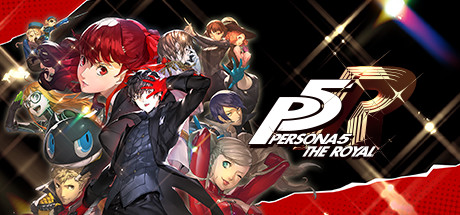
Persona 5 is an RPG released by Atlus on September 15, 2016, for PlayStation 3 and PlayStation 4. It was also Atlus’s first mainline Persona title on PS4. Juggling school life with dungeon crawling is a familiar formula for the series, but this entry uses the motif of a band of “Phantom Thieves” to tell a rebellious drama that takes a swing at a rotten adult world.
Worldwide sales topped 3.2 million copies as of December 2019, and the game picked up the 25th Anniversary User’s Choice Award at the PlayStation Awards 2019. Counting spin-offs, the series as a whole has sold more than 10 million copies worldwide, so its reach goes well beyond a single game. Every member of the Phantom Thieves, starting with protagonist “Joker,” is vividly drawn, and the game works incredibly well as a story about their growth.
The catch: it can run close to 100 hours, so you’ll need time to really settle in. And until you get the hang of managing your schedule in the school-life segments, some players will find the pacing slow. Even so, if you want to enjoy a great ensemble drama, this is one I can recommend with total confidence.
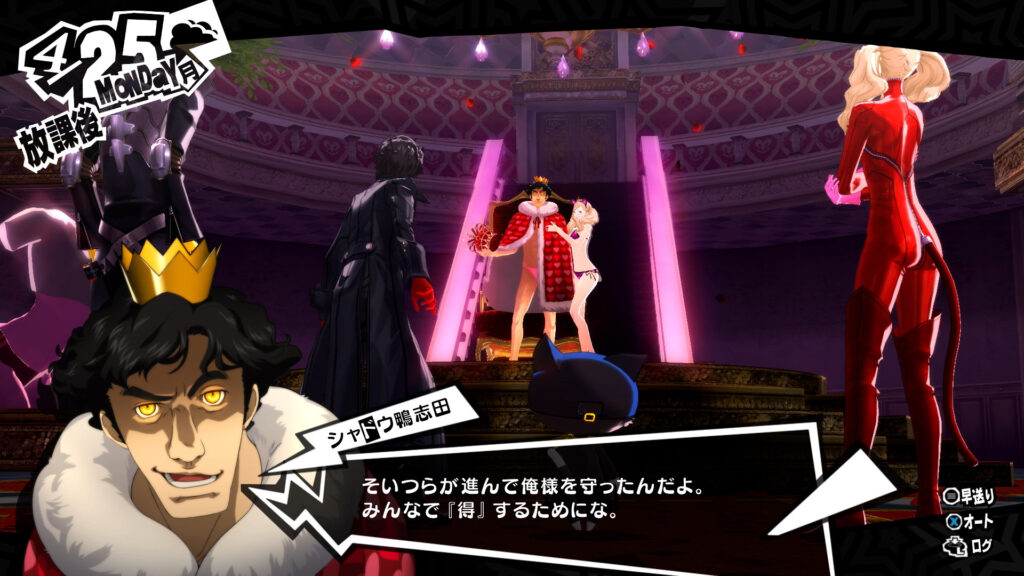
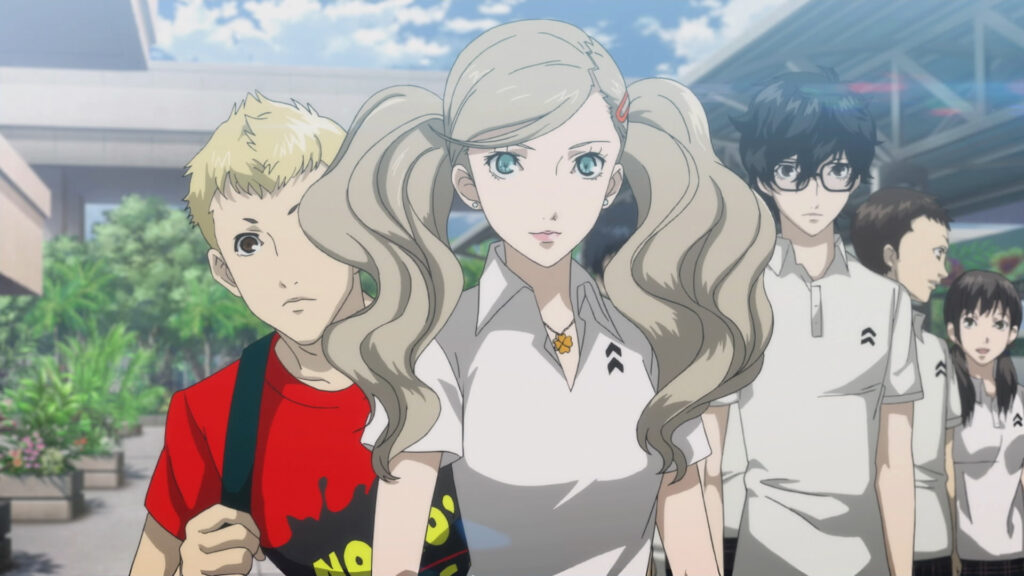
- Rich, detailed characterization for every Phantom Thief
- Over 3.2 million copies sold worldwide, and over 10 million for the series as a whole
- Won the 25th Anniversary User’s Choice Award at the PlayStation Awards 2019
- A massive game that takes close to 100 hours to beat
- The pacing of the school-life segments takes some getting used to
#6: Danganronpa: Trigger Happy Havoc | Finding Hope in Despair With the Original Class Trial
| Story | Characters | Presentation & World | Emotional Impact | Total Score |
|---|---|---|---|---|
| 90 | 88 | 75 | 88 | 341 |
Danganronpa: Trigger Happy Havoc launched on PlayStation Portable on November 25, 2010, from Spike (now Spike Chunsoft). Kazutaka Kodaka handled the concept and scenario, and this is the very first game in the Danganronpa series. High schoolers trapped in a sealed-off academy have to expose the truth behind murders in “Class Trials,” and the game is a landmark for introducing that Class Trial system, which fuses deduction with action.
The contrast between protagonist Makoto Naegi and Monokuma, whose cute looks hide a steady stream of cruel words and deeds, is unforgettable, and the game carries its themes of “hope” and “despair” consistently all the way to the end. The series has grown into a hit franchise celebrating its 15th anniversary, and it’s still winning over new fans today.
The catch: the original PSP graphics understandably look dated by today’s standards. Some players may also need a little time to get used to the pacing of the trial segments. That said, remastered releases like the Anniversary Edition refresh the graphics and UI, so if you’re jumping in now, that’s a solid option.
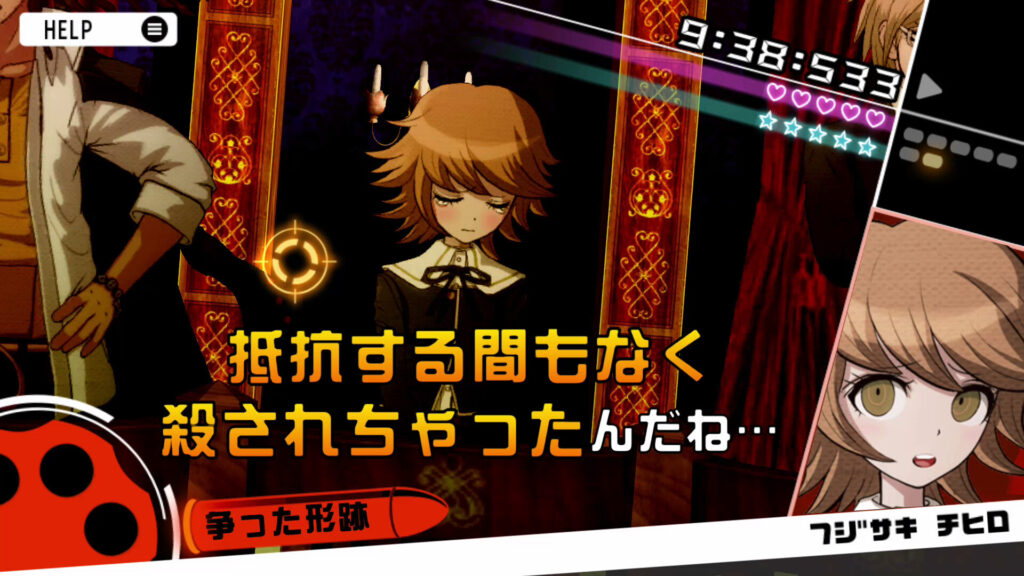
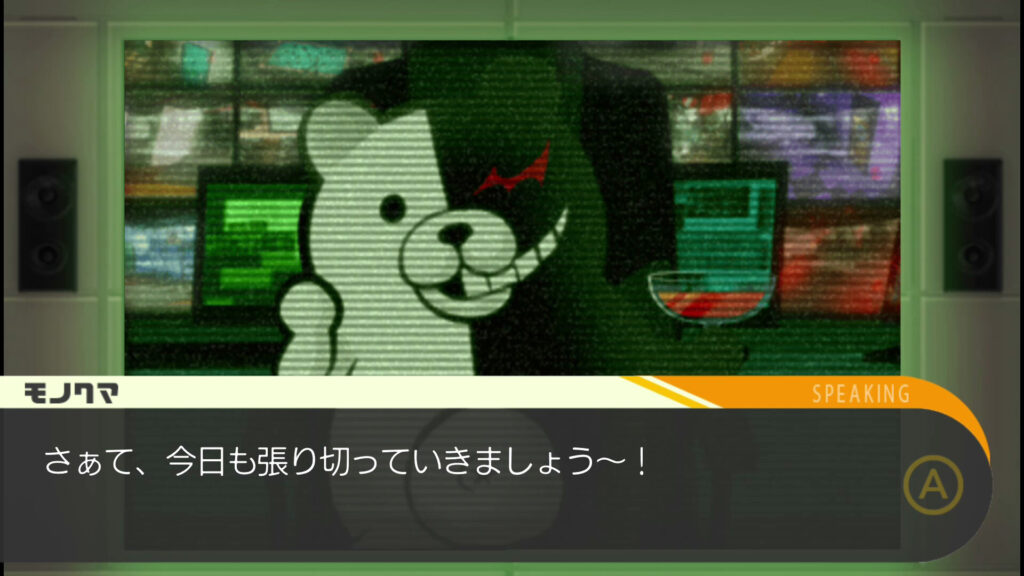
- The game that introduced the deduction-meets-action “Class Trial” system
- Themes of “hope” and “despair” carried through from start to finish
- A long-running hit franchise now celebrating its 15th anniversary
- The original PSP graphics look dated
- The pacing of the trial segments takes some getting used to
#7: 428: Shibuya Scramble | Fates Collide in Shibuya in a Landmark Sound Novel

| Story | Characters | Presentation & World | Emotional Impact | Total Score |
|---|---|---|---|---|
| 91 | 82 | 70 | 92 | 335 |
428: Shibuya Scramble is a sound novel released by Sega for Wii on December 4, 2008. It was developed by Chunsoft and produced by Koichi Nakamura. Its defining feature is a structure in which the stories of multiple protagonists unfold simultaneously across Shibuya and intertwine in complex ways, with each character’s fate shifting dramatically based on the player’s choices.
The game earned a perfect 40 in Famitsu’s Cross Review, a remarkable feat that made it only the ninth game ever to do so. It also ranked third in user satisfaction among games released in 2008. Paired with a unique presentation style that leans heavily on live-action footage, it delivers a one-of-a-kind experience: “a suspense drama you can only get from a video game.”
The catch: because it’s built on live-action footage, it lacks the visual flash of other RPGs, and with so many perspectives interweaving, some players will find it hard to get their bearings early on. But the payoff as every thread of foreshadowing comes together in the back half is something else. It’s also currently available for PC and PS4 as “428 Shibuya Scramble,” including on Steam, so it’s easy to pick up.
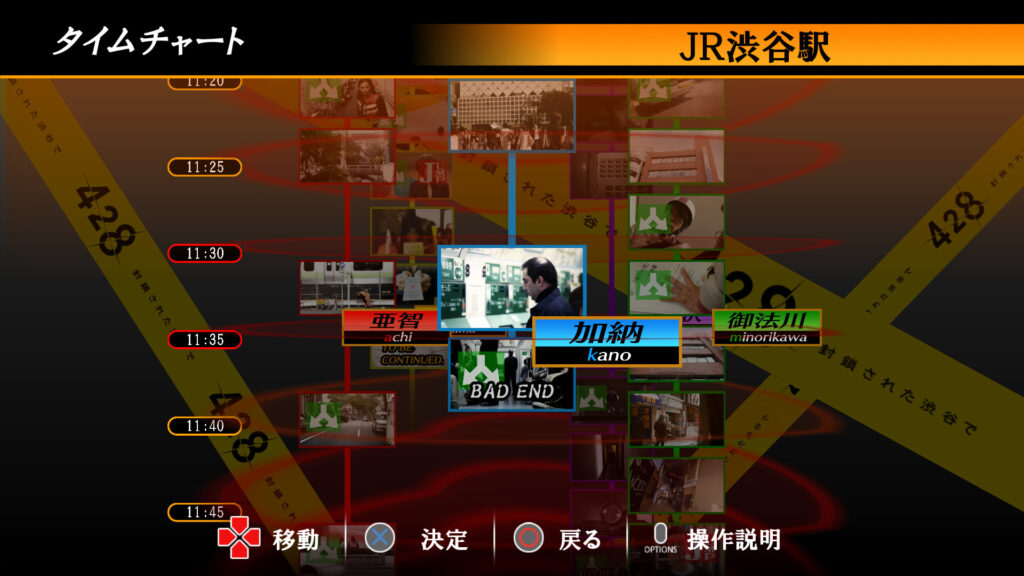

- A perfect 40 in Famitsu’s Cross Review (only the ninth game ever)
- A unique sound novel structure where multiple protagonists’ stories intersect
- Easy to get on modern platforms via the Steam version, “428 Shibuya Scramble”
- Live-action presentation means modest visual flash
- Keeping track of multiple perspectives is tough early on
#8: Undertale | A Masterpiece of Kindness and Heartache Made by Just One Person
| Story | Characters | Presentation & World | Emotional Impact | Total Score |
|---|---|---|---|---|
| 88 | 90 | 68 | 82 | 328 |
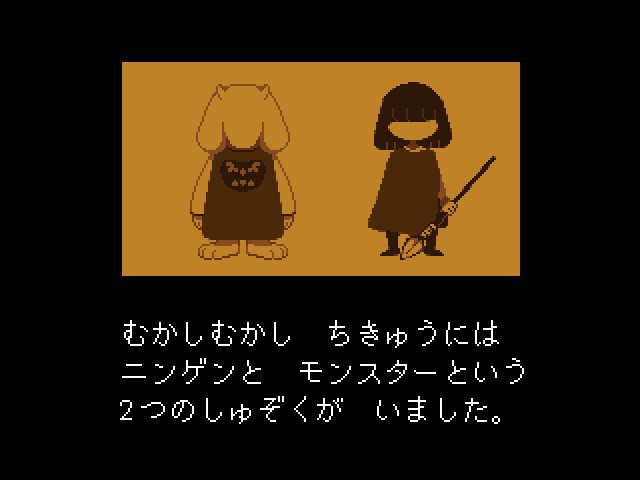
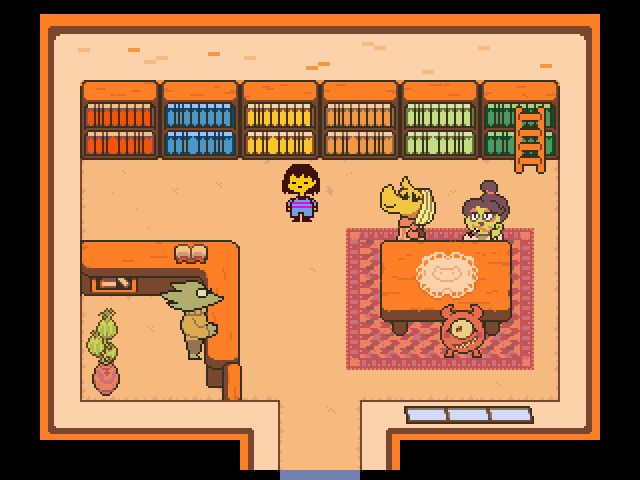
UNDERTALE is an indie RPG released for Windows and Mac on September 15, 2015. It was developed and published by Toby Fox, and the astonishing part is that he built almost everything, from the script to the music, essentially on his own. It’s the story of a human who falls into an underground world and meets monsters while trying to make it back to the surface, and at its core is the option to “resolve things without killing your enemies.”
It has sold more than 5 million copies worldwide, an extraordinary hit for an indie title. Despite its simple pixel-art look, every character is fleshed out with real care, and characters like Frisk, Sans, and Papyrus are still beloved by fans all over the world.
The catch: because of its pixel-art style, the presentation is more understated than other titles. It also has multiple endings, so keep in mind that multiple playthroughs are recommended to reach the true ending. Even so, if you’re looking for “a story where kindness and heartache live side by side,” this one comes highly recommended.
- Astonishing polish from a game Toby Fox built almost entirely on his own
- An indie landmark with more than 5 million copies sold worldwide
- One-of-a-kind themes born from the option to “not kill your enemies”
- Pixel-art style keeps the presentation understated
- Multiple playthroughs required for the true ending
Can You Play These 4 Story-Driven Classics on Modern Hardware? A Platform-by-Platform Guide
Of the four titles on this list that got their start on older hardware (Lost Odyssey, Final Fantasy VII, 428: Shibuya Scramble, and Danganronpa: Trigger Happy Havoc), all four are still available in some form on current consoles or current digital storefronts.
1. Titles Playable via Subscription or for Free
As of now, we couldn’t confirm that any of these four titles is included in a subscription service. Your options basically come down to buying them outright or picking up a remastered version.
2. Titles Available as Standalone Purchases
| Title | How to Get It |
|---|---|
| Lost Odyssey | Buy digitally on the Xbox Store and play natively via backward compatibility on Xbox One / Series X|S |
| Final Fantasy VII (original version) | Available now on Steam |
| 428: Shibuya Scramble | Available now on Steam / PS4 as “428 Shibuya Scramble” |
| Danganronpa: Trigger Happy Havoc | Available now on Steam |
3. Titles Playable as Remasters or Remakes
| Title | Details |
|---|---|
| Final Fantasy VII Remake | Remake released in 2020 for PS4 / PS5. Worldwide sales have topped 7 million copies |
| Danganronpa: Trigger Happy Havoc Anniversary Edition | Refreshed graphics and UI for iOS / Android / Xbox One / Series X|S / Windows 10 |
4. Titles That Are Hard to Get on Modern Hardware
None of the four titles on this list is truly out of reach on modern hardware. That said, in cases like Lost Odyssey, the original hardware itself is getting harder to track down, so make sure to double-check platform support before you buy.
Lay it all out like this and it turns out a surprising number of games born on older consoles still have a path to modern hardware. Don’t write them off as “just old games” — start by checking what the official storefronts have to offer.

Enjoying this article? Add us as a preferred source on Google.
The Bottom Line: If You’re Choosing by Story, Build Around These 8 Games
This time, we focused on one thing and one thing only — a great story — and scored eight games across four categories: Story, Characters, Presentation & Worldbuilding, and Emotional Impact. Taking the overall No. 1 spot was Lost Odyssey (released December 6, 2007, Xbox 360), the RPG Hironobu Sakaguchi poured his heart into, with an impressive 372 points. Its 99 in Emotional Impact stood head and shoulders above the rest of the eight.
No. 2 The Last of Us (366 points) shines in how it portrays the bond between its characters, No. 3 NieR:Automata (360 points) in the presentation of its three-playthrough structure, and No. 4 Final Fantasy VII (355 points) in its historic significance to the series — each with its own distinct strengths. And from No. 5 on down, Persona 5, Danganronpa, 428, and Undertale all have the potential to break into the top tier depending on which category you weigh most. The best pick for you should come down to what you value most.
For all-around strength, Lost Odyssey is a cut above. Its stories of loss, epitomized by “A Thousand Years of Dreams,” are bound to hit harder now that we’re all grown up. That said, if character bonds are your thing, go with The Last of Us; if you love the thrill of replaying to grasp the true meaning, NieR:Automata is the answer. The right choice changes depending on how you pick.
…Look, I’m a guy with two divorces under his belt, so I’m hardly one to talk. But if you want a story that’ll make you cry, start with Lost Odyssey.
Read Next
Snicker Kitamura




Leave a Reply