



Enjoying this article? Add us as a preferred source on Google.
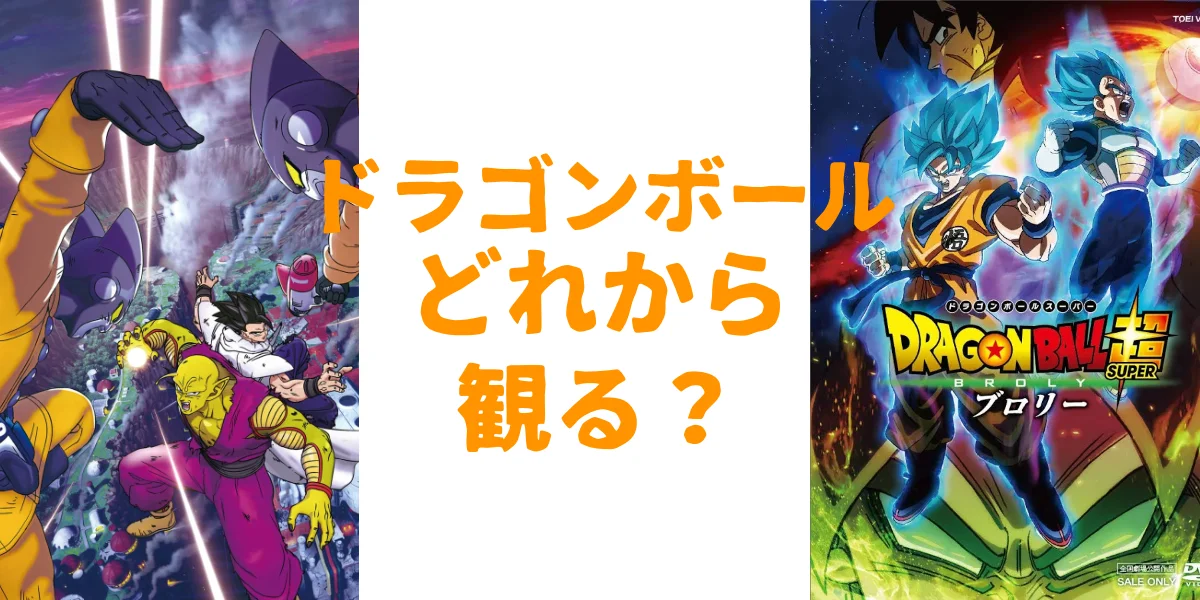
Where should you start with Dragon Ball? Let me give you the answer first. If you are ready to settle in with one long series, it is the TV run of Dragon Ball Z. If you have no time, it is the movie Dragon Ball Super: Broly. If you want to follow Z’s story in a realistic number of episodes, it is Dragon Ball Z Kai. Pick any of those three and you will not go far wrong.
So why is the choice so paralyzing? The TV side alone has six entries – the original Dragon Ball, Z, GT, Kai, Super and Daima – and Dragon Ball Super: Beerus started airing on October 11, 2026. On top of that there are 21 theatrical films. That adds up to 28 productions. Line all of that up in front of someone with no prior knowledge and of course they freeze.
So for this article I narrowed the field to 10 titles, the six TV series plus the four most recent films, and scored each one out of 100 across four axes: story, animation, characters and emotional impact. The commentary on each title includes fact-checked figures for air dates, episode counts, director, writer, music and box office. This is a ranking ordered by “which one should you start with,” not “which one is the greatest.”
I belong to the generation that followed the original, Z and GT as they aired. So let me be honest: I do not think the order we watched them in back then is the best answer today. I have recommended a 291-episode marathon to someone and watched them bolt for the door, more than once. Then again, a guy who has been divorced twice is hardly in a position to hand out advice.
- A side-by-side table scoring 10 TV series and films out of 100 on four axes
- How many Dragon Ball productions exist in total (7 TV series and 21 films)
- Dragon Ball Z takes the top total score, and here is why, plus the catch
- Whether starting with the currently airing Super: Beerus is a viable move
- Where the official site says you can stream each one
The total score is the sum of the four axes, sorted from highest to lowest. Ties are broken in favor of the higher story score. Start with the table.
Where Should You Start With Dragon Ball? A Scored Comparison of 10 TV Series and Films
Judging each title by whether it holds up as somebody’s very first Dragon Ball, I scored the six TV series and the four most recent films out of 100 on four criteria. The total score is a straight sum of those four axes.
| Rank | Title | Story | Animation | Characters | Emotional Impact | Total Score |
|---|---|---|---|---|---|---|
| 1st | Dragon Ball Z | 92 | 84 | 96 | 95 | 367 |
| 2nd | Dragon Ball Super: Broly | 90 | 98 | 92 | 86 | 366 |
| 3rd | Dragon Ball Z Kai | 88 | 90 | 94 | 88 | 360 |
| 4th | Dragon Ball | 94 | 76 | 95 | 88 | 353 |
| 5th | Dragon Ball Super | 86 | 88 | 92 | 82 | 348 |
| 6th | Dragon Ball Z: Battle of Gods | 88 | 86 | 90 | 80 | 344 |
| 7th | Dragon Ball Daima | 84 | 92 | 89 | 76 | 341 |
| 8th | Dragon Ball Z: Resurrection ‘F’ | 82 | 88 | 86 | 76 | 332 |
| 9th | Dragon Ball Super: Super Hero | 84 | 82 | 84 | 76 | 326 |
| 10th | Dragon Ball GT | 78 | 76 | 84 | 80 | 318 |
Here is how to read it. The best story score belongs to the original at No. 4 with 94 points, the best animation score to Broly at No. 2 with 98 points, and the best marks for both characters and emotional impact go to Z at No. 1. In other words, it comes down to a three-way choice: the original if you are picking by storytelling, Broly if you are picking by visuals, Z if you want the strongest all-rounder.
The spread runs 49 points, from 367 at the top to 318 in tenth. Nothing here scores badly. Read the order as a measure of how well each title works as an entry point, not as a verdict on which is the better show.
How Many Dragon Ball Titles Are There? 7 TV Series and 21 Theatrical Films
As of October 2026 there are seven TV series, counting the currently airing Super: Beerus, and 21 theatrical films, for 28 productions in total. First, the TV series in broadcast order.
| Title | Air Dates | Episodes | Animation Production |
|---|---|---|---|
| Dragon Ball | February 26, 1986 – April 19, 1989 | 153 episodes | Toei Doga |
| Dragon Ball Z | April 26, 1989 – January 31, 1996 | 291 episodes plus 2 specials | Toei Doga |
| Dragon Ball GT | February 7, 1996 – November 19, 1997 | 64 episodes plus 1 side-story episode (65 in total) | Toei Doga |
| Dragon Ball Z Kai | April 5, 2009 – March 27, 2011 / April 6, 2014 – June 28, 2015 | 159 episodes (episode 98 never aired) | Toei Animation |
| Dragon Ball Super | July 5, 2015 – March 25, 2018 | 131 episodes | Toei Animation |
| Dragon Ball Daima | October 11, 2024 – February 28, 2025 | 20 episodes | Toei Animation |
| Dragon Ball Super: Beerus | Premiered October 11, 2026 | Currently airing | Toei Animation |
The animation production credit shifting from Toei Doga to Toei Animation comes down to a corporate name change, and the credit switches over starting with Kai. Everything from the original through GT is Toei Doga, and Kai onward is Toei Animation.
Next, the 21 films. Movies 1 through 17 were shorts screened as the headline attraction of the Toei Manga Matsuri and Toei Anime Fair events, and of the running times I could confirm, Movie 11 runs 70 minutes and Movie 16 runs 52 minutes. From Movie 18 on, they are standalone features.
| No. | Title | Release Date | Director |
|---|---|---|---|
| Movie 1 | Dragon Ball: Curse of the Blood Rubies | December 20, 1986 | Daisuke Nishio |
| Movie 2 | Dragon Ball: Sleeping Princess in Devil’s Castle | July 18, 1987 | Daisuke Nishio |
| Movie 3 | Dragon Ball: Mystical Adventure | July 9, 1988 | Kazuhisa Takenouchi |
| Movie 4 | Dragon Ball Z: Dead Zone | July 15, 1989 | Daisuke Nishio |
| Movie 5 | Dragon Ball Z: The World’s Strongest | March 10, 1990 | Daisuke Nishio |
| Movie 6 | Dragon Ball Z: The Tree of Might | July 7, 1990 | Daisuke Nishio |
| Movie 7 | Dragon Ball Z: Lord Slug | March 9, 1991 | Mitsuo Hashimoto |
| Movie 8 | Dragon Ball Z: Cooler’s Revenge | July 20, 1991 | Mitsuo Hashimoto |
| Movie 9 | Dragon Ball Z: The Return of Cooler | March 7, 1992 | Daisuke Nishio |
| Movie 10 | Dragon Ball Z: Super Android 13! | July 11, 1992 | Kazuhito Kikuchi |
| Movie 11 | Dragon Ball Z: Broly – The Legendary Super Saiyan | March 6, 1993 | Shigeyasu Yamauchi |
| Movie 12 | Dragon Ball Z: Bojack Unbound | July 10, 1993 | Yoshihiro Ueda |
| Movie 13 | Dragon Ball Z: Broly – Second Coming | March 12, 1994 | Shigeyasu Yamauchi |
| Movie 14 | Dragon Ball Z: Bio-Broly | July 9, 1994 | Yoshihiro Ueda |
| Movie 15 | Dragon Ball Z: Fusion Reborn | March 4, 1995 | Shigeyasu Yamauchi |
| Movie 16 | Dragon Ball Z: Wrath of the Dragon | July 15, 1995 | Mitsuo Hashimoto |
| Movie 17 | Dragon Ball: The Path to Power | March 2, 1996 | Shigeyasu Yamauchi |
| Movie 18 | Dragon Ball Z: Battle of Gods | March 30, 2013 | Masahiro Hosoda |
| Movie 19 | Dragon Ball Z: Resurrection ‘F’ | April 18, 2015 | Tadayoshi Yamamuro |
| Movie 20 | Dragon Ball Super: Broly | December 14, 2018 | Tatsuya Nagamine |
| Movie 21 | Dragon Ball Super: Super Hero | June 11, 2022 | Tetsuro Kodama |
As for the scripts on Movies 1 through 17, Takao Koyama handled Movies 4 through 16, with Toshiki Inoue on Movie 1, Keiji Terui on Movie 2, Yoshifumi Yuki on Movie 3 and Aya Matsui on Movie 17. Akira Toriyama’s involvement in the films of this period was limited to checking plots and scripts and touching up character designs or changing names.
The numbers make the scale clear. Cumulative attendance through Movie 17, The Path to Power, reached 49 million. Across the first 16 films, up to Movie 16 in July 1995, the series logged more than 500,000 home-video copies sold, more than 8,000 screens, more than 8 million program booklets, a cumulative production staff of more than 3,000 people and box office of more than 40 billion yen, and as of the start of 1996 each of those was the highest figure in the history of anime film. It also landed in the top 10 of Japanese box-office earnings for five straight years from 1991.
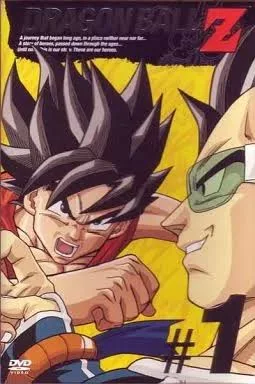
No. 1 Dragon Ball Z|The front-runner, and the stretch where the series burns hottest
| Story | Animation | Characters | Emotional Impact | Total Score |
|---|---|---|---|---|
| 92 | 84 | 96 | 95 | 367 |
Dragon Ball Z aired from April 26, 1989 to January 31, 1996: 291 episodes plus two specials. Daisuke Nishio served as series director on episodes 1 through 199 and both specials, Takao Koyama handled series composition, Shunsuke Kikuchi wrote the music, and animation production was by Toei Doga. Of the four scoring axes, Characters at 96 and Emotional Impact at 95 are the highest marks anywhere in the series, and the 367 total is the best of these 10 entries.
So why is Z number one? The reason is simple: the “a stronger enemy arrives, you train, you win” structure reaches the peak of its execution right here. The characters a newcomer learns the names of first, the scenes that define the whole franchise, almost all of it sits inside these 291 episodes. It looks like the long way around as an entry point, but it actually needs the least explaining.
Character design was handled by Minoru Maeda on episodes 1 through 199 and the two specials, and by Katsuyoshi Nakatsuru from episode 200 to 291. Watching the texture of the art shift across that long broadcast run is part of the fun of taking Z all the way through. If 291 is a number that scares you, you can also start with number three on this list, Kai, which rebuilds the same material into 159 episodes.
But 291 episodes is 291 episodes. Even at three a day, that is roughly three months. I went back and worked through the whole thing off recordings in my Dreamcast days, and I will be honest, there is a point where it starts eating into your actual life. This is a show you have to settle in and commit to.
- Nearly every character and signature moment in the franchise is concentrated here
- 291 episodes plus two specials, so when you finish there is almost no series talking point left that you do not recognize
- Series director Daisuke Nishio and composer Shunsuke Kikuchi both carried over from the original Dragon Ball, so it watches as one continuous thing
- 291 episodes is long for a first watch. If you cannot find the time, look at Kai at number three instead
- The early stretch runs straight on from the back end of the original series, so character relationships get the bare minimum of explanation
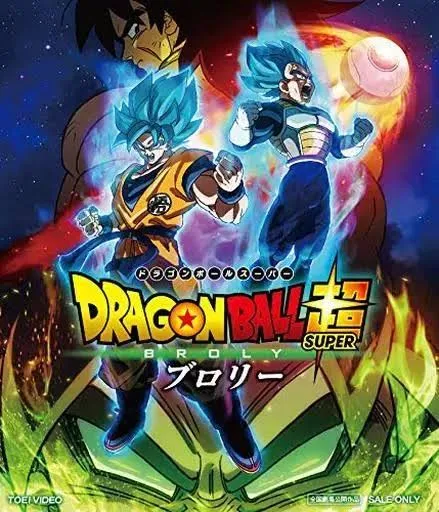
No. 2 Dragon Ball Super: Broly|The shortest route to seeing what the series looks like now, in a single film
| Story | Animation | Characters | Emotional Impact | Total Score |
|---|---|---|---|---|
| 90 | 98 | 92 | 86 | 366 |
Dragon Ball Super: Broly opened on December 14, 2018 as the 20th theatrical film in the franchise, running 100 minutes. Tatsuya Nagamine directed, Akira Toriyama wrote the screenplay, Norihito Sumitomo composed the score, and the theme song is Blizzard by Daichi Miura. Toei distributed it with cooperation from 20th Century Fox. It took in 4.0 billion yen at the Japanese box office and US$122,740,616 worldwide.
That 98 for Animation is the single highest mark of these 10 entries. There are not many works you can recommend on the strength of one scoring axis alone, but Broly is one of them. The density of movement packed into a 100-minute runtime is frankly abnormal, and one viewing is enough to update your whole idea of what a Dragon Ball fight is supposed to look like.
Runtime is not the only reason it works as an entry point. It was produced by the 2018 Dragon Ball Super Production Committee, and because Toriyama himself wrote the script, the film is built so that a first-timer does not get left behind. If you want to watch exactly one thing and decide from there, this is the lowest-risk recommendation on the list.
That said, it sits after Super in the timeline, so it moves along assuming you already know who everyone is to each other. Even then, 100 minutes is 100 minutes. Put another way: if it is not for you, you are only out 100 minutes.
- The 98 for Animation is the outright top score here. 100 minutes is all it takes to feel what the modern series looks like
- Akira Toriyama wrote the script himself, and the film has the receipts: 4.0 billion yen in Japan and US$122,740,616 worldwide
- It is self-contained, so you find out whether the series clicks for you in the shortest possible time
- As the 20th film in the series, it treats the character relationships as already known
- We could not confirm a dedicated official Japanese page for it, so there is no official link in this section
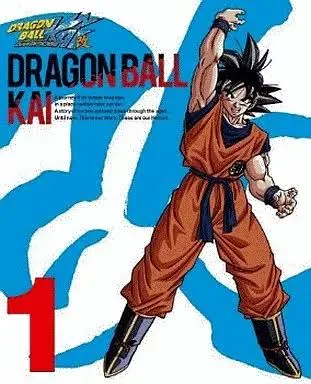
No. 3 Dragon Ball Z Kai|The realistic front-runner that repacks Z into 159 episodes
| Story | Animation | Characters | Emotional Impact | Total Score |
|---|---|---|---|---|
| 88 | 90 | 94 | 88 | 360 |
Dragon Ball Z Kai ran its first phase, covering the Saiyan Saga through the Androids and Cell Saga, from April 5, 2009 to March 27, 2011, and its second phase, the Majin Buu Saga, from April 6, 2014 to June 28, 2015. There are 159 episodes in total, and episode 98 was never broadcast. Direction passed from Yasuhiro Nowatari to Naohiro Terazaki, series composition was by Kohei Obara and Kazutaka Sado, and animation production was handled by Toei Animation.
The music credit moved from Kenji Yamamoto to Shunsuke Kikuchi and then on to Norihito Sumitomo. In other words, Kai is not simply “Z on rerun”; the staff themselves changed hands over the course of the rebuild. We scored it 90 for Animation and 94 for Characters, for a 360 total and third place.
What makes it realistic as an entry point is, again, the episode count. 291 episodes plus two specials becomes 159. At three a day that is a little under two months. That gap is exactly the dividing line between “gave up before starting” and “actually reached the end.” If Broly at number two won you over, this is the natural next step.
Two things to keep in mind: episode 98 never aired, and there is a roughly three-year gap between the first and second phases. Neither gets in the way of a straight binge, but it can leave you slightly out of sync with people who followed it as it aired.
- 159 episodes total. It is a realistic amount of material, enough to clear Z’s story in under two months
- Animation production is by Toei Animation, and we gave the art a 90
- The music credit runs from Kenji Yamamoto to Shunsuke Kikuchi to Norihito Sumitomo, so the rebuild process is right there on the screen
- Episode 98 never aired, so be careful with how that 159-episode count is counted
- There is a roughly three-year gap between the first and second phases, which means the order differs from the original viewing experience
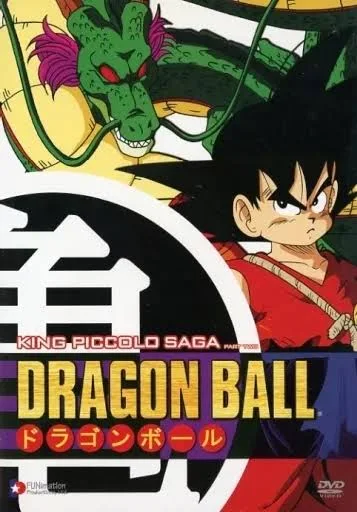
No. 4 Dragon Ball|A 94 for Story, and the starting line if you want to watch all of it in order
| Story | Animation | Characters | Emotional Impact | Total Score |
|---|---|---|---|---|
| 94 | 76 | 95 | 88 | 353 |
The original Dragon Ball aired from February 26, 1986 to April 19, 1989, running 153 episodes. Minoru Okazaki and Daisuke Nishio were the series directors, Takao Koyama took series composition on episodes 131 through 153, Minoru Maeda was chief animator, and Shunsuke Kikuchi wrote the music. Fuji TV and Toei Doga produced, with animation production by Toei Doga.
That 94 for Story is the outright top mark of these 10 entries, and the reason is that the adventure story is complete inside these 153 episodes. You travel in search of the balls, you run into someone stronger, you set out again. Where the later series shift their center of gravity onto fighting, this is the one stretch you can praise purely for how fun the journey is.
The art, on the other hand, we held to 76. This is a show that started in 1986, and watched against today’s standards the sheer amount of visual information is different. For viewers who do not care about that, it is the best possible door into the series; for viewers who do, it is the first wall. That tension is exactly why it lands at fourth.
If your goal is clearly “watch the whole franchise in order,” then starting here is the correct answer. I ended up doing it that way too, clearing all 153 before moving on to Z, and there really is a satisfaction in having respected the order.
- The 94 for Story is the outright best here. As an adventure tale, it is complete in itself
- At 153 episodes it is shorter than Z, and it lets you start in proper order
- With Shunsuke Kikuchi on music and Minoru Maeda as chief animator, the staff line runs straight into Z
- Because it started in 1986, the art scores 76. There is a visible gap against modern production standards
- The only credited series composition is Takao Koyama on episodes 131 through 153, so the early format differs from the later series
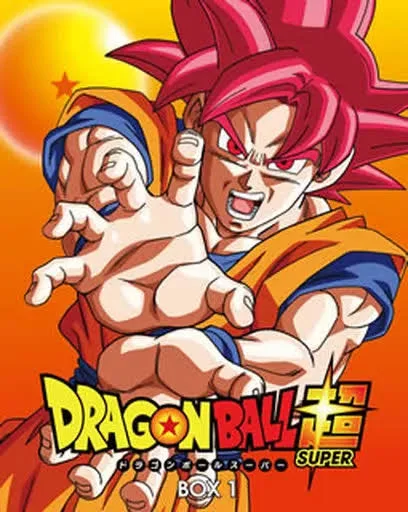
No. 5 Dragon Ball Super|The first fully new TV series in the 18 years since GT
| Story | Animation | Characters | Emotional Impact | Total Score |
|---|---|---|---|---|
| 86 | 88 | 92 | 82 | 348 |
Dragon Ball Super ran 131 episodes from July 5, 2015 to March 25, 2018, in the Sunday 9:00 to 9:30 a.m. slot on the Fuji TV network. It was the first fully new TV series in the 18 years since GT. Character design came from original concepts by Akira Toriyama together with Tadayoshi Yamamuro, with Toyotarou joining as concept collaborator from episode 93 through 131. Norihito Sumitomo wrote the music, and Fuji TV, Yomiko Advertising and Toei Animation produced.
The series director credit is split four ways: Kimitoshi Chioka on episodes 1 through 46, Morio Hatano on 33 through 76, Kohei Hatano on 68 through 76, and Tatsuya Nagamine with Ryota Nakamura on 77 through 131. Because 131 episodes were carved up among multiple teams, the feel varies noticeably from episode to episode. Our scores came out at 92 for Characters, 88 for Animation and 82 for Emotional Impact.
Its position as an entry point is awkward. It is the newer material, so it gets you caught up with “the current series,” but the story begins after the Majin Buu Saga. Which means you need the background. Dragon Ball Super: Beerus, on the air since October 11, 2026, is an enhanced version that rebuilds this Super, so the relationship between the two is worth understanding as well.
Flip that around and, for anyone who has finished Z or Kai, this is the obvious next thing to watch. The weight of that “first fully new series in 18 years” fact really does come through when you take it in as a whole.
- Its position as the first fully new TV series in the 18 years since GT could not be clearer
- Akira Toriyama is credited on character design at the concept stage, with Toyotarou joining as concept collaborator from episode 93 on
- 131 episodes, and the Sunday morning Fuji TV network slot makes the broadcast-era context easy to grasp
- The story starts after the Majin Buu Saga, so it is hard to get into with no background
- The series director role is split across four setups, so the feel varies from episode to episode
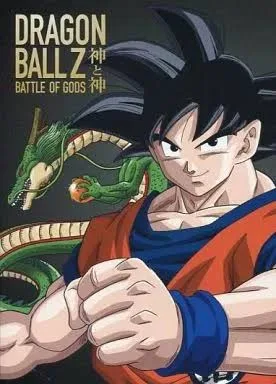
No. 6 Dragon Ball Z: Battle of Gods|The turning point Akira Toriyama was deeply involved in from the script stage
| Story | Animation | Characters | Emotional Impact | Total Score |
|---|---|---|---|---|
| 88 | 86 | 90 | 80 | 344 |
Dragon Ball Z: Battle of Gods opened on March 30, 2013 as the 18th theatrical film in the franchise. The theatrical cut runs 85 minutes and the special edition runs 105. Masahiro Hosoda directed, Yusuke Watanabe wrote the screenplay, Norihito Sumitomo composed, and the theme song is CHA-LA HEAD-CHA-LA by FLOW. The 2013 Dragon Ball Z Production Committee produced it, with Toei and 20th Century Fox distributing. It earned 2.99 billion yen at the Japanese box office.
What makes this film important is that it was the first one where Akira Toriyama got deeply involved from the script stage. More than 90% of the story and dialogue was taken from Toriyama’s plot. Compare that to films one through 17, from 1986 onward, where his involvement stopped at checking plots and screenplays, touching up character designs and changing names, and you can see the character of the project change right here.
We scored it 88 for Story and 90 for Characters. It is also the film that ended the gap in new theatrical releases, 17 years after the 17th film, Dragon Ball: The Path to Power, which opened on March 2, 1996.
In terms of viewing order, there is no need to put it ahead of Broly at number two. But if the goal is “watch exactly one film that marks the series’ turning point,” this is the answer.
- The first film Akira Toriyama was deeply involved in from the script stage, with more than 90% of it taken from his plot
- There is an 85-minute theatrical cut and a 105-minute special edition, and it earned 2.99 billion yen in Japan
- It is a milestone: the revival of the movie line 17 years after the 17th film in 1996
- The story continues on from Z, so it is not suited to being your first watch with no background
- The theatrical cut is 85 minutes and the special edition is 105, so decide which one you are watching in advance
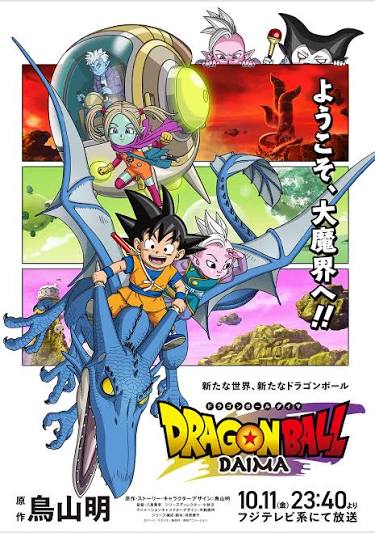
No. 7 Dragon Ball Daima|20 Episodes Designed Top to Bottom by Akira Toriyama for the Manga’s 40th Anniversary
| Story | Animation | Characters | Emotional Impact | Total Score |
|---|---|---|---|---|
| 84 | 92 | 89 | 76 | 341 |
Dragon Ball Daima ran from October 11, 2024 to February 28, 2025 for a total of 20 episodes. Akira Toriyama handled the original work, the story and the character designs; Yoshitaka Yashima directed, Aya Komaki served as series director, Katsuyoshi Nakatsuru did the animation character designs, Yuko Kakihara handled series composition and scripts, Kosuke Yamashita wrote the music, and Toei Animation produced.
According to the official site, the series was positioned as a new entry launching in October 2024, the manga’s 40th anniversary, and that same site notes that worldwide cumulative sales of the collected volumes have passed 260 million copies. The premise: Goku and company are living peacefully when a conspiracy shrinks them down to tiny versions of themselves, and once they trace the cause to a world called the Demon Realm, a mysterious young demon boy named Glorio shows up.
I gave the animation a 92 here. The compactness of a 20-episode run and the sheer alignment of having Toriyama on original work, story and character design all at once really pay off. The 76 for emotional impact is simply the short length showing up in the numbers.
As of October 2026, the streaming services listed on the official site number 11: Netflix, Hulu, U-NEXT, Prime Video, ABEMA, d Anime Store, FOD, Disney+, DMM TV, Video Market and Videx. It sits late in my recommended entry order, but no other entry takes less effort to actually find and watch.
- 20 episodes total, with Akira Toriyama credited on original work, story and character design all at once
- 11 streaming services listed on the official site, the least legwork of any entry to find somewhere to watch
- A clear milestone: it launched in October 2024, the manga’s 40th anniversary
- At just 20 episodes it is short, and emotional impact stops at 76
- The story leans on characters you are assumed to already know, so it is not a true blank-slate starting point
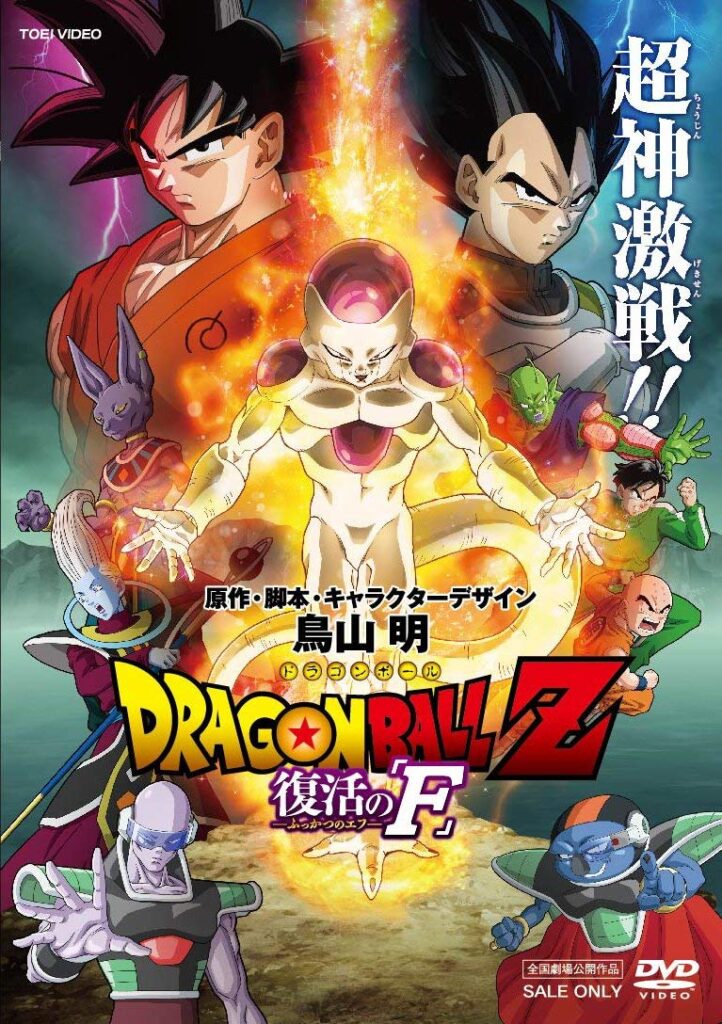
No. 8 Dragon Ball Z: Resurrection ‘F’|The First Film Akira Toriyama Scripted Entirely on His Own
| Story | Animation | Characters | Emotional Impact | Total Score |
|---|---|---|---|---|
| 82 | 88 | 86 | 76 | 332 |
Dragon Ball Z: Resurrection ‘F’ opened on April 18, 2015 as the 19th film in the series, running 94 minutes. Tadayoshi Yamamuro directed, Akira Toriyama wrote the script, Norihito Sumitomo composed the music, and the theme song was Momoiro Clover Z’s “Z” no Chikai. The 2015 Dragon Ball Z Production Committee produced it, with Toei and 20th Century Fox distributing. Its Japanese box office take was 3.74 billion yen.
The significance of this one is right there in the writing credit. It is the first film in the series Toriyama scripted entirely on his own. He was already deeply involved from the plot stage on 2013’s Battle of Gods, and two years later he wrote the whole thing himself. Watch these two back to back and you can see the way the series’ movies were being made shift in real time.
My scores are 88 for animation, 86 for characters and 82 for story. The Japanese gross climbed from the previous film’s roughly 2.99 billion yen to 3.74 billion yen. It lands eighth in my entry order, but as the thing you watch immediately after Battle of Gods, it is well worth your time.
Director Tadayoshi Yamamuro is also the man who handled character designs on Dragon Ball Super. Keep that pairing in mind and the faces behind the series circa 2015 start to connect up.
- The first film in the series with Akira Toriyama as sole screenwriter
- 94 minutes, with a Japanese gross that rose from the previous film’s roughly 2.99 billion yen to 3.74 billion yen
- Director Tadayoshi Yamamuro also did character designs on Dragon Ball Super, tying it to the series of the same era
- It is positioned as the sequel to Battle of Gods, so it does not work as a standalone entry point
- We could not confirm a dedicated official Japanese page for it, so there is no official link here
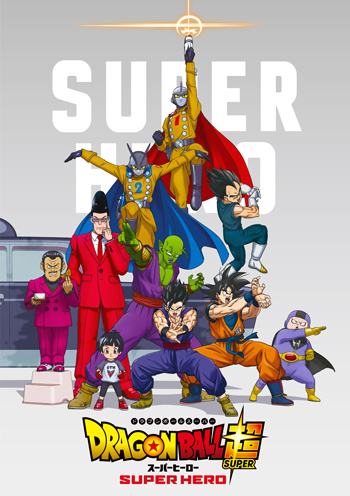
No. 9 Dragon Ball Super: Super Hero|The Latest Film, and a No. 1 Opening-Weekend Hit in the US
| Story | Animation | Characters | Emotional Impact | Total Score |
|---|---|---|---|---|
| 84 | 82 | 84 | 76 | 326 |
Dragon Ball Super: Super Hero opened on June 11, 2022 as the 21st film in the series, running 99 minutes. Tetsuro Kodama directed, Akira Toriyama wrote the script, and Naoki Sato composed the music. The 2022 Dragon Ball Super Production Committee produced it, with Toei, Crunchyroll and Sony Pictures distributing. It grossed 2.51 billion yen in Japan and US$97,242,192 worldwide.
The achievement worth paying attention to is the overseas one. The official site states outright that the film took the No. 1 opening-weekend box office spot in Japan and, more notably, the No. 1 opening-weekend spot in the US. For a film in this series that is a major milestone, and with the music handing off from Norihito Sumitomo to Naoki Sato, it is fair to call this the entry where the production approach got a refresh.
My scores: 84 for story, 82 for animation, 84 for characters and 76 for emotional impact, for a total of 326. I placed it ninth in the entry order because the film is built on a fairly thick layer of series context.
Flip that around, though, and for anyone following the films in release order this is the current finish line. Get here and you have cleared every Dragon Ball movie there is.
- According to the official site, it took No. 1 opening-weekend box office in Japan and No. 1 opening-weekend box office in the US
- 99 minutes, with a worldwide gross of US$97,242,192
- Naoki Sato takes over the music, and Toei, Crunchyroll and Sony Pictures line up as distributors
- It is built on series context, so there is a lot of assumed knowledge for a first watch
- We could not confirm the theme song, so this article does not mention it
No. 10 Dragon Ball GT|An Original TV Series with No Manga Behind It, Running 65 Episodes
| Story | Animation | Characters | Emotional Impact | Total Score |
|---|---|---|---|---|
| 78 | 76 | 84 | 80 | 318 |
Dragon Ball GT aired from February 7, 1996 to November 19, 1997. Counting the 64 regular episodes plus one side-story special, that is 65 episodes in all. Osamu Kasai directed, Aya Matsui handled series composition for episodes 1 through 50, Katsuyoshi Nakatsuru did the character designs, Akihito Tokunaga wrote the music, Toei Doga animated, and Fuji TV and Toei produced.
The first change you notice, and you notice it with your ears, is the music shifting from Shunsuke Kikuchi to Akihito Tokunaga. On the visual side Katsuyoshi Nakatsuru, who handled the back half of Z, stays on, so the look holds its continuity. My scores came out at 84 for characters and 80 for emotional impact against 78 for story and 76 for animation.
The reason it sits at No. 10 is suitability as an entry point. Sixty-five episodes is a very manageable length, but enjoying it requires knowing everything that happened up through Z. It is not a first watch.
What it does work as is the next thing you put on after finishing Z. Even Super’s “first new series in 18 years since GT” billing lands differently once you have watched this.
- 65 episodes is a manageable length, which makes it a natural follow-on to Z
- Character designs are by Katsuyoshi Nakatsuru, continuing straight from the back half of Z
- With Akihito Tokunaga on music, it has a distinctly different feel from the rest of the series
- It assumes you know the story up through Z, so it is a poor first watch
- Director, series composition and music all changed hands at once, so you cannot watch it expecting Z
Bonus: Is Jumping In with the Currently Airing Dragon Ball Super: Beerus a Good Idea?
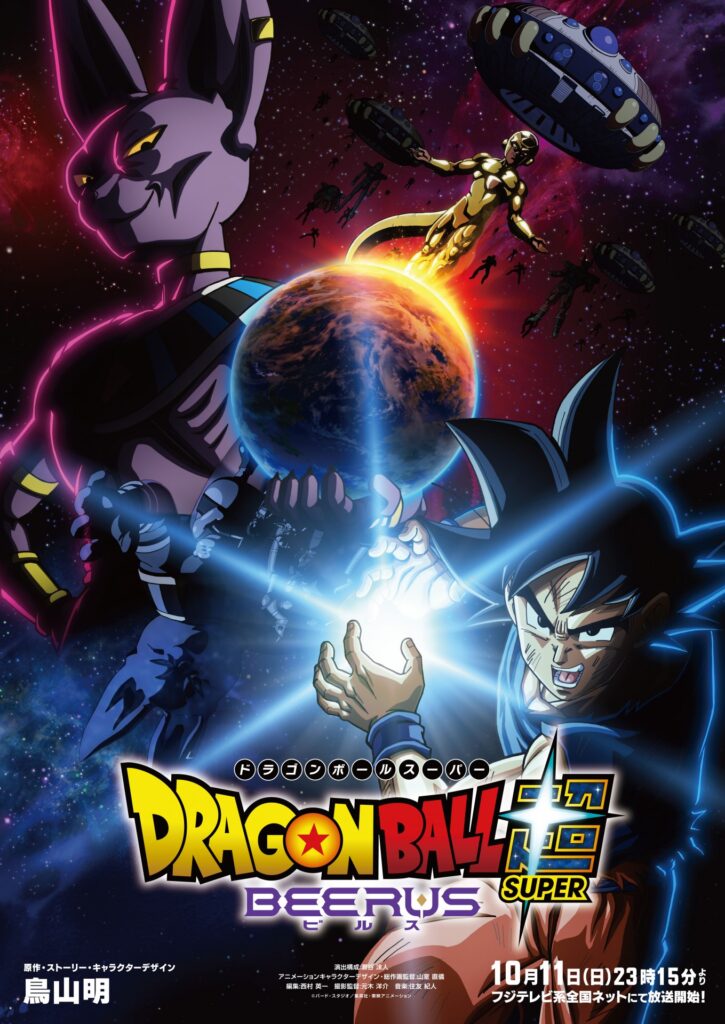
Short answer: I would not recommend it as your first watch. But if your goal is “I want to watch whatever everyone else is watching right now,” it is the best possible pick.
Dragon Ball Super: Beerus began airing on October 11, 2026 at 11:15 p.m. on Sunday nights across the Fuji TV network. The reason it is not in this article’s main ranking is that it is an enhanced version of Super, and including it would mean counting the same story twice. The official site describes its nature like this.
For this production, the series has been “enhanced” with substantial new cuts, redrawn material and a restructured narrative. Through the latest in visual craft, it arrives here as an enhanced version offering even greater immediacy in its battle scenes and a more precise rendering of the original manga.
Source:Dragon Ball Super: Beerus official site
In other words, the visuals are brand new but the story itself is not. On top of that, the story section of the official site states plainly that it opens several years after the brutal fight with Majin Buu, with Earth having regained a brief stretch of peace. Translation: you need prior knowledge. The episode subtitles released so far are “The God of Destruction” for episode 1, “The God of Destruction Heads for the Sacred World of the Kai” for episode 2, and “The God of Destruction Comes to Earth” for episode 3.
On staff, Akira Toriyama is credited with original work, story and character designs, Tadayoshi Yamamuro handles animation character designs, Norihito Sumitomo writes the music, and Toei Animation produces. The opening theme is Megatera Zero’s “Onogami” and the ending theme is Vickeblanka’s “Kanpeki no Peki.” The official site lists the cast as Masako Nozawa as Goku, Koichi Yamadera as Beerus, Masakazu Morita as Whis, Shoko Nakagawa as the Oracle Fish, Ryo Horikawa as Vegeta, Hiromi Tsuru as Bulma, Toshio Furukawa as Piccolo, Mayumi Tanaka as Krillin, Ryota Suzuki as Yamcha and Masaharu Sato as Master Roshi.
If you do want to watch it, the right move is to get through the Majin Buu arc in either Z or Kai first, then join in. Which also means: run all the way through No. 3, Kai, and you catch up to Beerus as it airs. That is a pretty appealing goal to set yourself as a newcomer, isn’t it?
Bonus: Where Do the 17 Films Made Through the 1990s Fit In?
The 17 films from the first one, Curse of the Blood Rubies, through the 17th, The Path to Power, are not in the main ranking. The reason comes down to definitions. These were short features screened as the headline attraction at the Toei Manga Matsuri and Toei Anime Fair events, and even for the ones whose running times I could confirm, the 11th film runs 70 minutes and the 16th runs 52. They were built on the assumption that you knew the TV series, which disqualifies them under a “your very first watch” standard.
That is not to say they are lightweight. The 11th film, Broly: The Legendary Super Saiyan, posted 1.37 billion yen in distribution revenue, its theme song was Hironobu Kageyama’s “CHA-LA HEAD-CHA-LA,” Shunsuke Kikuchi wrote the music, Toei Animation produced and Toei distributed. The 16th, Wrath of the Dragon, had Hironobu Kageyama’s “Ore ga Yaranakya Dare ga Yaru” as its theme song, with Shunsuke Kikuchi on music and Toei Doga producing.
In terms of viewing order, the satisfying approach is to slot them in once you have reached the corresponding stretch of the TV series. The full list of all 21 films is in this article’s complete-works table, so pick from there with the release dates and directors in front of you. Blitzing all 17 in one sitting is, I have to say, not something I would recommend.
Where Can You Stream Dragon Ball? What the Official Sites List as of October 2026
As of October 2026, only two entries have streaming services spelled out on their official sites: Daima and Super: Beerus. For every other TV series and film, I could not confirm an official listing, so this article does not name streaming services for them.
| Title | Streaming services listed on the official site | Notes |
|---|---|---|
| Dragon Ball Daima | Netflix, Hulu, U-NEXT, Prime Video, ABEMA, d Anime Store, FOD, Disney+, DMM TV, Video Market, Videx | 11 services listed on the official site |
| Dragon Ball Super: Beerus | Prime Video, U-NEXT, ABEMA, d Anime Store, FOD, DMM TV, Netflix, Niconico | Prime Video and U-NEXT get it first, at 12:15 a.m., 30 minutes after broadcast |
For Super: Beerus, the official word is that Prime Video and U-NEXT carry it first at 12:15 a.m., 30 minutes after the broadcast ends, while the other streaming services are scheduled to get it at 12:15 a.m. every Thursday. If you want to keep pace with the broadcast, locking in one of those two is all you need.
Daima is 20 episodes with 11 officially listed streaming services. In terms of sheer options for where to watch, it is the best-served entry in the whole series. It is seventh in my entry order, but if your selection method is “whatever I can already watch on the subscriptions I have,” this is the realistic answer.
Enjoying this article? Add us as a preferred source on Google.
Which Dragon Ball Should You Watch First? The Scores for All 10 TV Series and Films
Here are the key points one more time. The top total score goes to Dragon Ball Z, 291 episodes plus two specials, at 367 points. Second is the 100-minute film Dragon Ball Super: Broly at 366, whose 98 for animation is the single highest mark among these 10. Third is the 159-episode Dragon Ball Z Kai at 360.
The shortest route to your goal breaks down like this. If you want to watch exactly one thing and decide from there, take No. 2, Broly. If it clicks, run the 159 episodes of No. 3, Kai, and roll straight into Super: Beerus, which has been airing since October 11, 2026. If you want to watch the whole series in order, start with No. 4, the 153-episode original with its 94 for story, and move on to No. 1, Z.
As of October 2026 the tally stands at seven TV series, including the currently airing Super: Beerus, and 21 films, for 28 productions in total. Only Daima and Super: Beerus have streaming services spelled out on their official sites, and for Beerus, Prime Video and U-NEXT carry it first at 12:15 a.m., 30 minutes after broadcast.
The biggest waste of all is the time you spend agonizing over which one to start with. Scan the numbers in the score tables, pick whichever title scores highest on the axis you care about, and if it does not land, move to a different one. There are 28 of these things. You have plenty of room to choose again.
The Dragon Ball entry-point problem is not “which one is the masterpiece,” it is “which one can I actually finish.” Z, the top total score, is 291 episodes plus two specials; No. 3, Kai, is 159 episodes; No. 2, Broly, is 100 minutes. Line those three numbers up and your answer should pick itself. The fact that the highest marks across my four scoring axes scatter so neatly, with the original taking story at 94, Broly taking animation at 98, and Z taking both characters at 96 and emotional impact at 95, says a lot about why this series has lasted as long as it has.
If you cannot decide, watch the 100-minute Broly and nothing else. If it works for you, the 159 episodes of Kai will carry you all the way to the currently airing Beerus. As of October 2026, that is the cleanest on-ramp there is.
Read Next
Snicker Kitamura




Leave a Reply