



Enjoying this article? Add us as a preferred source on Google.
“Well, that’s another one for the backlog.” Ever caught yourself thinking that while scrolling your Steam wishlist? Look closely at that backlog and you’ll notice a pattern: most of it is games you bought because they looked amazing, then shelved because they were too brutally hard to finish.
Every time I spot a copy of Sekiro in an Akihabara used-game shop, my hands still twitch a little. The memory of Genichiro breaking my spirit hasn’t faded yet… though I’m well aware that a guy with two divorces behind him isn’t exactly in a position to lecture anyone about mental toughness.
Some games are genuinely masterpieces and still impossible to recommend to the average person. The reviews are glowing. The craftsmanship is top tier. But hand one to a newcomer with a breezy “you’ll love this,” and nine times out of ten they’ll set the controller down within a few hours. Those are the games we’re talking about here.
So for this ranking, we scored genuinely acclaimed high-difficulty titles on four axes: brutality, unfairness, spirit-crushing power, and grind demand. The result is a “games we can’t recommend” ranking. Before you buy, take a minute to figure out how much punishment you can actually take.
Here’s the short version: the top spot goes to a legendary indie exercise in self-inflicted misery. Once you read the scoring criteria below, you’ll understand exactly why it outranks acclaimed AAA titles like Sekiro and Elden Ring.
What makes a game too hard to recommend? Our criteria explained
A game that’s too hard to recommend isn’t just one with tricky controls. It’s a title that piles on unfair instant-death moments, relentless psychological pressure, and enormous amounts of repetition, driving an extremely high dropout rate among ordinary players.
For this ranking, we deliberately skipped the usual “accessibility” and “graphics” categories in favor of the four axes below. When the thing you’re measuring is how hard a game is to recommend, these four do the job best.
- Brutality: how short the gap is between taking a hit and dying, plus the precision the game demands
- Unfairness: the volume of gotcha deaths, traps, and behavior that breaks its own patterns
- Spirit-crushing power: the psychological pressure that grinds down a player’s motivation
- Grind demand: how much repetition full completion requires
All four axes are scored in the same direction: the higher the number, the harder the game is to recommend. The higher the total, the higher it places in the ranking, meaning the smaller the audience it’s suited for.
All 10 games scored side by side: brutality, unfairness, spirit-crushing power, and grind demand
Let’s start with the full comparison. The higher the total, the more firmly our editorial team believes the average player should stay away. This time we ignored the line between Western and Japanese releases and threw in two legendary Famicom-era difficulty monsters as well.
| Title | Brutality | Unfairness | Spirit-Crushing | Grind Demand |
|---|---|---|---|---|
| (1) Getting Over It | 99 | 95 | 100 | 70 |
| (2) Sekiro | 96 | 80 | 88 | 85 |
| (3) Bloodborne | 92 | 78 | 80 | 82 |
| (4) Cuphead | 88 | 70 | 78 | 80 |
| (5) Hollow Knight | 90 | 82 | 75 | 68 |
| (6) Nioh 2 | 85 | 65 | 70 | 92 |
| (7) ELDEN RING | 80 | 60 | 65 | 95 |
| (8) DARK SOULS III | 78 | 62 | 60 | 88 |
| (9) Spelunker | 90 | 85 | 75 | 30 |
| (10) Dragon Quest II | 70 | 78 | 68 | 60 |
Glance at the raw numbers and you might assume Sekiro or Elden Ring would take the crown, but in the final totals the top spot goes to an indie title that specializes in pure, undiluted suffering. Ninth and tenth place went to two legendary difficulty spikes from the dawn of the Famicom era. The breakdowns for each rank explain the reasoning.
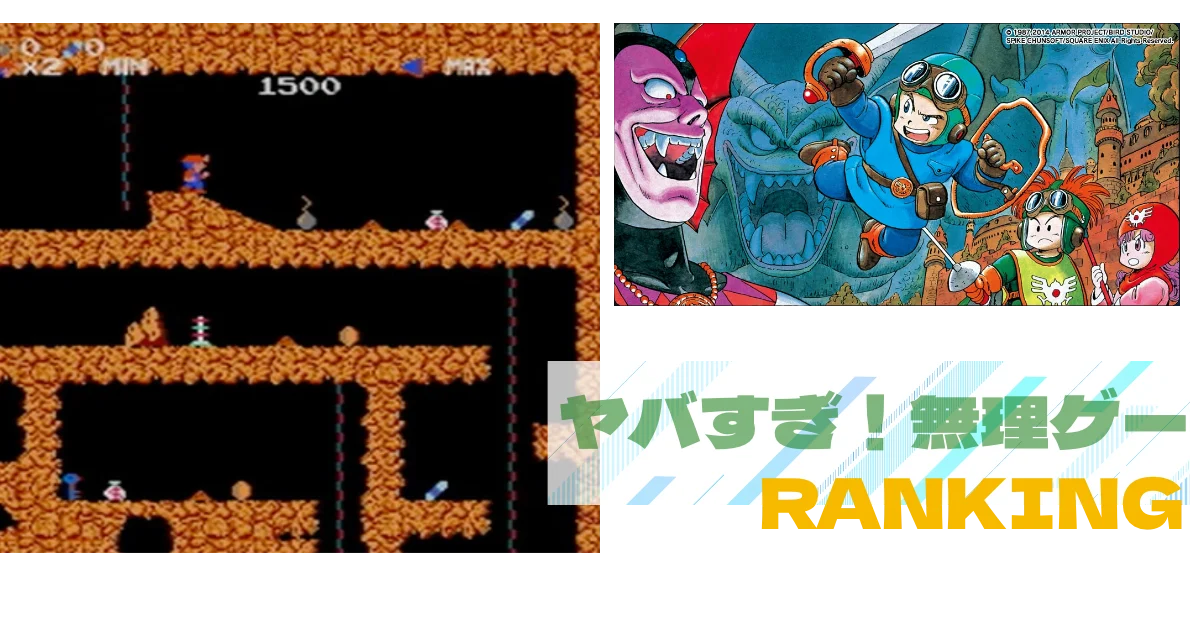
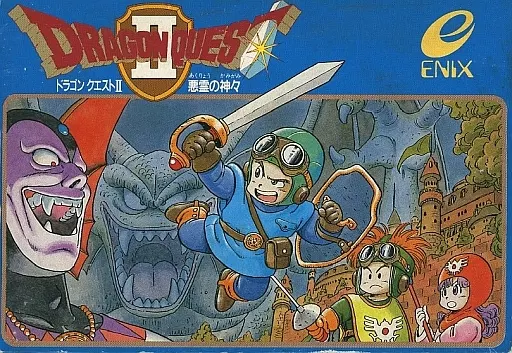
No. 10: Dragon Quest II: Luminaries of the Legendary Line — the save-free Cave to Rhone is the stuff of legend
| Brutality | Unfairness | Spirit-Crushing | Grind Demand | Total Score |
|---|---|---|---|---|
| 70 | 78 | 68 | 60 | 276 |
Released by Enix (now Square Enix) on January 26, 1987, Dragon Quest II: Luminaries of the Legendary Line is a landmark RPG, the first in the series to introduce a party system and field commands. It’s equally famous for something else: among players of the day, it became shorthand for a game you could get permanently stuck in.
The biggest wall is the late-game Cave to Rhone. The original Famicom version had no save points inside it, so you had to clear one enormous dungeon in a single sitting, complete with tangled branching paths and wave after wave of vicious enemies. Beyond it, the Cave of Darkness goes almost pitch black without lamp light, leaving you at the mercy of ambushes you can’t see coming. A GAME Watch feature notes that Rhone is still passed down in gaming lore as the gauntlet that traumatized an entire generation of players.
Today it’s available on Nintendo Switch and smartphones for 935 yen, or about US$6 (as of July 2026, confirmed on the official My Nintendo Store page; converted at roughly 153 yen to the dollar). The UI and some of the balance have been smoothed out compared with the original, but the oppressive weight of Rhone as a concept is fully intact. On the plus side, US$6 gets you a monument of RPG history. On the downside, plenty of classic-era design cruelty survives, starting with the scarcity of save points, which still stings by modern standards.
- A cornerstone of RPG history for just 935 yen (about US$6)
- The Switch and smartphone versions have a modernized UI
- Historic value as the origin point of the party-based RPG
- The Cave to Rhone is still a marathon that breaks people
- Grinding levels and gear beforehand is effectively mandatory
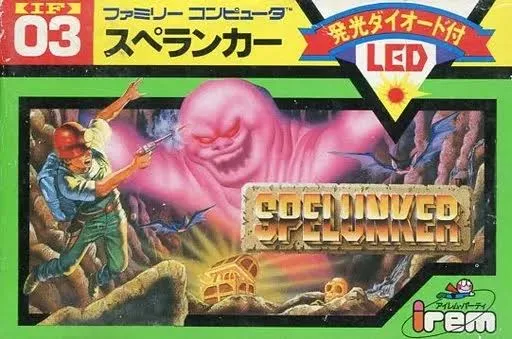
No. 9: Spelunker — the weakest protagonist in history and the legend of unfair deaths he spawned
| Brutality | Unfairness | Spirit-Crushing | Grind Demand | Total Score |
|---|---|---|---|---|
| 90 | 85 | 75 | 30 | 280 |
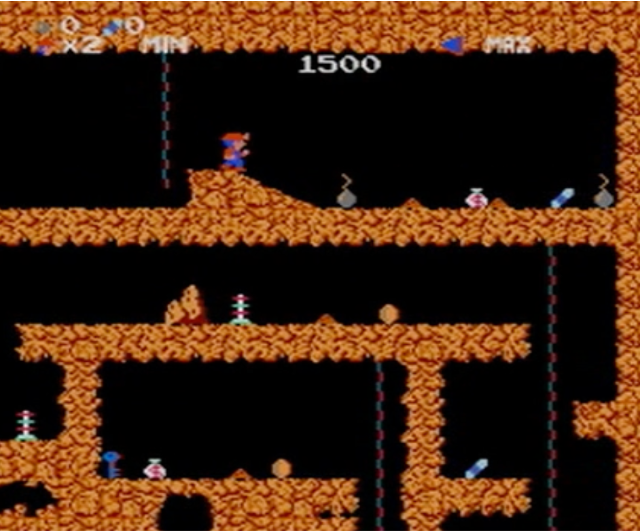
The Famicom version of Spelunker, released by Irem on December 7, 1985, is a simple action game about guiding a cave explorer toward buried treasure. But thanks to its hero’s absurd fragility, it became the definitive example of an unfair death machine in Japanese gaming history.
Drop off a ledge roughly knee-high and you die. Get hit by bat droppings and you die. Your torch burns out within seconds and you lose all visibility. It’s one moment after another where any reasonable person would shout, “That kills me?” That extreme frailty later hardened into an internet meme, to the point that comparing someone to Spelunker became common shorthand for hopelessly fragile. A GAME Watch 40th anniversary feature notes that this record-setting weakness is still beloved and still being talked about today.
The Famicom original itself is hard to find on today’s major storefronts, but its successor Spelunker HD Deluxe (Switch/PS4, released July 15, 2021) lets you experience that unfair charm with modern conveniences. It runs 2,640 yen (about US$17) for the download version and 3,300 yen (about US$22) for the physical release, tax included (as of July 2026, confirmed on the official My Nintendo Store page). On the plus side, the sheer variety of ways to die crosses over into genuinely funny. On the downside, the stages themselves are short, so its grind demand score lands well below the other titles here.
- The legendary variety of unfair deaths makes for great stories
- The successor supports multiplayer and plays well by modern standards
- A chance to experience the birthplace of a gaming meme firsthand
- The original Famicom version is hard to get on today’s major storefronts
- Those unfair hitboxes are still flat-out stressful by modern standards
[No. 8] DARK SOULS III | The Series’ Grand Finale Delivers a Steady Kind of Brutal
| Brutality | Unfairness | Rage-Quit Factor | Replay Depth | Total Score |
|---|---|---|---|---|
| 78 | 62 | 60 | 88 | 288 |
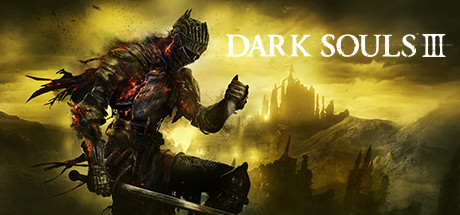
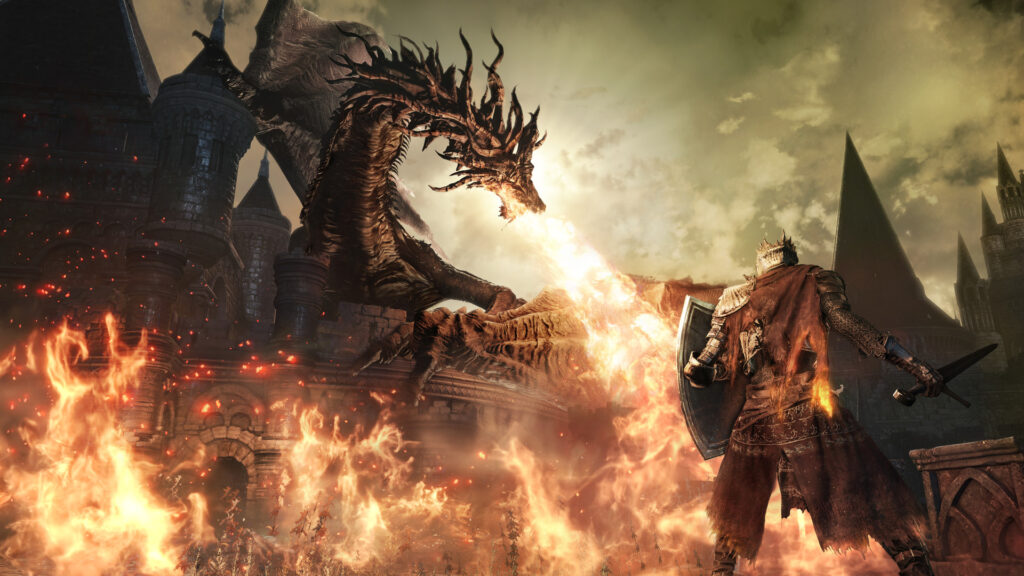
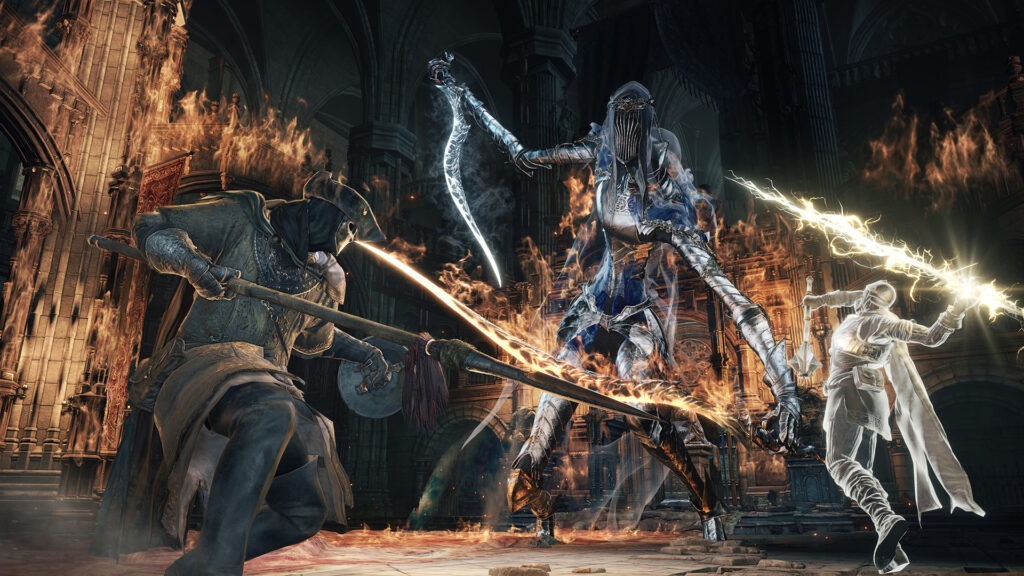
Released by FromSoftware on March 24, 2016, DARK SOULS III is widely regarded as the series in its most refined form — and that’s exactly why it’s the one entry among these eight that you can still hand to a friend without feeling guilty about it. Its Unfairness score of 62 sits relatively low because the viciously placed traps that ran riot in the original DARK SOULS have been tidied up, with the design leaning instead toward straight-up slugfests you win on merit.
Don’t get comfortable, though. The late-game boss-rush pileup is relentless, and that Replay Depth score of 88 tells you everything: start chasing the perfect build and you’ll sink in without a bottom in sight. Around our office it’s the game people call “the most playable Soulslike out there” — though one staffer went dead silent after walking straight into an instant-death trap in a brand-new area.
The price is about US$39 (5,940 yen, tax included), and the Fire Fades Edition costs the same, making it a complete package with the DLC bundled in and a serious amount of value per dollar (verified on the official Steam store, as of July 2026).
- The fairest of all eight games as a Soulslike entry point
- Great value at about US$39 (5,940 yen) with the DLC included
- Endlessly satisfying build experimentation across repeat playthroughs
- “Beginner-friendly” or not, the ambushes still show no mercy
- Balancing built around repeat runs makes the grind rabbit hole a deep one
[No. 7] ELDEN RING | Wide Open Freedom, With a Few Bosses That Break the Scale
| Brutality | Unfairness | Rage-Quit Factor | Replay Depth | Total Score |
|---|---|---|---|---|
| 80 | 60 | 65 | 95 | 300 |
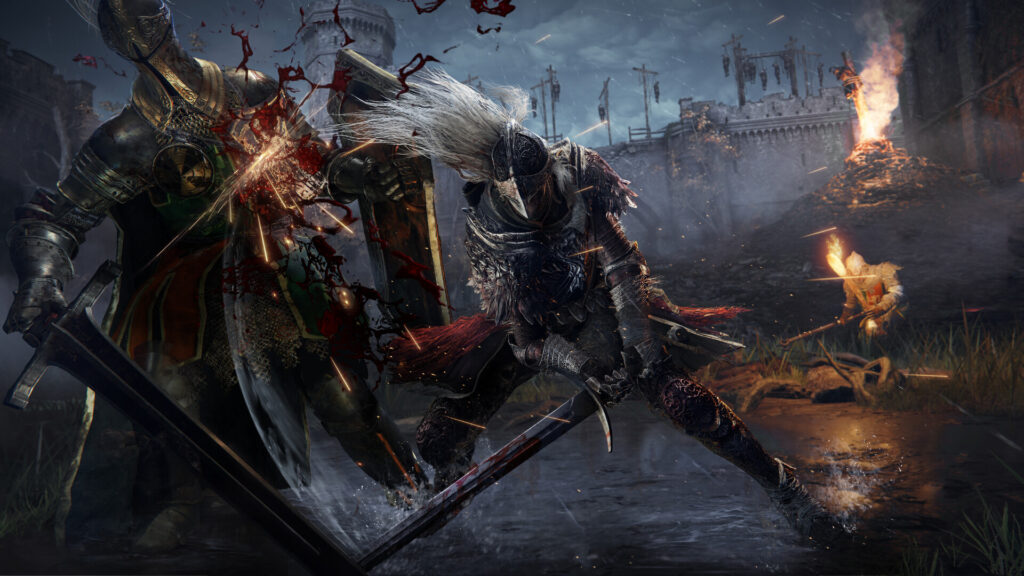
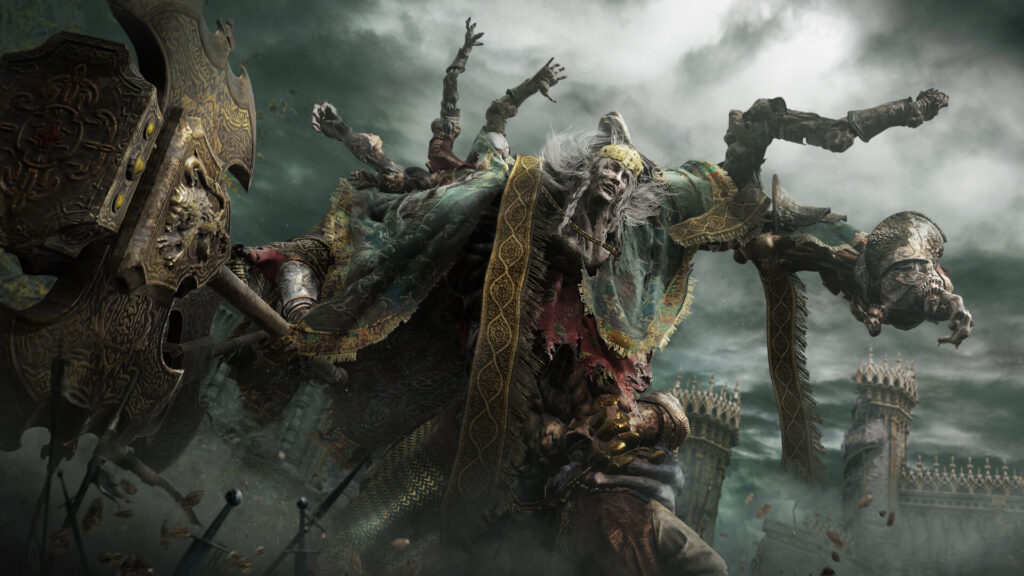
Launched on February 25, 2022, ELDEN RING used its open-world structure to build in an escape hatch no FromSoftware game had really offered before: if you’re stuck, go somewhere else. That single design choice makes it unusually welcoming by the studio’s standards, and it’s why its Unfairness score of 60 is the lowest of all eight games here.
That score is an average, though — and averages lie. The optional boss Malenia, Blade of Miquella, is notorious for aerial combo chains and Waterfowl Dance lifesteal that heals her back up in an instant, a design that has driven solo players to despair. One of our staffers knows the feeling: “I’d gotten complacent wandering the open world, and then a brick wall of a boss beat me to death out of nowhere.” The DLC SHADOW OF THE ERDTREE, released June 21, 2024, added several more bosses in the same punishing vein.
The base game runs about US$60 (9,240 yen, tax included), with the DLC at about US$29 (4,400 yen) (verified on the official Steam store, as of July 2026). Its across-the-board acclaim and Replay Depth score of 95 are no accident — this is also the one game on this list that people genuinely do recommend to everyone. Which is precisely why writing it off over a handful of unfair bosses would be a waste.
- The freedom to shelve whatever’s blocking you and come back later
- Sheer volume and post-game content rank at the top of these eight
- Multiplayer lets you bring backup and take bosses down together
- Some bosses, Malenia above all, are borderline unadvisable to solo
- Base game plus DLC comes to about US$89 (13,640 yen), a steep buy-in
[No. 6] Nioh 2 | A Build-Crafting Rabbit Hole That Breaks Newcomers
| Brutality | Unfairness | Rage-Quit Factor | Replay Depth | Total Score |
|---|---|---|---|---|
| 85 | 65 | 70 | 92 | 312 |
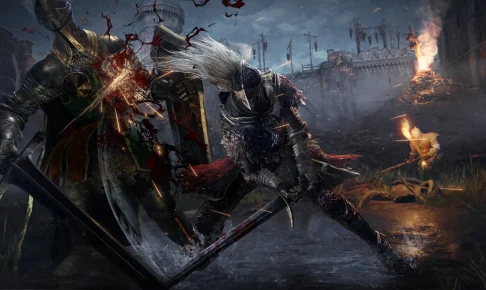
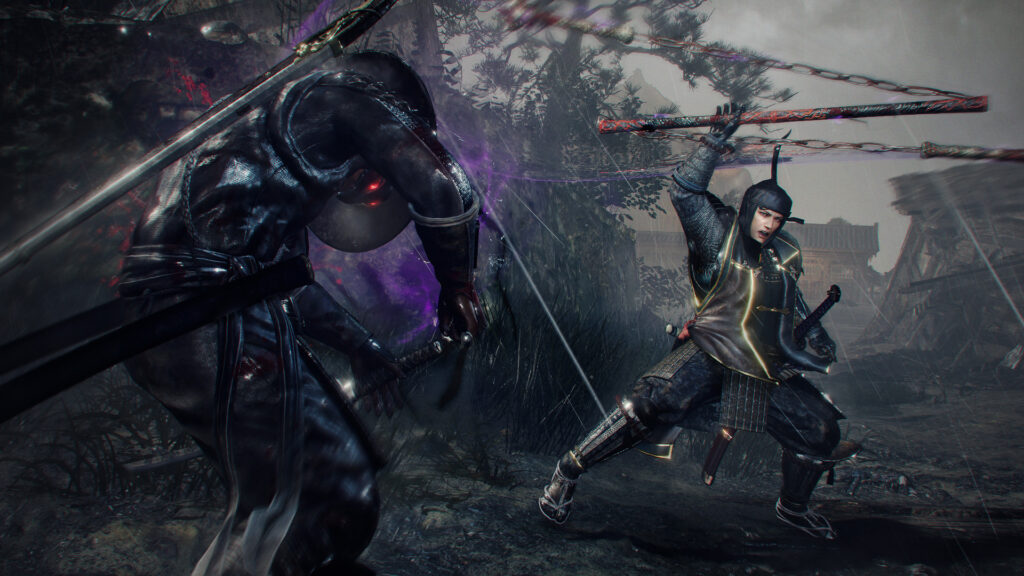
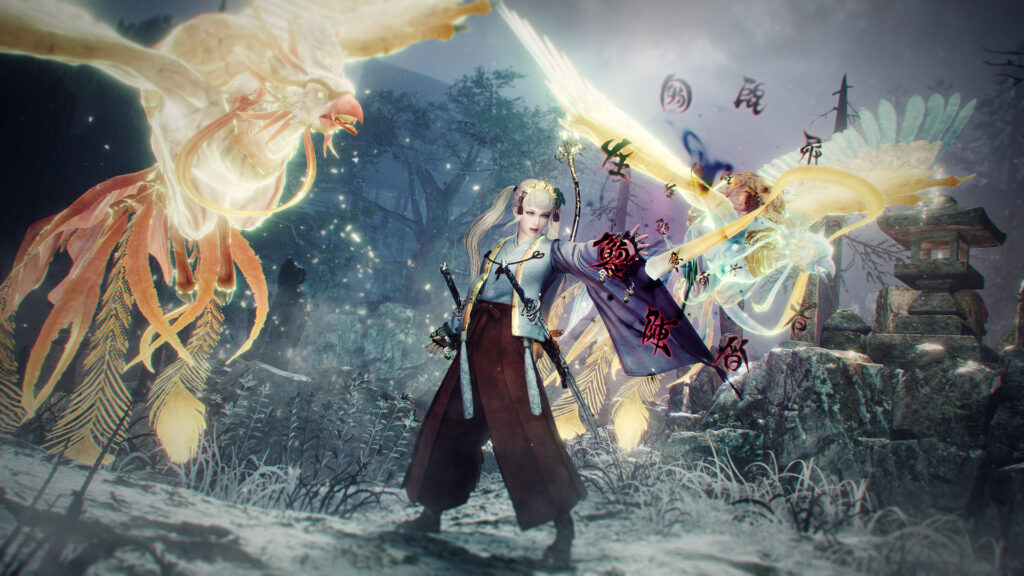
Developed by Team NINJA and published by Koei Tecmo Games on February 4, 2021, Nioh 2 Complete Edition takes the Soulslike template and dumps a mountain of proprietary systems on top of it — Ki, Yokai Shift, Onmyo Magic — making it the poster child for build-crafting action RPGs you disappear into.
The trouble with this genre is that charging in without understanding the systems gets you washed out within the first few hours. The gear min-maxing is as deep as anything on the market, and that Replay Depth score of 92 backs it up. Whether you can scale the wall of jargon — variable weapons, Onmyo Magic, the Dark Realm — is the first gate separating beginners from everyone else.
The Steam Complete Edition (base game plus three DLC packs) runs about US$42 (6,380 yen, tax included) (verified on the official Steam store, as of July 2026). It’s a perfect fit for veterans who’ve cleared their Soulslike backlog and are hunting for the next thing to drown in — but it is absolutely not the one to start with.
- Enormous content haul for about US$42 (6,380 yen) with three DLC packs
- Gear hunting and build crafting rank among the deepest anywhere
- A Sengoku-meets-yokai Japanese setting with no real equivalent
- Steep learning curve for the jargon and layered systems
- Soulslike first-timers tend to break in the opening few hours
[No. 5] Hollow Knight | The Main Game Plays Fair — Then There’s the Hidden “Path of Pain”
| Brutality | Unfairness | Rage-Quit Factor | Replay Depth | Total Score |
|---|---|---|---|---|
| 90 | 82 | 75 | 68 | 315 |
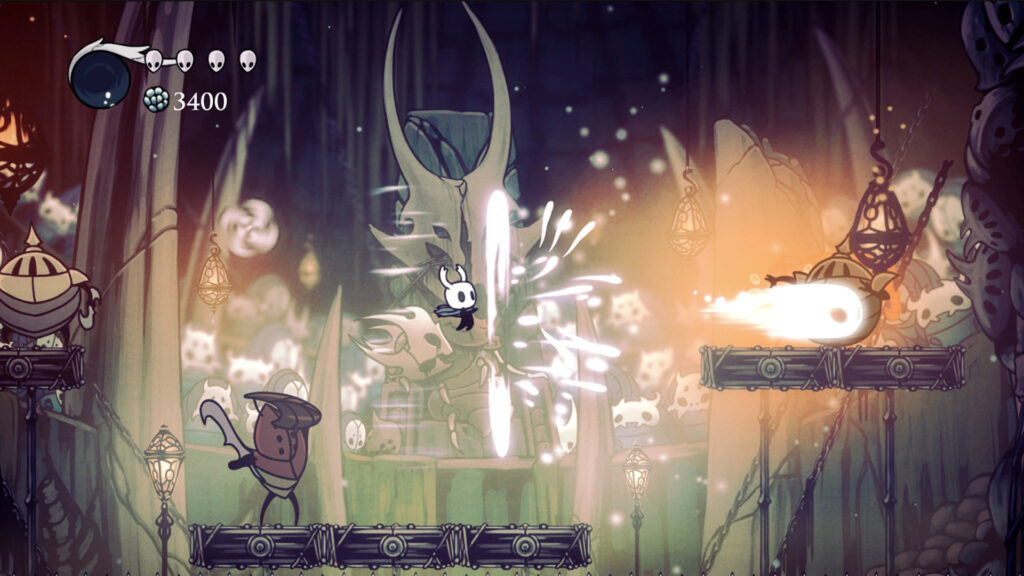
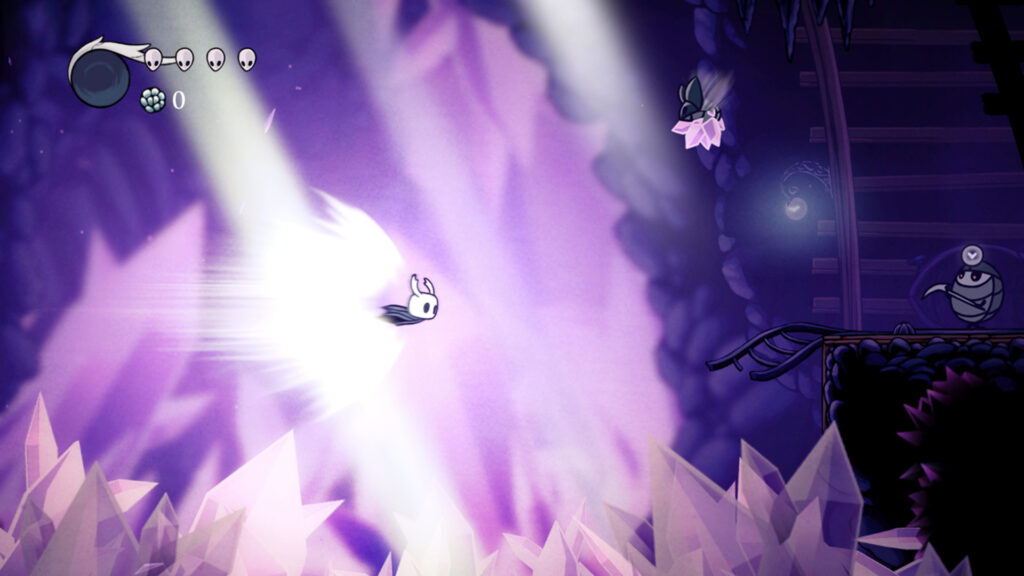
Team Cherry’s Hollow Knight, released on Steam on February 25, 2017, earned its reputation on gorgeous hand-drawn visuals and rock-solid Metroidvania design. Play only the main campaign and it honestly lands on the fair end of these eight games.
The problem is the hidden area you unlock after the credits roll: the Path of Pain. It’s a single corridor carpeted wall-to-wall with instant-death spikes, and the design demands you clear the whole thing where one hit sends you straight back to the start. Players abroad have described it as “not built for human beings,” and that’s how it earns an Unfairness score of 82.
The Steam version normally sells for about US$10 (1,480 yen, tax included) (verified on the official Steam store, as of July 2026). To be fair to both sides: if you simply play the main game, it’s a masterpiece that repays that price many times over — but it is engineered to wound completionists who insist on hitting 100% including every hidden corner.
- Outstanding value at about US$10 (1,480 yen) for the main game alone
- Beautiful art paired with genuinely meaty exploration
- Skip the Path of Pain and you can finish it just fine
- Completionists will break in the hidden area, guaranteed
- Even the main game runs a little tough for Metroidvania newcomers
[No. 4] Cuphead | Let That Cute Art Style Fool You and the Boss Rush Ends You

| Brutality | Unfairness | Rage-Quit Factor | Replay Depth | Total Score |
|---|---|---|---|---|
| 88 | 70 | 78 | 80 | 316 |
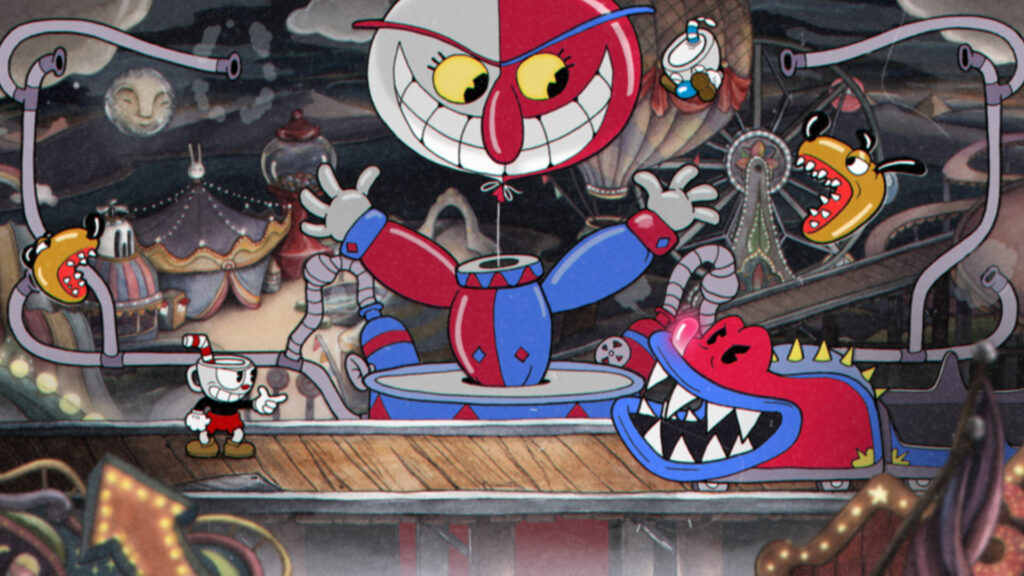
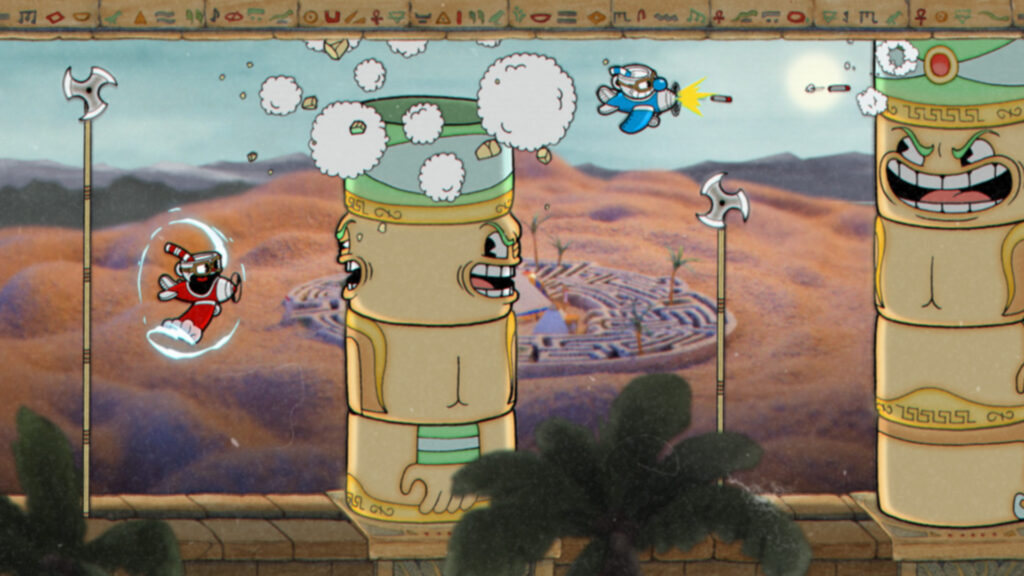
Studio MDHR’s Cuphead, released September 29, 2017, became a worldwide hit on the strength of a look nobody else has: a faithful re-creation of 1930s hand-drawn animation wrapped around a run-and-gun shooter. And the stories of parents who took one look at that adorable art, assumed it was a kids’ game, bought it, and descended into chaos are the stuff of internet legend.
The entire game is structured as a boss rush, and every boss shifts its attack patterns wildly across multiple phases. Plenty of encounters require you to land parries — the special move that deflects pink projectiles — cleanly and repeatedly or your chain falls apart, which is how it lands a Brutality score of 88.
The Steam version costs about US$13 (1,980 yen, tax included), with the story expansion The Delicious Last Course sold separately (verified on the official Steam store, as of July 2026). On the plus side, deaths hand you a snappy retry loop that’s dangerously good at triggering the “okay, one more try” reflex. On the downside, there’s almost no stage content between fights — it’s boss after boss, with nowhere to catch your breath.
- An easy impulse buy at about US$13 (1,980 yen)
- Instant retries after death keep the pace relentless
- That 1930s cartoon look still has no competition
- The cute exterior hides a game that turns beginners away at the door
- Frequent demands for parry precision put your reflexes on trial
No. 3: Bloodborne – The Only Way to Heal Is to Attack
| Brutality | Unfairness | Rage-Quit Factor | Replay Value | Total Score |
|---|---|---|---|---|
| 92 | 78 | 80 | 82 | 332 |
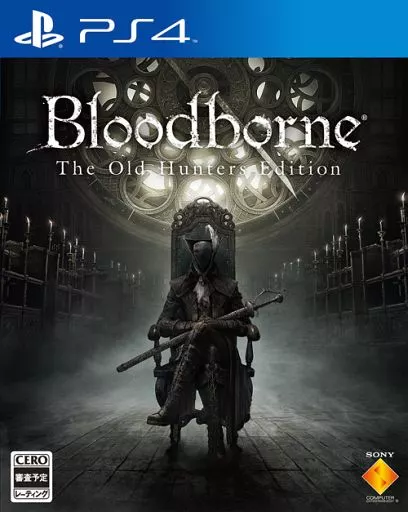
Bloodborne, the PS4 exclusive FromSoftware released on March 26, 2015, takes away your shield and builds everything around the Rally system, which rewards you for charging back in and eating damage to win your health back. It is the most aggressive design philosophy in the studio’s catalog. Blood Vials, your only healing item, are limited in number, so there’s a constant low-grade panic that you’ll run dry and soft-lock your own run.
The gothic horror world is simply staggering. The atmosphere the first time you step into the Hunter’s Nightmare is something I can still picture perfectly, and plenty of people on our staff came away shaken by that heavy, grotesque beauty. That said, the enemy placement in the Hunter’s Nightmare and the Chalice Dungeons is a nonstop parade of ambushes you cannot see coming, which is why the unfairness score lands at a hefty 78.
On the PlayStation Store, the standard edition runs 2,189 yen (about US$14), while The Old Hunters Edition with the DLC included is 4,389 yen (about US$29), both tax included, as verified on the official PlayStation Store page in July 2026. Because it’s a PS4 exclusive, you can still play it on PS5 via disc or download, but no official PS5 remaster has been announced as of this writing.
- A gothic horror masterpiece for just 2,189 yen (about US$14)
- The offense-first combat design creates a rush nothing else matches
- The world and art direction still haven’t aged a day
- No shields, no falling back on defense – rough on newcomers
- PS4 exclusive, so your hardware options are limited
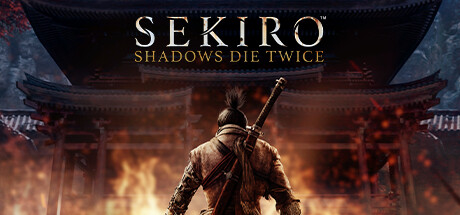
No. 2: Sekiro: Shadows Die Twice – The One Game That Officially Refuses Difficulty Options
| Brutality | Unfairness | Rage-Quit Factor | Replay Value | Total Score |
|---|---|---|---|---|
| 96 | 80 | 88 | 85 | 349 |
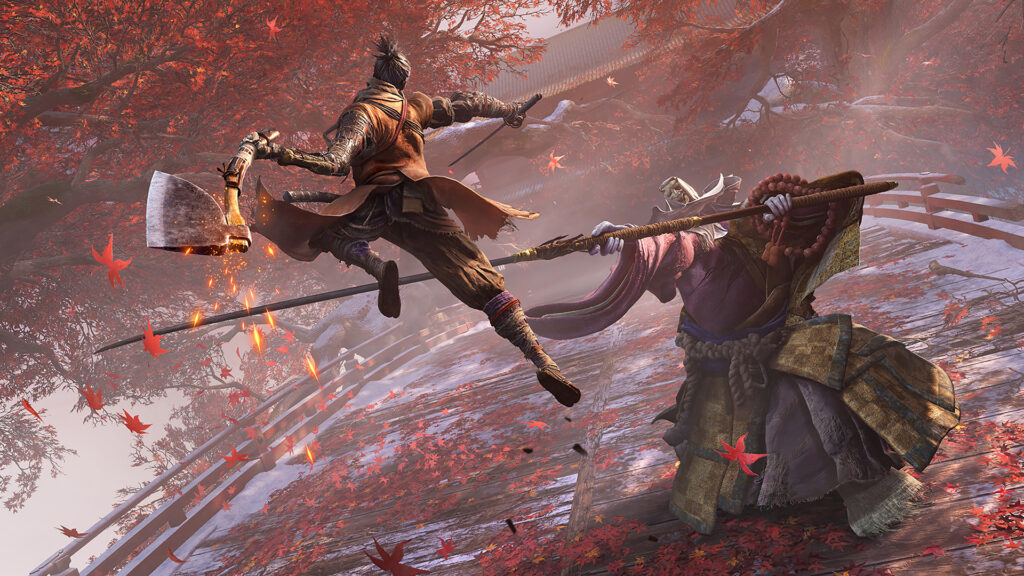
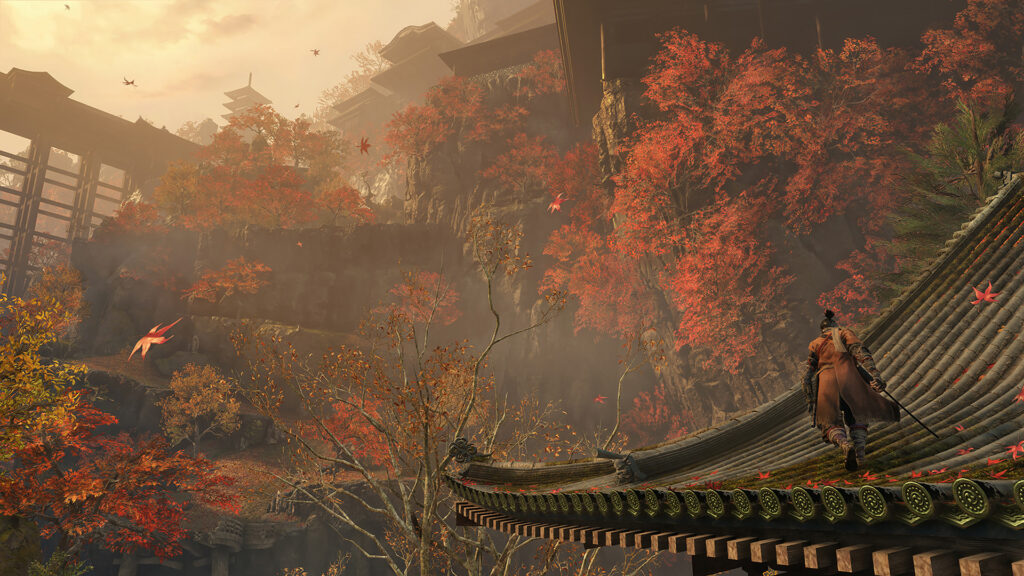
Released on March 22, 2019, Sekiro: Shadows Die Twice inherits the bloodline of FromSoftware’s Souls games but throws out the option to brute-force your way through with better gear or more levels. Instead it goes all-in on a posture system built around deflecting. Your own skill is the only variable that matters, and the tension sits closer to a fighting game than an RPG.
In an interview with GameSpot, Hidetaka Miyazaki explained that the game has no easy mode or difficulty options because he wants every player to share the same level of accomplishment and joy, according to reporting across multiple outlets. That refusal to compromise is exactly why the game remains divisive and exactly why nothing else feels quite like it.
Play it yourself and you’ll find out fast that our staff was no more immune than anyone else to the back-to-back gauntlets of Genichiro and the Guardian Ape. “I stared at the same screen dozens of times before the rhythm of deflecting finally sank into my hands” is the honest summary. The GOTY Edition runs 8,360 yen (about US$55) on Steam, tax included, as verified on the official Steam store page in July 2026.
- Mastering the deflect delivers a high no other game replicates
- Gorgeous Sengoku-meets-shinobi visuals and soundtrack
- Since you can’t muscle through it, your actual skill genuinely improves
- Zero difficulty settings means there is no escape hatch
- Action game newcomers will absolutely stall out early
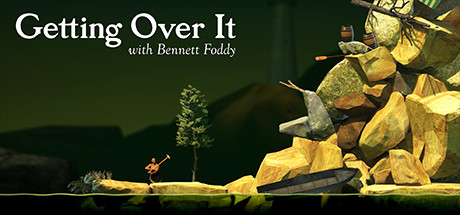
No. 1: Getting Over It with Bennett Foddy – The Legendary Torture Game “Made for a Certain Kind of Person. To Hurt Them.”
| Brutality | Unfairness | Rage-Quit Factor | Replay Value | Total Score |
|---|---|---|---|---|
| 99 | 95 | 100 | 70 | 364 |
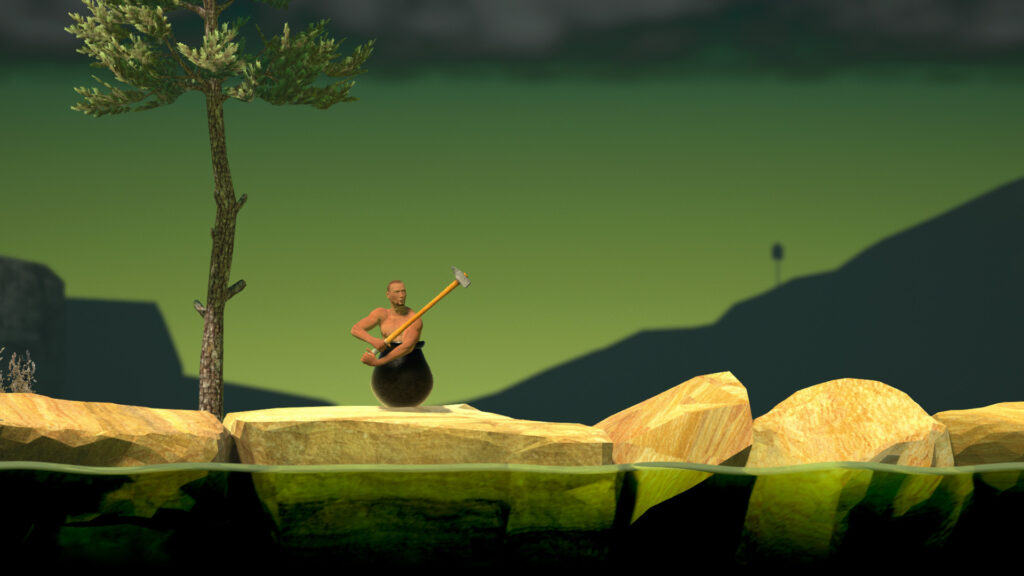
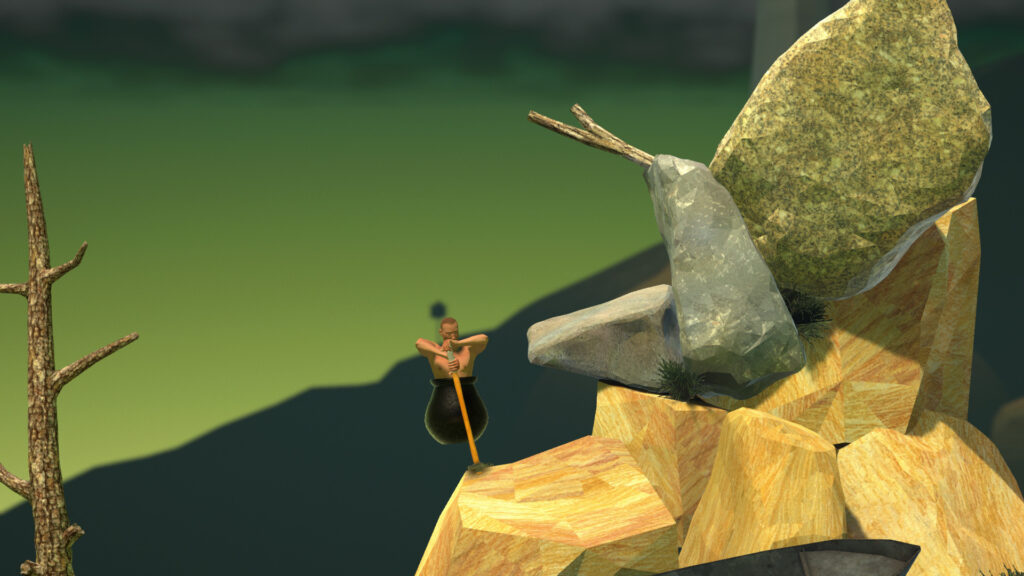
Getting Over It with Bennett Foddy, self-published by Bennett Foddy himself in October 2017, takes the top spot without breaking a sweat. You control a guy stuck in a cauldron with a single sledgehammer, and you climb toward the summit of a mountain. That’s it. That’s the whole game. And it’s the only title here to post a perfect 100 on the rage-quit scale.
A game I made for a certain kind of person. To hurt them.
Source:Getting Over It with Bennett Foddy on Steam
That line is what developer Bennett Foddy wrote in his own Steam store description. The game itself declares up front that you should not walk in half-committed. Thanks to the physics, sliding all the way back to the starting point after one bad swing at 80 percent of the way up the mountain is routine, and the despair of that exact moment is something only players understand. I’ve been there myself: I wiped out spectacularly right before the final cauldron section and sat there in a daze for a while. Coming from a guy who’s been divorced twice, that particular sense of loss was uncomfortably close to the day I filed the paperwork.
The standard Steam price is 820 yen (about US$5), tax included, as verified on the official Steam store page in July 2026. It’s by far the cheapest and most accessible entry point among these eight titles, and the fact that it still beat out a lineup of celebrated AAA games on total score says everything about how vicious it is. On the plus side, almost nothing else delivers an experience this intense at this price. On the downside, you won’t know whether that experience counts as “great” or “punishment” until you’ve finished it.
- A ridiculous bargain at 820 yen (about US$5)
- The payoff when you finally beat it is on another level entirely
- A guaranteed hit for streaming and Let’s Play content
- The developer openly states it was built “to hurt” certain people
- Do not play this when your mental reserves are already low
Enjoying this article? Add us as a preferred source on Google.
Final Standings: The Top 10 Games Too Brutally Hard to Recommend
Looking back at the full results: No. 1 is Getting Over It with Bennett Foddy at 364 points, followed by Sekiro (349), Bloodborne (332), Cuphead (316), Hollow Knight (315), Nioh 2 (312), Elden Ring (300), Dark Souls III (288), Spelunker (280) and Dragon Quest II: Luminaries of the Legendary Line (276). Prices span 820 yen to 9,240 yen (about US$5 to US$60), which makes it clear that a bigger price tag doesn’t automatically mean a harder game. It’s also telling that two titles from the early Famicom era made the cut, a reminder of just how deep the lineage of “unfair” runs in Japanese game history.
Q. Which one should a newcomer start with?
If you have to pick from these eight, Hollow Knight or Dark Souls III are the most approachable as long as you stick to the main campaign, both of which play fair. Save Path of Pain and New Game Plus runs for after you’ve cleared the base game.
Q. Which is the cheapest way in?
At 820 yen (about US$5), Getting Over It with Bennett Foddy is the cheapest, and ironically it’s also the single most soul-crushing title of the eight. Don’t let the low price talk you into an impulse buy.
Q. Which is the most acclaimed yet the hardest to recommend?
Elden Ring won Game of the Year awards around the world, yet a handful of its optional bosses are tuned at a completely different scale. The gap between how welcoming the main game is and how vicious a few specific fights get is enormous.
What this ranking really shows is that “extremely hard” doesn’t automatically mean “can’t recommend it.” A game only becomes genuinely not-for-everyone when unfairness and soul-crushing design show up together. Even masterpieces like Sekiro and Elden Ring will break you easily if you walk in unprepared. Flip that around, though, and every one of these titles offers a sense of accomplishment you can only reach by committing fully.
Before you add another entry to your backlog, check how much mental fuel you’ve got left, and then hit the buy button.
Read Next
Snicker Kitamura

Leave a Reply