






Enjoying this article? Add us as a preferred source on Google.
- How did the PlayStation version of DQ4 evolve from the Famicom original? 3D polygons plus the all-new Chapter 6
- How it differs from the Famicom, DS, and mobile versions, and why this guide follows the PlayStation version
- Mastering AI combat and knowing which “Tactics” to use when
- A walkthrough chart for all five chapters plus Chapter 6, with the key points of every dungeon
- Spells, abilities, and how to use all eight party members
- HTML maps for all 23 dungeons and 123 floors
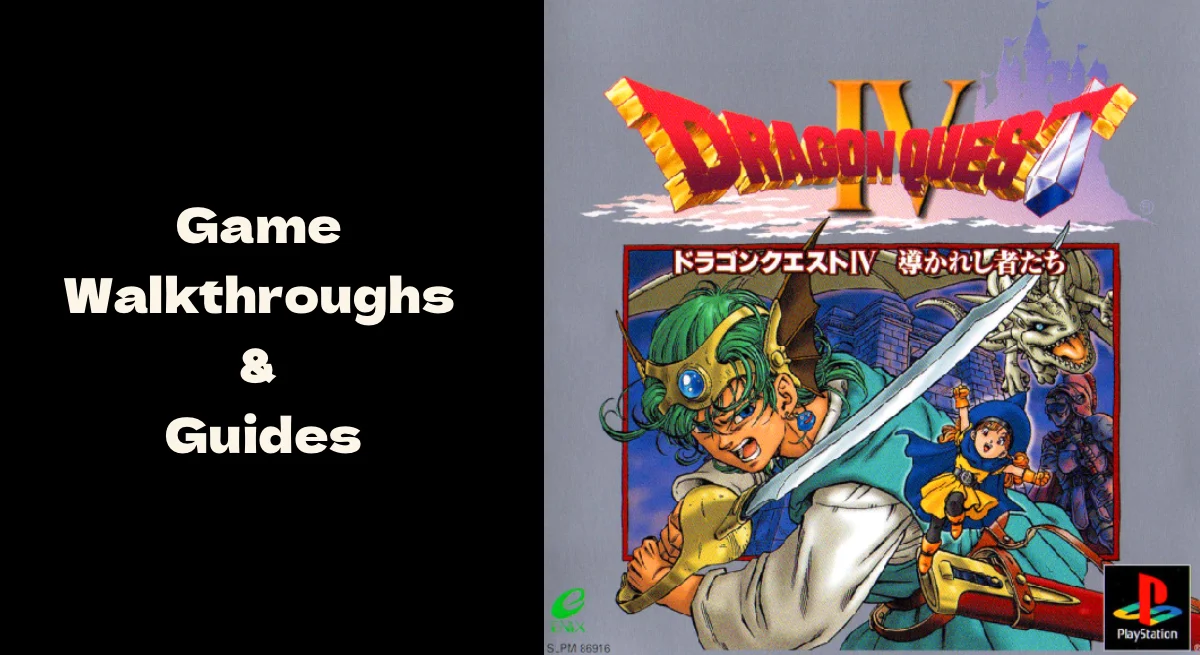
Dragon Quest IV: Chapters of the Chosen. Released on the Famicom in 1990, it was the first game in the series to use an “omnibus” structure, following the stories of its five protagonists one at a time, and that structure got everyone talking. The PlayStation remake arrived in 2001 as a full ground-up rebuild in 3D polygons, and it added a “Chapter 6” that the Famicom original never had. The PlayStation version is also the odd one out in the series: you cannot use “Follow Orders,” so the party is locked into AI combat.
The heart of this game comes down to two things: controlling your AI through “Tactics,” and understanding how the party changes from chapter to chapter. In Chapters 1 through 4 your companions are fixed, so your only real choices are leveling up and optimizing gear. The game truly begins in Chapter 5, when everyone joins forces, and the difficulty swings wildly depending on who you leave in the wagon and who you put on the front line.
This guide follows the PlayStation version. It lays out overview maps for all 23 dungeons and 123 floors as HTML tables, and includes a complete list of every spell and ability each character learns. I have also broken down how it differs from the Famicom and DS versions, so this should help if you are still deciding which version to play.
I’ll be honest: the first time I played the PlayStation version, my party wiped in the Con Cave early in Chapter 5 because Kiryl’s AI kept spamming Thwack until he ran dry on MP. That was the moment I truly understood the terror of having no “Follow Orders” command. …Then again, I’m twice divorced, so most of my life has been a story of leaving things on AI and watching it fall apart.
What kind of game is Dragon Quest IV on PlayStation? The definitive version of an omnibus RPG
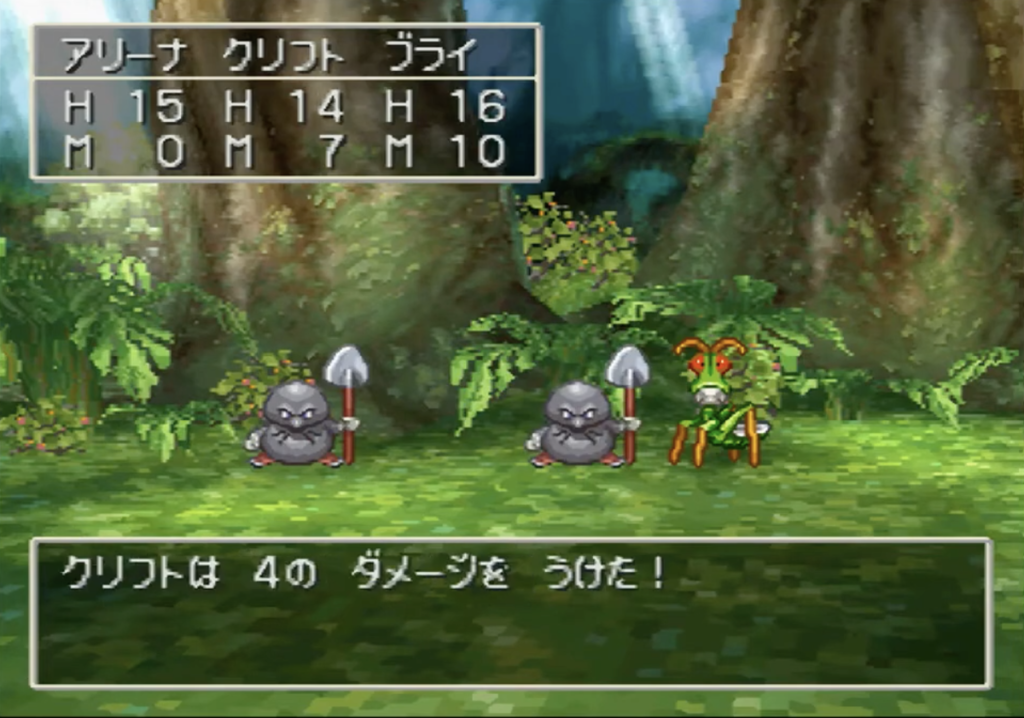
Dragon Quest IV: Chapters of the Chosen on PlayStation is a top-to-bottom 3D polygon remake of the Famicom original that launched on February 11, 1990. Heartbeat handled development, Enix published, and it hit shelves on November 22, 2001 for 6,800 yen before tax (about US$44, converted at roughly 153 yen to the dollar). It shipped on two CD-ROMs, and an Ultimate Hits reissue (2,500 yen before tax, about US$16) followed on July 20, 2006.
| Item | Details |
| Title | Dragon Quest IV: Chapters of the Chosen |
| Platform | PlayStation (2-disc CD-ROM) |
| Release date | November 22, 2001 (Ultimate Hits reissue: July 20, 2006) |
| Publisher / Price | Enix / 6,800 yen before tax (about US$44); Ultimate Hits reissue 2,500 yen before tax (about US$16) |
| Developer | Heartbeat |
| Original release | Dragon Quest IV: Chapters of the Chosen (Famicom / February 11, 1990 / developed by Chunsoft) |
| Chapter structure | Six chapters (1 through 5, plus Chapter 6 added in the PlayStation version) |
| Dungeon count | 23 dungeons, about 123 floors |
| Final goal | Defeat Psaro the Manslayer and bring peace back to the world (Chapter 6: defeat Aamon and save Psaro) |
The biggest differences from the Famicom original are the complete 3D polygon overhaul of the overworld, dungeons, and battles, and the addition of Chapter 6, which fills in Psaro the Manslayer’s past. In Chapter 6, Psaro joins your party and you take on the true mastermind, Aamon. You could call it the closing chapter of the “Chapters of the Chosen” story, one the Famicom original never told.
On the other hand, the PlayStation version’s defining trait, and the one that stirred up the most argument, is the absence of the “Follow Orders” command. Just like on Famicom, everyone except the Hero has their actions chosen by the AI. Given that “Follow Orders” was added in the DS version (2007), the PlayStation release is arguably the most demanding version of the game, one that requires you to plan around AI combat.
Famicom, DS, or mobile: which version should you play? Where the PlayStation version fits in
DQ4 exists in several versions, and each one works a little differently. This guide follows the PlayStation version (2001). Here are the main differences between them.
| Version | Release date | Follow Orders | Chapter 6 | The bag |
|---|---|---|---|---|
| Famicom version | 1990/2/11 | No | No | No |
| PlayStation version (used in this guide) | 2001/11/22 | No | Yes | From Chapter 5 |
| DS version | 2007/11/22 | Yes | Yes | From Chapter 1 |
| Mobile version | 2014/4/17 | Yes | Yes | From Chapter 1 |
There are three reasons to pick the PlayStation version. First, the atmosphere of its towns and dungeons rendered in 3D polygons feels fresher than the DS version’s return to 2D. Second, the restriction of AI-only combat actually creates real tension. Third, this is the version that introduced Chapter 6, so only here do you get to experience it for the first time the way it was first told.
Conversely, if comfort is your top priority, go with the DS or mobile version. Simply having “Follow Orders” available makes boss fights vastly more consistent. Getting the bag from Chapter 1 is a quietly significant upgrade too. The PlayStation version is strictly for players who want to enjoy AI combat, or who want to play it in 3D.
For the record, as of September 2026 there has been no announcement of an HD-2D remake. Given that the HD-2D remake of Dragon Quest III shipped in 2024, hopes are high for an HD-2D DQ4 as well, but no official announcement has arrived yet.
Which systems are the core of playing DQ4 on PlayStation? A complete guide to AI combat and Tactics
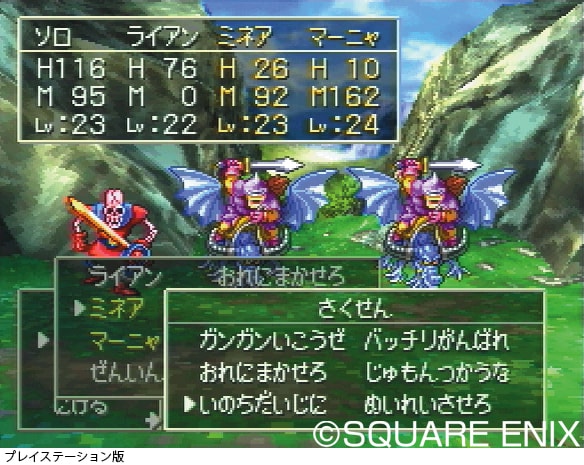
The single most important thing in the PlayStation version of DQ4 is controlling your AI through “Tactics.” You input commands directly for the Hero alone; the other three members (a party of up to four) act on their own based on the Tactics you set. You simply cannot survive boss fights without understanding Tactics.
| Tactic | AI behavior | Best used when |
|---|---|---|
| Show No Mercy | Prioritizes the highest-damage attack spells and abilities | Random encounters, or any fight you want over fast |
| Fight Wisely | Balances offense and defense | Normal exploration and all-purpose use |
| Don’t Use Magic | Physical attacks only (conserves MP) | Saving MP on long dungeon runs |
| Focus On Healing | Puts healing first and plays defensively | Boss fights and tough enemies |
| Save MP | Handles fights with cheap, low-MP spells | Managing MP through the midgame |
One problem specific to the PlayStation version is Kiryl’s almost bug-like habit of spamming “Whack” and “Thwack” during boss fights. Instant-death spells don’t work on bosses, and yet the AI keeps casting them anyway. The fix is to set him to “Focus On Healing.” That tactic puts healing above everything else, which cuts the wasted Whack-family casts down dramatically.
The other system that matters here is the wagon. From Chapter 5 on you can travel with up to eight party members, but only four of them can take part in a battle. The rest wait in the wagon. You can swap people in mid-battle with “Switch,” but some dungeons won’t let the wagon inside at all. In those wagon-free dungeons, picking the right four-person lineup is the key to getting through.
Spells, Abilities and How to Use All Eight Characters | A DQ4 PlayStation Party-Building Guide
DQ4 gives you eight party members, and each one learns a different set of spells and abilities. Because the PlayStation version doesn’t offer “Follow Orders,” understanding how each character behaves on its own is especially important when you build a party. Here’s a rundown of every character’s spells and abilities, along with tips on how to use them.
The Hero (Chapter 5 protagonist)
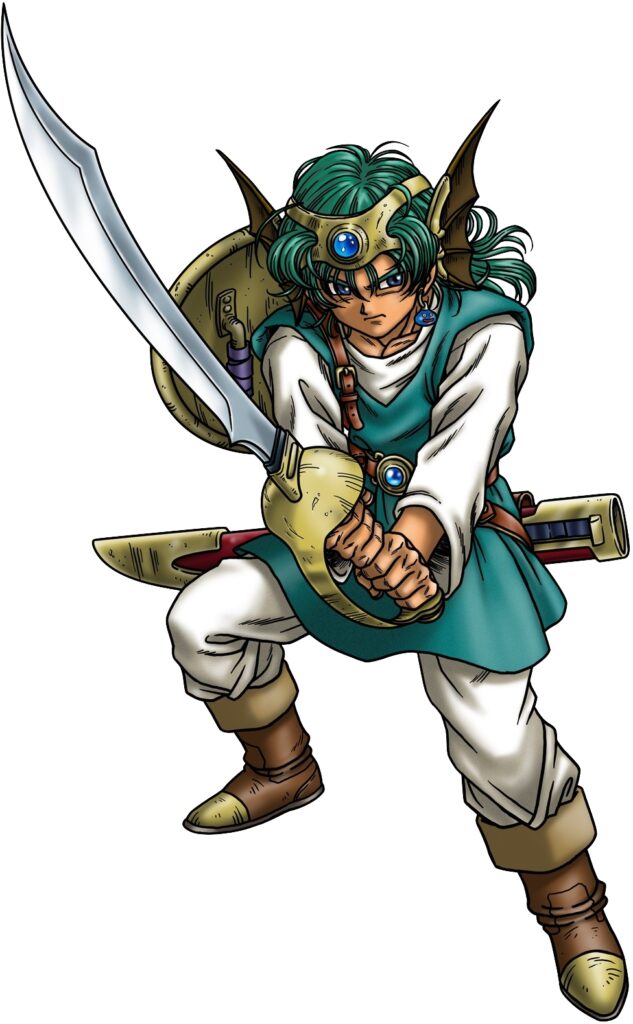
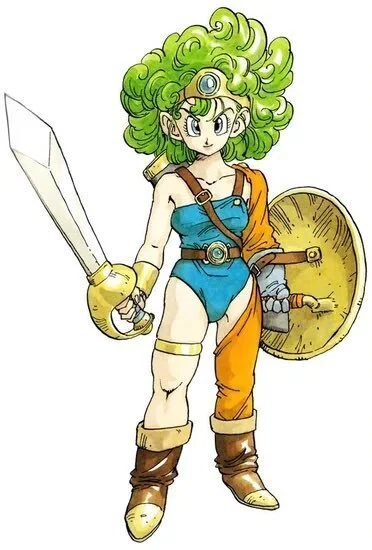
The only character whose commands you enter directly. A true all-rounder who handles attacking, healing and support in equal measure, with Kazap as the ace in the hole for hitting everything at once. Fullheal covers self-healing too, which makes the Hero the party’s lifeline.
| Lv | Spell / ability | Effect |
|---|---|---|
| 1 | Heal | Restores a small amount of HP to one ally |
| 3 | Sizz | Fire damage to one group of enemies |
| 5 | Poof | Banishes weaker enemies outright |
| 7 | Sizzle | Strong fire damage to one group of enemies |
| 9 | Zap | Lightning damage to a single enemy |
| 11 | Zoom | Warps instantly to any town you’ve already visited |
| 13 | Holy Protection | Keeps weaker enemies from showing up |
| 15 | Fullheal | Fully restores one ally’s HP |
| 17 | Kasizzle | Devastating fire damage to one group of enemies |
| 19 | Evac | Escapes a dungeon |
| 21 | Zing | Revives a fallen ally (50%) |
| 23 | Kazapple | Pools the whole party’s MP for massive damage |
| 27 | Kazap | Heavy lightning damage to all enemies |
| 32 | Omniheal | Fully restores every ally’s HP |
Ragnar (Chapter 1 protagonist)
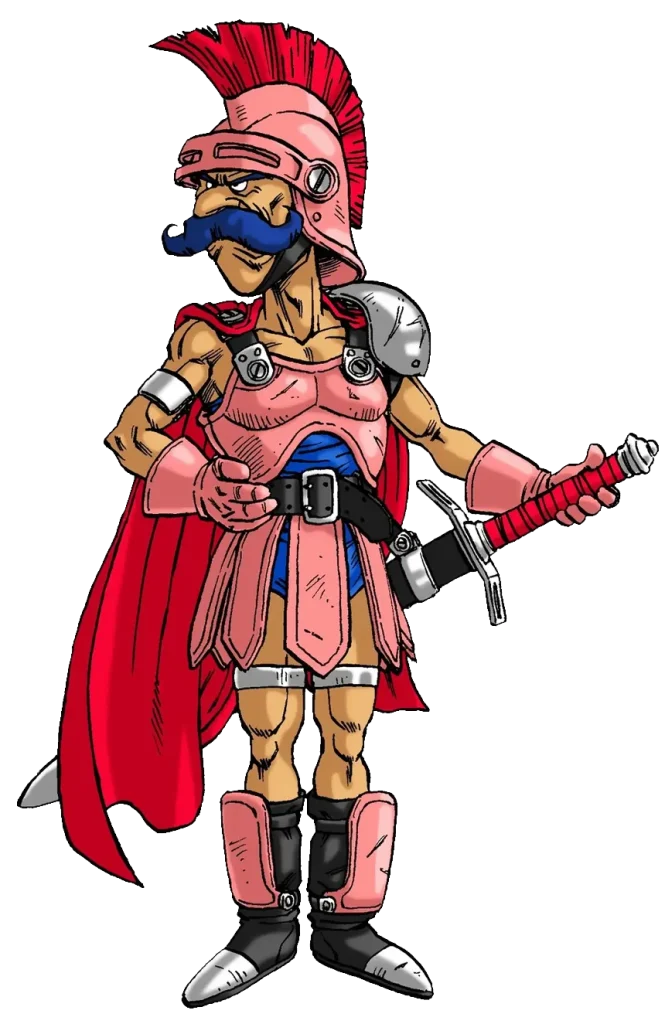
A soldier of the royal palace of Burland. He never learns a single spell, making him a pure physical attacker. His HP and attack power are high and he can wear the heaviest gear. Left to the AI he does nothing but attack, which makes him the most dependable character in the game. In Chapter 5 he’s the front-line anchor who delivers real damage from the very start.
Spells and abilities learned: None (Physical attacks only.) You raise his damage through equipment instead. The Dragonsbane and the liquid metal sword are the endgame candidates.
Alena (Chapter 2 protagonist)
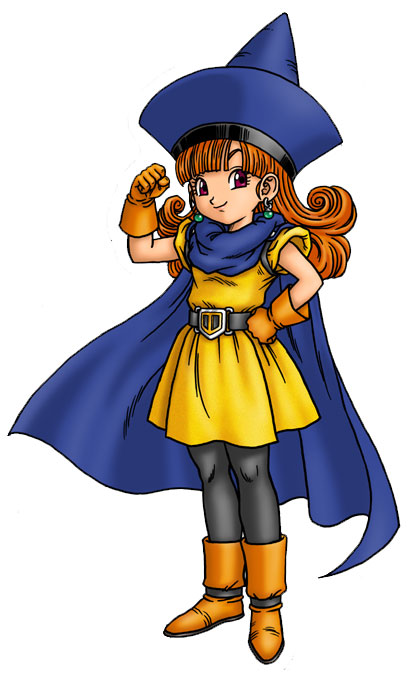
The princess of Zamoksva, a martial-artist-type physical attacker. She learns no spells, but she’s the only character whose critical hit rate climbs as she gains levels. Her agility is the highest in the entire cast, so she wipes out random encounters before they get a turn. In boss fights, that critical-hit-driven damage output is spectacular.
Spells and abilities learned: None (Physical attacks only.) Two attacks per turn from the falcon knife earrings, multiplied by her critical rate, is downright vicious.
Kiryl (Chapter 2)
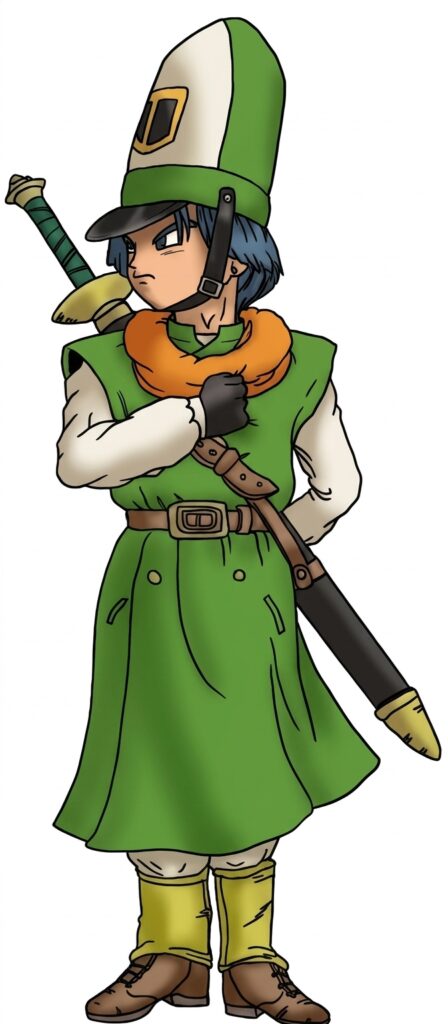
Zamoksva’s priest. A specialist in healing and support spells, and his party-wide healing with Multiheal is a genuine lifeline. As noted above, though, the PlayStation version gives him an AI habit of spamming Whack-family spells in boss fights. Setting him to “Focus On Healing” is mandatory.
| Lv | Spell | Effect |
|---|---|---|
| 1 | Heal | Restores a small amount of HP to one ally |
| 2 | Dazzle | Lowers an enemy’s accuracy |
| 4 | Squelch | Cures poison |
| 6 | Buff | Raises defense |
| 8 | Midheal | Restores a moderate amount of HP to one ally |
| 10 | Whack | Instantly kills a single enemy |
| 13 | Fizzle | Seals an enemy’s spells |
| 16 | Fullheal | Fully restores one ally’s HP |
| 18 | Thwack | Instantly kills a group of enemies |
| 22 | Multiheal | Restores a moderate amount of HP to every ally |
| 26 | Zing | Revives a fallen ally (50%) |
| 30 | Kazing | Revives a fallen ally (guaranteed) |
| 33 | Kerplunk | Caster falls in exchange for fully restoring and reviving the whole party |
Borya (Chapter 2)
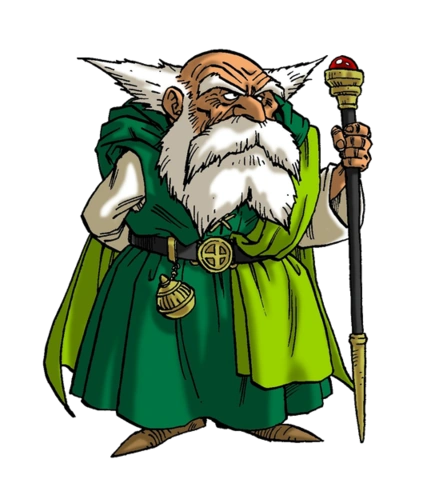
Zamoksva’s elderly mage. An expert in attack spells whose main damage comes from the ice line, Crackle into Kacrackle. His MP pool is deep and his spells hit hard, but his HP and defense are dismally low. Deciding whether to field him in dungeons the wagon can’t enter is a real headache. He’s the textbook glass cannon.
| Lv | Spell | Effect |
|---|---|---|
| 1 | Crack | Ice damage to a single enemy |
| 1 | Sap | Lowers an enemy’s defense |
| 3 | Drain Magic | Drains MP from an enemy |
| 6 | Crackle | Ice damage to one group of enemies |
| 10 | Oomph | Doubles one ally’s attack power |
| 14 | Kasap | Lowers the defense of one group of enemies |
| 18 | Fuddle | Confuses an enemy |
| 21 | Kasnooze | Puts one group of enemies to sleep |
| 26 | Kacrackle | Heavy ice damage to all enemies |
Torneko (Chapter 3 protagonist)
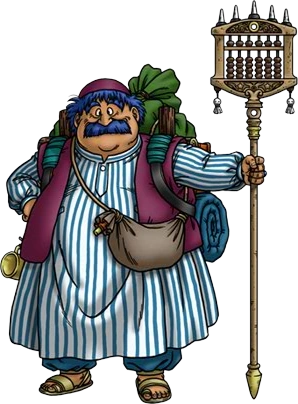
The weapon merchant from Lakanaba. In battle he’s a trickster who takes random actions: he trips over, he stumbles into a critical hit, or he simply does nothing at all. He learns no spells whatsoever, so it’s regular attacks and his oddball special actions only. He’s unreliable as raw firepower, but there are moments when he steps in to take a hit for an ally. He can also appraise items.
Spells and abilities learned: None (Random battle actions only.) His merchant’s eye lets him appraise items out in the field.
Maya (one of the Chapter 4 protagonists)

A dancer from Laissez Fayre and a dedicated attack-spell user. She learns a broad spread of offensive magic across the Frizz, Sizz and Bang lines, and Kaboom is her biggest all-enemy nuke. What sets her apart from Borya is that Bang-line area damage. Her MP is high as well, so she can serve as a primary attacker through the back half of Chapter 5.
| Lv | Spell | Effect |
|---|---|---|
| 1 | Frizz | Fire damage to a single enemy |
| 3 | Zoom | Warps instantly to any town you’ve already visited |
| 5 | Sizz | Fire damage to one group of enemies |
| 8 | Evac | Escapes a dungeon |
| 10 | Bang | Explosive damage to all enemies |
| 13 | Frizzle | Strong fire damage to a single enemy |
| 16 | Sizzle | Strong fire damage to one group of enemies |
| 19 | Boom | Strong explosive damage to all enemies |
| 24 | Kasizzle | Devastating fire damage to one group of enemies |
| 28 | Kafrizzle | Maximum fire damage to a single enemy |
| 33 | Kaboom | Maximum explosive damage to all enemies |
Meena (one of the Chapter 4 protagonists)
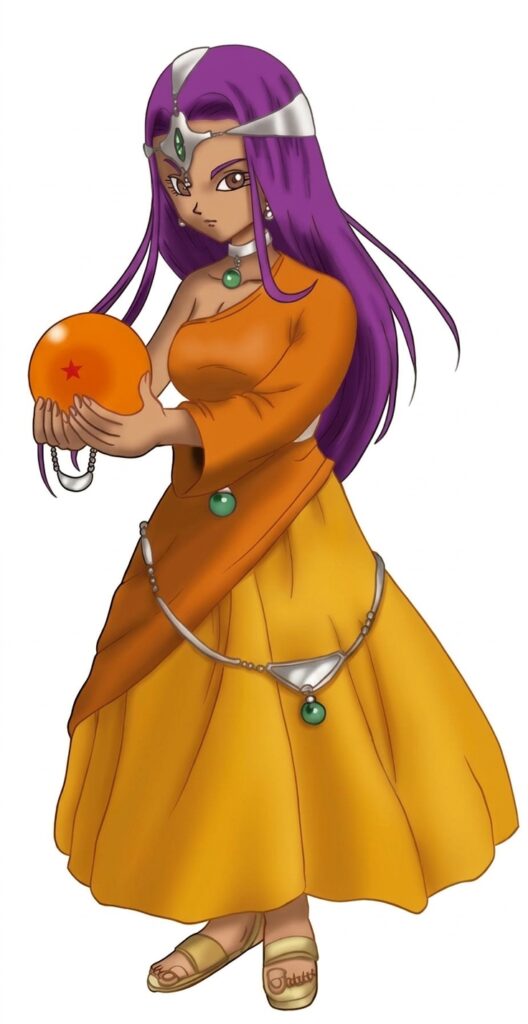
A fortune teller from Laissez Fayre who handles healing and support spells. Her role overlaps with Kiryl’s, but Meena is different in that she learns Insulatle (which cuts breath attack damage) and Kerplunk. In the PlayStation version, where Kiryl burns MP on instant-death spells, slotting Meena in as a secondary healer is a reliable way to keep things stable.
| Lv | Spell | Effect |
|---|---|---|
| 1 | Heal | Restores a small amount of HP to one ally |
| 3 | Squelch | Cures poison |
| 5 | Snooze | Puts enemies to sleep |
| 7 | Kabuff | Raises the whole party’s defense |
| 10 | Midheal | Restores a moderate amount of HP to one ally |
| 12 | Drain Magic | Drains MP from an enemy |
| 14 | Zing | Revives a fallen ally (50%) |
| 17 | Insulatle | Cuts damage from breath attacks |
| 20 | Fullheal | Fully restores one ally’s HP |
| 23 | Multiheal | Restores a moderate amount of HP to every ally |
| 27 | Kerplunk | Caster falls in exchange for fully restoring and reviving the whole party |
PlayStation exclusive: Psaro (joins in Chapter 6)
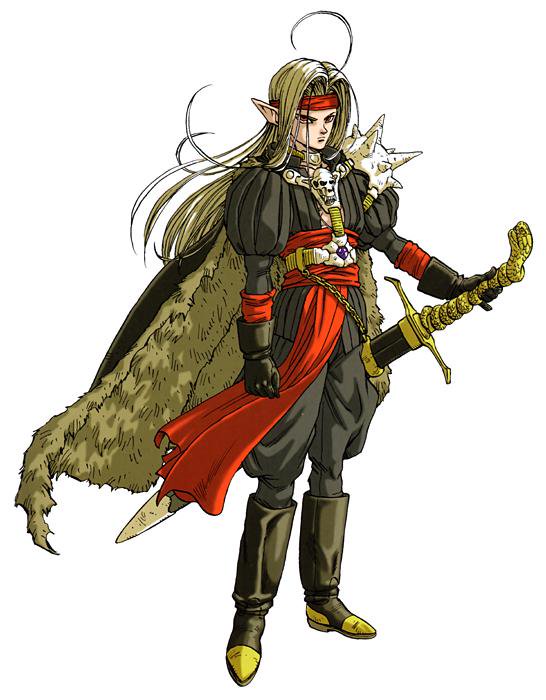
Psaro joins your party over the course of Chapter 6, the extra chapter added in the PlayStation version. His attack power, HP, and MP are all top-tier, and he pairs devastating offensive spells like Kasizzle and Kaboom with Multiheal, making him an all-purpose powerhouse. He is exclusive to Chapter 6, so you only get to use him for a short stretch, but his stats are in another league. He even learns Kazing, which makes the final dungeon dramatically less nerve-wracking.
Walkthrough Chart: Dungeon Highlights and Boss Strategies by Chapter
Here is a dungeon-by-dungeon rundown of what matters in each chapter. Detailed maps for every dungeon are in the “Map Walkthrough” section further down.
Chapter 1: Ragnar McRyan and the Case of the Missing Children
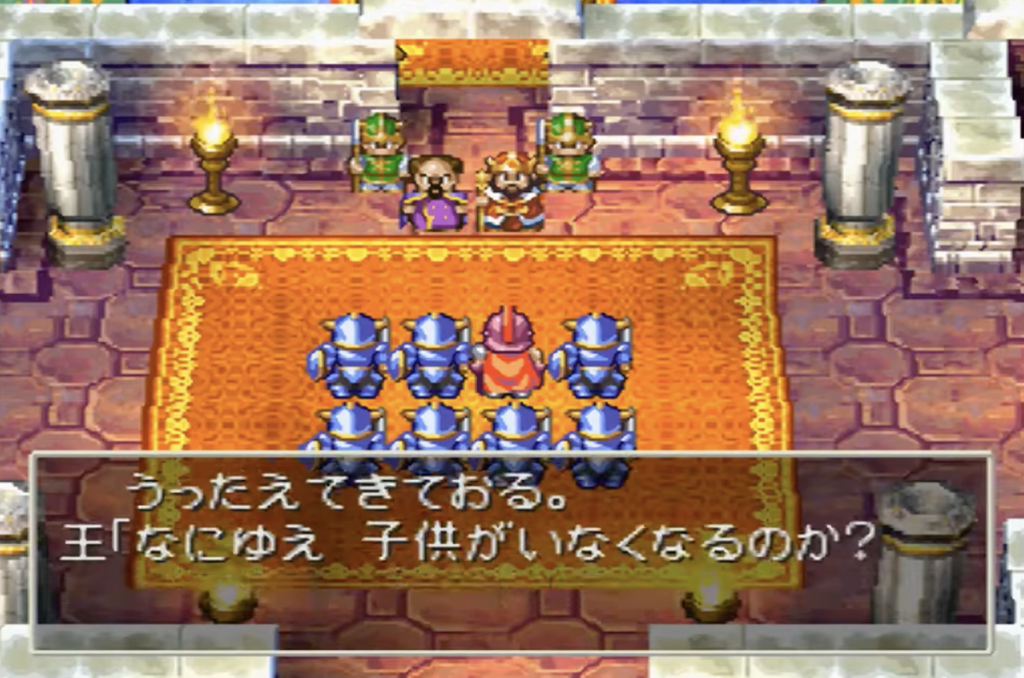
Chapter 1 is a short prologue you tackle with Ragnar alone, plus Healie as an NPC. Your goals are rescuing the missing children in Strathbaile Burrow and beating Psaro’s pawn at the bottom of the Auld Well. Ragnar has nothing but his fists and his sword, so stock up on medicinal herbs before you head out.
| Dungeon | Objective | Boss / things to watch for |
|---|---|---|
| Strathbaile Burrow | Search for the missing children | No boss. The enemies here are pushovers |
| Auld Well | Defeat Psaro’s pawn | Psaro’s pawn. Level 5 or higher recommended |
Chapter 2: Alena and the Journey to the Tourney
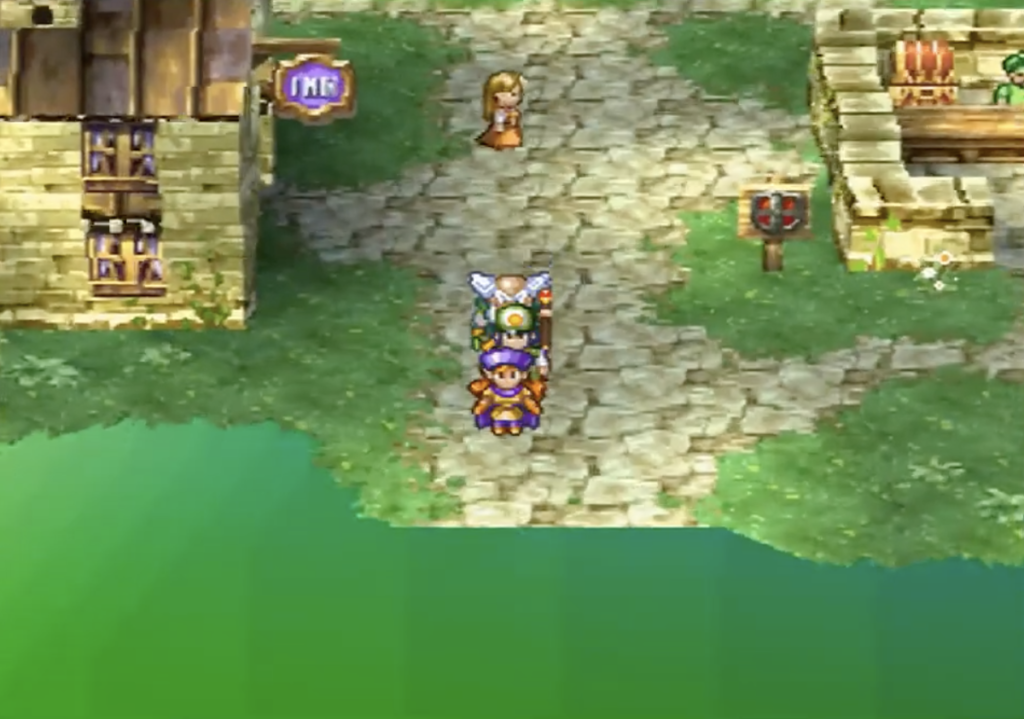
A three-person party of Alena, Kiryl, and Borya. With Kiryl’s healing and Borya’s attack spells, your firepower is far more stable here. The Abominable showman at the top of Birdsong Tower leans on physical attacks, so shore up your defense with Kabuff and wait for Alena to land a critical hit. In the Tournament of Endor, Alena fights five straight matches solo. Around Level 14 is enough to see you through comfortably.
| Dungeon | Objective | Boss / things to watch for |
|---|---|---|
| Loch Tur | Obtain the birdsong nectar | No boss |
| Vault of Vrenor | Recover the stolen silk robe | No boss |
| Birdsong Tower | Use the birdsong nectar to restore the princess’s voice | Abominable showman |
Chapter 3: Torneko and the Extravagant Excavation
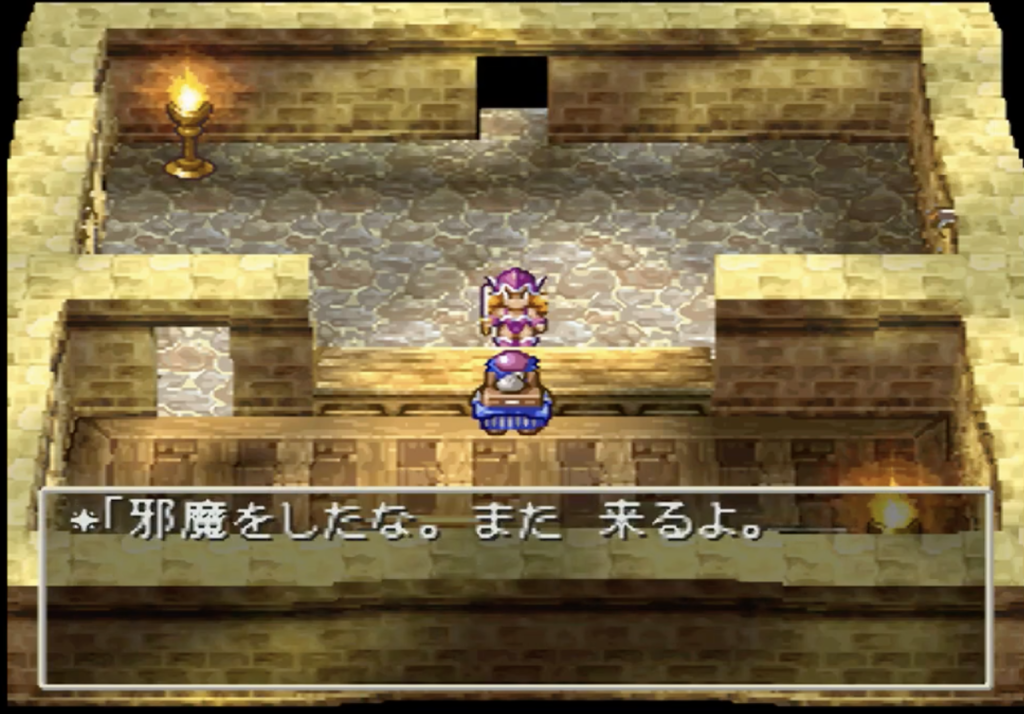
A merchant chapter you play entirely as Torneko. Making money matters more than fighting here. In the Cave of Safekeeping, you hunt down the item needed to open the tunnel. The ultimate goal is earning 35,000 gold and opening your own shop, but the dungeon crawling itself is brief.
| Dungeon | Objective | Boss / things to watch for |
|---|---|---|
| Cave of Safekeeping | Find the item needed to open the tunnel | No boss. You’re solo, so medicinal herbs are mandatory |
Chapter 4: Meena and Maya and the Mahabala Mystery
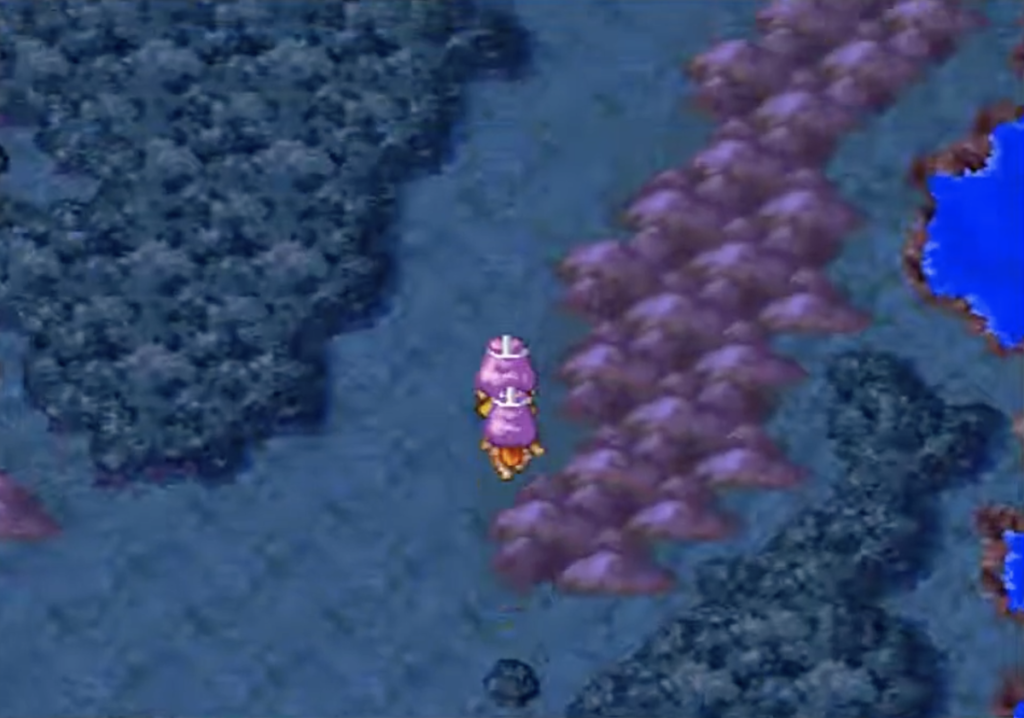
Alongside sisters Maya and Meena, Oojam joins you temporarily partway through. You face Marquis de Léon in The Cistern Chapel, but that first encounter is a scripted fight you cannot win (losing still advances the story). Balzack in Mamon Mine is the real final boss of Chapter 4, and Maya’s Bang plus Meena’s Kabuff are the keys to taking him down.
| Dungeon | Objective | Boss / things to watch for |
|---|---|---|
| The Cistern Chapel | Make your way to Palais de Léon | Marquis de Léon (scripted fight, losing is fine) |
| Gupta Gupha | Explore to get hold of a ship | No boss |
| Mamon Mine | Defeat Balzack | Balzack. Level 15 or higher recommended |
Chapter 5: The Chosen
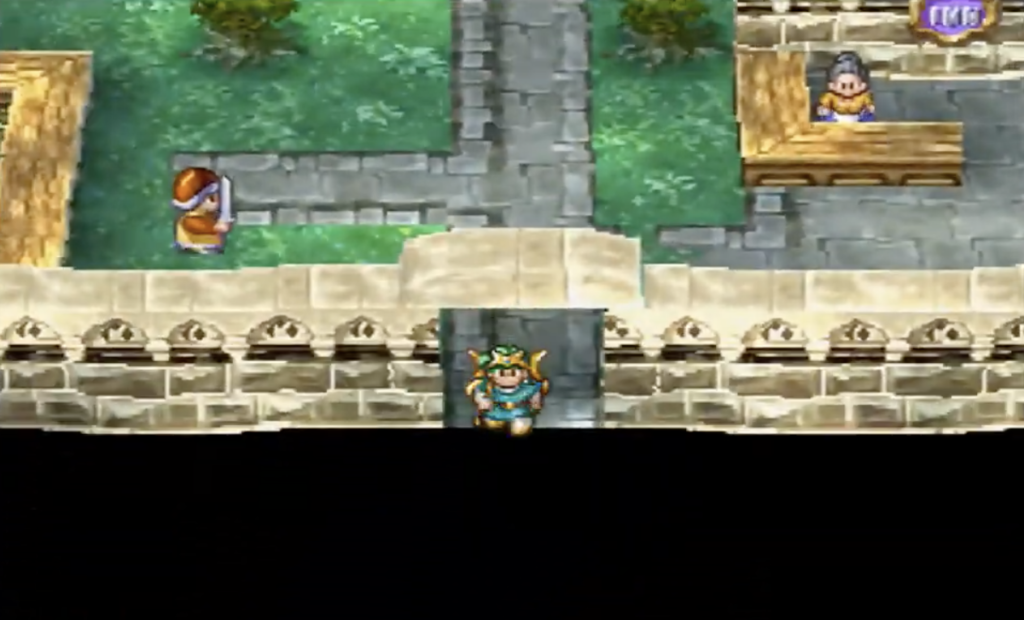
The main story, where everyone finally comes together. Early on you rematch Balzack in Con Cave, at the midpoint you take on Estark, and in the endgame you face Psaro the Manslayer. Several dungeons won’t let the wagon inside, so how you build your party really matters.
| Dungeon | Objective | Boss / things to watch for |
|---|---|---|
| Con Cave | Back route into Palais de Léon | Balzack (powered-up) and Marquis de Léon |
| Pharos Beacon | Secure a sea route for your ship | Tigergram |
| Imperial Pantry of Parthenia | Obtain the Feverfew seed | No boss |
| Estark’s Crypt | Defeat Estark, lord of the underworld | Estark. Watch out for his fierce flame breath |
| Royal Crypt | Obtain the Zenithian helm | Aamon (mid-boss) |
| Briny Lair | Entrance to the ocean floor | No boss |
| Cascade Cave | Obtain the Zenithian shield | No boss. Watch out for pitfalls |
| Colossus | Break the magic barrier | Rashaverak plus Pruslas. No wagon |
| Yggdrasil | Obtain the Yggdrasil flower | No boss |
| Stairway to Zenithia | Make your way to Zenithia | No boss. A long haul, and no wagon |
| Doorway to Nadiria | The road to Castle Nadiria | No boss. Pitfalls everywhere |
| Castle Nadiria | Defeat Psaro the Manslayer | Psaro the Manslayer (seven transformation stages). Level 33 or higher recommended |
The fight with Psaro the Manslayer runs through seven transformations, and his attack patterns shift with every stage, so it’s a long war of attrition. Omniheal and Insulatle are your keys to a clean win. Keep your tactic on “Focus On Healing” as the default, and only flip to “Show No Mercy” in the later forms when you genuinely need the damage. The Hero’s Kazap and Maya’s Kaboom are your main sources of damage.
Five Things That Trip Players Up in the PlayStation Version of DQ4
① Kiryl’s Whack-spam problem
As mentioned earlier, Kiryl’s AI insists on throwing Whack and Thwack at bosses. The only real fix is “Focus On Healing.” Even then he’ll occasionally slip one in, so bringing Meena along as insurance for when Kiryl runs dry on MP will let you breathe easier.
② Dungeons the wagon can’t enter
The Colossus, the Stairway to Zenithia, the Doorway to Nadiria — the important dungeons in the back half of Chapter 5 all lock the wagon out. You’re stuck with a fixed four-person party for a long stretch, so either bring two healers or lean on the Hero’s Fullheal and haul in a mountain of medicinal herbs.
③ Running short on muscle early in Chapter 5
Right when Chapter 5 begins you’re on your own as the Hero, and you have to travel the world collecting your companions. Everyone rejoins at the level they finished their own chapter on, which is low, so you’ll want to grind the whole roster up to around Level 20 before tackling Con Cave.
④ The turn limit in the Estark fight
In the PlayStation version too, beating Estark within a set number of turns nets you bonus experience. That said, forcing a rush job puts you at real risk of a wipe. If you want the safe route, settle in with “Focus On Healing” and write off the turn bonus.
⑤ How to unlock Chapter 6
In the PlayStation version, Chapter 6 kicks off automatically as soon as you load a save file from after you’ve cleared Chapter 5. There are no special conditions attached, but be careful not to overwrite that Chapter 5 clear data. Chapter 6 does present you with the choice of handing the Zenithian equipment over to Psaro, though you can finish the game without giving it up.

Maps | HTML maps for all 23 dungeons and 123 floors
From here on you’ll find schematic maps for all 23 dungeons and 123 floors. Each map is an HTML grid table auto-converted from a schematic of the PlayStation version: beige marks passages and rooms, white marks walls, blue marks water and springs, and red marks treasure chests and boss positions. Everything is collapsed by chapter, so open up whichever dungeon you need and take a look.
How to read the maps
Passage / room
Wall
Water / spring
Treasure chest / boss
Note: these are auto-converted from schematic diagrams, so fine details may differ from the actual game screens.
Can You Play the PlayStation Version of Dragon Quest IV on Modern Hardware? A Complete Platform-by-Platform Guide
✅ The bottom line
As of September 2026, Dragon Quest IV is available right now in its mobile and DS versions. The only ways to play the PlayStation version itself, however, are a secondhand PS1 console or the PS3 Game Archives release, which is no longer distributed.
① Games you can play through a subscription or for free
As of September 2026, DQ4 isn’t part of Nintendo Switch Online or the PS Plus Classics Catalog. There is no way to play it through a subscription.
② Games you can buy outright
| Platform | Version | Price and notes |
|---|---|---|
| iOS / Android | Mobile version (based on the DS version) | 1,800 yen (about US$12), as of September 2026 |
The most painless way in is the mobile version. It’s built on the DS version, which means “Follow Orders” is available. What it doesn’t recapture is the 3D polygon atmosphere of the PlayStation version.
③ Games available as remasters or remakes
As of September 2026, no HD-2D remake of DQ4 has been announced. The HD-2D remake of DQ3 arrived in November 2024, so there’s every reason to hope DQ4 gets the same treatment, but nothing has been announced officially.
④ Games that are hard to get hold of on modern hardware
| Version | Availability | Alternative |
|---|---|---|
| Famicom version | Secondhand cartridge only | The mobile version works as a substitute |
| PlayStation version (used in this guide) | Secondhand disc only. The PS3 Archives release has been delisted | PS1 hardware or PS2 backward compatibility |
| DS version | Secondhand cartridge | Playable on 3DS via backward compatibility |
If you specifically want the PlayStation version, you’ll need a used PS1 disc plus a PS1 or PS2 console. The Ultimate Hits reissue turns up relatively cheap on the secondhand market. If you want to feel the bite of AI-driven combat, the PlayStation version is the only choice, but if convenience is what you value, the mobile version is the best pick.
Enjoying this article? Add us as a preferred source on Google.
Conclusion | The PlayStation version of Dragon Quest IV is the only remake that lets you feel the tension of AI-driven combat
Dragon Quest IV: Chapters of the Chosen for PlayStation launched on November 22, 2001, published by Enix at 6,800 yen before tax (about US$44). On top of the five chapters from the Famicom original, the PlayStation version adds a Chapter 6 of its own, which plays out an ending where Psaro joins the party. There are 23 dungeons and roughly 123 floors in total.
The heart of this game is managing your AI through tactics. Because the PlayStation version has no “Follow Orders,” you need to understand how the AI behaves — starting with Kiryl’s Whack problem — and then build your party and swap tactics around it. In dungeons the wagon can’t follow you into, choosing the right four members is what separates a win from a wipe.
This guide lays out the spells all eight characters learn, walks through the game chapter by chapter, and includes schematic maps for all 23 dungeons and 123 floors. Keep it handy while you play the PlayStation version.
The PlayStation version of DQ4 is the only one that lets you experience the story of Chapters of the Chosen in 3D, and the constraint of AI-driven combat ends up creating strategy rather than removing it. Kiryl’s Whack problem is infamous, but tactics and party composition give you more than enough control over it. Chapter 6 and its redemption ending for Psaro debuted here, so if you want to take in the full story of DQ4, this is a version you owe yourself at least one playthrough of. If comfort is your priority, on the other hand, the “Follow Orders” command in the DS and mobile versions is a genuine gift. Which version you should pick comes down to what kind of experience you’re looking for — and that, too, is part of the fun of Chapters of the Chosen.
Me, I’m still going to bat for the PlayStation version. That helpless feeling of being jerked around by the AI was exactly what made RPGs of that era so good.
Read Next
Snicker Kitamura









Leave a Reply